




Blackheads in Adults vs Teenagers: How Treatment Differs
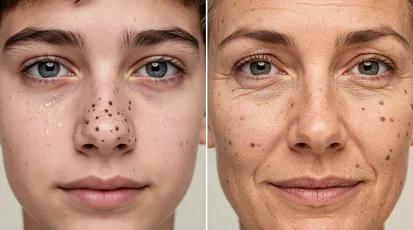
Introduction — Why Blackheads Aren’t Just a Teen Problem
Think blackheads are just a teenage nuisance? Think again.
Both adults and teenagers struggle with these tiny dark spots, but for entirely different reasons. Blackheads, medically known as open comedones, form when pores get clogged with excess oil, dead skin cells, and bacteria. When the clog is exposed to air, it oxidizes—turning black.
And while teens often blame hormones, adults aren’t spared either. About 40–55% of adults aged 20–40 experience persistent blackheads or acne, proving this is a lifelong skincare concern.
In this guide, we’ll explore how blackheads differ between adults and teenagers, why the same acne products don’t always work for both, and how to build a skincare routine tailored to your age.
Understanding How Skin Changes with Age
Your skin doesn’t behave the same at 16 as it does at 30. Hormones, cell turnover, and oil production all evolve over time—and that changes how blackheads form and respond to treatment.
| Factor | Teen Skin | Adult Skin |
|---|---|---|
| Oil Production | High due to hormonal surges | Moderate but thicker consistency |
| Cell Turnover | Fast | Slower, leading to buildup |
| Common Blackhead Areas | Nose, forehead, chin | Nose, chin, cheeks |
| Pore Elasticity | More flexible | Less elastic, more visible |
| Primary Cause | Hormonal imbalance | Clogged pores, stress, aging |
As teens battle excess oil and clogged pores from overactive sebaceous glands, adults deal with sluggish skin renewal, thicker sebum, and aging pores that trap debris more easily.
Causes of Blackheads in Teenagers
Teen skin is dynamic, oily, and hormonally charged. The biggest culprits include:
-
Hormonal surges during puberty — increase sebum production, causing clogged pores.
-
Poor cleansing habits — sleeping with makeup or skipping face washes leads to buildup.
-
Comedogenic skincare or makeup — heavy creams and products block pores.
-
Diet and lifestyle choices — sugary or oily foods, combined with poor hydration.
-
Stress and sweat — sports and school pressure can elevate cortisol and oil production.
🩺 Derm Tip: Early skincare awareness prevents long-term pore enlargement and scarring.
Causes of Blackheads in Adults
Adult blackheads are more complex. While hormones still play a role, lifestyle and aging are bigger contributors.
-
Hormonal fluctuations — especially in women during pregnancy, menstruation, or menopause.
-
Slower skin cell turnover — causes dead cells to accumulate and clog pores.
-
Occlusive anti-aging products — rich creams can suffocate pores.
-
Pollution and oxidative stress — environmental toxins worsen pore congestion.
-
Chronic stress — elevated cortisol boosts sebum and inflammation.
-
Thicker, oxidizing sebum — aging changes oil texture, making blackheads more visible.
💬 Expert Insight: “Adult acne and blackheads often stem from lifestyle and skincare misuse more than hormones,” explains dermatologists.
How Treatment Differs Between Adults and Teenagers
When it comes to blackhead treatment, one size doesn’t fit all. Teens need oil control, while adults need balance and renewal.
| Treatment Aspect | Teenagers | Adults |
|---|---|---|
| Cleansers | Salicylic acid–based foaming cleansers | Gentle exfoliating or pH-balanced cleansers |
| Exfoliation | Regular chemical exfoliation (2–3×/week) | Mild AHA/BHA blends for cell renewal |
| Moisturizers | Lightweight, oil-free gels | Hydrating serums with ceramides & niacinamide |
| Topical Treatments | Benzoyl peroxide, salicylic acid | Retinoids, niacinamide, lactic acid |
| Lifestyle Focus | Hygiene, balanced diet | Stress management, anti-aging care |
For teens, the focus is preventing clogged pores without over-drying. Adults, on the other hand, need ingredients that support renewal and barrier repair.
Common Mistakes to Avoid
Many blackhead treatments fail because of avoidable skincare errors.
❌ Over-Cleansing or Over-Exfoliating
Stripping skin of natural oils can trigger rebound oil production.
❌ Using Pore Strips Excessively
They remove surface debris but can enlarge pores over time.
❌ Picking or Squeezing
Leads to inflammation, scars, and bacterial spread.
❌ Ignoring Hydration
Both oily and dry skin need moisture to maintain balance.
✅ Smart Skincare Habits
-
Use non-comedogenic products.
-
Exfoliate gently 2–3 times weekly.
-
Remove makeup before bed.
-
Avoid harsh scrubs or alcohol-based toners.
Dermatologist-Recommended Treatments
For stubborn or recurring blackheads, professional help can make a major difference:
-
Professional Extractions: Safely remove blackheads without scarring.
-
Prescription Retinoids: Boost cell turnover in adults.
-
Blue Light Therapy: Reduces bacteria and oil activity in teens.
-
Chemical Peels: Glycolic or salicylic acid peels smooth texture and clear pores.
🩺 When to see a dermatologist: If you notice inflamed, painful blackheads, or acne that resists OTC treatment, consult a professional for a customized routine.
Preventing Blackheads — Long-Term Skincare Habits
Prevention is more sustainable than treatment. Build a simple, consistent routine:
Morning Routine:
-
Gentle cleanser
-
Lightweight moisturizer
-
Broad-spectrum sunscreen (non-comedogenic)
Night Routine:
-
Double cleanse (especially for makeup users)
-
Exfoliate on alternate nights
-
Apply retinoid or niacinamide serum
Lifestyle Habits:
-
Manage stress through sleep and exercise
-
Drink plenty of water
-
Eat low-glycemic, antioxidant-rich foods
-
Change pillowcases weekly and sanitize makeup tools
Expert Insight — Do Adults Need a Different Skincare Philosophy?
Absolutely.
“Adult skin requires repair and protection, not just oil control,” says dermatologists.
For adults, the goal isn’t simply to remove blackheads—it’s to improve skin resilience, balance oil, and slow signs of aging. Professional skin analysis helps determine your unique pore type, hydration levels, and the right exfoliation intensity.
FAQs
1. Can adults use teenage acne products? Only if mild. Strong teenage formulas can dry out or irritate adult skin.
2. Do blackheads ever go away naturally? Rarely. Consistent cleansing and exfoliation are essential.
3. Is it safe to extract blackheads at home? Not recommended. Incorrect extraction can scar skin or enlarge pores.
4. Which diet helps prevent blackheads? Focus on low-glycemic foods, lean proteins, and antioxidants like berries and leafy greens.
5. Are blackheads a sign of poor hygiene? No. They result from excess oil and dead skin, not just dirt or uncleanliness.
Conclusion & Call-to-Action
Both adults and teenagers face blackheads—but the why and how behind them differ significantly.
Teen skin needs oil regulation and gentle care, while adult skin thrives on renewal, hydration, and barrier repair. The secret isn’t harsher products—it’s smarter, age-specific skincare.
Struggling with blackheads that won’t go away? Consult a dermatologist or explore dermatologist-approved, age-specific products to restore smoother, clearer skin.
Editorial Standards
Clear Ritual has Strict sourcing guidelines to ensure our content is accurate and current. We rely on peer-reviewed studies, academic research institutions, and medical associations. We strive to use primary sources and refrain from using tertiary references. See a mistake? Learn More about our Editorial Standards.



