




Chemical Peels for Acne Scar Reduction
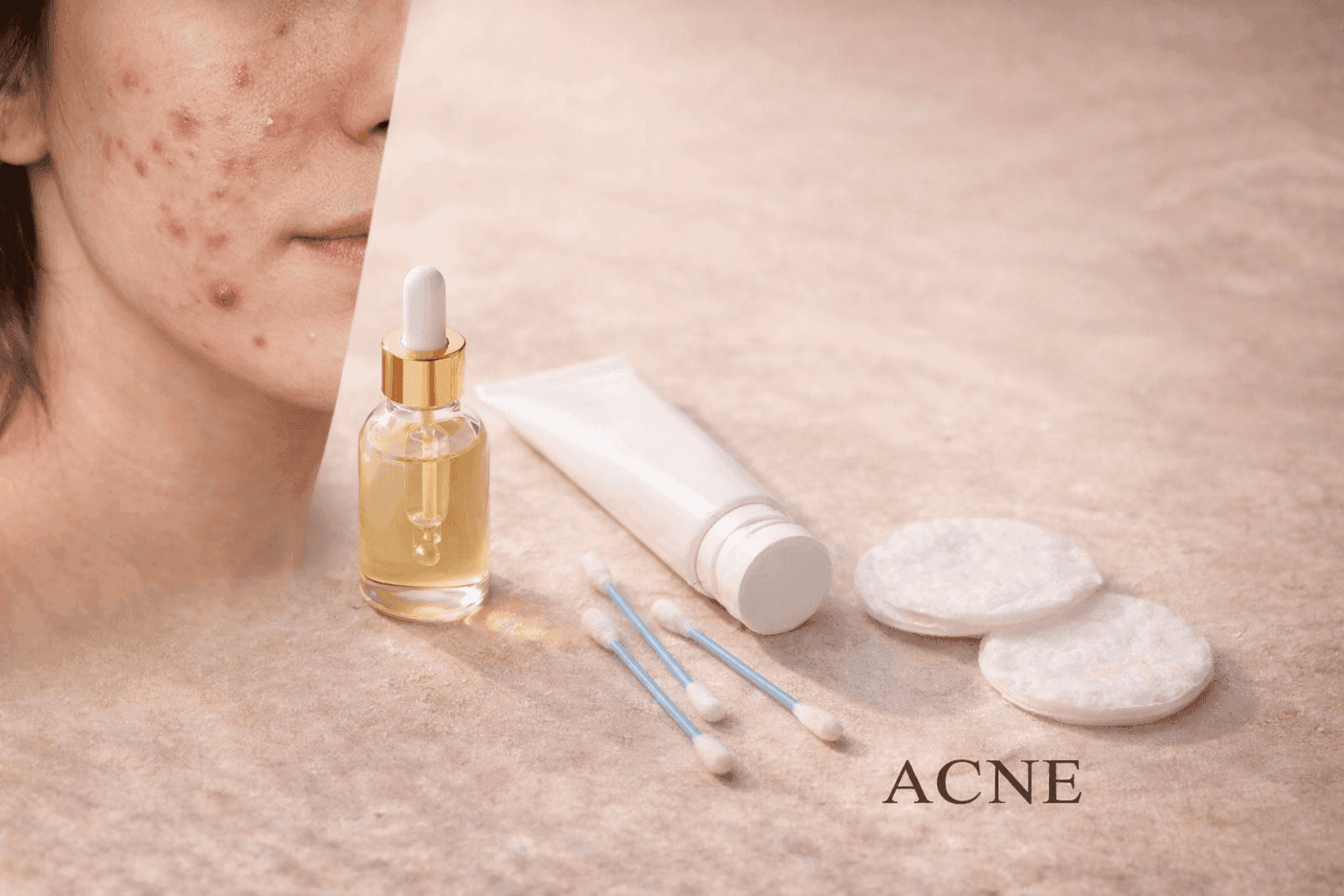
Chemical peels work by applying controlled acid solutions to remove damaged outer skin layers, stimulating collagen production and cell turnover in deeper layers. This process gradually reduces the appearance of acne scars by encouraging the skin to rebuild smoother, more even tissue. Results vary based on scar type, peel depth, and individual healing response.
Key Takeaways:
- Chemical peels use acids to remove damaged skin layers and trigger natural healing
- Different peel depths treat different scar types - superficial peels for texture, deeper peels for atrophic scars
- Multiple sessions spaced weeks apart typically deliver better results than single treatments
- Post-inflammatory hyperpigmentation often responds faster than indented scars
- Professional application reduces risk of burns, scarring, and uneven results
What Chemical Peels Actually Do to Scarred Skin
Acne scars form when inflammatory acne damages the dermis, disrupting normal collagen structure. The skin attempts repair but often creates irregular tissue - either too much collagen forming raised scars or too little creating indented ones. Chemical peels interrupt this cycle by forcing controlled injury that prompts organized healing.
The acid solution breaks bonds between dead skin cells in the epidermis. As these damaged layers peel away, the skin perceives injury and activates fibroblasts - cells that produce fresh collagen and elastin. This new structural protein fills shallow depressions and smooths uneven texture. Simultaneously, the accelerated cell turnover helps fade post-inflammatory hyperpigmentation left behind by healed acne.
The depth of acid penetration determines results. Superficial peels affect only the epidermis, improving skin tone and mild texture issues. Medium peels reach the upper dermis where many rolling and boxcar scars reside. Deep peels penetrate further but carry higher risks and require significant downtime.
Types of Chemical Peels Used for Acne Scarring
Different acids target specific scar characteristics. Understanding these distinctions helps set realistic expectations.
| Peel Type | Acids Used | Penetration Depth | Best For | Typical Downtime |
|---|---|---|---|---|
| Superficial | Glycolic, lactic, salicylic | Epidermis only | Texture, tone, mild marks | 3–5 days |
| Medium | TCA 20–35% | Upper-mid dermis | Rolling scars, moderate texture | 7–14 days |
| Deep | Phenol, TCA 50%+ | Deep dermis | Severe atrophic scars | 14–21 days |
Glycolic acid peels use small molecules that penetrate quickly, making them effective for surface texture and pigmentation. Salicylic acid is lipid-soluble, allowing it to enter oil-filled pores - helpful when active acne accompanies scarring. Trichloroacetic acid in medium concentrations addresses structural damage in the dermis where most atrophic scars form.
Combination peels layer different acids to treat multiple scar features simultaneously. A practitioner might apply salicylic acid first to clear pores and reduce inflammation, then follow with TCA to stimulate deeper collagen remodeling.
How Acne Scar Type Influences Treatment Selection
Not all acne scars respond equally to chemical peels. The scar's structural defect determines whether peels will help.
Post-inflammatory hyperpigmentation - flat brown or red marks - responds well to superficial peels. These marks represent melanin accumulation or persistent blood vessels, not true structural damage. Regular exfoliation through chemical peels accelerates the natural fading process that would otherwise take months.
Atrophic scars create indentations from collagen loss. Ice pick scars form narrow, deep channels that extend into the dermis. These rarely improve with peels alone because the acid cannot adequately reach the scar base. Boxcar scars have wider, defined edges with flat bottoms. Medium-depth peels can soften edges and slightly elevate the base through collagen stimulation. Rolling scars create wave-like depressions with gradual slopes. These respond best to chemical peels because the consistent depth allows even acid penetration.
Hypertrophic and keloid scars involve excessive collagen formation. Chemical peels typically do not improve these raised scars and may worsen inflammation. Other interventions like corticosteroid injections work better for elevated scar tissue.
The Treatment Process and What to Expect
Chemical peel application follows a systematic approach designed to maximize results while minimizing complications.
Before treatment, the skin undergoes preparation - usually two to four weeks of specific skincare. This might include gentle exfoliating products to thin the stratum corneum for better acid penetration, and sometimes hydroquinone or retinoids to reduce pigmentation risk. Sun exposure must stop completely during this phase because UV damage increases complication rates.
On treatment day, the practitioner cleanses the skin thoroughly to remove oils that could block acid penetration. They apply the acid solution with gauze or brush, monitoring for the desired endpoint - usually subtle whitening called frosting. The acid remains on skin for a specific time based on concentration and target depth. Neutralizing solution stops the reaction, though some acids self-neutralize.
The immediate aftermath involves redness similar to sunburn. Within two to three days, the treated skin darkens and tightens. Peeling begins around day three and continues for several days. During this phase, the damaged skin separates in sheets or flakes, revealing fresh skin underneath.
Multiple sessions spaced four to six weeks apart typically produce better results than aggressive single treatments. This staged approach builds collagen gradually while allowing complete healing between sessions. Most acne scar protocols involve three to six peels.
Factors That Influence Results and Recovery
Individual skin characteristics significantly affect both outcomes and healing. Fitzpatrick skin type determines pigmentation risk - darker skin tones carry higher chances of post-inflammatory hyperpigmentation if healing becomes inflamed. Conservative acid concentrations and longer intervals between treatments reduce this risk.
Skin barrier health before treatment impacts recovery speed. Chronic barrier disruption from over-exfoliation, harsh cleansers, or untreated conditions like rosacea slows healing and increases infection risk. Rebuilding barrier function for several weeks before chemical peels improves tolerance.
Lifestyle factors during recovery directly affect results. UV exposure while healing triggers melanocyte activity, causing dark spots that may become permanent. Physical sunscreen with zinc oxide or titanium dioxide protects vulnerable new skin better than chemical filters. Sleep deprivation elevates cortisol, which suppresses healing and prolongs inflammation. Adequate protein intake provides amino acids necessary for collagen synthesis - inadequate nutrition during the peak healing phase limits scar improvement.
Smoking constricts blood vessels and reduces oxygen delivery to healing tissue. This impairs fibroblast activity and collagen formation, substantially diminishing treatment effectiveness.
Managing the Healing Process
Proper post-peel care prevents complications and optimizes scar improvement. The newly exposed skin lacks the protective outer layer and loses moisture rapidly through increased transepidermal water loss.
Gentle cleansing with lukewarm water and a bland, fragrance-free cleanser removes debris without disrupting healing. Pat drying instead of rubbing prevents mechanical trauma to fragile new skin. Heavy moisturizers containing petrolatum or dimethicone create an occlusive barrier that reduces water loss and supports barrier repair.
The natural impulse to pick peeling skin must be resisted. Forced removal creates uneven healing, increases scarring risk, and extends recovery time. Allowing the skin to separate naturally when fully ready prevents these complications.
Inflammation management involves avoiding inflammatory triggers. Hot water, steam, vigorous exercise, spicy foods, and alcohol all increase facial blood flow and heat, which can worsen redness and prolong healing. Cool compresses reduce discomfort without interfering with the healing process.
New skin remains extraordinarily sensitive to sun damage for weeks after peeling stops. Diligent sun protection through physical barriers - wide-brimmed hats, seeking shade - combined with broad-spectrum SPF 50 sunscreen prevents both immediate sunburn and long-term pigmentation problems.
Potential Risks and When Results May Disappoint
Chemical peels carry real risks that increase with peel depth and improper technique. Understanding these helps distinguish normal healing from complications requiring medical attention.
Infection becomes possible when the barrier is compromised. Bacterial infection appears as increasing pain, warmth, yellow discharge, or expanding redness beyond the treated area. Herpes simplex can reactivate in those with cold sore history, spreading across the healing face. Antiviral prophylaxis before treatment prevents this complication.
Prolonged redness lasting beyond expected healing times may indicate excessive inflammation or allergic reaction. While some redness for weeks is normal after medium peels, intense color that worsens rather than gradually fading needs evaluation.
Scarring from chemical peels themselves occurs when acid penetrates too deeply or healing is disrupted. This risk increases substantially with deep peels or when multiple modalities combine too aggressively.
Unrealistic expectations cause disappointment even with technically successful treatments. Deep ice pick scars rarely improve significantly with chemical peels alone - they typically require punch excision or TCA cross technique where concentrated acid targets individual scars. Severe rolling scars may need subcision to release tethered tissue before peels can smooth the surface.
Texture improvement often exceeds volumetric change. The skin may feel smoother and look more refined, but deep indentations may remain visible despite softened edges. Understanding this distinction prevents frustration when scars improve but do not disappear completely.
Combining Chemical Peels with Other Treatments
Comprehensive scar management often involves multiple modalities that address different aspects of scar formation. Chemical peels work synergistically with several other approaches.
Microneedling creates controlled micro-injuries that stimulate collagen production through a different mechanism than chemical peels. When spaced appropriately - usually four weeks between different treatments - this combination provides both surface renewal from peels and deeper remodeling from needling. However, combining too aggressively or too frequently overwhelms healing capacity and increases complication risk.
Laser treatments target specific chromophores - pigment, blood vessels, or water - to address particular scar features. Fractional lasers create columns of thermal injury that trigger collagen remodeling while leaving surrounding tissue intact for faster healing. Alternating chemical peels with laser sessions treats multiple scar layers over time.
Subcision physically releases fibrous bands that tether atrophic scars to underlying tissue. This allows scars to elevate closer to normal skin level before chemical peels smooth the remaining texture difference. Without releasing these bands first, peels alone cannot adequately improve deeply tethered scars.
Injectable fillers provide immediate volume that elevates depressed scars. While temporary, this lift combined with the gradual collagen stimulation from chemical peels can produce more noticeable improvement than either treatment alone.
When to Consult a Dermatologist
Professional guidance becomes essential in several situations. Active acne should be controlled before pursuing chemical peels for scarring. Ongoing inflammation complicates healing and may worsen during the peel process. A dermatologist can prescribe appropriate acne treatment - retinoids, antibiotics, or hormonal therapy - to stabilize skin before scar revision begins.
Unclear scar type benefits from professional assessment. What appears to be simple texture might involve complex combinations of atrophic scars, enlarged pores, and textural changes that require customized treatment planning. A dermatologist can identify which features will respond to chemical peels and which need alternative approaches.
Previous adverse reactions to skincare acids suggest the need for patch testing and conservative protocols. Some individuals develop contact allergies to specific acids or preservatives in peel formulations. Professional supervision allows appropriate testing and safer alternatives if needed.
Darker skin tones require experienced practitioners who understand pigmentation risks and appropriate acid selection. Aggressive peels in Fitzpatrick types IV-VI carry substantial hyperpigmentation risk. Dermatologists experienced with diverse skin types adjust protocols to minimize these complications.
Medical conditions affecting healing - diabetes, autoimmune disorders, immune suppression - require medical oversight. These conditions slow healing, increase infection risk, and may contraindicate medium or deep peels entirely.
Understanding Internal Triggers: Clear Ritual's Perspective
While chemical peels address the visible structural damage of acne scars, the inflammatory acne that created those scars often has multiple internal drivers. Hormonal fluctuations affect sebum production and inflammation intensity. Chronic stress elevates cortisol, which triggers inflammatory cascades that worsen acne severity and subsequent scarring. Dietary factors like high glycemic foods and certain dairy products influence insulin and IGF-1 levels that affect skin behavior. Disrupted skin barrier function from environmental stressors increases susceptibility to inflammation and slower healing after breakouts.
At Clear Ritual, We combine the best of three worlds - Ayurveda, modern dermatology, and advanced skin science - to understand individual triggers through a structured skin test. This assessment examines patterns across hormone balance, inflammation markers, barrier function, lifestyle factors, and nutritional influences. Understanding these underlying triggers helps prevent the inflammatory acne that leads to new scarring while supporting the healing environment that optimizes chemical peel results. Addressing internal factors alongside surface treatments creates more stable, long-term skin improvement.
Frequently Asked Questions
How many chemical peels does it take to see improvement in acne scars?
Most people notice texture improvement after two to three sessions, though significant scar reduction typically requires four to six treatments spaced four to six weeks apart. Post-inflammatory hyperpigmentation often fades faster than structural indentations. Deep scars may show modest improvement even after multiple sessions, while superficial texture issues respond more dramatically.
Can I do chemical peels at home for acne scars?
At-home chemical peels use much lower acid concentrations than professional treatments, limiting their effectiveness for true acne scarring. While these products may improve skin texture and tone, they rarely penetrate deeply enough to stimulate the collagen remodeling necessary for scar reduction. Professional peels allow controlled deeper penetration with appropriate monitoring for safety.
Will my acne scars come back after chemical peels?
Chemical peels do not cause treated scars to return, but they also do not prevent new acne or new scarring. If inflammatory acne continues, new scars can form while previously treated scars remain improved. Maintaining acne control and protecting skin from UV damage and trauma helps preserve peel results long-term.
Are chemical peels painful?
Superficial peels typically cause mild stinging or tingling that resolves quickly. Medium-depth peels produce more intense burning during application and for 10–20 minutes afterward, though practitioners often use cooling fans or cold compresses for comfort. Deep peels may require sedation or local anesthesia due to significant discomfort during and immediately after application.
Can chemical peels make acne scars worse?
Improper technique, excessive depth, or treating active infection can worsen scarring. Post-peel complications like infection or excessive inflammation may create new scars. Picking at peeling skin or sun exposure during healing can cause pigmentation problems. When performed correctly by experienced practitioners with appropriate aftercare, chemical peels should improve rather than worsen existing scars.
What is the difference between chemical peels and microdermabrasion for acne scars?
Microdermabrasion mechanically exfoliates only the outermost dead skin cells, improving surface texture and brightness but not penetrating deeply enough to address structural acne scars. Chemical peels use acids that penetrate deeper layers, stimulating collagen production and remodeling that actually improves scar architecture. For true acne scarring, chemical peels typically provide more significant improvement.
How long do I need to avoid sun after a chemical peel?
Strict sun avoidance is essential until peeling completely finishes - usually one to two weeks depending on peel depth. However, the new skin remains more vulnerable to UV damage for several months afterward. Daily broad-spectrum sunscreen with SPF 50, protective clothing, and limiting direct sun exposure should continue for at least six to eight weeks after treatment to prevent pigmentation problems.
Can I wear makeup during the peeling process?
Light mineral makeup can usually be applied once active peeling begins, typically three to four days after treatment. However, the makeup may not adhere well to peeling skin and could emphasize flaking. Avoid makeup during the first 48 hours when skin is most inflamed, and choose non-comedogenic, fragrance-free formulas that will not irritate healing skin or clog pores.
Editorial Standards
Clear Ritual has Strict sourcing guidelines to ensure our content is accurate and current. We rely on peer-reviewed studies, academic research institutions, and medical associations. We strive to use primary sources and refrain from using tertiary references. See a mistake? Learn More about our Editorial Standards.



