




Dermal Fillers for Acne Scars
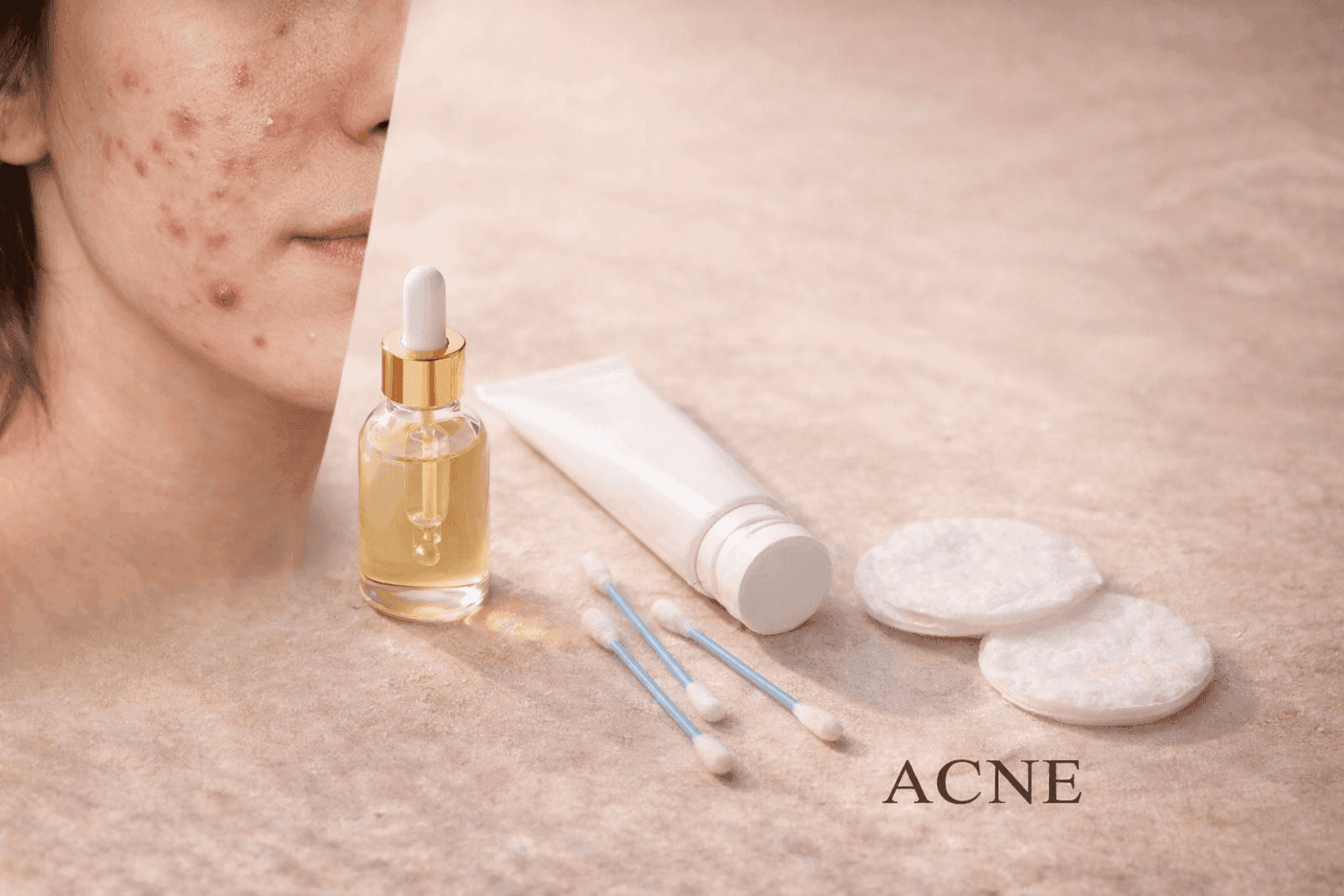
Dermal fillers can temporarily improve the appearance of certain types of acne scars by lifting depressed areas beneath the skin's surface. These injectable treatments work best for rolling or boxcar scars with soft edges, but they don't address shallow, narrow, or raised scars. Results are temporary and require maintenance.
Key Takeaways:
- Dermal fillers physically elevate depressed acne scars from underneath
- Most effective for rolling and some boxcar scar types with gradual edges
- Results typically last 6 to 18 months depending on the filler used
- Not suitable for ice pick scars or raised hypertrophic scars
- Works by adding volume rather than stimulating natural collagen production
- Best results often come from combining fillers with other scar treatments
What Happens Inside the Skin During Acne Scarring
When inflammatory acne lesions penetrate deep into the skin, they damage the surrounding collagen structure. The body attempts to repair this damage through wound healing, but the process doesn't always restore the original architecture. In atrophic scars, which account for most acne scarring, the healing response produces too little collagen, creating depressions or indentations in the skin's surface.
The dermal layer loses its structural integrity in these areas. Where healthy skin maintains a dense network of collagen fibers that support the epidermis above, scarred areas contain disorganized or insufficient collagen. This creates visible depressions that cast shadows and change how light reflects off your face.
Different inflammatory triggers affect scar formation. When cortisol levels remain elevated from chronic stress, wound healing slows and inflammation persists longer. Poor sleep quality impairs the skin's nighttime repair processes, when collagen synthesis typically peaks. These factors don't cause the initial scarring, but they influence how severely the skin heals after inflammatory acne resolves.
Understanding Different Acne Scar Types
Not all acne scars respond to the same treatments. The shape, depth, and edge characteristics determine which approach works best.
Rolling scars create wave-like indentations across the skin surface. These scars have gentle, sloping edges and result from fibrous bands that tether the dermis to deeper structures. The gradual transition from normal skin to depressed areas makes them good candidates for dermal fillers.
Boxcar scars appear as round or oval depressions with sharply defined vertical edges. They resemble chickenpox scars and vary in depth. Shallow to moderate boxcar scars with wider diameters may respond to filler injections, while very deep or narrow ones typically require different approaches.
Ice pick scars are narrow, deep pits that extend into the dermis. They look like small puncture wounds and have steep walls. These scars are too narrow and deep for fillers to effectively reach and elevate.
Hypertrophic and keloid scars rise above the skin surface due to excessive collagen production during healing. Fillers target volume loss beneath the skin, so they don't address raised scarring.
How Dermal Fillers Work for Acne Scars
Dermal fillers are injectable substances that add volume beneath the skin's surface. When injected directly under a depressed scar, they physically push the sunken area upward, bringing it closer to the level of surrounding skin. This mechanical lifting reduces the depth of the depression and makes the scar less visible.
The most commonly used fillers for acne scars contain hyaluronic acid, a substance naturally found in skin that attracts and holds water molecules. When injected, these fillers integrate into the tissue and create immediate volume. The skin above appears smoother as the depression fills from below.
Some practitioners use fillers made from poly-L-lactic acid or calcium hydroxylapatite for acne scars. These materials work differently by stimulating the body's own collagen production over several months while also providing immediate volume. The gradual collagen buildup can extend results beyond the filler's physical presence.
The injection technique matters significantly. Practitioners often use a threading method, depositing small amounts of filler in linear patterns beneath the scar. Multiple injection points may be necessary for larger scarred areas. The goal is even distribution that creates natural-looking elevation without obvious bumps or irregularities.
What to Expect During Treatment
A dermal filler appointment for acne scars typically takes 30 to 60 minutes. The practitioner first cleanses the treatment area and may apply a topical numbing cream to minimize discomfort, though many modern fillers contain lidocaine for built-in pain relief.
Using a fine needle or cannula, the practitioner injects small amounts of filler beneath individual scars or across broader scarred regions. You might feel pressure, pinching, or a stinging sensation during injection. The practitioner may massage the treated area afterward to ensure even distribution.
Immediately after treatment, you'll likely notice some swelling and possibly redness around injection sites. The treated areas may feel firm to the touch. These effects typically resolve within a few days, though some swelling can persist for up to two weeks.
Results appear immediately but improve over the following week as swelling subsides and the filler settles into place. The full effect becomes visible once all inflammation resolves and the material integrates with surrounding tissue.
How Long Results Last
Dermal fillers provide temporary improvement because your body gradually breaks down and absorbs the injected material. The duration depends on several factors.
Hyaluronic acid fillers typically last 6 to 12 months for acne scars. Your body's natural enzymes slowly degrade the hyaluronic acid molecules, and the volume gradually diminishes. Areas with more facial movement, like around the mouth, may metabolize fillers faster than relatively static areas like the temples.
Longer-lasting fillers made from poly-L-lactic acid or calcium hydroxylapatite can provide results for 12 to 18 months or longer. These materials stimulate collagen production that may persist even after the filler itself breaks down, though the volumizing effect still eventually fades.
Individual metabolism affects how quickly your body processes fillers. Faster metabolic rates, higher activity levels, and the specific scar location all influence longevity. Maintenance treatments are necessary to preserve results, with many people returning for touch-ups every 9 to 12 months.
Limitations and Considerations
Dermal fillers address volume loss but don't change the actual scar tissue structure. The underlying collagen damage remains, which is why results are temporary. Once the filler breaks down, the scar returns to its previous appearance unless you continue treatments.
The technique works best for specific scar types with certain characteristics. Scars need adequate width for filler placement. Very narrow scars don't provide enough space for the material to distribute evenly. Deep tethering that pulls skin downward may limit how much elevation fillers can provide.
Skin thickness and elasticity influence outcomes. Thinner skin may show irregularities or lumps more easily if filler isn't placed precisely. Older skin with reduced elasticity may not respond as smoothly to the added volume.
Multiple treatment sessions sometimes produce better results than trying to achieve maximum correction in one appointment. Gradual layering allows for more natural-looking improvement and reduces the risk of overfilling.
Combining Fillers with Other Treatments
Many dermatology practices recommend combining dermal fillers with complementary procedures for comprehensive scar improvement.
Laser resurfacing removes damaged outer skin layers and stimulates new collagen formation in deeper layers. When used before or after filler treatments, lasers can improve overall skin texture while fillers address specific depressed areas.
Microneedling creates controlled micro-injuries that trigger collagen production. The combination of induced collagen remodeling from microneedling and immediate volume from fillers can enhance overall results beyond either treatment alone.
Chemical peels exfoliate damaged surface skin and can reduce the appearance of shallow scarring and discoloration that often accompanies acne scars. Peels don't address deep volume loss but improve the surrounding skin quality.
Subcision is a minor surgical procedure where a needle breaks fibrous bands that tether scars downward. When combined with fillers, subcision releases the tethering while fillers provide the volume needed to maintain elevation.
The timing and sequence of combined treatments matter. Practitioners typically space procedures appropriately to allow healing between sessions and may recommend certain treatments before others based on your specific scar characteristics.
Common Side Effects and Risks
Most people experience mild, temporary side effects from dermal filler injections. Swelling, redness, and tenderness at injection sites typically resolve within a few days. Small bruises may appear, especially in areas with more blood vessels near the surface.
Firmness or small bumps under the skin sometimes occur if filler accumulates unevenly. These usually soften over time as the material integrates with tissue. Massage techniques can sometimes help distribute the filler more evenly if lumps persist.
More serious complications are rare but possible. Vascular occlusion occurs when filler accidentally enters a blood vessel, blocking blood flow to surrounding tissue. This medical emergency requires immediate treatment to prevent tissue damage. Choosing an experienced practitioner with detailed knowledge of facial anatomy significantly reduces this risk.
Infection at injection sites can occur if bacteria enter through the needle puncture. Proper sterilization techniques and post-treatment care minimize this risk. Signs of infection include increasing pain, warmth, redness, or pus at the injection site.
Allergic reactions to filler materials are uncommon, particularly with hyaluronic acid fillers that closely resemble substances naturally present in skin. Practitioners typically review your medical history and allergy profile before treatment.
Some people develop granulomas, small nodules that form as an immune response to the foreign material. These may require additional treatment to resolve.
Who Should Consider Dermal Fillers for Acne Scars
Dermal fillers work best for people with specific scar characteristics. Good candidates typically have rolling scars or broad, shallow boxcar scars that have soft, gradual edges. The scars should be wide enough to accommodate filler placement and not tethered too deeply by fibrous bands.
Your overall skin health and quality matter. Skin with reasonable thickness and elasticity responds better to volumizing treatments. Active acne should be controlled before considering filler treatments, as ongoing inflammation can affect results and increase complication risks.
Realistic expectations are essential. Fillers improve the appearance of depressed scars but don't eliminate them completely or permanently. Understanding that maintenance treatments are necessary helps you plan for long-term management.
People with certain medical conditions or who take specific medications may not be suitable candidates. Blood-thinning medications increase bruising risk, and some autoimmune conditions affect healing. A thorough medical consultation helps determine if filler treatments are appropriate for your situation.
What Happens Over Time
The improvement from dermal fillers gradually diminishes as your body metabolizes the injected material. The rate of breakdown varies between individuals and filler types.
As the filler breaks down, the volume beneath the scar decreases, and the depression slowly returns. This happens gradually rather than suddenly. Most people notice the effect fading over several months as the scar depression becomes more visible again.
Regular maintenance treatments can preserve results, but this requires ongoing commitment and expense. Some people find the temporary nature of fillers frustrating, while others appreciate the ability to adjust treatments over time as their skin changes.
Repeated filler treatments don't typically cause the skin to become dependent or worsen scarring when you stop. However, once treatments cease, scars return to their baseline appearance because the underlying structural deficit remains unchanged.
Some evidence suggests that certain collagen-stimulating fillers may provide modest lasting improvement beyond the filler's physical presence by encouraging new collagen formation. However, this effect is usually subtle and doesn't replace the need for maintenance treatments if you want to preserve the volumizing benefits.
Cost Considerations
Dermal filler treatments for acne scars represent a significant ongoing expense. Prices vary widely based on geographic location, practitioner experience, and the type and amount of filler used.
A single treatment session typically costs several hundred to over a thousand dollars, depending on how many syringes of filler you need. Extensive scarring requiring treatment of multiple areas increases costs accordingly.
Since results are temporary, you'll need repeated treatments to maintain improvement. Annual maintenance costs can add up substantially over time. When considering dermal fillers, factor in the long-term financial commitment rather than just the initial treatment cost.
Insurance rarely covers cosmetic procedures like dermal fillers for acne scars. You'll typically pay out of pocket for both initial and maintenance treatments.
Some people find that investing in treatments that provide longer-lasting or permanent improvement, such as certain laser procedures or surgical techniques, makes more financial sense over many years compared to ongoing temporary treatments. Others prefer the flexibility and reversibility that temporary fillers offer.
When to See a Dermatologist
If acne scars significantly affect your confidence or quality of life, consulting a dermatologist helps you understand your options. A professional evaluation can determine which scar types you have and whether dermal fillers are likely to help.
Dermatologists can assess whether your scars would respond better to alternative or complementary treatments. They consider factors like scar depth, edge characteristics, skin quality, and tethering that influence treatment selection.
If you're experiencing active acne alongside scarring, addressing the active breakouts first prevents new scars from forming while you treat existing ones. Dermatologists can recommend appropriate acne management strategies before pursuing scar treatments.
Choosing an experienced, qualified practitioner matters significantly for safety and results. Board-certified dermatologists or plastic surgeons with specific training in injectable treatments and detailed knowledge of facial anatomy provide the safest approach.
If you develop complications after filler treatment, such as severe swelling, persistent pain, skin color changes, or signs of infection, seek immediate medical attention. Early intervention can prevent serious complications.
Understanding Internal Triggers: Clear Ritual's Perspective
While dermal fillers can temporarily improve acne scar appearance, the formation of severe scarring often connects to deeper patterns of inflammation and healing responses. Multiple internal factors influence how your skin heals after inflammatory acne, including hormone fluctuations, immune system activity, chronic stress responses, sleep quality, and nutritional status. Topical treatments and injectable procedures address the visible outcome but don't identify why some people develop severe scarring while others heal with minimal marks. At Clear Ritual, we combine the best of three worlds - Ayurveda, modern dermatology, and advanced skin science - to understand individual triggers through a structured skin assessment. This approach helps identify patterns in inflammation, healing capacity, and skin barrier function that influence both active acne and subsequent scar formation. Understanding your specific internal triggers provides a foundation for supporting healthier skin responses long-term, which may influence future healing and overall skin stability.
Frequently Asked Questions
Can dermal fillers completely remove acne scars?
No, dermal fillers don't remove scars but rather make them less visible by adding volume beneath depressed areas. They provide temporary improvement by lifting the scar closer to the surrounding skin level. The underlying scar tissue remains, which is why results fade as your body breaks down the filler over time.
How many filler treatments do I need for acne scars?
Most people see improvement after one treatment session, but optimal results sometimes require multiple sessions spaced several weeks apart. Maintenance treatments every 6 to 18 months are necessary to preserve results since fillers are temporary. The exact number depends on your scar severity, type, and individual response.
Do dermal fillers hurt when injected for acne scars?
Most people experience mild discomfort during injection, described as pressure, pinching, or stinging. Many modern fillers contain lidocaine for numbing, and practitioners often apply topical anesthetic before treatment. The procedure is generally well-tolerated, though pain sensitivity varies between individuals.
Can fillers work on old acne scars?
Yes, dermal fillers can improve the appearance of old acne scars as long as the scar type is appropriate. Scar age doesn't typically affect whether fillers will work. Rolling scars and some boxcar scars respond to fillers regardless of how long they've been present, though older, more established scars may have more fibrosis that limits elevation.
What's the difference between filler and laser treatment for acne scars?
Dermal fillers add volume beneath depressed scars to lift them, providing immediate but temporary results. Lasers work by removing damaged skin layers and stimulating new collagen production, which gradually improves texture and may provide longer-lasting results. Many practitioners recommend combining both approaches for comprehensive improvement.
Are there permanent fillers for acne scars?
Some semi-permanent and permanent fillers exist, but dermatologists generally don't recommend them for acne scars due to higher complication risks. Permanent materials can't be dissolved if problems occur, may migrate over time, and can create lumps or irregularities that become more visible as your face naturally changes with age. Temporary fillers offer safer, more adjustable options.
Can I get fillers if I still have active acne?
Most practitioners recommend controlling active acne before filler treatments for scars. Ongoing inflammation increases infection risk and may affect how well the filler integrates with tissue. Treating active breakouts first also prevents new scars from forming while you address existing ones.
How soon can I wear makeup after filler injections?
Most practitioners recommend waiting at least 24 hours before applying makeup to injection sites, allowing the puncture wounds to close and reducing infection risk. Some suggest waiting until all swelling and redness resolve for the most comfortable application. Always use clean brushes and products to minimize contamination risk.
Editorial Standards
Clear Ritual has Strict sourcing guidelines to ensure our content is accurate and current. We rely on peer-reviewed studies, academic research institutions, and medical associations. We strive to use primary sources and refrain from using tertiary references. See a mistake? Learn More about our Editorial Standards.



