




The Ultimate Blackhead Removal Routine (Dermatologist-Designed)
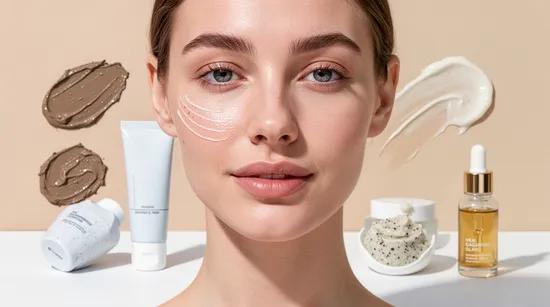
Introduction — The Truth About Blackheads and Why They Keep Coming Back
You wash, scrub, and squeeze… but those tiny dark dots always return. blackheads, also known as open comedones, form when excess oil (sebum), dead skin cells, and bacteria clog your pores. The black color appears when the trapped sebum oxidizes upon exposure to air.
Despite countless DIY hacks, blackheads often come back due to one or more causes: excess oil production, improper cleansing, or overuse of harsh products that disrupt your skin barrier.
A dermatologist-designed blackhead removal routine focuses on prevention as much as removal — balancing cleansing, exfoliation, hydration, and repair for long-term skin clarity. By the end of this guide, you’ll know exactly what steps and ingredients to use (and what to avoid) for clearer, smoother skin.
Step 1 — Deep But Gentle Cleansing (Removing Surface Impurities)
Cleansing is the foundation of every good blackhead removal routine. The goal? Remove oil and dirt without stripping your skin. A pH-balanced, sulfate-free cleanser helps maintain your natural barrier while preventing pore congestion.
Dermatologist-Recommended Ingredients:
-
Salicylic acid (BHA): Unclogs pores and dissolves excess sebum.
-
Zinc PCA: Balances oil production.
-
Tea tree oil: Offers antibacterial benefits.
-
PHA (Gluconolactone): Gentle exfoliation for sensitive skin.
Tip: Avoid foaming cleansers with strong sulfates — they may dry out your skin and cause rebound oiliness.
| Skin Type | Best Cleanser Type | Key Ingredients | Frequency |
|---|---|---|---|
| Oily / Acne-Prone | Gel Cleanser | Salicylic Acid, Zinc PCA | Twice Daily |
| Dry / Sensitive | Cream Cleanser | PHA, Ceramides | 1–2x Daily |
Step 2 — Exfoliation That Works (Without Damaging Your Skin Barrier)
Exfoliation is where most people go wrong. Physical scrubs can cause micro-tears, while chemical exfoliants dissolve debris gently within the pores.
Why Chemical Exfoliation Wins:
-
BHAs (Salicylic Acid): Oil-soluble, penetrates deep into pores.
-
AHAs (Lactic Acid): Gently remove dead skin on the surface.
-
AHA + BHA Combo: Ideal for stubborn blackheads.
Frequency: 2–3 times per week.
Common Exfoliation Mistakes to Avoid:
-
Over-exfoliating (leads to irritation)
-
Mixing strong actives (like retinoids + acids)
-
Skipping moisturizer after exfoliation
Step 3 — Steam or Warm Compress for Pore Prep (Optional but Effective)
Steaming is an optional but effective prep step before blackhead extraction. It softens the keratin plug inside pores, making removal easier.
How to Steam Safely:
-
Limit to 5–7 minutes.
-
Keep face 15–20 cm away from the steam.
-
Pat skin dry gently afterward.
Avoid squeezing with your nails — instead, use a clean comedone extractor or cotton swabs, or let professionals handle stubborn spots.
Step 4 — Safe Extraction: Do It the Right Way
Extraction should be done cautiously — or by a professional. Incorrect pressure or technique can lead to scarring or enlarged pores.
| Method | Pros | Cons | Best For |
|---|---|---|---|
| DIY | Quick and cost-effective | Risk of irritation or scarring | Small, visible blackheads |
| Professional | Safe, sterile, and highly effective | More expensive | Deep, stubborn blackheads |
Dermatologist Tip:
“If it doesn’t come out easily, it’s not ready — forcing it can damage the skin.”
Step 5 — Targeted Treatments: Clearing and Preventing New Blackheads
Post-cleansing, the right actives help prevent blackheads from reforming. Focus on ingredients that regulate oil and cell turnover.
Key Ingredients:
-
Retinoids (Adapalene, Tretinoin): Normalize skin cell renewal.
-
Niacinamide: Calms inflammation and reduces oiliness.
-
Clay Masks (Kaolin, Bentonite): Absorb impurities weekly.
Layering Order: Cleanse → Exfoliate → Treat → Moisturize
Dermatologist Insight:
“Consistent retinoid use can reduce blackheads by 60–70% in 8 weeks.”
Step 6 — Hydration & Barrier Repair (The Secret to Long-Term Results)
Hydration is often underestimated in blackhead care. Dehydrated skin produces more oil to compensate, worsening congestion.
Choose Non-Comedogenic Moisturizers With:
-
Hyaluronic acid (locks in moisture)
-
Ceramides (repairs barrier)
-
Squalane (balances oil levels)
Recommended Brands: CeraVe, La Roche-Posay, COSRX. Always look for “oil-free” and “non-comedogenic” on labels.
Step 7 — Maintenance & Prevention: Keeping Pores Clear
Consistency is key. Here’s how to maintain your results:
Daily: Cleanse, treat, and hydrate Weekly: Clay mask or gentle exfoliant Monthly: Professional facial or dermatologist review
Avoid These Pore-Clogging Habits:
-
Sleeping with makeup on
-
Using heavy facial oils
-
Ignoring sunscreen
Lifestyle Tweaks for Clearer Skin:
-
Eat less sugar and dairy
-
Change pillowcases weekly
-
Clean phone screens regularly
Blackhead Removal Mistakes to Avoid
| Mistake | Why It’s Harmful |
|---|---|
| Over-cleansing | Damages the skin barrier and triggers oil rebound |
| Harsh scrubs | Cause microtears and inflammation |
| Skipping moisturizer | Leads to dehydration and increased oil production |
| Aggressive squeezing | Can cause scarring or enlarged pores |
| Skipping SPF | UV exposure worsens clogged pores and uneven texture |
Dermatologist-Approved Blackhead Removal Routine (At-a-Glance)
| Step | Product Type | Key Ingredient | Frequency | Purpose |
|---|---|---|---|---|
| 1 | Cleanser | Salicylic Acid | Daily | Removes oil & dirt |
| 2 | Exfoliant | BHA | 2–3x/week | Clears pores |
| 3 | Steam | Water | 1x/week | Softens sebum |
| 4 | Extraction | Comedone Tool | As needed | Removes plugs |
| 5 | Treatment | Retinoid | Nightly | Prevents new blackheads |
| 6 | Moisturizer | Ceramides | Daily | Repairs barrier |
| 7 | SPF | Zinc/Titanium | Daily | Prevents UV-induced damage |
FAQs About Blackhead Removal
1. Are blackhead removal strips safe? They can temporarily remove surface debris but don’t treat the root cause. Overuse may irritate skin.
2. Can I get rid of blackheads overnight? No — sustainable results come from consistent exfoliation and oil control.
3. Do blackheads go away on their own? Mild ones may, but most need active treatment with BHAs or retinoids.
4. Can diet affect blackheads? Yes. Diets high in sugar and dairy can trigger excess oil production and inflammation.
5. Is it safe to use salicylic acid and retinol together? Yes, if used on alternate nights. Using both daily can cause irritation.
6. What’s the best blackhead removal routine for sensitive skin? Use PHAs instead of BHAs, focus on hydration, and avoid harsh scrubs or peels.
Conclusion
Blackhead-free skin isn’t about squeezing or stripping — it’s about balance. A consistent, dermatologist-designed skincare routine that focuses on gentle cleansing, chemical exfoliation, hydration, and barrier care can transform your skin long-term.
Ready to start your dermatologist-approved skincare routine? Build a simple plan with proven ingredients and stay consistent — your pores will thank you.
Editorial Standards
Clear Ritual has Strict sourcing guidelines to ensure our content is accurate and current. We rely on peer-reviewed studies, academic research institutions, and medical associations. We strive to use primary sources and refrain from using tertiary references. See a mistake? Learn More about our Editorial Standards.



