




How to Get Rid of Whiteheads on the Face Safely
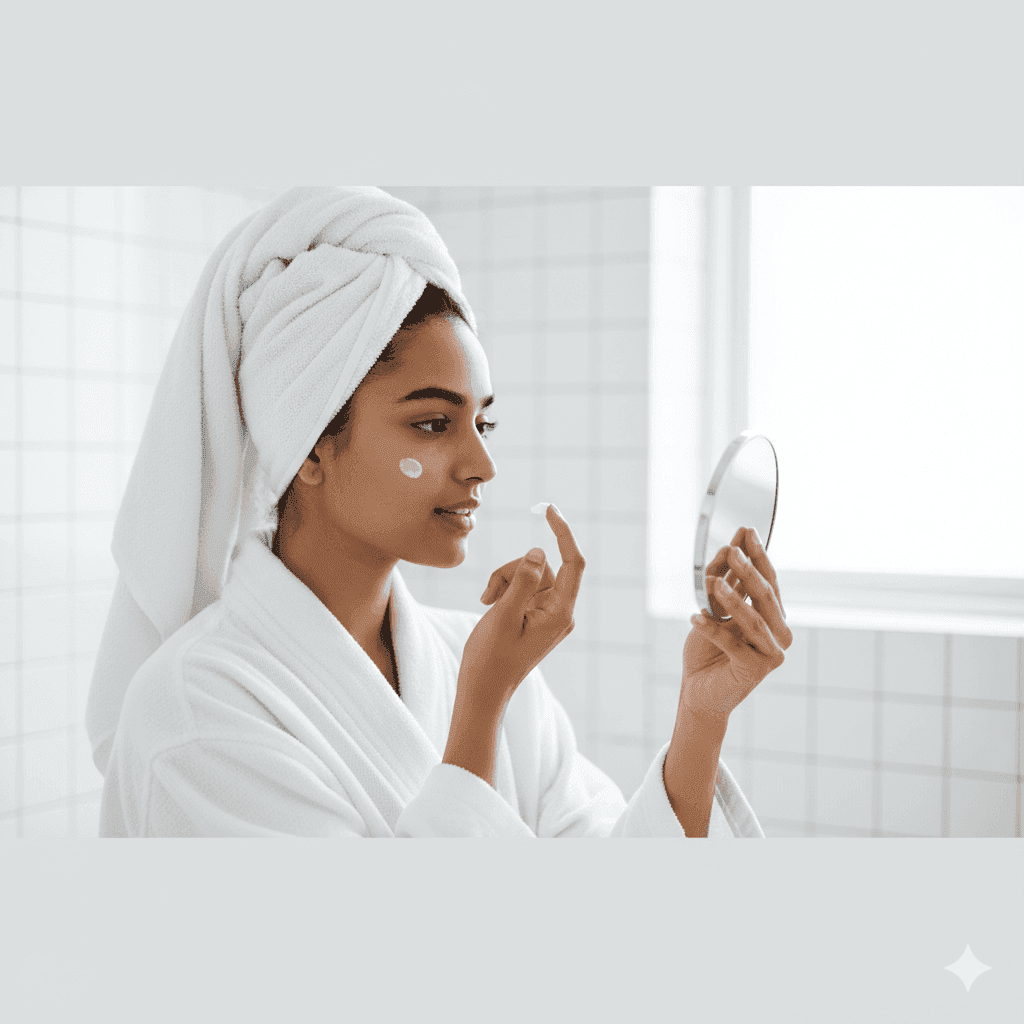
whiteheads on the face can be frustrating—especially when they don’t hurt, don’t pop, and don’t seem to go away.
Many people try to scrub them off or dry them out, only to find their skin becoming more irritated over time.
The safest way to get rid of whiteheads is not through force, but through gentle, consistent care that keeps pores clear
while protecting the skin barrier.
Why safety matters when treating whiteheads
Whiteheads are closed comedones, meaning the pore opening is sealed.
Aggressive methods like squeezing, scrubbing, or harsh products can push debris deeper into the skin,
damage the barrier, and increase the risk of marks or recurring breakouts.
Safe treatment focuses on helping the skin clear blockages naturally over time.
Step 1: Cleanse gently, not aggressively
Cleansing removes excess oil and surface debris—but over-cleansing can backfire.
- Wash your face no more than twice a day
- Use a mild, low-foam cleanser
- Avoid “squeaky clean” or drying formulas
Stripping the skin can trigger more oil production, which worsens whiteheads.
Step 2: Use gentle exfoliation to unclog pores
Whiteheads form when dead skin cells don’t shed evenly.
Gentle chemical exfoliation helps loosen this buildup inside pores.
- Look for ingredients like salicylic acid (BHA)
- Limit use to 2–3 times per week
- Avoid physical scrubs, especially on textured areas
Slow, controlled exfoliation is safer and more effective than daily scrubbing.
Step 3: Moisturise—even if your skin is oily
Skipping moisturiser can worsen whiteheads by weakening the skin barrier.
A lightweight moisturiser helps:
- Reduce excess oil production
- Support skin repair
- Improve tolerance to exfoliation
Gel or lotion textures usually suit whitehead-prone facial skin better.
Step 4: Protect your skin from the sun
Sun exposure can thicken the outer layer of the skin over time,
making pores easier to clog.
- Use a lightweight, non-greasy sunscreen daily
- Choose textures suitable for humid or sweaty conditions
Consistent sun protection supports smoother skin texture in the long run.
Step 5: Avoid habits that worsen whiteheads
- Picking or squeezing bumps
- Over-exfoliating or layering too many actives
- Using thick, occlusive creams on the face
- Not removing sunscreen or makeup properly
These habits often prolong whiteheads instead of clearing them.
How long does it take to see improvement?
Whiteheads sit under the skin and resolve slowly.
With a safe, consistent routine, many people notice smoother texture in 4–8 weeks.
Reacting to every new bump or changing products too often can delay results.
When to see a dermatologist
Consider professional advice if:
- Whiteheads persist after 8 weeks of consistent care
- They frequently turn into inflamed acne
- You notice strong hormonal patterns (jawline breakouts, cycle-related flares)
A dermatologist may recommend prescription treatments if needed.
Key takeaway
Getting rid of whiteheads safely is about patience and balance.
Gentle cleansing, controlled exfoliation, barrier support, and sun protection
work together to clear pores without harming the skin.
When skin feels calm and supported, whiteheads are far less likely to stick around.
Editorial Standards
Clear Ritual has Strict sourcing guidelines to ensure our content is accurate and current. We rely on peer-reviewed studies, academic research institutions, and medical associations. We strive to use primary sources and refrain from using tertiary references. See a mistake? Learn More about our Editorial Standards.



