




HydraFacial for Blackheads: Get Clearer Pores Instantly
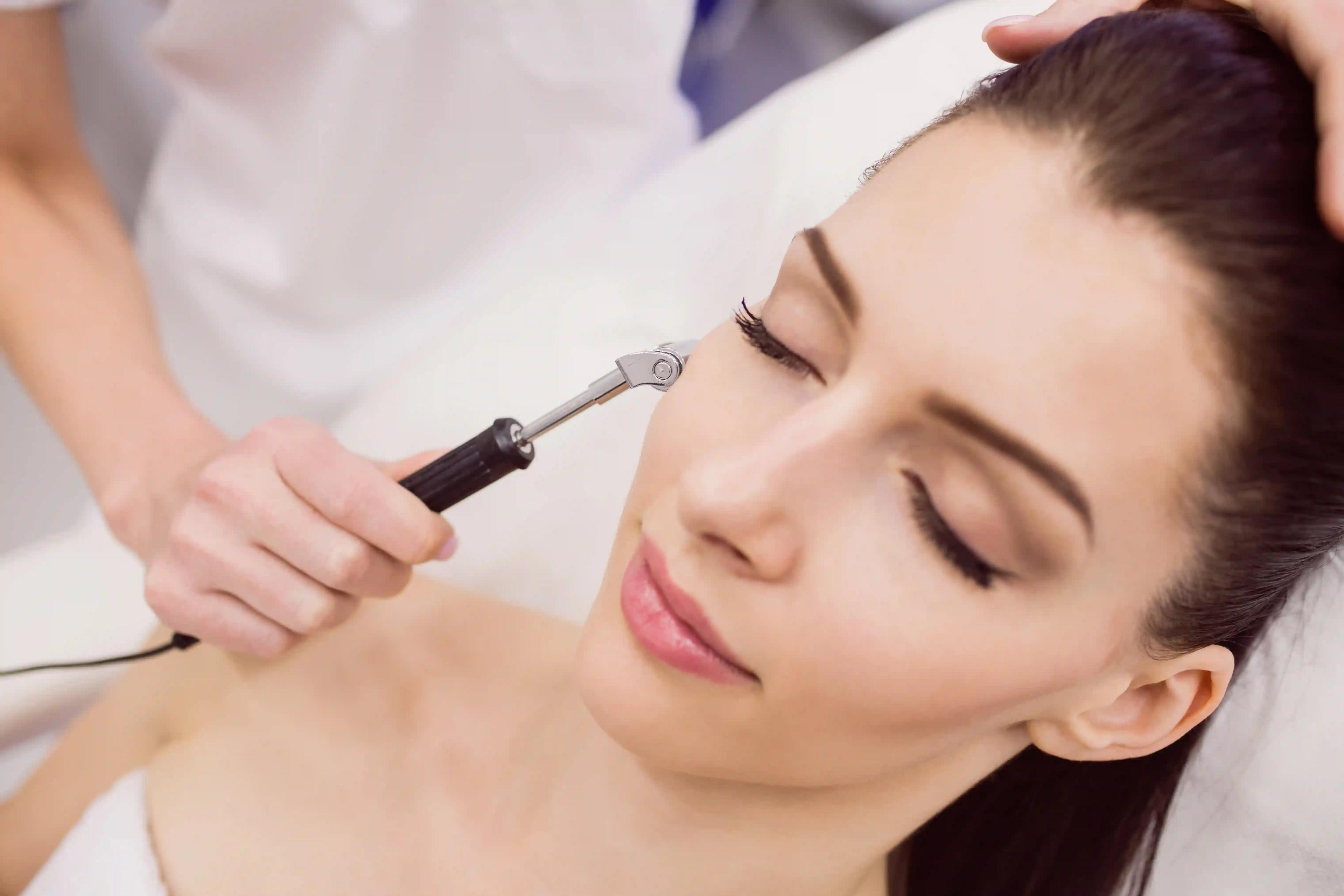
Hydrafacial is a non-invasive skin treatment that removes blackheads and unclogs pores. This treatment uses vacuum suction equipment, along with a superficial chemical peel and an extraction method, to provide clear skin. This skin treatment unclogs pores, improves skin texture, and regulates sebum oil production. Hydrafacial has no downtime, and its results may last 4 to 6 weeks, depending on skin type.
For ages, people have believed that if they want to remove blackheads and have clear skin, enduring a painful extraction process is the only option. While that may have been true in the past, hydrafacial treatment changes the entire narrative now. As an effortless skin treatment, hydrafacial uses topical methods to clean, exfoliate, and hydrate the skin. If you want clear skin without much discomfort, here’s everything you need to know about hydrafacial treatment for blackheads.
What Is Hydrafacial?
Hydrafacial is a non-invasive skin treatment that cleanses, exfoliates, extracts impurities, and hydrates the skin. This treatment was usually used in dermatology offices and medical spas rather than regular salons, but now it’s been offered at reputable spas. It removes surface-level, mild-to-moderate, and fresh blackheads. Hydrafacial treatment is suitable for all skin types, including oily, dry, sensitive, and combination skin.
What Is a Blackhead?
Blackheads are a common type of acne that commonly appear on the T-zone. When your hair follicles are clogged with excess oil, dirt, bacteria, and dead skin cells, this can cause a breakout. Blackheads are also known as open comedones, as they remain open on the surface. The open area makes inflamed acne oxidise and turn black, causing blackheads.
How Hydrafacial Removes Blackheads?
Unlike the traditional blackhead removal method, the hydrafacial is a painless procedure that targets and removes the blackhead effortlessly. The three main stages this procedure involves are:
- Clean & exfoliate: Hydrafacial removes dirt, excess oil, and dead skin, leaving you with smoother, more refreshed skin.
- Acid peel: Unlike traditional exfoliating methods, a hydrafacial uses salicylic and glycolic acid to loosen dirt from your skin’s pores without irritation or discomfort.
- Extract & hydrate: The painless suction device unclogs your pores. Once the pores are cleared, it uses hyaluronic acid to nourish your skin.
Hydrafacial Blackheads vs. Traditional Blackheads Treatment
The traditional blackhead method has been used for ages to unclog pores and improve skin texture. With time, we now also have a painless solution like Hydrafacial. Here’s a detailed guide on the differences between hydrafacial and traditional blackhead treatment you must know.
| Feature | Hydrafacial Blackhead Treatment | Traditional Blackheads Treatment |
|---|---|---|
| Treatment Method | Vacuum suction equipment and serum are used to clean, exfoliate, and hydrate | Uses blackhead remover tool, scrubs and pore strips |
| Comfort Level | It is a non-invasive, painless treatment | The blackhead extraction tool can cause pain and discomfort if used incorrectly |
| Side effects | It may cause irritation if you have extremely sensitive skin | It may cause redness, irritation and mild skin damage |
| Result | You see the immediate result after the treatment | It may take a day or a few to see the result once the side effects subside |
| Treatment Setting | Performed by certified specialists in a medical spa or clinical setting | Commonly performed in general salons or as part of a home-care routine |
Do’s & Don’ts Post-hydrafacial Treatment for Blackheads
The next two days after the hydrafacial treatment are crucial, even though it doesn’t have any side effects. Here are some dos and don’ts you need to follow once the treatment is done.
Do’s
- Use a chemical-free moisturiser
- Apply sun protection cream
- Drink plenty of water
- Stay in a cool environment
Don’t
- Avoid applying makeup
- Don’t use harsh chemical products
- Don’t scrub or exfoliate your skin
- Don’t pick or scratch the treated area
Clear Ritual’s Perspective On Hydrafacial Blackhead
While blackheads are caused by clogged pores with dead skin, dirt, and excessive sebum oil, they may also be triggered by internal shifts in your body. For instance, if you have high stress levels, it can increase cortisol secretion. This indirectly encourages the sebaceous gland to develop more sebum oil, resulting in clogged pores. Clear Ritual helps you identify the root cause of your acne breakouts and the related skin issues. All you need to do is take a quick Clear Ritual Skin Test. Learning about the internal triggers will help you regulate your skin problem using the right treatment.
It feels good to achieve your skin goal with the right skincare treatment. If you are dealing with recurring blackheads and looking for a painless solution, hydrafacial treatment is the best choice. Since Hydrafacial has no downtime, you can achieve your desired skin goal immediately after the treatment. You may need a few more sessions if you have oily skin, as the oily skin is likely to cause more acne-related skin problems.
Frequently Asked Questions
What is the best facial for blackheads?
There are several best facial treatments for blackheads, such as hydrafacial, deep cleansing through an extraction tool, and chemical peeling treatment. These all work effectively to loosen the dirt of blocked pores and remove the blackheads.
How many Hydrafacials to remove blackheads?
A single hydrafacial session gives you a visible result of blackhead reduction and rejuvenated skin. But, a series of 3 to 6 hydrafacial sessions is still recommended every 4 to 6 weeks to have clear skin.
How to 100% get rid of blackheads?
To remove 100% blackheads, the first thing you need to do is add salicylic acid-based products into your skincare routine. Salicylic acid, which is also known as BHA, reduces oil, dead skin, and dirt from clogged pores.
What are the side effects of a Hydrafacial for blackheads?
While a hydrafacial is a painless blackhead removal treatment, it can still cause certain side effects, such as mild redness and skin irritation. This usually happens when you have highly sensitive skin.
How long will HydraFacial results last for blackheads?
The hydrafacial result usually lasts for 4 to 6 weeks, depending on your skin type. Oily skin type is likely to cause blackheads earlier than the given time. In some cases, your skincare routine also decides the longevity of your hydrafacial results.
What are the benefits of a Hydrafacial for blackheads?
Hydrafacial treatment minimises the pores, improves skin texture, controls oil production, and nourishes the skin, providing enough hydration. This is also a non-surgical skin cleaning treatment that manages your skin issues, giving minimal or no pain.
What’s the cost for a Hydrafacial treatment for blackheads?
Since every individual has a different skin type, the cost ranges from ₹3000 to ₹6000 per session. It can range from ₹5000 to ₹15000 per session in case of advanced facial treatment.
Reference Links
Editorial Standards
Clear Ritual has Strict sourcing guidelines to ensure our content is accurate and current. We rely on peer-reviewed studies, academic research institutions, and medical associations. We strive to use primary sources and refrain from using tertiary references. See a mistake? Learn More about our Editorial Standards.



