Ingredients That Can Worsen Fungal Acne
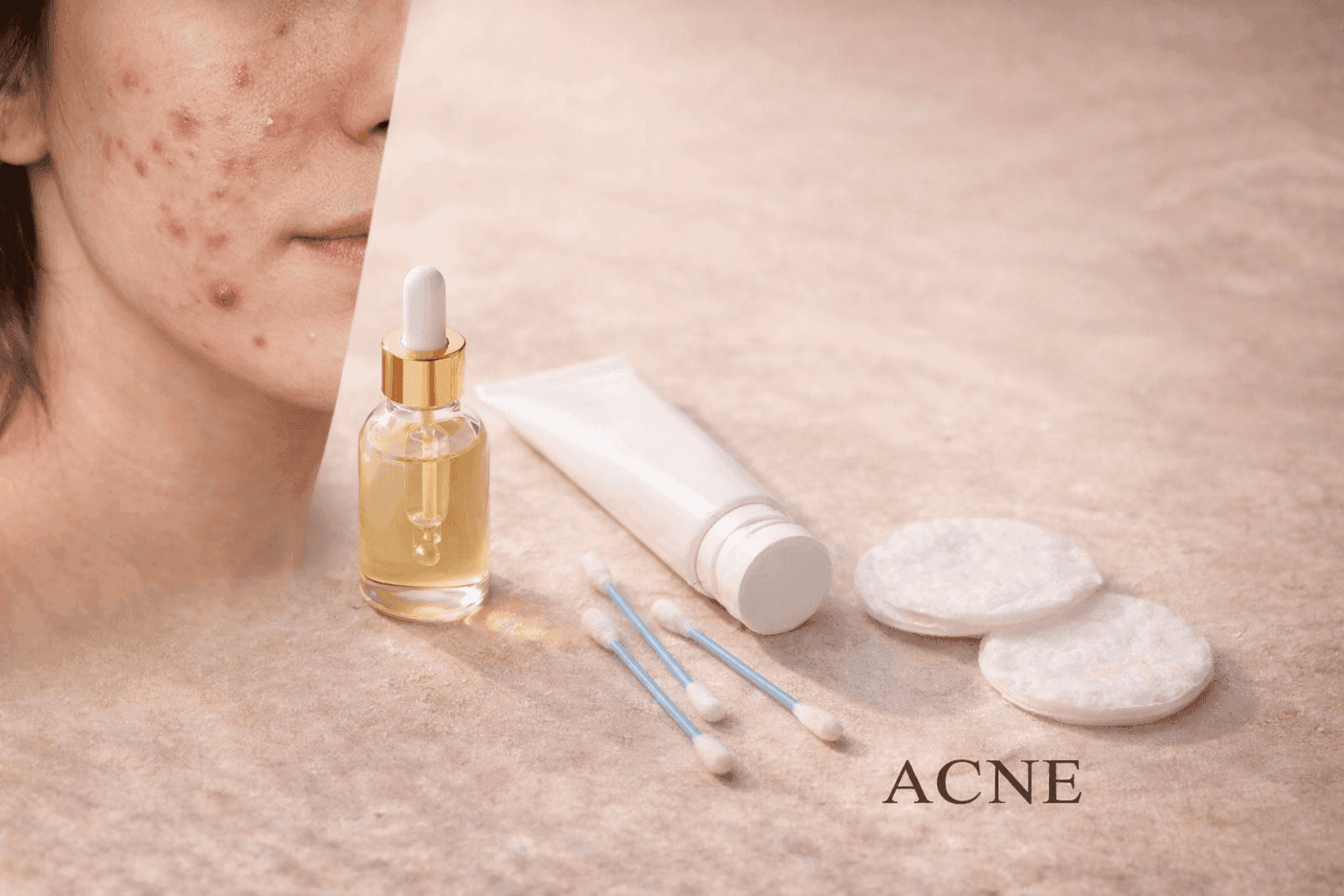
If you've been treating breakouts with your usual acne products but notice they're getting worse or spreading in small, uniform bumps across your forehead, chest, or back, you might be dealing with fungal acne. Unlike bacterial acne, fungal acne thrives when certain skincare and cosmetic ingredients feed the yeast naturally present on your skin, creating an environment where it multiplies rapidly and triggers inflammation.
Key Takeaways:
- Fungal acne is caused by an overgrowth of Malassezia yeast, not bacteria
- Many common skincare ingredients feed this yeast and worsen the condition
- Oils, esters, polysorbates, and fermented ingredients are common triggers
- Heavy occlusives trap heat and moisture, creating ideal conditions for yeast growth
- Identifying and avoiding these ingredients helps restore skin microbiome balance
What Makes Fungal Acne Different
Fungal acne, clinically known as Malassezia folliculitis, occurs when yeast that normally lives on your skin overgrows inside hair follicles. This creates clusters of small, itchy, uniform bumps that look similar to bacterial acne but don't respond to typical acne treatments. In fact, some acne treatments can make fungal acne significantly worse.
The Malassezia yeast feeds on specific types of lipids and fatty acids. When you apply skincare products containing these ingredients, you're essentially providing fuel for yeast proliferation. The yeast breaks down these lipids, producing inflammatory byproducts that irritate the follicle lining and trigger an immune response that appears as bumps on your skin.
How Ingredients Feed Yeast Growth
Malassezia has specific nutritional requirements. It cannot synthesize its own fatty acids, so it relies entirely on external sources. When you apply products containing certain chain-length fatty acids and oils, the yeast secretes lipase enzymes that break down these compounds into usable fragments. This process not only feeds the yeast but also releases inflammatory fatty acids that damage the follicle wall and surrounding tissue.
Your skin's natural sebum production already provides some nutrition for Malassezia, which is why fungal acne commonly appears in areas with high sebaceous activity like the forehead, chest, and upper back. When you layer additional yeast-feeding ingredients through skincare products, you amplify this effect. Hot, humid weather worsens the situation by increasing sweat production and creating an occlusive environment that traps moisture against the skin, raising surface temperature and humidity levels that favor yeast multiplication.
Oils and Fatty Acids That Trigger Overgrowth
Most plant-based oils contain fatty acid chains that Malassezia metabolizes efficiently. The problematic chain lengths are primarily C11 to C24, which includes the majority of fatty acids found in skincare oils.
| Ingredient Type | Common Examples | Why They're Problematic |
|---|---|---|
| Plant Oils | Coconut oil, olive oil, sunflower oil, argan oil | Contain C12-C18 fatty acids yeast metabolizes |
| Fatty Alcohols | Cetyl alcohol, stearyl alcohol, cetearyl alcohol | Break down into fatty acids yeast can use |
| Fatty Acids | Lauric acid, myristic acid, palmitic acid, oleic acid | Direct food source for Malassezia |
Coconut oil deserves special mention because it's extremely high in lauric acid, a C12 fatty acid that Malassezia feeds on particularly well. Many people use coconut oil as a natural moisturizer or makeup remover without realizing it can trigger or worsen fungal acne within days of application.
Olive oil and many facial oils marketed for dry or sensitive skin contain oleic acid, another preferred food source for this yeast. Even oils considered comedogenic-safe for bacterial acne can be highly problematic for fungal acne because the mechanism is entirely different.
Esters and Their Hidden Impact
Esters are compounds formed when fatty acids combine with alcohols. They appear frequently in skincare formulations as emollients, texture enhancers, and penetration boosters. Unfortunately, many esters can be broken down by enzymes on your skin or by Malassezia itself into their component fatty acids.
Common problematic esters include:
- Isopropyl myristate
- Isopropyl palmitate
- Ethylhexyl palmitate
- Glyceryl stearate
- Sorbitan oleate
These ingredients often appear in foundations, sunscreens, and moisturizers because they create a smooth, silky texture and help products spread easily. When you have fungal acne, however, the yeast can utilize the fatty acid portion of these molecules for growth. Additionally, some esters are occlusive, meaning they form a barrier on the skin surface that traps heat and moisture underneath, creating the warm, humid microenvironment where Malassezia thrives.
Polysorbates and Emulsifiers
Polysorbates are emulsifying agents that help mix oil and water-based ingredients in skincare formulations. They're derived from fatty acids, typically oleic acid or stearic acid, combined with sorbitol and ethylene oxide.
The most common polysorbates in skincare are:
- Polysorbate 20
- Polysorbate 40
- Polysorbate 60
- Polysorbate 80
While polysorbates themselves may not directly feed Malassezia, they can be broken down on the skin surface into fatty acid components that do. They also enhance penetration of other ingredients, potentially driving yeast-feeding compounds deeper into follicles where Malassezia resides.
Fermented Ingredients and Yeast Extracts
The rise of K-beauty and fermented skincare has introduced many products containing fermented extracts and yeast derivatives. While these ingredients offer benefits for many skin types, they can be problematic for fungal acne-prone skin.
Fermented ingredients that may trigger issues include:
- Galactomyces ferment filtrate
- Saccharomyces ferment
- Bifida ferment lysate
- Rice ferment filtrate
These ingredients don't necessarily feed Malassezia directly, but they can trigger cross-reactivity in skin already sensitized to yeast overgrowth. Your immune system may react to these fermented components similarly to how it responds to Malassezia overgrowth, perpetuating inflammation even if the yeast population is controlled.
Heavy Occlusives and Barrier Repair Ingredients
Occlusive ingredients create a physical barrier on the skin surface to prevent water loss. While this helps with dry skin and barrier repair, it also traps heat, sweat, and sebum against the skin. This sealed environment raises the local humidity and temperature inside hair follicles, creating ideal growing conditions for Malassezia.
| Occlusive Type | Examples | Impact on Fungal Acne |
|---|---|---|
| Heavy Waxes | Beeswax, candelilla wax | Trap heat and moisture at skin surface |
| Thick Butters | Shea butter, cocoa butter | Contain fatty acids and create occlusion |
| Petrolatum Products | Petroleum jelly, mineral oil blends | Prevent evaporation and air circulation |
Shea butter and cocoa butter are particularly problematic because they combine occlusive properties with high concentrations of fatty acids like stearic acid and oleic acid. Even though they're natural and beneficial for dry skin, they create a double problem for fungal acne by both feeding the yeast and trapping moisture.
Thickeners and Texture Modifiers
Many skincare products use thickening agents to create luxurious textures. Some of these compounds are derived from or contain fatty acid chains that Malassezia can metabolize.
Problematic thickeners include:
- Xanthan gum
- Carbomer (typically safe)
- Acrylates copolymers (typically safe)
- Stearic acid (problematic)
- Palmitic acid (problematic)
The distinction is important. Not all thickeners worsen fungal acne, but those derived from or combined with fatty acids do. Reading ingredient lists carefully helps you identify which formulations are safe.
What Happens During Application
When you apply a product containing yeast-feeding ingredients to fungal acne-prone skin, several processes unfold simultaneously. The yeast population increases within hours as Malassezia metabolizes available lipids. As the yeast multiplies, it produces more lipase enzymes that break down triglycerides and fatty acids into smaller inflammatory compounds.
These metabolic byproducts irritate the follicle lining, triggering your immune system to send inflammatory cells to the area. This immune response causes the redness, swelling, and itching associated with fungal acne. The inflammation can damage the follicle wall, allowing yeast and inflammatory mediators to leak into surrounding tissue, which explains why fungal acne can spread rapidly when triggered.
If you continue using problematic products, the cycle intensifies. More yeast means more enzyme production, more lipid breakdown, and stronger inflammatory signals. The bumps multiply and may develop into pustules as your immune system attempts to contain the overgrowth.
Reading Labels Effectively
Ingredient lists are ordered by concentration, with the highest amounts listed first. However, even small amounts of yeast-feeding ingredients can be problematic if you're already dealing with overgrowth.
Focus on the first 10 to 15 ingredients, as these make up the bulk of the formulation. Pay special attention to emollients, moisturizing agents, and oils in this section. If you see multiple problematic ingredients even lower on the list, their combined effect may still trigger issues.
Some ingredients have multiple names. Cetearyl alcohol may also appear as a combination of cetyl alcohol(https://clearritual.com/ingredients/cetyl-alcohol) and stearyl alcohol. Glyceryl stearate might be listed as glycerol monostearate. Familiarizing yourself with common variations helps you spot problematic compounds regardless of naming conventions.
Products That Commonly Contain Triggers
Certain product categories tend to contain higher concentrations of yeast-feeding ingredients due to their formulation requirements.
Moisturizers designed for dry skin almost always contain plant oils, fatty alcohols, or esters to provide emollient properties. Night creams are particularly heavy in occlusives to prevent overnight water loss. Cleansing balms and makeup removers typically use plant oils or fatty acid-based surfactants to dissolve makeup and sunscreen.
Sunscreens present a particular challenge because many chemical and physical formulations use esters to improve texture and spreadability. Foundation and BB creams often contain similar ingredients to help them glide smoothly and blend seamlessly.
Hair care products also matter. Conditioners, leave-in treatments, and hair oils that touch your forehead, temples, or back can transfer yeast-feeding ingredients to your skin. If you have fungal acne in these areas, consider whether hair products might be contributing.
Safe Alternatives That Support Skin Health
Several ingredients effectively moisturize and protect skin without feeding Malassezia. Squalane, particularly when derived from sugarcane or olives and fully hydrogenated, doesn't contain the fatty acid chains yeast can metabolize. It absorbs quickly, provides excellent emolliency, and supports barrier function without occlusion.
Mineral oil and petrolatum, despite their occlusive nature, don't feed yeast because they're composed of hydrocarbons rather than fatty acids. Used in thin layers, they can protect skin without creating excessive occlusion. However, heavy application in hot, humid conditions may still trap too much moisture.
Hyaluronic acid and glycerin are humectants that draw water into the skin without providing nutrition for yeast. They work differently than oils and butters, hydrating by attracting moisture rather than preventing its loss.
Aloe vera gel, when pure and without added oils or esters, soothes inflammation without feeding yeast. Niacinamide helps regulate sebum production and reduces inflammation through multiple pathways that don't involve occlusion or lipid feeding.
Creating a Fungal Acne-Safe Routine
Transitioning to a fungal acne-safe routine requires replacing products systematically rather than all at once. Start with the products you apply most frequently and in largest amounts, typically your moisturizer and sunscreen.
Choose a simple, gentle cleanser without fatty alcohols or oils. Gel or foam cleansers work well, as do micellar waters formulated without polysorbates. Cleanse once or twice daily to remove excess sebum without stripping your skin, which would trigger increased oil production.
After cleansing, apply a lightweight, yeast-safe moisturizer. Gel-based formulations or those using squalane as the primary emollient work well. If your skin is very dry, layer a thin application of pure squalane over a hydrating serum containing hyaluronic acid.
Sunscreen requires careful selection. Look for mineral formulations using zinc oxide or titanium dioxide without fatty acid-based dispersing agents. Some chemical sunscreens formulated with alcohol and film-forming polymers rather than oils and esters also work.
Environmental and Lifestyle Factors
Beyond ingredient selection, environmental conditions significantly impact Malassezia growth. Hot, humid weather creates the conditions this yeast loves. After sweating from exercise or heat exposure, shower as soon as possible to remove sweat and sebum from your skin surface.
Tight clothing traps heat and moisture against your skin, particularly on your chest and back where fungal acne commonly appears. Choose breathable, moisture-wicking fabrics, especially during workouts or in warm weather.
Your pillowcase can transfer oils, products, and yeast back to your skin each night. Change pillowcases every two to three days, or place a clean towel over your pillow nightly. Use fragrance-free, gentle detergents to avoid additional irritation.
Stress elevates cortisol levels, which increases sebum production and can suppress certain aspects of immune function. While you can't eliminate stress, managing it through adequate sleep, regular physical activity, and relaxation techniques helps maintain skin homeostasis.
When Ingredient Avoidance Isn't Enough
Sometimes removing problematic ingredients improves fungal acne but doesn't fully resolve it. Established overgrowth may require targeted treatment to reduce yeast populations to normal levels. Topical antifungal treatments containing ketoconazole, selenium sulfide, or zinc pyrithione help control Malassezia when used consistently.
If your fungal acne persists despite ingredient avoidance and over-the-counter treatments, or if it's severe and spreading, consultation with a dermatologist is important. They can confirm the diagnosis through examination or culture and prescribe stronger antifungal treatments if necessary.
Fungal acne can coexist with bacterial acne, seborrheic dermatitis, or other skin conditions, making diagnosis and treatment more complex. Professional evaluation ensures you're addressing the correct condition with appropriate treatments.
Understanding Internal Triggers: Clear Ritual's Perspective
While avoiding yeast-feeding ingredients is essential for managing fungal acne, skin conditions rarely have a single cause. Malassezia overgrowth often reflects a combination of factors including hormonal fluctuations that increase sebum production, compromised skin barrier function that alters surface pH, immune system variations that affect how your body controls yeast populations, and microbiome imbalances that reduce beneficial bacteria. At Clear Ritual, we combine the best of three worlds - Ayurveda, modern dermatology, and advanced skin science - to understand individual triggers through a structured skin assessment. This approach recognizes that skincare ingredient avoidance addresses external triggers while internal factors like stress, sleep quality, dietary patterns, and hormonal balance also influence skin behavior. Understanding your specific trigger patterns helps create more stable, long-term skin health rather than just managing surface symptoms.
Frequently Asked Questions
Can I use any oils if I have fungal acne?
Most plant-based oils feed Malassezia and should be avoided. The main exception is MCT oil fractionated to contain only C8 (caprylic acid), which yeast cannot metabolize. Squalane is technically not an oil but a hydrocarbon, and when fully saturated, it's safe for fungal acne. Mineral oil is also safe as it contains no fatty acids.
How long does it take to see improvement after removing problematic ingredients?
Most people notice improvement within one to three weeks after eliminating yeast-feeding ingredients. The timeline depends on how severe your overgrowth is and whether you're also using antifungal treatments. New bumps should stop forming within the first week, while existing bumps take longer to resolve.
Are fatty alcohols the same as drying alcohols?
No, they're completely different. Fatty alcohols like cetyl alcohol and stearyl alcohol are derived from fatty acids and can feed Malassezia. Drying alcohols like denatured alcohol or isopropyl alcohol are simple alcohols that evaporate quickly and don't feed yeast, though they can be irritating and drying.
Can makeup cause fungal acne?
Yes, many foundations, concealers, and cream products contain oils, esters, or fatty alcohols that feed Malassezia. Powder formulations are generally safer, though some contain problematic ingredients as binders. Check ingredient lists for any makeup that stays on your skin for extended periods.
Why did my fungal acne get worse when I started using acne treatments?
Many bacterial acne treatments contain ingredients that worsen fungal acne. Benzoyl peroxide formulations often include fatty alcohols or oils as bases. Some salicylic acid products contain problematic emollients. Additionally, antibiotics can disrupt your skin's bacterial balance, allowing yeast to proliferate more easily.
Do I need to avoid these ingredients forever?
Once your fungal acne is fully resolved and your skin microbiome is balanced, you may be able to reintroduce some ingredients in small amounts without triggering overgrowth. However, if you're prone to Malassezia overgrowth, maintaining a generally yeast-safe routine with occasional exceptions works better than returning to heavily problematic products.
Can fungal acne spread to other people?
Malassezia is a normal part of everyone's skin flora, so fungal acne isn't contagious in the traditional sense. However, factors that promote overgrowth, such as sharing skincare products containing yeast-feeding ingredients or using towels that haven't been washed, could theoretically contribute to issues in someone else who's susceptible.
Are fermented foods bad for fungal acne if fermented skincare ingredients are problematic?
Dietary fermented foods like yogurt, kimchi, or kombucha don't typically worsen fungal acne. The issue with fermented skincare ingredients is direct skin contact and potential immune cross-reactivity, not systemic yeast levels. Some people do find that high-sugar diets or excessive simple carbohydrates worsen their fungal acne, but fermented foods themselves aren't usually problematic.
Editorial Standards
Clear Ritual has Strict sourcing guidelines to ensure our content is accurate and current. We rely on peer-reviewed studies, academic research institutions, and medical associations. We strive to use primary sources and refrain from using tertiary references. See a mistake? Learn More about our Editorial Standards.