




Niacinamide for Acne Scar Repair
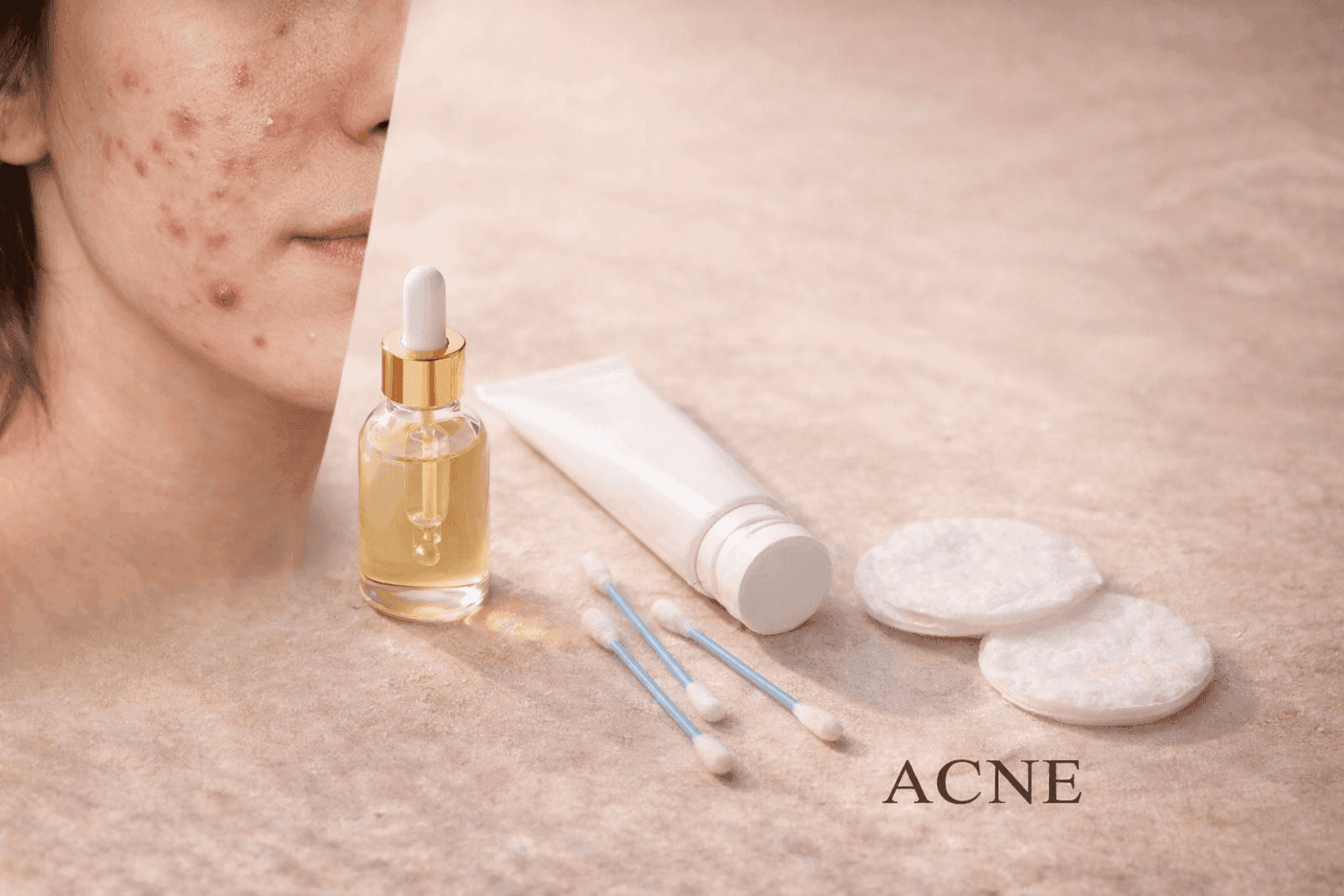
Acne scars form when inflamed breakouts damage the deeper layers of skin, disrupting collagen production and leaving behind textural changes or discoloration. Niacinamide helps improve the appearance of acne scars by reducing post-inflammatory hyperpigmentation, supporting skin barrier repair, and promoting more even skin tone, though it works best on newer pigmented marks rather than deep atrophic scars.
Key Takeaways:
- Niacinamide is most effective for post-inflammatory hyperpigmentation (dark marks left after acne heals)
- It supports skin barrier function and reduces inflammation that can worsen scarring
- Results typically appear after 8–12 weeks of consistent use
- Works best when combined with other supportive skincare habits
- Deep indented scars may require additional dermatological treatments
What Happens When Acne Leaves Scars Behind
When a breakout penetrates deep enough into the skin, it triggers an inflammatory response. Your body rushes white blood cells and healing molecules to the area, but this process doesn't always restore the skin to its original state. The result depends on how much collagen gets produced during healing.
Too little collagen creates atrophic scars, those small indentations or ice-pick marks that create texture on the skin's surface. Too much collagen forms hypertrophic scars or keloids, which rise above the skin. But the most common type isn't a true textural scar at all. Post-inflammatory hyperpigmentation appears as flat brown or red marks where melanocytes produced excess pigment during the healing process.
Understanding which type of scarring you're dealing with matters because niacinamide addresses some concerns more effectively than others.
How Niacinamide Interacts With Scarred Skin
Niacinamide, also called nicotinamide, is a form of vitamin B3 that influences multiple pathways in the skin. It doesn't work like a resurfacing ingredient that removes damaged layers. Instead, it modulates cellular communication and supports repair processes that can improve scar appearance over time.
Inside the skin, niacinamide inhibits melanosome transfer. Melanosomes are the packages of pigment that melanocytes produce and transfer to surrounding skin cells. When this transfer happens excessively after inflammation, you see persistent dark marks. Niacinamide slows this process, allowing existing pigmentation to fade as skin cells naturally turn over every 28–40 days.
It also increases ceramide production in the outer skin layer. Ceramides are lipid molecules that hold skin cells together like mortar between bricks. When the skin barrier functions properly, it retains moisture better and responds less dramatically to irritation. This creates an environment where healing can proceed without additional inflammatory setbacks.
Research shows niacinamide reduces inflammatory cytokines in the skin. These chemical messengers amplify redness and swelling during breakouts. By dampening this response, niacinamide may help prevent the cascade that leads to pigmentation problems in the first place.
What Niacinamide Can and Cannot Do for Different Scar Types
| Scar Type | Appearance | Niacinamide Effectiveness | Why |
|---|---|---|---|
| Post-inflammatory hyperpigmentation | Flat brown or red marks | High | Reduces pigment transfer and supports turnover |
| Atrophic scars (boxcar, rolling, ice-pick) | Indented texture | Low to moderate | May improve surrounding skin quality but won't fill depressions |
| Hypertrophic scars | Raised, thick tissue | Moderate | Can reduce redness and improve texture slightly |
For flat pigmented marks that remain after acne heals, niacinamide offers genuine benefit. Studies using 2–5% concentrations show visible improvement in hyperpigmentation after two to three months of twice-daily application. The marks don't disappear overnight, but they fade progressively as melanin-loaded cells move toward the surface and shed.
Textural scars present a different challenge. Niacinamide cannot rebuild lost collagen or remove excess scar tissue. The indentations and raised areas formed during abnormal healing require interventions that physically remodel the dermis, such as microneedling, laser treatments, or chemical peels performed by dermatology professionals.
That said, niacinamide can improve the overall quality of skin surrounding textured scars. Better barrier function means less transepidermal water loss, which translates to plumper-looking skin. Reduced inflammation may prevent new breakouts that could create additional scarring. These secondary benefits make niacinamide a worthwhile addition even when addressing textural concerns, though expectations should remain realistic.
The Skin Barrier Connection
Acne-prone skin often experiences barrier dysfunction, either as a contributing factor to breakouts or as a consequence of harsh treatments. When you use drying spot treatments, over-exfoliate with acids, or cleanse too aggressively, you strip away the protective lipid layer that keeps moisture in and irritants out.
A compromised barrier triggers compensatory responses. Oil glands may increase sebum production to replace lost lipids. The immune system becomes hypervigilant, responding more aggressively to bacteria and debris. Skin becomes more sensitive to environmental stressors like pollution particles and UV exposure, which can darken existing hyperpigmentation.
Niacinamide addresses this by supporting ceramide synthesis and strengthening tight junctions between skin cells. When the barrier works efficiently, the skin maintains better hydration without looking or feeling oily. This stability reduces the likelihood of inflammatory reactions that could worsen scarring or create new marks.
This mechanism explains why niacinamide often works well alongside other active ingredients. It provides a protective foundation that allows skin to tolerate treatments like retinoids or azelaic acid without excessive dryness or irritation.
Concentration and Formulation Considerations
Niacinamide appears in skincare products ranging from 2% to 10% concentration. Research demonstrates benefits starting at 2%, with most studies showing optimal results between 4–5%. Higher concentrations don't necessarily deliver proportionally better outcomes and may cause flushing in some individuals, particularly those with sensitive skin or rosacea tendencies.
The formulation vehicle matters as much as concentration. Niacinamide is water-soluble, so it works well in serums, lightweight lotions, and gel-creams. These formats allow the ingredient to penetrate efficiently without leaving heavy residue that could contribute to pore congestion.
Stability is another consideration. Unlike some vitamins that degrade in light or air, niacinamide remains stable in most formulations. It tolerates a wide pH range, which means it pairs well with other common skincare ingredients. You can use it in the same routine as vitamin C (despite old myths about them causing problems together), retinoids, alpha hydroxy acids, and peptides.
Apply niacinamide to clean, dry skin before heavier creams or oils. This allows it to reach living skin cells without having to penetrate through occlusive barriers. Most people use it twice daily, though once daily application still provides benefits if your routine includes other active ingredients.
Realistic Timeline for Visible Changes
Skin cell turnover takes approximately four to six weeks in healthy adult skin. When you apply niacinamide, it influences cells currently in the lower epidermis. Those cells need time to mature and move toward the surface before you see changes in pigmentation or texture.
Most people notice initial improvements around the eight-week mark. Dark marks begin looking lighter. Redness from healing breakouts fades more quickly than it did before. The skin may feel smoother and more resilient to daily stressors.
Continued improvement happens between weeks 12 and 16. This extended timeline frustrates many people who expect faster results, but it reflects the reality of how skin heals and renews itself. Cells don't regenerate overnight, and accumulated pigmentation took time to form - it takes time to fade as well.
Consistency matters more than product cost or brand prestige. Applying niacinamide sporadically won't deliver the same results as steady twice-daily use. The ingredient works through sustained influence on cellular processes, not through single dramatic interventions.
Supporting Factors That Influence Scar Healing
Niacinamide works more effectively when other aspects of skin health receive attention. Sleep deprivation increases cortisol, which amplifies inflammation throughout the body, including the skin. When stress hormones remain elevated, healing processes slow down and inflammatory responses become exaggerated.
Sun exposure darkens existing hyperpigmentation through a process called melanogenesis. UV radiation triggers melanocytes to produce more pigment as a protective response. If you're working to fade dark marks with niacinamide but spending time in the sun without protection, you're essentially working against your own progress. Daily broad-spectrum sunscreen becomes non-negotiable when addressing pigmentation concerns.
Dietary patterns influence skin behavior more than many people realize. High-glycemic foods cause blood sugar spikes that trigger insulin release, which in turn can stimulate oil production and inflammatory pathways. This doesn't mean you need a restrictive diet, but moderating refined sugars and processed carbohydrates may support calmer skin that heals more predictably.
Hydration status affects how well the skin barrier functions. When you're chronically dehydrated, the outer skin layer becomes less flexible and efficient. Transepidermal water loss increases, and the skin may compensate by producing more oil, potentially contributing to congestion and breakouts that lead to new scarring.
The skin microbiome also plays a role. Harsh cleansers or antibacterial products can disrupt the beneficial bacteria that help regulate inflammation and compete with acne-causing bacteria. Supporting microbiome balance through gentle cleansing and avoiding unnecessary antimicrobial products creates a more stable environment for healing.
When Niacinamide Should Be Part of a Larger Strategy
For mild post-inflammatory hyperpigmentation from occasional breakouts, niacinamide may be sufficient as a standalone treatment when combined with sun protection and gentle skincare habits. The marks will fade gradually over several months.
More persistent pigmentation or textured scarring requires additional approaches. Azelaic acid offers complementary benefits by inhibiting tyrosinase, the enzyme responsible for melanin production. Retinoids increase cell turnover and stimulate collagen production, addressing both pigmentation and texture concerns. Alpha hydroxy acids gently exfoliate the surface, helping pigmented cells shed more efficiently.
Deep atrophic scars typically need professional interventions. Microneedling creates controlled injury that stimulates new collagen formation. Laser treatments target specific depths of skin to remodel scar tissue. Chemical peels remove damaged surface layers, promoting fresh growth. These procedures work through different mechanisms than topical ingredients, addressing structural problems that creams and serums cannot fix.
Combining treatments requires careful planning. Too many active ingredients at once can overwhelm the skin, creating irritation that worsens pigmentation. A dermatology professional can help sequence treatments appropriately, starting with barrier repair and anti-inflammatory approaches before adding more aggressive interventions.
Red Flags and When Professional Guidance Becomes Necessary
Most post-acne marks fade gradually over six to twelve months, even without treatment. If dark spots persist beyond this timeframe despite consistent niacinamide use and sun protection, consider professional evaluation. What appears to be simple hyperpigmentation might be melasma, a more stubborn pigmentation disorder that requires specific treatment approaches.
Scars that continue deepening or widening after breakouts heal suggest abnormal collagen remodeling. Some people develop keloids or hypertrophic scars that grow beyond the original wound boundaries. These require early intervention to prevent progression.
New breakouts that consistently occur in the same locations may indicate underlying factors beyond surface-level skincare. Hormonal patterns, dietary triggers, stress responses, or contact irritation from hair products, cosmetics, or fabrics all create recurring inflammation that leads to repeated scarring in vulnerable areas.
If you experience sudden worsening of scarring, unusual texture changes, or persistent redness that doesn't respond to anti-inflammatory care, seek professional evaluation rather than experimenting with additional products. Some skin conditions mimic acne scarring but require different treatment approaches.
Building a Scar-Supportive Routine
A simple but effective routine for addressing acne scars includes these components: gentle cleansing that removes debris without stripping natural oils, niacinamide application on clean skin, moisturizer to support barrier function, and broad-spectrum sunscreen during daytime.
Cleanse once in the evening to remove the day's accumulation of oil, pollution, and skincare products. Morning cleansing can be water alone or a very gentle cleanser if needed. Aggressive washing strips the acid mantle, the slightly acidic protective layer that helps regulate skin bacteria and maintain barrier integrity.
Apply niacinamide serum or lightweight lotion while skin is still slightly damp. This helps with absorption. Wait two to three minutes before applying other products to give it time to penetrate.
Moisturizer choice depends on your skin's oil production patterns. Scarred areas often have normal-to-dry texture even when surrounding skin produces more sebum. Look for lightweight lotions with barrier-supporting ingredients like ceramides, fatty acids, or hyaluronic acid. Avoid heavy occlusives if you're prone to congestion, but don't skip moisturizer entirely - dehydrated skin heals poorly.
Sunscreen matters every single day, not just during summer or outdoor activities. UV radiation penetrates windows and reflects off surfaces even on cloudy days. Mineral sunscreens with zinc oxide or titanium dioxide provide physical protection without clogging pores, though modern chemical filters formulated for acne-prone skin work well too.
The Inflammation-Pigmentation Cycle
Understanding why some people develop prominent dark marks while others don't requires looking at the inflammatory response. When a pore becomes blocked and bacteria multiply, the immune system responds by sending white blood cells to the area. These cells release enzymes and inflammatory mediators to destroy bacteria and infected tissue.
This inflammatory cascade stimulates melanocytes in the lower epidermis. The more intense and prolonged the inflammation, the more pigment production occurs. People with darker skin tones naturally have more active melanocytes, which makes them more susceptible to post-inflammatory hyperpigmentation even from minor irritation.
Picking at breakouts intensifies this process. When you squeeze or scratch inflamed areas, you create additional trauma that extends deeper into the skin. This mechanical injury triggers even more inflammation and increases the likelihood of both pigmentation and textural scarring.
Harsh treatments that create irritation can produce the same effect. Using multiple drying ingredients simultaneously, applying high-strength acids without building tolerance, or combining treatments that shouldn't be used together creates inflammation that can leave marks even when acne improves.
Niacinamide interrupts this cycle by reducing the inflammatory signals that trigger excess melanin production. When breakouts do occur, skin responds with a more measured reaction that heals without leaving prominent marks.
Understanding Internal Triggers: Clear Ritual's Perspective
Acne scars reflect both how your skin originally responded to inflammation and how effectively it heals afterward. This involves multiple interconnected factors including hormone patterns that influence oil production, inflammatory responses that vary based on stress levels and sleep quality, barrier function that depends on genetics and environmental exposure, and even gut health that affects systemic inflammation.
Topical treatments like niacinamide manage visible symptoms and support the healing environment, but they cannot identify why your skin developed scarring in the first place. Some people heal cleanly from deep breakouts while others develop marks from surface-level inflammation. This variability points to individual differences in inflammatory signaling, melanocyte activity, and collagen remodeling.
At Clear Ritual, we combine the best of three worlds - Ayurveda, modern dermatology, and advanced skin science - to understand individual triggers through a structured skin assessment. Rather than treating acne scars as a standalone concern, this approach examines the patterns that led to scarring, including breakout frequency, inflammation intensity, healing speed, and lifestyle factors that influence skin behavior.
Understanding these triggers doesn't just address existing scars - it helps prevent new ones from forming. When you know which internal and external factors drive your skin's inflammatory responses, you can make informed adjustments that promote clearer, more resilient skin over time.
Frequently Asked Questions
How long does niacinamide take to fade acne scars?
Most people see initial improvement in post-inflammatory hyperpigmentation after 8–12 weeks of consistent twice-daily use. Continued fading happens over 4–6 months. Deep textured scars won't change significantly with niacinamide alone since they involve structural collagen damage rather than just pigmentation.
Can I use niacinamide with retinol for acne scars?
Yes, niacinamide and retinol work well together. Niacinamide supports barrier function and reduces irritation, which helps skin tolerate retinol better. Apply niacinamide first, wait a few minutes, then apply retinol. This combination addresses both pigmentation and collagen remodeling for more comprehensive scar improvement.
What percentage of niacinamide is best for acne scars?
Research shows effectiveness starting at 2%, with optimal results typically seen at 4–5% concentration. Higher percentages up to 10% don't necessarily work better and may cause flushing in some people. Most dermatologists recommend starting with 4–5% formulations for post-acne hyperpigmentation.
Will niacinamide help with indented acne scars?
Niacinamide improves overall skin quality and may make indented scars slightly less noticeable by supporting barrier function and reducing inflammation. However, it cannot fill depressions or rebuild lost collagen. Textured scars typically require professional treatments like microneedling, laser therapy, or dermal fillers for significant improvement.
Can niacinamide make acne scars worse?
Niacinamide rarely worsens scars. Some people experience initial purging if the product contains other active ingredients, which can temporarily create new marks. If you notice darkening of existing scars, you're likely experiencing inadequate sun protection - UV exposure counteracts niacinamide's pigment-fading effects and should be avoided.
Should I use niacinamide in the morning or evening for scars?
Use niacinamide twice daily for best results - morning and evening. Morning application provides antioxidant protection and supports barrier function throughout the day. Evening application works on repair processes during sleep when cell regeneration peaks. Consistency matters more than specific timing.
Does niacinamide work on old acne scars?
Niacinamide can gradually lighten older post-inflammatory hyperpigmentation, though results take longer than with fresh marks. Very old pigmented scars (years old) may respond only partially since melanin becomes embedded deeper in the dermis over time. Deep textured scars from old acne won't improve significantly with topical niacinamide alone.
Can I layer niacinamide with vitamin C for scar fading?
Yes, niacinamide and vitamin C can be used together despite outdated claims about incompatibility. Both ingredients address hyperpigmentation through different mechanisms. Apply vitamin C first (it's pH-dependent), wait a few minutes, then apply niacinamide. This combination may provide enhanced brightening effects for stubborn post-acne marks.
Editorial Standards
Clear Ritual has Strict sourcing guidelines to ensure our content is accurate and current. We rely on peer-reviewed studies, academic research institutions, and medical associations. We strive to use primary sources and refrain from using tertiary references. See a mistake? Learn More about our Editorial Standards.



