




Retinol in Acne Scar Management
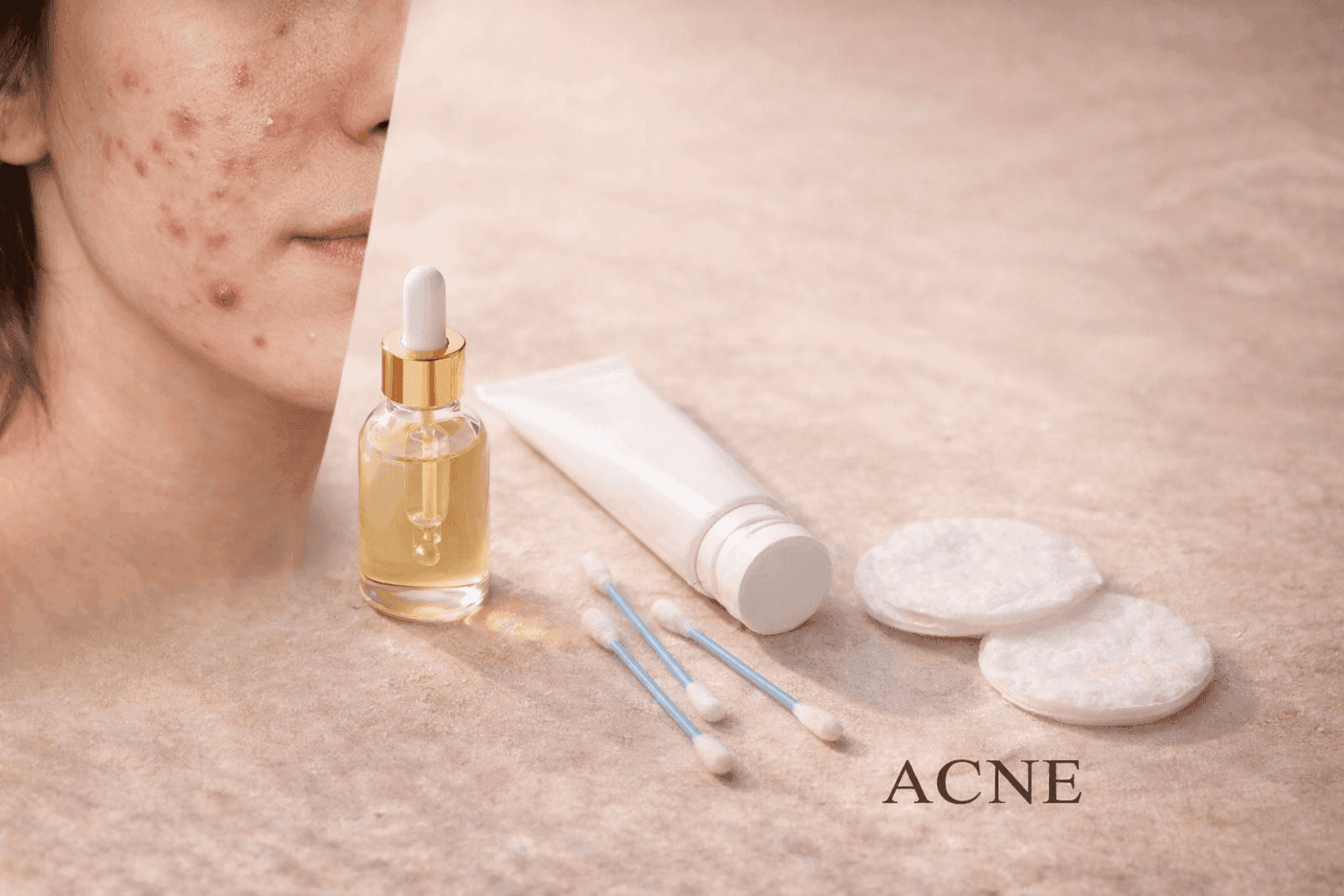
Retinol can improve the appearance of acne scars by increasing cell turnover and stimulating collagen production in the dermis. It works gradually over several months, helping to smooth textured scarring and fade post-inflammatory hyperpigmentation left behind after breakouts heal.
Key Takeaways:
- Retinol encourages skin cell renewal and collagen synthesis
- Works best on rolling scars, textured marks, and dark spots
- Results typically appear after 8–12 weeks of consistent use
- Not effective for deep ice-pick or boxcar scars without professional treatment
- Requires gentle introduction to minimize irritation
What Happens When Acne Leaves Scars Behind
When inflamed acne lesions heal, they often leave behind visible reminders. These marks fall into two main categories: post-inflammatory changes in pigmentation and actual structural changes in the skin tissue itself.
Post-inflammatory hyperpigmentation appears as flat brown or purple spots where melanocytes produced excess pigment during the healing process. These are not true scars since the skin surface remains smooth, but they can persist for months without intervention.
True acne scars involve changes to the dermal structure. When deeper breakouts damage collagen fibers, the skin may heal with too much tissue (raised scars) or too little (depressed scars). Rolling scars create wave-like indentations, boxcar scars form angular depressions with defined edges, and ice-pick scars create narrow, deep channels into the skin.
The healing response varies between individuals based on genetics, inflammation levels, and how the skin was treated during active breakouts. Picking or squeezing inflamed lesions increases dermal damage and worsens scarring potential.
How Retinol Affects Scar Tissue
Retinol belongs to the retinoid family, derivatives of vitamin A that bind to specific receptors inside skin cells. When applied topically, retinol converts to retinoic acid, the active form that triggers cellular changes.
This process accelerates the natural skin cell cycle. The epidermis sheds dead cells faster, revealing fresher tissue underneath. This increased turnover helps fade pigmented marks by moving melanin-laden cells to the surface where they eventually slough off.
In the dermis, retinol stimulates fibroblasts to produce new collagen and elastin fibers. This gradual thickening of dermal tissue can fill in shallow depressions and smooth textured scarring over time. The process mimics the skin's natural remodeling but at an enhanced rate.
Retinol also inhibits the enzymes that break down existing collagen. This dual action of building new structural proteins while protecting current ones creates a cumulative improvement in skin thickness and resilience.
Blood flow to treated areas increases, which supports the delivery of nutrients needed for tissue repair and helps remove inflammatory byproducts that can slow healing.
Which Types of Scars Respond Best
Rolling scars with gentle slopes respond most favorably to retinol. The gradual collagen increase can fill these shallow depressions and create a smoother surface texture. Improvement appears subtle at first but compounds with consistent long-term use.
Post-inflammatory hyperpigmentation fades noticeably with retinol treatment. The accelerated cell turnover moves pigmented cells through the epidermis faster, while the anti-inflammatory effects may reduce further melanin production in healing areas.
Shallow boxcar scars with soft edges may see mild improvement, though deeper versions with sharp boundaries typically need professional interventions like microneedling or laser resurfacing for significant change.
Ice-pick scars rarely respond to topical retinol alone. These narrow, deep channels extend far into the dermis, beyond where topical treatments can effectively penetrate and stimulate sufficient collagen remodeling.
Hypertrophic scars and keloids require different management approaches. Retinol may help flatten very early raised scars, but established overgrown tissue usually needs targeted therapies like steroid injections or silicone-based treatments.
Starting Retinol for Scar Treatment
Introduction should be gradual to allow the skin barrier to adapt. Starting with a low concentration around 0.25% to 0.3% minimizes initial irritation while still providing beneficial effects.
Apply retinol to clean, completely dry skin. Residual water can increase penetration and irritation. Use a pea-sized amount for the entire face, focusing on scarred areas but spreading evenly to avoid concentration spots.
Begin with twice-weekly application, preferably on non-consecutive nights. Monitor for redness, dryness, or flaking over the first two weeks. If the skin tolerates this schedule without significant irritation, increase to every other night for another two weeks.
Most users can eventually build to nightly application, though some maintain an every-other-night schedule based on individual tolerance. Consistency matters more than frequency for long-term results.
The retinization period typically lasts four to six weeks. During this adjustment phase, mild flaking and sensitivity are normal as the skin adapts to increased cell turnover. This temporary reaction differs from actual irritation, which presents as persistent burning, raw patches, or worsening redness.
Layering a gentle moisturizer over retinol after it absorbs can reduce dryness without significantly impacting effectiveness. Some prefer applying moisturizer first, then retinol, though this may slightly slow results.
Supporting Scar Improvement While Using Retinol
Sun protection becomes essential when using retinol. The increased cell turnover reveals newer skin cells that contain less protective melanin and are more vulnerable to UV damage. Unprotected sun exposure can darken existing pigmented scars and create new discoloration.
A mineral-based sunscreen with zinc oxide or titanium dioxide provides physical UV protection without potentially irritating chemical filters. Daily application prevents the photoaging that counteracts retinol's collagen-building effects.
Avoid combining retinol with other potentially irritating actives initially. Vitamin C, alpha hydroxy acids, and benzoyl peroxide can be used in a skincare routine but typically work better at different times of day or on alternating nights until tolerance builds.
Hydration supports the skin's healing capacity. Dehydration reduces cell function efficiency and slows the collagen synthesis retinol stimulates. Drinking adequate water and using humectants like hyaluronic acid help maintain optimal cellular activity.
Sleep quality affects skin repair processes. Growth hormone released during deep sleep stages supports tissue regeneration and collagen production. Chronic sleep deprivation reduces these beneficial cycles and may slow scar improvement.
Stress management helps control cortisol levels that can trigger inflammation and interfere with healing. Elevated cortisol also degrades existing collagen, working against retinol's rebuilding effects.
What Slows Down Results
Inconsistent application disrupts the cumulative process. Retinol works by maintaining elevated cell turnover and collagen synthesis over time. Sporadic use prevents these levels from building to therapeutic ranges.
Using concentrations too high too quickly often backfires. Severe irritation forces users to stop treatment entirely, creating gaps that reset progress. The skin also may thicken its outer layer defensively, reducing retinol penetration.
Picking at flaking skin removes cells before they complete the natural shedding process and can introduce new inflammation that worsens scarring. The peeling represents normal increased turnover and will resolve as skin adapts.
Skipping sunscreen allows UV radiation to degrade the new collagen retinol stimulates. Sun damage also triggers melanin production that darkens pigmented scars, negating the fading effects of increased cell turnover.
Harsh cleansers strip the lipid barrier, which increases transepidermal water loss and inflammation. This added stress slows healing and can make retinol feel more irritating, leading to reduced consistency.
Active breakouts in scarred areas introduce new inflammation that disrupts collagen remodeling. Managing ongoing acne alongside scar treatment creates better conditions for tissue repair.
Realistic Timeline and Expectations
Initial changes in skin texture and tone typically appear around 8 to 12 weeks with consistent use. These early improvements involve increased smoothness from accelerated cell turnover and slight brightening of pigmented marks.
Collagen remodeling progresses more slowly. Noticeable filling of shallow depressions usually requires 4 to 6 months of regular application. Deep scars need longer treatment periods, sometimes 12 months or more, and may never completely smooth without professional procedures.
The rate of improvement varies based on scar depth, skin thickness, age, and individual collagen production capacity. Younger skin typically responds faster due to more active fibroblast function.
Results plateau at a certain point. Retinol can stimulate significant improvement in appropriate scar types, but it cannot completely erase deep structural damage. Combining retinol with in-office treatments like microneedling, chemical peels, or laser therapy often produces more dramatic outcomes than either approach alone.
Maintenance requires ongoing use. Stopping retinol does not reverse improvements already achieved, but the enhanced collagen production and cell turnover return to baseline levels. Continued application preserves results and provides ongoing anti-aging benefits.
Combining Retinol With Professional Treatments
Microneedling creates controlled micro-injuries that trigger wound healing responses and collagen production. When paired with retinol use between sessions, this combination approach addresses scars through complementary mechanisms.
Chemical peels remove damaged outer layers and can improve both pigmented marks and textured scars. Using retinol in the weeks before a peel may enhance results by pre-conditioning the skin, though most practitioners recommend stopping retinol several days before the procedure.
Laser resurfacing works at different depths depending on the type. Ablative lasers remove surface tissue entirely, while non-ablative versions heat deeper layers without destroying the epidermis. Retinol is typically paused before laser treatments and reintroduced during healing to support collagen remodeling.
Dermatologists may prescribe stronger prescription retinoids like tretinoin for scar management. These pharmaceutical-strength options provide more powerful effects but also require closer monitoring for irritation.
Some scarring patterns benefit from filler injections to raise depressed areas, punch excision for ice-pick scars, or subcision to release tethered tissue. Retinol can maintain and enhance results from these procedures but does not replace them for severe scarring.
When to Seek Professional Guidance
Deep or widespread scarring that affects quality of life warrants dermatological evaluation. Professional assessment can determine which scar types are present and recommend appropriate treatment combinations.
Persistent irritation from retinol that does not improve with reduced frequency or lower concentration needs professional review. Underlying skin sensitivity or conditions may require different management approaches.
New or changing marks on the skin should be evaluated to rule out conditions requiring medical treatment. Not all dark spots or textured areas result from acne scarring.
Ongoing inflammatory acne alongside scarring often needs systemic treatment to prevent new scar formation while addressing existing marks. Topical retinol alone may not adequately control moderate to severe active breakouts.
Signs of infection, including increasing redness, warmth, swelling, or discharge, require immediate medical attention. These symptoms indicate complications beyond normal retinization.
Understanding Internal Triggers: Clear Ritual's Perspective
Acne scarring severity depends on multiple internal factors including inflammatory response intensity, genetic healing patterns, hormonal influences, and skin barrier integrity. While retinol addresses surface-level collagen remodeling and cell turnover, it cannot identify or modify the underlying triggers that made skin prone to inflammatory acne and subsequent scarring in the first place. Clear Ritual combines Ayurveda, modern dermatology, and advanced skin science to understand individual triggers through a structured skin assessment. This personalized approach examines patterns across hormones, stress responses, nutrition, sleep quality, and microbiome balance that influence both active breakouts and healing capacity. Understanding these interconnected factors helps create targeted strategies that support skin stability, reduce future inflammation, and optimize conditions for scar improvement. Recognizing your specific internal triggers allows for more complete management beyond topical treatments alone.
Frequently Asked Questions
How long does retinol take to improve acne scars?
Most people notice initial improvements in skin texture and pigmentation after 8 to 12 weeks of consistent use. Visible filling of shallow depressed scars typically requires 4 to 6 months, while deeper scarring may need 12 months or longer to show meaningful change.
Can retinol completely remove acne scars?
Retinol can significantly improve shallow rolling scars and fade post-inflammatory hyperpigmentation, but it cannot completely erase deep ice-pick or boxcar scars. These typically require professional treatments like laser resurfacing or surgical techniques combined with retinol for optimal results.
What percentage of retinol works best for scars?
Starting with 0.25% to 0.5% retinol allows skin to adapt while providing beneficial effects. After several months of tolerance building, concentrations between 0.5% and 1% generally offer the best balance of effectiveness and manageable irritation for scar treatment.
Should I use retinol every night for acne scars?
Begin with twice-weekly application and gradually increase frequency as your skin adapts. Most users can eventually tolerate nightly use, though some maintain every-other-night schedules. Consistency matters more than frequency for long-term scar improvement.
Can I use retinol if I still get breakouts?
Yes, retinol can address both active acne and existing scars simultaneously by unclogging pores and increasing cell turnover. Start slowly to avoid excessive irritation, and avoid applying directly to open or severely inflamed lesions.
Why is my skin peeling more after starting retinol?
Increased peeling results from accelerated cell turnover as retinol speeds up the natural shedding process. This temporary effect usually subsides after 4 to 6 weeks as skin adapts. Use a gentle moisturizer and avoid picking at flaking areas.
Does retinol work on old acne scars?
Retinol can improve old scars, though newer marks often respond faster. Older scars have more established collagen patterns that take longer to remodel. Consistent long-term use provides gradual improvement regardless of scar age.
Can I use retinol with vitamin C for scars?
Yes, but use them at different times to minimize irritation. Apply vitamin C in the morning for antioxidant protection and brightening effects, then use retinol at night. This separation allows both ingredients to work without interference or excessive sensitivity.
Editorial Standards
Clear Ritual has Strict sourcing guidelines to ensure our content is accurate and current. We rely on peer-reviewed studies, academic research institutions, and medical associations. We strive to use primary sources and refrain from using tertiary references. See a mistake? Learn More about our Editorial Standards.



