




Subcision for Deep Acne Scars
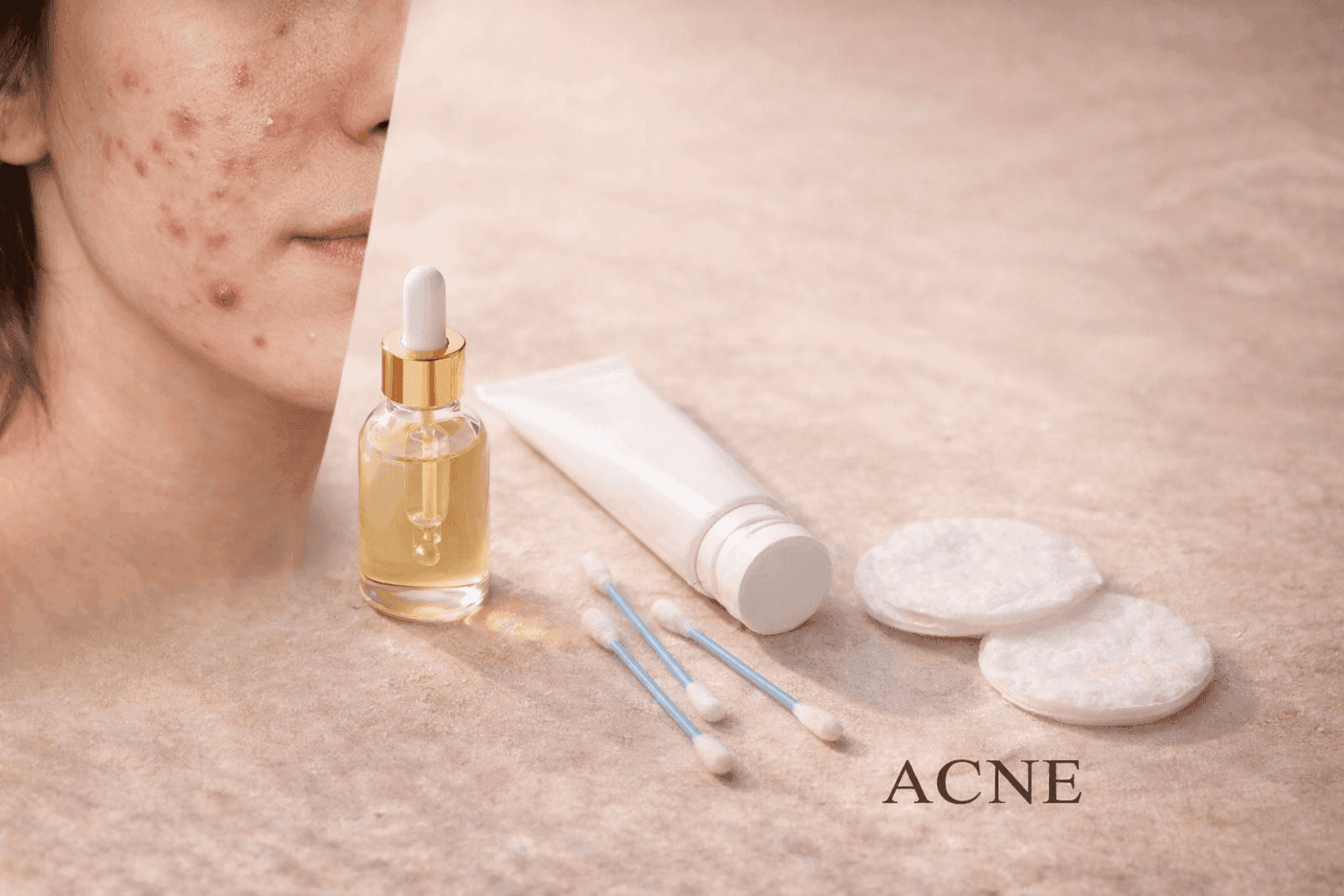
Deep acne scars form when inflammatory acne damages the skin's collagen framework, causing the tissue to pull downward and create visible indentations. Subcision is a minor surgical procedure that releases the fibrous bands tethering scar tissue to deeper layers, allowing the skin to lift and smooth out naturally.
Key Takeaways:
- Subcision physically breaks the tethered tissue beneath depressed acne scars
- Works best for rolling and boxcar scars with defined edges
- Controlled bleeding under the scar creates a natural collagen healing response
- Usually requires multiple sessions spaced weeks apart
- Most effective when combined with other resurfacing treatments
- Temporary bruising and swelling are normal after the procedure
What Happens Inside Deep Acne Scars
When severe inflammatory acne penetrates deep into the dermis, it destroys the skin's structural collagen. As the inflammation resolves, the body attempts to repair this damage with scar tissue. Unlike normal collagen that forms in a basket-weave pattern, scar collagen forms in parallel bundles that contract over time.
This contraction creates fibrous bands that anchor the surface skin to deeper tissue layers. The result is a visible depression that doesn't respond to topical treatments because the problem exists beneath the skin's surface. No cream or serum can reach these structural anchors, which is why certain acne scars remain unchanged despite consistent skincare routines.
The depth and pattern of scarring depends on how deeply the original inflammation penetrated. Ice pick scars tunnel straight down, boxcar scars create defined rectangular depressions, and rolling scars form wave-like undulations across the skin. Each type reflects different damage patterns to the underlying collagen architecture.
How Subcision Works
Subcision addresses the mechanical problem at its source. A dermatologist inserts a specialized needle or blade beneath the scar parallel to the skin's surface. Moving this instrument back and forth severs the fibrous bands that tether the depressed tissue downward.
Once these anchoring bands are cut, the skin naturally lifts upward. The procedure also causes controlled bleeding in the space beneath the scar. This blood pools under the released tissue and forms a temporary clot. As the body resorbs this clot over several weeks, it triggers new collagen production in the previously scarred area.
This newly formed collagen acts as natural filler, providing volume and support beneath the scar. The combination of released tension and new collagen deposition elevates the depressed area closer to the surrounding skin level. The improvement continues for months as collagen remodeling progresses.
Which Scars Respond Best
Rolling scars typically show the most dramatic improvement with subcision. These broad, wave-like depressions are held down by relatively wide fibrous bands that respond well to mechanical release. The gentle slopes of rolling scars allow the released tissue to lift smoothly and blend with surrounding skin.
Boxcar scars with sloped or gently angled edges also respond favorably. The defined borders and moderate depth make it easier to target the tethering tissue precisely. Wider boxcar scars may require multiple subcision sessions to address all the anchoring points along their perimeter.
Ice pick scars are narrow and deep, making them less ideal candidates for subcision alone. The thin shaft of these scars limits how much lifting can occur even after release. These typically require additional treatments like punch excision or chemical reconstruction of skin scars alongside subcision for meaningful improvement.
Shallow atrophic scars without significant tethering see minimal benefit from subcision since there are few fibrous bands to release. These respond better to resurfacing treatments that stimulate overall collagen production rather than targeting specific mechanical anchors.
The Subcision Procedure
After cleansing the treatment area, the dermatologist applies local anesthetic to numb the skin. Some practitioners use ice or vibration to further reduce discomfort during needle insertion. The anesthetic takes several minutes to work fully before the procedure begins.
The practitioner stretches the skin taut and inserts the subcision needle through a small entry point near the scar. They advance the needle beneath the scar tissue, keeping it parallel to the skin's surface. A fanning motion sweeps the needle back and forth to cut through the fibrous bands from multiple angles.
You may feel pressure and tugging sensations as the needle moves, but pain should be minimal with adequate anesthesia. The practitioner assesses the scar's mobility by pressing on the surface, continuing the subcision until the tissue moves freely. Immediate swelling after the procedure makes it difficult to see final results right away.
The entry points are small enough that stitches are rarely needed. The dermatologist may apply pressure to minimize bleeding and help distribute the blood evenly beneath the released tissue. This controlled bruising actually supports the healing process by stimulating collagen formation.
What to Expect After Subcision
Bruising and swelling appear within hours and peak around day two or three. The treated area may look worse before it looks better, which concerns some patients who aren't prepared for this normal response. Bruising typically fades over seven to fourteen days depending on the treatment intensity and individual healing factors.
The skin feels tender and tight during the first week. Sleeping with your head elevated reduces swelling and discomfort. Avoid touching or massaging the treated area during the initial healing phase, as this can disrupt the clot formation that supports new collagen growth.
You'll notice some immediate improvement in scar depth once swelling subsides, but this represents only part of the final result. The real improvement develops gradually over the following three to six months as your body produces new collagen beneath the released scar tissue. The skin continues to lift and smooth during this remodeling phase.
Recovery Guidelines
Keep the treated area clean but avoid harsh cleansers or exfoliants for at least one week. Gentle, fragrance-free products minimize irritation while the skin heals. Pat the area dry rather than rubbing to avoid disrupting the healing tissue beneath the surface.
Sun protection becomes critical after subcision. The healing skin is vulnerable to UV damage that can cause post-inflammatory hyperpigmentation, especially in darker skin tones. Mineral sunscreens with zinc oxide or titanium dioxide provide physical protection without chemical ingredients that might irritate healing skin.
Avoid strenuous exercise and activities that increase blood pressure for three to five days. Elevated blood pressure can increase bruising and swelling in the treated area. Light walking is fine, but skip intense cardio, weightlifting, or hot yoga until initial healing completes.
Don't take anti-inflammatory medications like ibuprofen unless medically necessary during the first week. These medications can interfere with the inflammatory healing response that triggers new collagen production. The controlled inflammation after subcision is therapeutic rather than problematic.
Combining Subcision with Other Treatments
Subcision rarely works as a standalone treatment for optimal scar improvement. Most dermatologists recommend combining it with complementary procedures that address different aspects of scar texture and depth. Timing these combinations correctly maximizes results while minimizing complications.
Dermal fillers injected immediately after subcision can provide additional volume beneath released scars. The filler occupies the space under the scar, preventing the fibrous bands from reattaching as healing progresses. Hyaluronic acid fillers work well for this purpose and gradually dissolve as your own collagen replaces them.
Laser resurfacing treatments like fractional CO2 or erbium lasers target the scar's surface texture. These create controlled micro-injuries that stimulate new collagen throughout the dermis. Combining laser with subcision addresses both the tethering beneath the scar and the irregular surface above it.
Microneedling with radiofrequency energy penetrates the skin at precise depths to remodel collagen without removing the surface layer. This less aggressive option suits patients who want improvement without the extended downtime of ablative lasers. Multiple sessions spaced monthly build gradual improvement.
Chemical peels using trichloroacetic acid at varying concentrations can smooth scar edges and blend them with surrounding skin. Medium-depth peels reach into the upper dermis where shallow scarring resides. These work best for broader texture issues rather than deep individual scars.
Number of Sessions Needed
Most patients require two to four subcision sessions for satisfactory improvement. The exact number depends on scar severity, skin thickness, and how aggressively the practitioner treats during each session. Spacing sessions six to eight weeks apart allows complete healing between treatments.
During follow-up visits, the dermatologist assesses which scars have lifted adequately and which still show tethering. They may subcise the same scar multiple times if fibrous bands reform or if the initial release was incomplete. Each session typically shows incremental improvement rather than complete correction.
Some scars develop new fibrous attachments during the healing process, especially in patients who form thick scar tissue easily. These individuals may need more frequent maintenance treatments to prevent re-tethering as new collagen forms beneath the released tissue.
Patience is essential because full results take months to manifest. The temptation to schedule sessions too close together can compromise healing and increase complication risks. The slow collagen remodeling process can't be rushed without sacrificing quality results.
Potential Risks and Complications
Bruising is universal after subcision but varies in extent and duration. People taking blood thinners or supplements like fish oil, vitamin E, or ginkgo biloba bruise more extensively. Discontinuing these supplements one week before treatment reduces bruising severity if medically appropriate.
Infection risk is low but increases if proper wound care isn't followed. Keep the area clean and avoid touching it with unwashed hands. Watch for increasing redness, warmth, or pus formation that suggests bacterial infection requiring medical attention.
Nerve damage is rare but possible if the needle penetrates too deeply or travels into areas with superficial nerves. Temporary numbness around the treatment site usually resolves within weeks to months as nerves heal. Permanent nerve damage is exceptionally uncommon with experienced practitioners.
Hyperpigmentation can develop in darker skin tones during the healing process. The inflammation and bruising trigger melanocytes to produce excess pigment that darkens the treated area. Sun protection and avoiding unnecessary irritation minimize this risk. Post-inflammatory pigmentation usually fades over months but may require additional treatments.
Blood vessel damage occasionally causes visible spider veins or persistent red marks. The subcision needle can tear small blood vessels that don't heal properly. Laser treatments targeting vascular lesions can address these complications if they don't resolve spontaneously.
Nodule formation happens when fibrous tissue or collagen clumps develop beneath the skin during healing. These firm bumps usually soften over time but may require steroid injections or additional procedures if they persist beyond several months.
Who Makes a Good Candidate
Ideal candidates have deep, tethered acne scars that create visible shadows on the skin's surface. These scars typically don't respond to topical treatments or superficial procedures. The person should have realistic expectations about gradual improvement rather than expecting immediate perfection.
Active acne must be controlled before considering subcision. Ongoing inflammation creates new scarring while trying to correct old scars. Most dermatologists recommend achieving clear or nearly clear skin for at least three months before scheduling subcision treatments.
People who form thick keloid scars may not be suitable candidates. Subcision creates a controlled wound that triggers collagen production, but excessive scar formation can worsen the appearance rather than improving it. A personal or family history of keloids warrants careful discussion with your dermatologist.
Those taking isotretinoin should wait at least six months after completing treatment before undergoing subcision. The medication affects wound healing and collagen formation even after stopping it. Premature treatment increases complication risks and may yield poor results.
Blood clotting disorders or medications that affect coagulation require special consideration. While bruising is expected, excessive bleeding can create complications and affect final results. Discuss all medications and medical conditions thoroughly before proceeding.
Cost Considerations
Subcision pricing varies widely based on the number of scars treated, geographic location, and practitioner experience. Individual scar treatment may cost between seventy-five and three hundred dollars. Treating multiple scars in one session often comes with package pricing that reduces per-scar costs.
Insurance rarely covers subcision for acne scarring since it's considered cosmetic rather than medically necessary. Some exceptions exist if scarring causes documented psychological distress or functional problems, but coverage approval remains uncommon. Expect to pay out of pocket for treatment.
The total investment includes multiple sessions plus any complementary treatments recommended for optimal results. Budgeting for the complete treatment plan rather than just one session provides a more accurate picture of financial commitment. Financing options may be available through medical credit companies.
Cheaper isn't better when selecting a practitioner for subcision. Experience matters significantly in determining both safety and results. Board-certified dermatologists or plastic surgeons specializing in scar revision offer the expertise needed for consistent, safe outcomes.
Comparing Subcision to Other Scar Treatments
Laser resurfacing addresses surface texture and stimulates collagen but doesn't release tethered tissue. Scars held down by fibrous bands remain depressed even after laser treatment smooths the surrounding skin. Combining laser with subcision addresses both issues simultaneously.
Microneedling creates thousands of tiny channels that trigger collagen production throughout the treatment area. While effective for overall texture improvement, it lacks the targeted mechanical release that subcision provides for deeply tethered scars. Microneedling works well as a maintenance treatment between subcision sessions.
Dermal fillers temporarily plump depressed scars by adding volume beneath them. The effect lasts six months to two years depending on the filler type, requiring repeated injections to maintain results. Subcision stimulates your own collagen production for longer-lasting improvement.
Chemical peels and dermabrasion remove surface layers to reveal smoother skin underneath. These techniques help with shallow textural irregularities but can't address the mechanical tethering that creates deep depressions. Superficial treatments alone show minimal impact on significantly depressed scars.
Punch excision surgically removes deep ice pick scars completely, replacing them with a flat scar that heals less noticeably. This approach works for very narrow, deep scars but isn't practical for the broader depressions that subcision targets effectively.
Long-Term Results and Maintenance
Subcision results are considered semi-permanent to permanent for most patients. The released fibrous bands don't typically reform to their original extent once cut and replaced with new collagen. However, skin continues aging and changing, which can affect long-term appearance.
New acne breakouts can create additional scarring that requires future treatment. Maintaining clear skin through appropriate skincare and medical treatments when necessary prevents new scars from developing. Sun protection preserves the improved texture by preventing collagen breakdown from UV damage.
Some patients schedule maintenance subcision treatments every one to two years to address minor re-tethering or new scars. These sessions are less extensive than initial treatments and help maintain optimal results over time. The need for maintenance varies significantly between individuals.
Skin quality improvements from collagen remodeling continue evolving for up to a year after the final treatment session. The skin often looks better at twelve months than at six months as deeper collagen layers continue organizing and maturing. Patience during this extended timeline yields the best assessment of final results.
Choosing a Qualified Practitioner
Board certification in dermatology or plastic surgery ensures your practitioner has completed extensive training in skin anatomy and surgical techniques. These specialists understand the complex layer structure of facial skin and how to navigate it safely during subcision procedures.
Experience specifically with subcision and acne scar treatment matters as much as general credentials. Ask potential providers how many subcision procedures they perform monthly and request before-and-after photos of previous patients with similar scarring patterns to yours.
The initial consultation should include thorough scar assessment and realistic discussion of expected outcomes. Be wary of practitioners who promise dramatic improvement after one session or guarantee specific results. Honest providers acknowledge the variable nature of scar treatment response.
Facility cleanliness and proper sterilization protocols protect you from infection risks. Observe whether staff use sterile gloves, open packaged instruments in your presence, and follow proper hand hygiene. These details reflect the overall safety standards maintained by the practice.
Understanding Internal Triggers: Clear Ritual's Perspective
While procedures like subcision effectively address existing acne scars, preventing new scarring requires understanding why severe inflammatory acne developed initially. Acne results from multiple interacting factors including hormonal fluctuations, excess sebum production, bacterial colonization, and inflammatory responses. Stress, sleep quality, dietary patterns, and gut health influence these processes in ways that vary between individuals.
Surface treatments and scar procedures manage consequences but don't identify the specific triggers driving inflammation in your skin. At Clear Ritual, We combine the best of three worlds - Ayurveda, modern dermatology, and advanced skin science - to understand individual triggers through a structured skin test. This comprehensive approach examines patterns across lifestyle, nutrition, stress, and skin behavior to identify the unique combination of factors affecting your skin health. Understanding these personal triggers supports both preventing new breakouts and maintaining long-term skin stability after scar treatment.
Frequently Asked Questions
Does subcision hurt during the procedure?
Local anesthetic numbs the treatment area before subcision begins, so most patients feel pressure and tugging rather than pain. Some describe brief stinging when the needle breaks through tougher fibrous bands. Discomfort is generally manageable and brief during the actual procedure.
How long does bruising last after subcision?
Bruising typically lasts seven to fourteen days but can persist up to three weeks in some cases. The intensity depends on how many scars were treated, how aggressively, and individual healing factors. Avoiding blood-thinning supplements before treatment reduces bruising severity.
Can subcision make scars worse?
When performed correctly by experienced practitioners, subcision rarely worsens scarring. Potential complications include infection, excessive scarring in keloid-prone individuals, or nodule formation if too much fibrous tissue develops during healing. Proper candidate selection and technique minimize these risks.
How soon can I wear makeup after subcision?
Wait at least twenty-four to forty-eight hours before applying makeup to allow the small entry points to close completely. Use clean brushes or applicators and mineral-based products to minimize infection risk. Avoid makeup if you notice any signs of infection like increasing redness or pus.
Will subcision work on old acne scars?
Yes, subcision effectively treats both recent and old acne scars. Scar age matters less than the type and severity of tethering present. Some practitioners believe older, more established scars require more aggressive treatment or additional sessions compared to newer scarring.
How much improvement can I realistically expect?
Most patients see thirty to seventy percent improvement in scar depth after completing a full treatment series. Complete correction is uncommon, especially for severe scarring. Setting realistic expectations based on your specific scar pattern during consultation helps avoid disappointment.
Can I combine subcision with other treatments in the same session?
Many dermatologists combine subcision with dermal fillers immediately after the procedure. Laser treatments or chemical peels are usually scheduled separately, either before subcision to prepare the skin or afterward during the healing phase. Your provider will recommend optimal timing based on your treatment plan.
Is there an age limit for subcision treatment?
No specific age limit exists, but most practitioners prefer treating patients after late adolescence when acne activity has decreased and scarring patterns have stabilized. Younger patients with active acne should focus on controlling breakouts before addressing scars surgically.
Editorial Standards
Clear Ritual has Strict sourcing guidelines to ensure our content is accurate and current. We rely on peer-reviewed studies, academic research institutions, and medical associations. We strive to use primary sources and refrain from using tertiary references. See a mistake? Learn More about our Editorial Standards.



