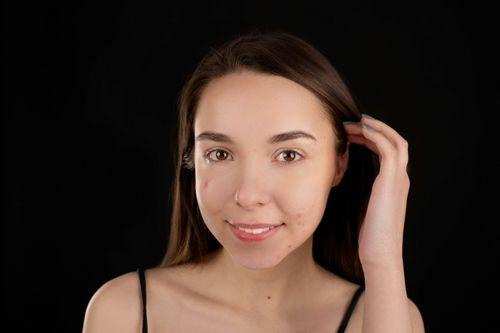
Fungal Acne on Back and Chest

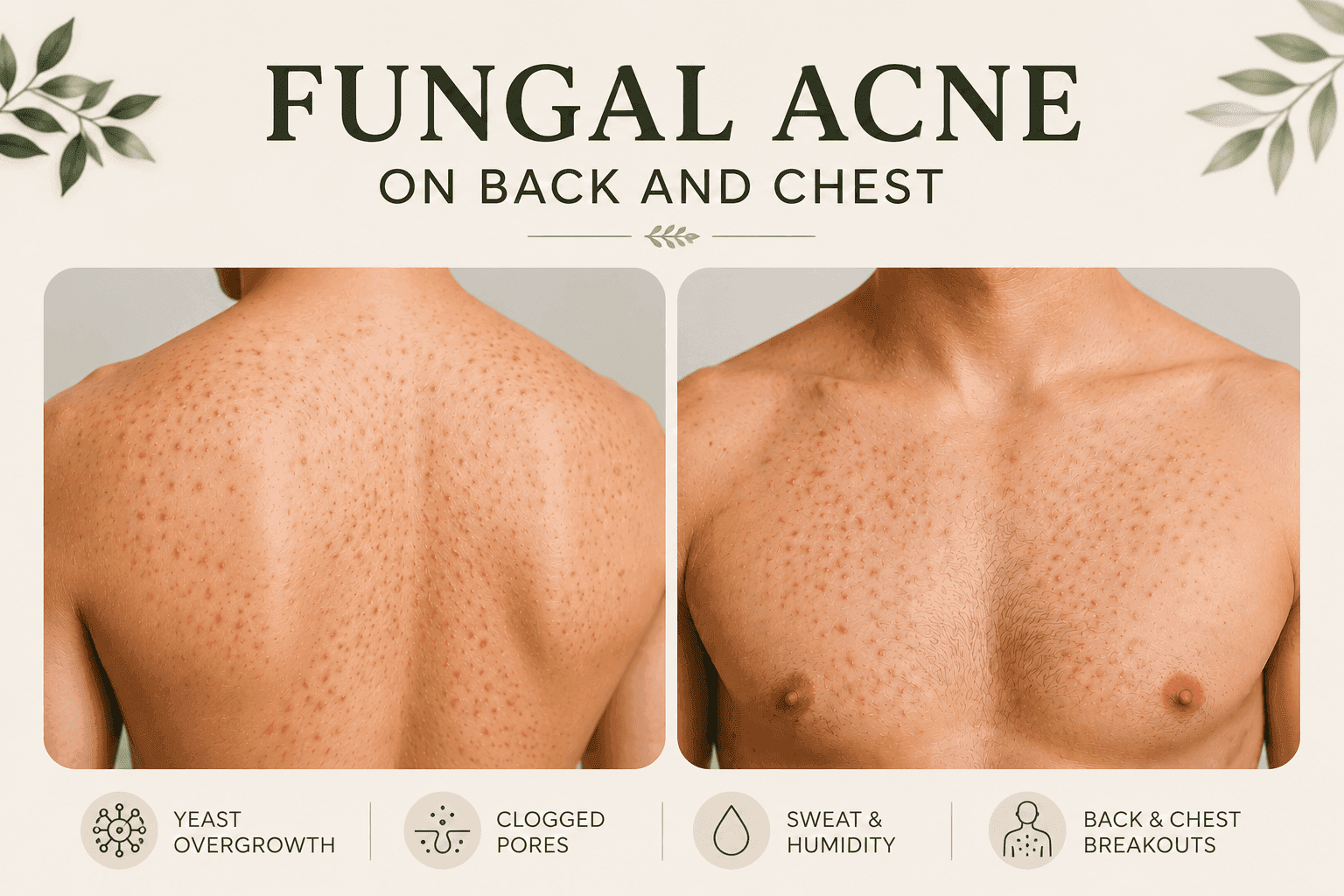
Fungal acne on the back and chest appears as small, uniform bumps that often itch and worsen with heat or sweat. Unlike bacterial acne, it's caused by an overgrowth of yeast that lives naturally on your skin, triggered by moisture, occlusion, and disrupted skin microbiome balance.
Key Takeaways:
- Fungal acne is not true acne but a yeast infection called pityrosporum folliculitis
- It thrives in warm, moist environments and appears as itchy, uniform bumps
- Common triggers include sweaty clothing, occlusive products, and antibiotics
- Traditional acne treatments often make it worse
- Managing moisture and restoring skin balance are essential
What Fungal Acne Actually Is
Fungal acne is a misleading name. The bumps on your back and chest aren't caused by the same bacteria responsible for traditional acne. Instead, they result from pityrosporum folliculitis, an overgrowth of Malassezia yeast inside your hair follicles. This yeast exists naturally on everyone's skin as part of the normal microbiome. Problems begin when conditions allow it to multiply beyond normal levels.
The yeast feeds on oils and thrives in warm, humid environments. When it overgrows, it triggers inflammation inside the follicle, creating small, itchy bumps that look remarkably similar to acne. The body recognizes this overgrowth as an irritant and responds with an immune reaction, which explains the redness and discomfort.
Why Your Back and Chest Are Vulnerable
The back and chest create ideal conditions for yeast overgrowth. These areas have high concentrations of sebaceous glands that produce sebum, the oily substance yeast feeds on. The upper body also experiences more friction from clothing, backpacks, and sports equipment, which traps heat and moisture against the skin.
When you exercise or spend time in hot environments, sweat accumulates on your back and chest longer than on exposed areas like your face. If you wear synthetic fabrics or tight clothing, moisture cannot evaporate properly. This creates a warm, damp microclimate where yeast multiplies rapidly. The longer sweaty clothing stays on your skin, the more opportunity yeast has to flourish.
Body lotions and sunscreens containing heavy oils or fatty acids can also feed the yeast. Many conventional skincare products include ingredients like coconut oil, shea butter, or fatty alcohols that Malassezia thrives on. When these products sit on your skin under clothing, they create an occlusive barrier that worsens the environment for yeast growth.
How Fungal Acne Differs From Bacterial Acne
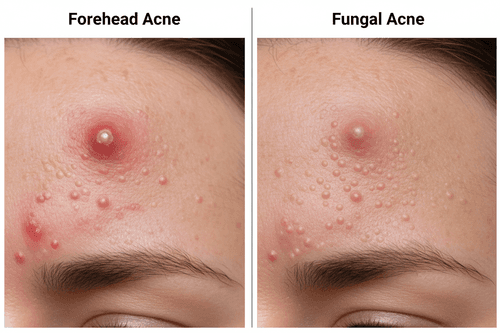
Understanding the difference helps explain why your usual acne treatments might not work. Bacterial acne appears as varying sizes of comedones, papules, pustules, and cysts. The bumps differ in size and stage of development. Fungal acne presents as clusters of small, uniform bumps that are similar in size and appearance. They rarely develop whiteheads or deep cysts.
The itch factor is another key distinction. Bacterial acne might be tender or painful, but it typically doesn't itch. Fungal acne often itches intensely, especially when you're warm or sweating. The itch comes from the inflammatory response to yeast overgrowth irritating nerve endings in the follicle.
Location patterns also differ. While bacterial acne can appear anywhere sebaceous glands exist, fungal acne favors the upper back, shoulders, and chest. It often appears in symmetrical patterns and may worsen in areas where clothing fits tightly or where sweat accumulates.
Common Triggers That Worsen Fungal Acne
Antibiotics create one of the most common triggers. When you take oral antibiotics for bacterial acne or other infections, they kill beneficial bacteria throughout your body, including on your skin. This disrupts the microbiome balance that normally keeps yeast populations in check. Without bacterial competition, yeast can multiply freely. Many people notice their first fungal acne outbreak after a course of antibiotics.
Hot, humid climates or seasons accelerate yeast growth. Summer months, tropical vacations, or living in humid regions all increase risk. The combination of heat, humidity, and increased sweating provides optimal conditions for Malassezia proliferation.
Immune system changes also play a role. Stress elevates cortisol levels, which can suppress immune function and alter skin oil production. Both changes can tip the balance toward yeast overgrowth. Similarly, certain medical conditions or medications that affect immune function may increase susceptibility.
Diet influences skin oil composition. High-carbohydrate and high-sugar diets can alter sebum production and possibly create a more favorable environment for yeast. While diet alone doesn't cause fungal acne, it may contribute to conditions that support overgrowth.
Skincare and haircare products matter more than most people realize. Conditioners, leave-in treatments, and styling products that run down your back in the shower can coat your skin with yeast-feeding ingredients. Body lotions, oils, and sunscreens formulated with fatty acids and esters provide food sources for Malassezia.
What Happens Inside Your Skin
The hair follicle becomes the site of conflict. Normally, Malassezia yeast lives peacefully on the skin surface and in follicles at manageable levels. When environmental conditions shift, the yeast multiplies and penetrates deeper into the follicle. As it feeds on sebum and breaks down fatty acids, it releases byproducts that irritate the follicle lining.
Your immune system detects these irritants and foreign invasion. It sends inflammatory cells to the area, causing the follicle wall to become inflamed and swollen. This inflammatory response creates the visible bump you see on the surface. The follicle opening may become blocked by dead skin cells and inflammatory debris, trapping the yeast inside and worsening the cycle.
Unlike bacterial acne where pus formation is common, fungal acne rarely produces true pustules. The bumps remain small, firm, and close to the surface. The inflammation stays localized to the follicle rather than spreading into surrounding tissue, which explains why fungal acne doesn't typically cause deep, painful cysts.
Why Traditional Acne Treatments Don't Work
Benzoyl peroxide and salicylic acid target bacteria and help with comedone formation. Since fungal acne isn't bacterial, these treatments address the wrong organism. You might see temporary improvement from the drying effects, but the underlying yeast overgrowth continues. In some cases, these treatments can strip the skin barrier, alter pH, and disrupt the microbiome further, potentially making fungal acne worse.
Retinoids increase cell turnover and prevent clogged pores but don't have significant antifungal properties. While they might help prevent follicle blockage, they won't reduce the yeast population causing the inflammation.
Oral or topical antibiotics are particularly problematic. They may initially seem to help because they reduce overall skin inflammation, but they kill beneficial bacteria that compete with yeast for resources. This often leads to worse fungal acne over time, creating a frustrating cycle where the treatment actually perpetuates the problem.
Early Signs and Patterns to Recognize
Fungal acne typically announces itself with sudden appearance of multiple small bumps across the shoulders, upper back, or chest. Unlike bacterial acne that gradually worsens, fungal acne can seem to appear overnight or worsen dramatically within days. This rapid onset often follows specific triggers like starting antibiotics, returning from a tropical vacation, or beginning a new exercise routine.
The bumps cluster in areas where sweat accumulates or clothing fits snugly. You might notice they're worse along your bra line, where backpack straps sit, or across the upper back where shirts trap moisture. The symmetrical pattern is characteristic - if one shoulder is affected, the other usually shows similar bumps.
The persistent itch distinguishes fungal acne from many other skin conditions. The itch often intensifies with warmth, during exercise, or at night when body temperature rises slightly. Scratching provides temporary relief but can spread the yeast and worsen inflammation.
Habits That Make It Worse
Staying in sweaty gym clothes after workouts creates extended exposure to the exact conditions yeast loves. Every minute that damp fabric sits against your skin provides opportunity for yeast multiplication. The friction from wet fabric also irritates follicles and potentially pushes yeast deeper into the skin.
Sharing towels, athletic equipment, or trying on clothing without protective barriers can transfer yeast between people. While everyone has Malassezia naturally, exposure to higher concentrations from contaminated fabrics can overwhelm your skin's balance.
Long, hot showers might feel relaxing, but extended heat and moisture exposure softens the skin barrier and creates ideal conditions for yeast penetration. Using body brushes or loofahs can also spread yeast across larger areas of skin while creating micro-abrasions that allow deeper colonization.
Layering occlusive products traps everything against your skin - sweat, oils, dead cells, and yeast. When these products contain yeast-feeding ingredients, they essentially create a feast while preventing air circulation that might help keep populations in check.
What Helps First
Reducing moisture exposure makes an immediate difference. Changing out of sweaty clothing within 30 minutes of exercise removes the humid environment yeast needs. Showering promptly after workouts washes away sweat, excess oils, and yeast before they penetrate follicles. If immediate showering isn't possible, changing into dry, breathable clothing helps.
Fabric choice matters significantly. Natural, breathable fabrics like cotton allow air circulation and moisture evaporation. Moisture-wicking athletic wear designed to pull sweat away from skin can help during exercise, but should be removed quickly afterward. Avoid tight, synthetic fabrics that trap heat and moisture against your back and chest.
Simplifying your body care routine eliminates potential yeast food sources. Remove heavy lotions, oils, and products with fatty acids. Read ingredient lists and avoid products containing coconut derivatives, esters, and fatty alcohols. Switch to lightweight, oil-free formulations or consider skipping body moisturizer on affected areas if your skin tolerates it.
Washing bedding and clothing in hot water helps eliminate yeast that might be living in fabrics. Yeast can survive in moist towels and sheets, potentially reinfecting your skin. Using fresh towels after each shower and changing pillowcases regularly reduces this risk.
Supporting Your Skin Barrier While Addressing Yeast
The skin barrier function becomes compromised during fungal acne outbreaks. Inflammation disrupts the lipid matrix that holds skin cells together, increasing transepidermal water loss and making skin more vulnerable to irritation. Supporting barrier repair helps your skin defend itself better while you address the yeast overgrowth.
Gentle cleansing without stripping protects the barrier while removing excess oil and yeast. Harsh soaps that leave your skin feeling tight and dry remove protective lipids and alter skin pH. This disruption can paradoxically trigger more oil production and create an environment where yeast can thrive despite frequent washing. Look for cleansers that respect skin pH and don't leave residue.
Maintaining adequate hydration supports all skin functions, including immune response and barrier integrity. Dehydration concentrates sebum and may alter its composition. Well-hydrated skin maintains better barrier function and more balanced oil production.
When to See a Dermatologist
Persistent bumps that don't improve with environmental and hygiene changes within a few weeks warrant professional evaluation. A dermatologist can confirm whether you're dealing with fungal acne or another condition that presents similarly. Several skin conditions create small bumps on the back and chest, including bacterial folliculitis, keratosis pilaris, or even viral infections.
Spreading or worsening symptoms despite your efforts suggest the overgrowth is too established for simple interventions to control. The yeast may have colonized deeply enough that topical measures cannot reach it effectively, or you might need stronger antifungal approaches than basic management provides.
Signs of infection require prompt attention. If bumps become increasingly red, warm, painful, or begin draining pus, you may have developed a secondary bacterial infection on top of the fungal overgrowth. This complication needs different treatment approaches.
Significant impact on your quality of life justifies seeking help. Constant itching, discomfort wearing certain clothing, or feeling self-conscious about your skin's appearance are valid reasons to pursue professional treatment. Effective solutions exist, and you don't need to struggle with ongoing symptoms.
| Environmental Factor | Why It Matters | Practical Adjustment |
|---|---|---|
| Post-exercise timing | Yeast multiplies in trapped sweat | Change within 30 minutes of sweating |
| Fabric type | Synthetics trap moisture | Choose breathable natural fibers |
| Product formulation | Many ingredients feed yeast | Use oil-free, fungal-acne-safe products |
| Shower temperature | Excessive heat opens follicles | Use lukewarm water, keep showers brief |
| Clothing fit | Tight garments trap heat | Wear loose-fitting tops when possible |
Understanding Internal Triggers: Clear Ritual's Perspective
While environmental changes and topical approaches help manage fungal acne symptoms, skin conditions rarely have single causes. Yeast overgrowth reflects a complex interaction between your skin microbiome, immune function, oil production patterns, hormonal influences, stress levels, and genetic predisposition. Temporary solutions may reduce visible symptoms, but recurring outbreaks often signal underlying imbalances that external treatments alone cannot fully address.
Clear Ritual combines Ayurveda, modern dermatology, and advanced skin science to understand individual triggers through a structured skin assessment. This approach recognizes that your specific fungal acne pattern may stem from different root causes than someone else's. One person might experience outbreaks primarily from stress-related immune changes, while another's symptoms might connect more strongly to hormonal fluctuations affecting oil composition. Understanding these personal patterns helps create more stable, long-term skin health rather than repeatedly addressing surface symptoms.
Frequently Asked Questions
Can fungal acne spread from person to person?
While Malassezia yeast exists naturally on everyone's skin, sharing towels, clothing, or athletic equipment can transfer higher concentrations of yeast between people. However, fungal acne primarily develops when your own skin conditions allow yeast overgrowth rather than from catching it from others. Maintaining good hygiene with personal items reduces unnecessary yeast exposure.
How long does it take for fungal acne to clear?
With consistent environmental changes and appropriate care, mild fungal acne often improves within two to four weeks. More established overgrowth may take longer to resolve completely. Progress typically shows as reduced itching first, then gradual flattening of bumps. New bumps should stop appearing before existing ones fully fade.
Can I still use sunscreen if I have fungal acne?
Yes, sun protection remains important. Choose mineral sunscreens with zinc oxide or titanium dioxide rather than chemical filters in heavy, oily bases. Look for oil-free, non-comedogenic formulations that don't contain fatty acids or esters that feed yeast. Apply only to exposed areas if possible, rather than under clothing.
Does fungal acne mean my skin is dirty?
Absolutely not. Fungal acne has nothing to do with cleanliness. It develops from an imbalance in the normal skin microbiome, triggered by environmental conditions, medications, or internal factors that allow yeast overgrowth. Excessive washing can actually worsen the condition by disrupting your skin barrier and microbiome balance further.
Will fungal acne come back after it clears?
Recurrence is possible if conditions that triggered the initial overgrowth return. Managing ongoing triggers like moisture exposure, using appropriate products, and supporting your overall skin health helps prevent new outbreaks. Some people remain more susceptible due to climate, lifestyle, or individual skin characteristics and need to maintain preventive habits.
Can diet changes help fungal acne?
Diet influences overall skin health, oil production, and immune function, which indirectly affects fungal acne susceptibility. Reducing high-sugar and high-carbohydrate foods may help some people by influencing sebum composition and reducing inflammation. However, diet alone rarely resolves fungal acne without addressing environmental triggers and moisture management.
Is fungal acne the same as back acne?
Not necessarily. Back acne is a general term describing any acne-like breakouts on the back, which could be bacterial acne, fungal acne, folliculitis, or other conditions. Fungal acne is a specific type caused by yeast overgrowth. The distinction matters because treatments differ significantly. True bacterial back acne responds to traditional acne treatments, while fungal acne requires different approaches.
Can stress cause fungal acne outbreaks?
Stress doesn't directly cause fungal acne, but it influences factors that contribute to outbreaks. Elevated cortisol from chronic stress can suppress immune function, alter oil production, and disrupt the skin microbiome balance. These changes can create conditions where yeast overgrows more easily. Stress management supports overall skin stability and may reduce outbreak frequency.
Editorial Standards
Hims & Hers has Strict sourcing guidelines to ensure our content is accurate and current. We rely on peer-reviewed studies, academic research institutions, and medical associations. We strive to use primary sources and refrain from using tertiary references. See a mistake? Learn More about our Editorial Standards.