Whiteheads: Causes, Symptoms, Treatment & Prevention Guide
Summary
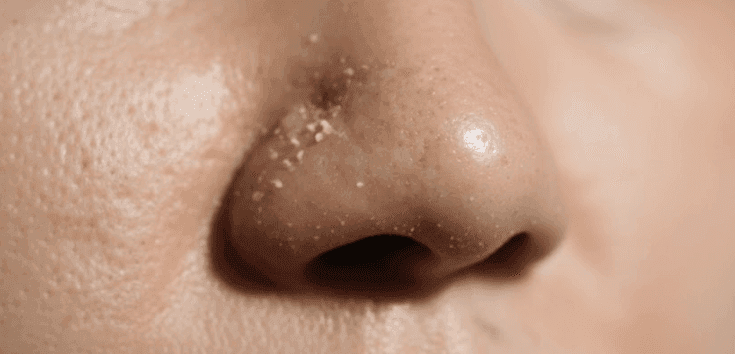
Whiteheads are a type of acne that form when oil and dead skin cells get trapped inside a pore, but the pore stays closed at the surface. Because the clog is not exposed to air, it does not turn dark like a blackhead. Instead, it appears as a small white, yellowish, or flesh-colored bump.
Treatment for whiteheads works best when it keeps pores clear without damaging the skin barrier. Ingredients like salicylic acid, retinoids, niacinamide, and azelaic acid can help when used correctly. Squeezing, harsh scrubbing, and repeated product changes may make the skin more irritated and can worsen the cycle.
Long-term improvement comes from understanding why your pores keep clogging and building a ritual that works with your skin’s actual pattern.
If you have stuck to a consistent skincare routine but still see tiny, stubborn bumps on your forehead and chin, you are likely dealing with clogged pores. In dermatology, these are called closed comedones, or whiteheads.
Standard acne washes often fail to clear whiteheads because they only clean the surface. To treat these deep rooted acne effectively, you have to address the root cause. The trigger can be an internal gut health imbalance or it can be a reaction to hidden ingredients like silicones in your products. Whiteheads are a signal that your skin’s natural shedding process has stopped.
This guide covers the essentials: what actually causes whiteheads, how to tell them apart from other skin conditions, and the specific skincare rituals required to get your skin’s natural cycle back on track for healthy skin.
What Are Whiteheads?
Whiteheads are small bumps that form when oil and dead skin cells get trapped inside a pore. The pore stays closed at the surface, so the clog remains under the skin instead of opening up.
This is what makes a whitehead different from a blackhead. A blackhead is open at the surface, so the trapped material turns dark when it comes in contact with air. A whitehead stays covered by a thin layer of skin, so it looks white, yellowish, or skin-colored.
Whiteheads are not a sign that your skin is dirty. Washing your face more often will not fix the reason your pores keep clogging. In fact, too much cleansing can make the skin feel tight, irritated, and more likely to react.
What Causes Whiteheads?
Whiteheads usually form when oil production, dead skin buildup, and pore blockage happen together. But the reason this happens can differ from person to person.
| Cause | How It Can Lead to Whiteheads | What It May Look Like |
|---|---|---|
| Excess Oil Production | When the skin produces more oil than the pore can clear, oil can mix with dead skin cells and create a closed clog. | Small bumps on the forehead, chin, nose, jawline, chest, or back |
| Slow Skin Cell Turnover | If dead skin cells do not shed smoothly, they can collect inside the pore and seal it shut. | Rough texture, tiny flesh-colored bumps, recurring clogged pores |
| Hormonal Changes | Hormonal shifts can make oil glands more active, especially during puberty, before periods, or during periods of stress. | Whiteheads that appear in patterns or worsen around certain times of the month |
| Stress | Stress may affect oil production and make the skin more reactive. | More bumps during high-stress periods, poor sleep, or irregular routines |
| Food Patterns | High-sugar foods, refined carbs, or fast-digesting meals may worsen acne-prone skin. | Whiteheads that seem worse when sleep, diet, and digestion patterns are off |
| Gut and Internal Balance | Poor sleep, digestive discomfort, irregular meals, and hormonal rhythm can influence the skin. | Skin that stays congested even when the routine seems correct |
| Heavy or Pore-Clogging Products | Rich creams, sunscreens, makeup, hair oils, or styling products may trap residue. | Whiteheads near the hairline, forehead, cheeks |
| Harsh Cleansers or Scrubs | Over-cleansing weakens the skin barrier. | Tightness, dryness, irritation, recurring bumps |
| Incomplete Makeup or Sunscreen Removal | Product buildup contributes to clogged pores. | Congestion after long days, sunscreen use, makeup use |
Recognizing the Symptoms of Whiteheads
Whiteheads usually appear as small, round, white or flesh-colored bumps under the skin. They are often painless and do not usually come with redness unless they become irritated or inflamed.
Common signs include:
- Small closed bumps that are white or skin-colored
- Uneven or bumpy skin texture
- Commonly appear on the forehead, nose, and chin
- Usually painless in the beginning
- Repeated appearance in the same areas
When Should You Seek Diagnostic Help?
Most whiteheads improve with a steady, barrier-safe routine. But if they keep returning, professional guidance may be needed.
Seek help if:
The Bumps Do Not Improve After 8 to 12 Weeks
If you have followed a suitable routine for 8 to 12 weeks without improvement, the issue may need professional evaluation.
They Become Painful or Inflamed
If whiteheads turn into painful red bumps, nodules, or cysts, treatment should be adjusted to prevent long-term marks.
They Are Itchy or Very Uniform
This may indicate fungal acne or folliculitis rather than whiteheads.
They Spread Across a Large Area
Widespread whiteheads may point to hormones, medications, or internal triggers.
How Are Whiteheads Diagnosed?
Whiteheads are usually diagnosed through a visual skin examination. A dermatologist looks at:
- Type of bumps
- Location
- Duration
- Whether inflammation is present
They may also ask about:
- Skincare products
- Diet
- Stress
- Hormonal history
- Previous treatments
- Chest or back breakouts
How Do You Treat Whiteheads?
Treatment works best when it clears the clogged pore without damaging the skin barrier.
Topical Ingredients That Help Clear Whiteheads
Common ingredients include:
- Salicylic acid — helps loosen buildup inside clogged pores
- Retinoids — improve skin cell turnover
- Benzoyl peroxide — helps when whiteheads are mixed with inflamed acne
- Azelaic acid — helps with clogged pores and post-acne marks
- Niacinamide — supports the skin barrier and reduces irritation
- Gentle AHAs — smooth texture when used carefully
Are Home Remedies for Whiteheads Safe?
Home remedies may support the skin, but they cannot reliably clear a closed comedone.
Safer supportive options include:
- Warm compresses
- Tea tree oil
- Honey and turmeric masks
- Steam rituals
- Witch hazel
Persistent cases often require professional treatment.
What Are the In-Clinic Options for Treating Whiteheads?
Dermatologists may recommend:
- Professional comedone extraction
- Chemical peels
- Prescription retinoids
- Combination acne therapy
- Treatment for marks or texture changes
Why Popping a Whitehead Is the Worst
Popping a whitehead can push the trapped oil deeper into the skin and increase inflammation.
This can lead to:
- Redness
- Pain
- Swelling
- Dark marks
- Longer healing time
A safer option is consistent use of active ingredients and professional extraction when needed.
What Not to Do When You Have Whiteheads
Avoid:
- Squeezing or picking
- Scrubbing with rough exfoliants
- Using too many active ingredients together
- Applying thick oils to acne-prone areas
- Skipping sunscreen
- Changing products too often
How Long Does a Whitehead Take to Be Treated?
Recurring whiteheads usually need 6 to 8 weeks of consistent care.
| Timeline | What May Happen |
|---|---|
| First few days | A mild whitehead may settle on its own |
| 1–2 weeks | Skin may feel less oily or congested |
| 4 weeks | Some areas may look smoother |
| 6–8 weeks | Treatments begin showing clearer results |
| 8–12 weeks | Recurring whiteheads improve noticeably |
| More than 12 weeks | Dermatologist consultation is recommended |
Prevention Routine for Long-Term Whitehead Treatment
Consistency is the permanent treatment for whiteheads.
Make a routine of:
- Regular cleansing
- Double cleansing at night
- Hydration with acne-safe moisturizers
- Cleaning your phone and pillowcase regularly
- Reducing high-glycemic foods
- Managing stress and cortisol levels
What Does a Clear Ritual Whitehead Treatment Look Like?
At Clear Ritual, treatment follows a 3-phase timeline.
| Phase | Timeline | What Happens |
|---|---|---|
| Phase 1 | The Detox (Weeks 1–3) | Trapped whiteheads begin surfacing |
| Phase 2 | Texture Refinement (Weeks 4–8) | Texture smooths and congestion reduces |
| Phase 3 | The Clear State (Months 3+) | Barrier strengthens and pores appear smaller |
Conclusion
Whiteheads are common, but they are not always simple.
They form when oil and dead skin cells get trapped under the skin, but the reasons differ for everyone.
The right treatment starts with understanding your skin’s actual pattern and choosing ingredients, habits, and support that work with your skin instead of against it.
Frequently Asked Questions
1. What is the main cause of whiteheads?
Dead skin cells fail to shed properly and trap oil beneath the surface.
2. Do whiteheads go away?
Yes, but they often take weeks or months without proper treatment.
3. Can besan remove whiteheads?
Besan may help with prevention, but it cannot remove deep closed comedones.
4. Are whiteheads hereditary?
Partially. You can inherit oil gland size and slower skin turnover.
5. Can hard water cause whiteheads?
Yes. Hard water can leave residue that blocks pores and reduces treatment effectiveness.
Citations
Editorial Standards
Hims & Hers has Strict sourcing guidelines to ensure our content is accurate and current. We rely on peer-reviewed studies, academic research institutions, and medical associations. We strive to use primary sources and refrain from using tertiary references. See a mistake? Learn More about our Editorial Standards.
Related Articles
The Acne-Diet Connection: What Science Really Says
Published April 22, 2026

Best Ingredients to Treat Whiteheads (Dermatologist-Approved)
Published April 22, 2026
Blackheads and Whiteheads Removal What Works and What Doesn’t
Published April 22, 2026
Can Face Masks Cause Whiteheads? Ingredients to Watch Out For
Published April 22, 2026