




Causes of Comedonal Acne
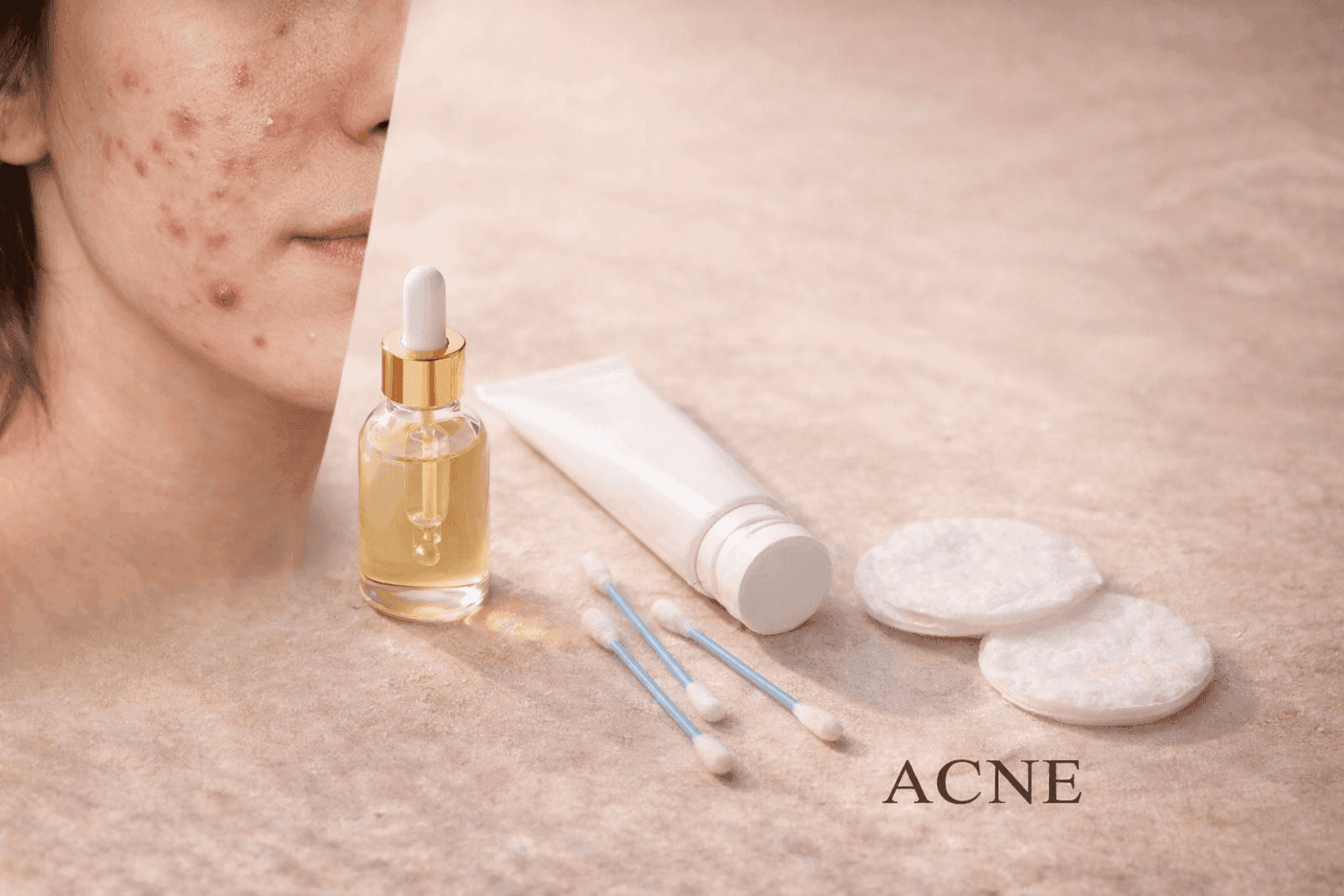
Comedonal acne develops when dead skin cells and sebum accumulate inside your pores, forming closed plugs beneath the surface. Unlike inflamed acne, comedones remain non-infected but create those persistent bumps and rough texture that resist typical breakout treatments because they require different intervention strategies.
Key Takeaways:
- Comedones form when pore openings become blocked by excess keratin and sebum
- Slower skin cell turnover causes dead cells to accumulate rather than shed naturally
- Thick or occlusive products can physically trap debris inside follicles
- Hormonal fluctuations increase both oil production and cell buildup
- Comedonal acne doesn't involve bacterial infection like inflammatory acne does
What Actually Happens Inside Your Pores
Your skin constantly produces new cells in the deeper layers while shedding older ones from the surface. In healthy skin, this turnover process keeps pores clear. Sebaceous glands release oil through the same opening, lubricating skin as it travels upward.
Comedonal acne disrupts this flow. Dead skin cells stick together instead of detaching properly, while sebum production may increase. These materials accumulate inside the follicle, forming a soft plug. The pore opening either stays closed, creating a whitehead beneath the surface, or partially opens, allowing oxidation that turns the top dark - forming a blackhead.
The process differs fundamentally from inflammatory acne. No significant bacterial activity occurs, and your immune system doesn't mount an inflammatory response. This explains why comedones feel firm rather than tender, and why antibacterial treatments often prove ineffective.
Primary Biological Factors Behind Comedone Formation
Abnormal Keratinization Patterns
The medical term for this is retention hyperkeratosis. Your pore lining produces too many keratinocytes - skin cells rich in keratin protein - and these cells don't separate normally. Instead of individual cells shedding into the follicle and exiting easily, they clump together in sticky sheets.
This thickened cell layer narrows the follicular channel. Even normal sebum amounts struggle to pass through the restricted opening. The bottleneck effect creates the perfect environment for comedone development.
Sebum Production Variables
Sebaceous glands respond to androgens, hormones present in everyone regardless of sex. When androgen levels rise or your glands become more sensitive to normal levels, sebum production increases. Thicker sebum with altered lipid composition flows less freely through already-narrowed channels.
Interestingly, sebum quality matters as much as quantity. Some people produce lighter oils that exit pores easily, while others generate heavier sebum that solidifies more readily when mixed with cellular debris.
Follicular Structure Differences
Genetics influence your pore architecture. Some people naturally have smaller follicular openings or longer, more twisted follicular canals. These structural variations make debris accumulation more likely even with perfect skincare habits.
The density and activity of sebaceous glands also varies by genetics and body location. Your forehead, nose, and chin typically have larger, more active oil glands, explaining why comedones cluster in the T-zone.
External Triggers That Worsen Comedone Development
Cosmetic and Skincare Product Interactions
Heavy moisturizers, thick sunscreens, and oil-based makeup can physically occlude pore openings. Even non-comedogenic products may cause problems if your particular skin reacts to specific ingredients. Silicones, certain fatty alcohols, and emollients sit on the skin surface, potentially trapping the cellular material trying to exit follicles.
Layering multiple products increases occlusion risk. When you apply serum, moisturizer, sunscreen, primer, and foundation daily, you create a barrier that may prevent natural sebum flow and cell shedding.
Mechanical and Environmental Factors
Friction from hats, headbands, phone contact, or face masks creates pressure against pore openings. This mechanical occlusion prevents normal sebum exit while potentially pushing surface debris deeper into follicles.
Humid environments increase swelling in the uppermost skin layer. This temporary thickening can compress pore openings, contributing to blockages. Conversely, very dry conditions may cause compensatory oil production that overwhelms your skin's clearing capacity.
Pollution particles settle on skin, mixing with sebum and potentially entering pores. These microscopic particles may contribute to the sticky matrix that forms comedones, though research in this area continues evolving.
Cleansing Extremes
Over-washing strips protective lipids from your skin surface. Your body interprets this disruption as a barrier emergency and increases sebum production to compensate. The rebound oil production can overwhelm pores already struggling with dead cell accumulation.
Harsh cleansers and aggressive scrubbing also trigger low-grade inflammation in the follicle lining. This irritation causes the channel to swell slightly and produce even more cells, worsening the retention hyperkeratosis that drives comedone formation.
Conversely, under-cleansing allows surface oils, makeup residue, and environmental debris to accumulate. This external layer can essentially cap pore openings, preventing the natural clearing process.
Hormonal Influences on Comedone Patterns
Androgenic Activity
Testosterone and related androgens stimulate sebaceous glands directly. During puberty, hormonal surges explain why comedonal acne often appears first. But adult hormonal fluctuations also matter significantly.
Women may notice comedone patterns shifting with menstrual cycles. The luteal phase, the two weeks before menstruation, brings higher progesterone levels that can increase both sebum production and cellular proliferation in follicle walls.
Conditions affecting androgen levels - such as polycystic ovary syndrome - frequently present with comedonal acne as a persistent symptom. The chronically elevated androgens keep sebaceous glands in overdrive while altering normal cell turnover rhythms.
Stress Hormone Effects
Cortisol elevation from chronic stress creates multiple effects relevant to comedone formation. This hormone increases overall inflammation in your body, which can affect how efficiently your follicle lining cells separate and shed.
Stress also impacts sleep quality and duration. During deep sleep, your skin performs essential repair and renewal processes. Disrupted sleep means less efficient cell turnover, contributing to the accumulation problem that creates comedones.
Insulin and Growth Factors
Diets high in refined carbohydrates and sugars spike insulin levels repeatedly throughout the day. Insulin increases insulin-like growth factor 1 (IGF-1), which stimulates both sebaceous gland activity and keratinocyte proliferation - the exact combination that promotes comedone development.
This mechanism helps explain why some people notice improved comedonal acne when reducing sugar intake, even though diet alone rarely resolves the condition completely.
Lifestyle Patterns That Influence Comedone Persistence
Sleep Deprivation Consequences
Insufficient sleep disrupts the natural circadian rhythm that governs skin cell production and shedding. Your epidermis renews most actively during night hours. Consistently short sleep periods mean incomplete turnover cycles, leaving more dead cells available to plug follicles.
Sleep loss also elevates cortisol, creating the stress hormone effects mentioned earlier. This combination makes comedonal acne particularly stubborn in people with chronic sleep issues.
Dietary Patterns
Beyond sugar's insulin effects, dairy products contain hormones and bioactive molecules that may influence sebaceous gland activity in susceptible individuals. The evidence remains debated, but some people notice comedone improvement when limiting dairy consumption.
Extremely low-fat diets may paradoxically worsen skin health. Your body requires adequate healthy fats to produce balanced sebum with the right consistency. Severely restricted fat intake sometimes results in thicker, stickier sebum that plugs pores more easily.
Hydration Status
Chronic mild dehydration concentrates sebum, making it thicker and more likely to solidify inside follicles. Adequate water intake helps maintain sebum fluidity, though hydration alone won't prevent comedones in people with underlying retention hyperkeratosis.
Common Comedone Distribution Patterns
| Location | Why Comedones Develop Here | Typical Presentation | |----------|---------------------------|---------------------| | Forehead | High sebaceous gland density, frequent product application, hair contact | Small whiteheads, sometimes textured patches | | Nose | Largest pores, most active oil glands, mechanical pressure from touching | Mix of blackheads and whiteheads, visible pore texture | | Chin | Hormone-sensitive area, hand contact, maskne contribution | Closed comedones that may become inflamed | | Cheeks | Cosmetic layering, phone contact, pillow friction | Scattered comedones, often product-related | | Jawline | Androgen-sensitive region, occlusion from scarves or high collars | Deeper closed comedones along jaw edge |
Why Comedonal Acne Differs From Other Acne Types
Absence of Infection and Inflammation
Propionibacterium acnes bacteria, which thrive in inflammatory acne lesions, don't proliferate significantly in comedones. The plugged environment lacks the deeper infection that creates red, painful papules and pustules.
This difference matters tremendously for treatment selection. Antibiotics and antibacterial ingredients that work well for inflammatory breakouts provide minimal benefit for comedones. The treatment target shifts from killing bacteria to normalizing the cell turnover and sebum flow.
Response to Treatment Approaches
Comedonal acne requires patience because the accumulated material must gradually work its way out as cell turnover normalizes. Unlike inflammatory lesions that can improve within days once infection reduces, comedones may take weeks or months to clear even with appropriate intervention.
Attempting to physically extract comedones through squeezing often damages the follicle wall, potentially triggering the inflammation that converts a simple comedone into a painful inflamed lesion.
Signs Your Comedones Need Professional Evaluation
Most comedonal acne responds to consistent gentle skincare adjustments and patience. However, certain patterns suggest you should consult a dermatologist:
Extensive coverage: When comedones cover large areas of your face, chest, or back rather than clustering in typical zones, underlying hormonal or metabolic factors may need investigation.
Sudden onset in adults: Comedonal acne appearing for the first time after age 25, especially if accompanied by other symptoms like irregular periods or unexplained weight changes, warrants hormonal evaluation.
Resistance to appropriate care: If you've maintained gentle cleansing, avoided occlusive products, and given your skin adequate time to respond without improvement, professional treatments become necessary.
Progression to inflammation: When closed comedones increasingly become inflamed, developing into papules or pustules, you may need intervention to prevent scarring.
Impact on wellbeing: Persistent comedones affecting your confidence or quality of life justify professional guidance, regardless of clinical severity.
Understanding Your Skin Barrier Role
The skin barrier - your outermost protective layer - influences comedone development in subtle but important ways. A compromised barrier triggers increased cellular turnover as your skin attempts rapid repair. This accelerated production can overwhelm the normal shedding process, contributing to follicular plugging.
Barrier disruption also alters the skin surface pH. Healthy skin maintains slight acidity that helps dead cells detach properly. When harsh products or over-washing disturb this pH balance, the altered chemistry affects how easily cells separate and shed.
Supporting barrier health doesn't directly treat comedones but creates the foundation for other interventions to work effectively. Disrupted barrier function can undermine even appropriate comedone-targeted treatments.
Microbiome Considerations in Comedone Formation
Your skin hosts diverse bacterial communities that influence pore health. While P. acnes doesn't drive comedone formation, the broader microbial ecosystem affects how efficiently your skin completes its turnover cycle and maintains clear follicles.
Harsh antibacterial products disrupt this balance, potentially removing beneficial organisms that help maintain skin homeostasis. The resulting dysbiosis may indirectly contribute to the cellular and sebum abnormalities underlying comedones.
Conversely, excessive bacterial proliferation from inadequate cleansing can contribute to biofilm formation in pores. These bacterial communities produce enzymes and metabolic byproducts that may affect the texture and cohesiveness of follicular contents.
The Multi-Factorial Reality of Comedone Persistence
Understanding why your particular comedones persist requires recognizing that multiple factors typically operate simultaneously. You might have moderate genetic predisposition, worsened by specific product choices, influenced by hormonal patterns, and maintained by certain lifestyle factors.
This complexity explains why single-intervention approaches - changing one product, eliminating one food, trying one ingredient - often bring disappointing results. The comedones improve slightly but never fully resolve because other contributing factors continue operating.
Successful management typically requires addressing several relevant factors: normalizing the follicular cell turnover, ensuring sebum can exit freely, supporting barrier function, and identifying personal triggers whether hormonal, product-related, or lifestyle-based.
Understanding Internal Triggers: Clear Ritual's Perspective
Comedonal acne develops through complex interactions between hormones, cellular behavior, sebum chemistry, barrier function, and individual sensitivity patterns. Common approaches like switching cleansers, trying specific ingredients, or eliminating certain foods may provide temporary improvement, but they often address only one aspect of a multi-factorial condition. Without understanding your specific internal and external triggers, you may find yourself trying endless products with limited lasting results. Clear Ritual combines Ayurveda, modern dermatology, and advanced skin science to understand individual triggers through a structured skin assessment. This integrative approach recognizes that the same comedone pattern may have different root causes in different people - hormonal sensitivity in one person, barrier disruption in another, or product incompatibility in a third. Understanding these personalized trigger patterns allows for more targeted approaches to long-term skin stability rather than temporary symptom management.
Frequently Asked Questions
What's the difference between closed and open comedones?
Closed comedones (whiteheads) remain completely covered by skin, with no opening to air exposure. Open comedones (blackheads) have a dilated pore opening where sebum and keratin oxidize upon air contact, creating the dark appearance. The blackness isn't dirt but oxidation of the accumulated material.
Can comedonal acne turn into cystic acne?
Comedones themselves don't contain active infection, but the plugged follicle can rupture beneath the skin surface. When follicle wall contents leak into surrounding tissue, your immune system responds with inflammation. This can develop into deeper papules, nodules, or cysts, especially if the comedone is manipulated or squeezed.
Why do I only get comedones in certain areas?
Sebaceous gland size, density, and androgen sensitivity vary across your face and body. Genetic factors determine where your most active oil glands cluster. Product application patterns, mechanical friction, and even sleeping positions also influence where comedones develop most readily in your particular case.
How long does it take for comedones to clear naturally?
Individual comedones follow the skin turnover cycle, which averages 28 days in young adults and lengthens with age. However, if the underlying factors causing comedone formation continue, new ones form as older ones clear. Without addressing root causes, the condition persists indefinitely rather than resolving spontaneously.
Do pore strips effectively treat comedonal acne?
Pore strips remove only the uppermost portion of comedone contents - the visible tip. The deeper material remains in the follicle, and the comedone typically refills within days. Strips also create temporary inflammation and can damage the delicate tissue around pore openings with repeated use.
Is comedonal acne related to diet?
Diet influences comedone development through hormonal pathways rather than direct effects. High glycemic foods increase insulin and IGF-1, which stimulate sebum production and cellular proliferation. Dairy may affect hormone levels in some individuals. However, dietary changes alone rarely resolve comedonal acne without addressing other contributing factors.
Can stress cause comedonal acne?
Stress elevates cortisol, which indirectly affects comedone formation through multiple mechanisms: increased inflammation, disrupted sleep affecting cell turnover, potential impacts on eating patterns, and effects on barrier function. Stress rarely causes comedones alone but worsens existing tendencies and slows improvement.
Should I extract my own comedones?
Professional extraction by trained aestheticians or dermatologists uses proper technique and sterile tools to minimize damage. Home extraction typically causes follicle wall trauma, introduces bacteria, triggers inflammation, and risks converting simple comedones into inflamed lesions or scars. Patience with appropriate care produces better long-term outcomes.
Editorial Standards
Clear Ritual has Strict sourcing guidelines to ensure our content is accurate and current. We rely on peer-reviewed studies, academic research institutions, and medical associations. We strive to use primary sources and refrain from using tertiary references. See a mistake? Learn More about our Editorial Standards.



