




Climate & Blackheads: Why Your City’s Weather Affects Your Skin
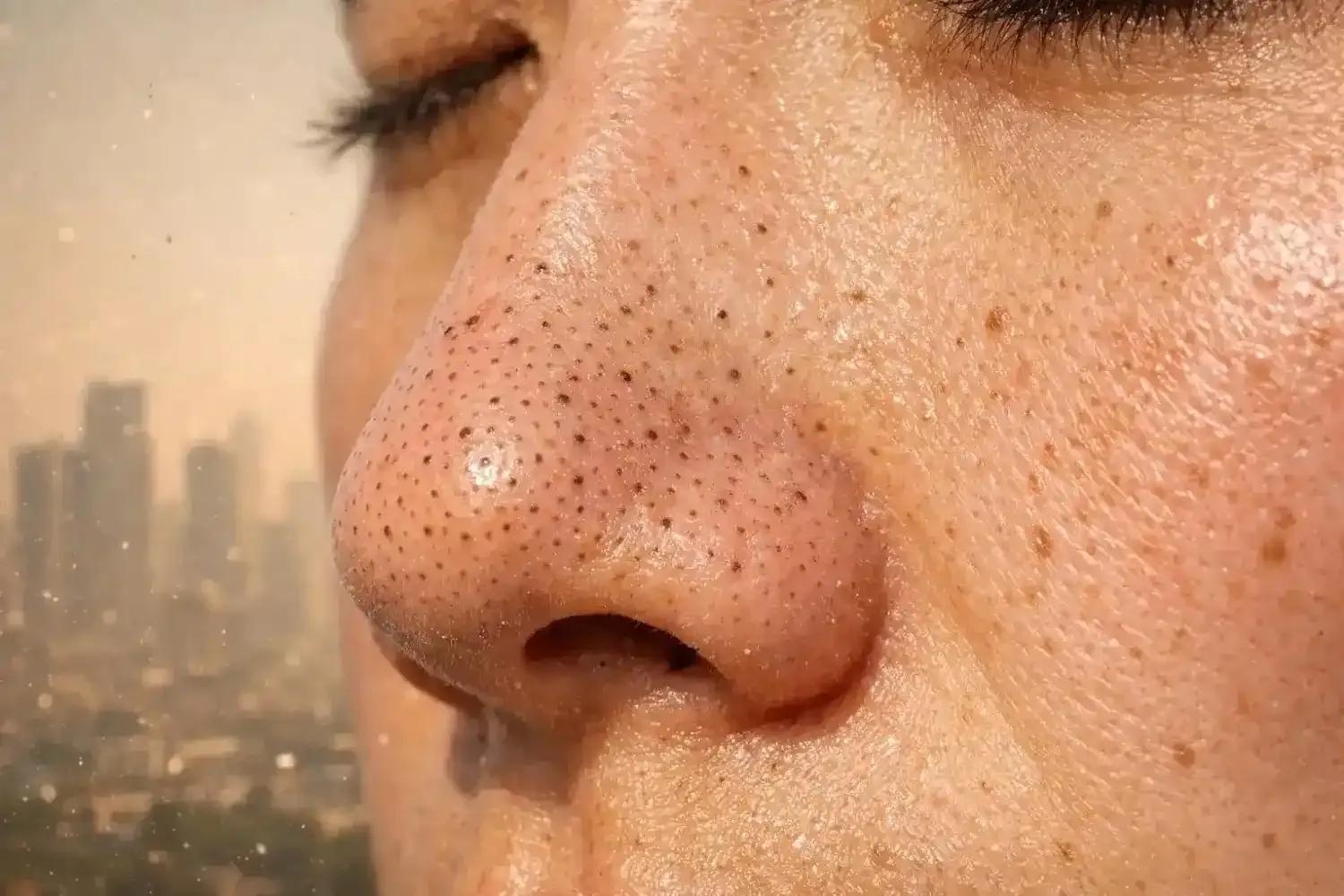
Introduction — The Hidden Link Between Weather and Blackheads
Ever noticed your blackheads get worse in summer or your skin suddenly feels smoother after a vacation? That’s not coincidence—it’s climate science.
Blackheads, or open comedones, form when pores get clogged with excess oil (sebum), dead skin cells, and impurities. But the environment you live in plays a surprisingly big role in how often these pores get blocked.
From the sticky humidity of Mumbai to the dry air of Dubai, your city’s temperature, moisture, and pollution levels can directly change how your skin behaves. In fact, dermatologists note up to a 30% increase in acne and blackheads in humid climates due to overactive oil glands.
Let’s decode the science behind it and help you build a climate-smart skincare routine that keeps your pores clear—no matter where you live.
The Science Behind Climate & Skin Behavior
Your skin is constantly responding to its surroundings. Temperature, humidity, and air quality all influence how your skin barrier, sebum glands, and pores function. Here’s how it works:
-
Sebum Production: In heat and humidity, sebaceous glands go into overdrive, secreting more oil that can clog pores.
-
Sweat & Bacteria: Warm, moist conditions encourage bacterial growth on the skin’s surface, worsening blackhead formation.
-
Cold Climate Dehydration: When air is dry, skin compensates by producing extra oil, leading to congestion and comedones.
-
Air Pollution: Pollutants and particulate matter mix with sebum and oxidize, darkening and hardening blackheads.
Suggested graphic: “How Climate Affects Skin Physiology” — illustrating the link between temperature → oil secretion → clogged pores.
How Different Climates Affect Blackheads
1. Humid & Tropical Climates
Examples: Mumbai, Singapore, Miami
High humidity means overactive oil glands and sticky skin. Sweat, combined with pollution, traps dirt in pores—creating the perfect breeding ground for blackheads.
Skincare Focus:
-
Choose lightweight, oil-free moisturizers
-
Use clay masks or salicylic acid exfoliants 2–3 times a week
-
Avoid thick creams that trap moisture and sebum
2. Dry & Desert Climates
Examples: Dubai, Phoenix, Cairo
Dry air draws moisture out of the skin, causing dehydration. Your body compensates by producing more oil—leading to blackheads despite dryness. Flaky skin can also trap oil beneath dead cells.
Skincare Focus:
-
Prioritize hydration-first routines (hyaluronic acid, ceramides)
-
Use gentle exfoliators to remove dead cells
-
Apply non-comedogenic moisturizers to seal hydration
3. Cold & Temperate Climates
Examples: London, Toronto, Seoul
Cold air and indoor heating weaken your skin barrier, causing oil imbalances. Thick winter creams can also clog pores, leading to blackheads even during dry months.
Skincare Focus:
-
Use balancing moisturizers rich in lipids but non-greasy
-
Avoid overly occlusive ingredients like petroleum jelly
-
Gentle exfoliation 1–2 times per week to maintain clarity
4. Polluted Urban Environments
Examples: Delhi, Beijing, Los Angeles
Pollution and particulate matter stick to the skin, mixing with oil and oxidizing it—causing darker, more stubborn blackheads.
Skincare Focus:
-
Incorporate antioxidants like Vitamin C or niacinamide
-
Follow double cleansing (oil cleanser + gel cleanser)
-
Strengthen the skin barrier with ceramide-rich formulas
Climate vs. Blackheads — Quick Comparison Table
| Climate Type | Common Skin Issues | Triggers for Blackheads | Best Skincare Focus |
|---|---|---|---|
| Humid/Tropical | Oily, congested skin | Excess sebum, sweat | Lightweight, oil-control formulas |
| Dry/Desert | Flaky, dehydrated skin | Compensatory oil production | Deep hydration, gentle cleansing |
| Cold/Temperate | Barrier disruption | Thick creams, imbalance | Moisture balance, mild exfoliation |
| Polluted/Urban | Dull, clogged pores | Pollution buildup | Antioxidants, double cleansing |
How to Adapt Your Skincare Routine to Your City’s Weather
Here’s how you can fine-tune your skincare for your local climate:
-
Assess your environment: Consider humidity, temperature, and pollution levels.
-
Cleanser switch: Use gel-based cleansers in humid cities and creamy ones in dry weather.
-
Moisturizer match: Oil-free formulas for tropical zones; barrier-repairing creams for dry climates.
-
SPF always: UV rays oxidize oil, worsening blackheads.
-
Weekly reset: Use exfoliating acids or clay masks to keep pores clear.
Dermatologist Insight: “Your skin’s needs change with the season. Adjusting your routine by climate can reduce blackheads and breakouts by up to 40%.”
Myths vs. Facts: Weather & Blackheads
-
Myth: Cold weather cures blackheads. Fact: It can cause dryness and rebound oiliness.
-
Myth: Blackheads mean poor hygiene. Fact: They often stem from oil imbalance caused by climate.
-
Myth: Sunscreen clogs pores. Fact: Modern sunscreens are non-comedogenic and essential for protection.
Expert Tips for Preventing Climate-Induced Blackheads
-
Use salicylic acid (BHA) to dissolve sebum inside pores.
-
Avoid over-washing—it strips natural oils, worsening blackheads.
-
Adjust your moisturizer seasonally to avoid barrier stress.
-
Always remove sunscreen and pollution buildup before bed.
-
Try skin cycling: exfoliation → hydration → rest → repeat to adapt to weather shifts.
Pro Tip: Introduce niacinamide during weather transitions—it helps regulate sebum and strengthen your barrier.
FAQs About Weather and Blackheads
Does humidity cause more blackheads? Yes. High humidity increases sebum and sweat, which can trap dirt and bacteria in pores.
Why do blackheads worsen in summer? Heat and sweat mix with oil, oxidizing in open pores and darkening blackheads.
Can moving to a new city affect your skin? Absolutely. Your skin needs time to adapt to changes in humidity, temperature, and water quality.
How does air pollution darken blackheads? Pollutants oxidize sebum, turning it darker and harder to extract.
Should I exfoliate more in humid weather? Yes, but limit it to 2–3 times a week to prevent barrier damage.
Conclusion — Your Skin Is a Climate Mirror
Your skin is more responsive to your city’s weather than you might think. From oily congestion in summer to barrier dryness in winter, your climate shapes your pore behavior.
The good news? You can’t control your city’s weather—but you can control how your skin responds.
Start with simple switches: the right cleanser, moisturizer, and sunscreen for your climate.
Discover climate-smart skincare routines—consult a dermatologist or try a personalized routine quiz today.
Editorial Standards
Clear Ritual has Strict sourcing guidelines to ensure our content is accurate and current. We rely on peer-reviewed studies, academic research institutions, and medical associations. We strive to use primary sources and refrain from using tertiary references. See a mistake? Learn More about our Editorial Standards.



