




Common Triggers That Worsen Acne Prone Skin
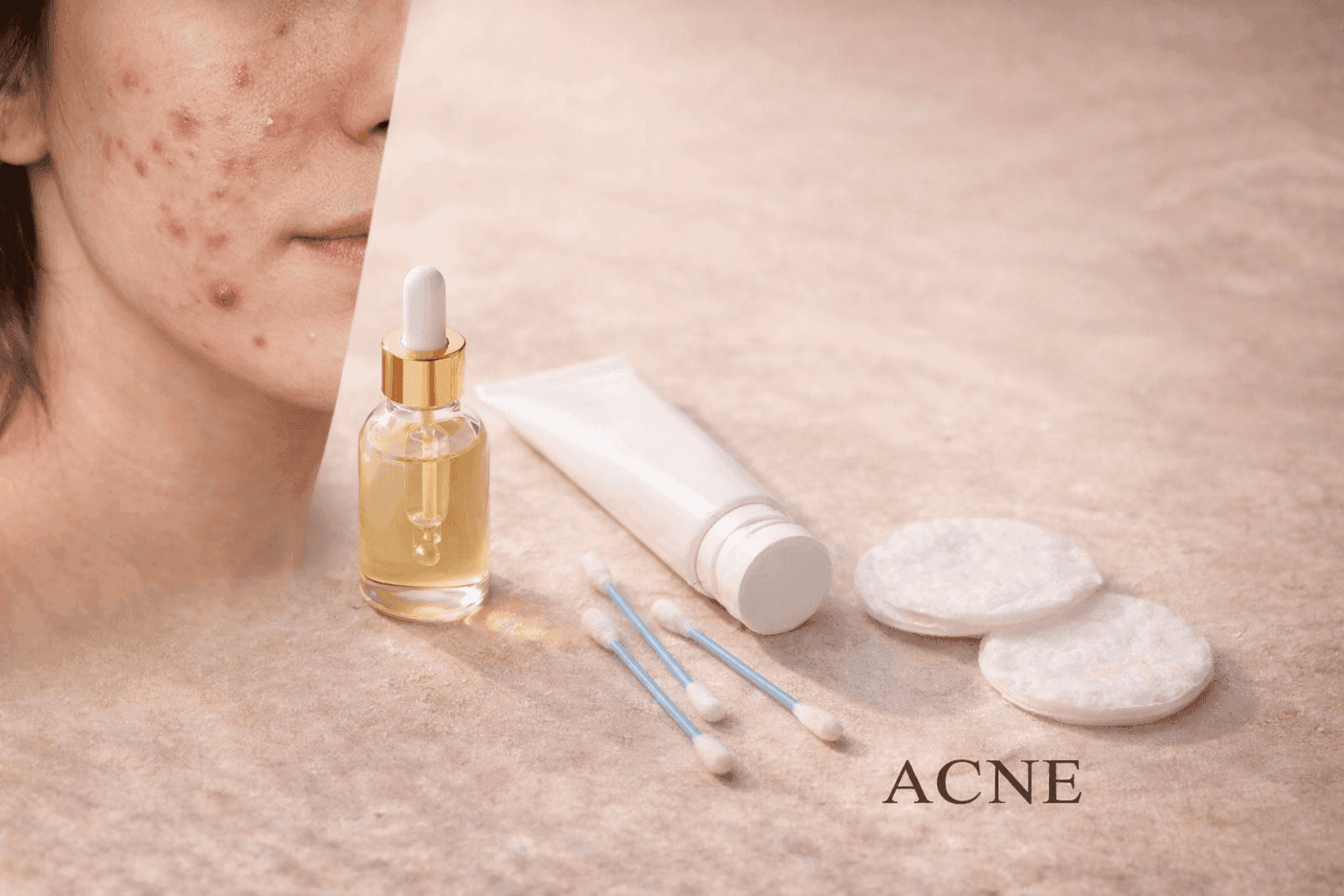
Acne prone skin often flares when exposed to specific environmental, dietary, and lifestyle factors that increase oil production, clog pores, and trigger inflammation. Understanding these triggers helps you identify patterns in your breakouts and make informed adjustments that support clearer, more stable skin over time.
Key Takeaways:
- Hormonal fluctuations, high-glycemic foods, and stress increase sebum production and inflammation
- Over-cleansing and harsh products damage the skin barrier, worsening acne cycles
- Friction from masks, phones, and fabrics can mechanically trigger breakouts
- Environmental factors like humidity and pollution affect pore congestion
- Sleep deprivation and dehydration compromise skin repair and barrier function
What Makes Skin Acne Prone
Acne prone skin typically produces more sebum than needed, has a tendency toward inflammation, and experiences frequent pore blockages. This happens when dead skin cells shed too quickly and mix with excess oil, creating plugs inside hair follicles. When bacteria multiply in these blocked pores, the immune system responds with inflammation, resulting in red, swollen breakouts.
Not everyone with oily skin develops acne, and not all acne appears on oily skin. The condition involves multiple factors including genetics, hormone sensitivity, barrier function, and how your skin responds to internal and external stressors.
Hormonal Fluctuations and Oil Production
Androgens like testosterone stimulate sebaceous glands to produce more oil. During puberty, menstrual cycles, pregnancy, or times of hormonal imbalance, these fluctuations directly increase sebum output. More oil means more opportunity for pores to become clogged.
Cortisol, the stress hormone, also influences oil glands. Chronic stress keeps cortisol elevated, which can amplify inflammation throughout the body and in the skin. This creates a cycle where stress worsens acne, and acne increases stress.
Women often notice breakouts before menstruation when progesterone rises and estrogen drops. This shift increases oil production and can cause the skin to retain more water, making pores appear smaller and more easily blocked.
Dietary Triggers That Affect Skin Behavior
Certain foods influence how your skin behaves, particularly through insulin and inflammatory pathways. High-glycemic foods like white bread, sugary snacks, and processed cereals cause rapid blood sugar spikes. Your body releases insulin to manage this spike, which in turn stimulates oil glands and increases inflammation.
Dairy products, especially skim milk, have been associated with acne in multiple studies. The exact mechanism remains unclear, but theories include hormone content in milk and the insulin response dairy triggers. Some people notice significant improvement when they reduce or eliminate dairy, while others see no change.
Inflammatory fats found in fried foods and heavily processed snacks may worsen skin inflammation. Omega-6 fatty acids, when consumed in excess without balancing omega-3s, can promote inflammatory processes that affect acne severity.
Dehydration thickens sebum, making it harder for oil to flow naturally out of pores. When oil becomes sticky and dense, it more easily traps dead skin cells and bacteria.
Skincare Habits That Backfire
Over-cleansing strips away the lipid barrier that protects your skin. When you remove too much natural oil, your skin interprets this as a drought and responds by producing even more sebum. This rebound effect often makes acne worse rather than better.
Harsh scrubs and aggressive exfoliation cause micro-tears in the skin and trigger inflammation. Acne prone skin is already inflamed, so adding mechanical irritation compounds the problem. The skin responds by thickening its outer layer, which can trap more oil and dead cells inside pores.
Using too many active ingredients at once overwhelms the skin. Layering multiple acids, retinoids, and acne treatments simultaneously damages the barrier and increases sensitivity. A compromised barrier allows bacteria to penetrate more easily and reduces the skin's ability to regulate oil and hydration.
Heavy, occlusive moisturizers and makeup can physically block pores. Ingredients like coconut oil, cocoa butter, and certain silicones sit on the skin's surface and prevent natural sebum from escaping. This creates a buildup environment where acne thrives.
Environmental and Physical Triggers
Humidity increases sweat production, which mixes with oil and bacteria on the skin's surface. In hot, humid climates, this combination creates an ideal environment for pore blockages and bacterial growth.
Pollution particles, especially fine particulate matter, settle on skin and generate free radicals. These particles are small enough to enter pores and trigger inflammatory responses. Urban environments with high pollution levels correlate with increased acne severity in many studies.
Friction from face masks, phone screens, helmet straps, and tight clothing creates mechanical pressure that pushes oil, bacteria, and dead cells deeper into pores. This phenomenon, sometimes called acne mechanica, appears in areas of repeated contact and pressure.
UV exposure initially seems to improve acne because it temporarily dries surface oil and reduces visible redness. However, sun damage thickens the outer skin layer over time, leading to more trapped sebum and worse breakouts weeks later. UV also generates inflammation at a cellular level.
Lifestyle Factors That Influence Skin Stability
Sleep deprivation disrupts skin barrier repair, which happens primarily during deep sleep stages. Without adequate rest, your skin cannot properly regulate oil production, fight bacteria, or complete its natural renewal cycle. Poor sleep also elevates cortisol, adding hormonal stress to the equation.
Touching your face transfers bacteria, oil, and environmental debris from your hands to your pores. Each touch also provides mechanical stimulation that can irritate existing breakouts and spread bacteria to new areas.
Not changing pillowcases regularly means sleeping on accumulated oil, dead skin cells, bacteria, and product residue night after night. This creates a reinfection cycle where your skin picks up yesterday's debris.
Irregular eating patterns and skipping meals cause blood sugar instability, which triggers insulin spikes and crashes. This hormonal rollercoaster influences sebum production and inflammation levels throughout the day.
What Helps Manage Acne Prone Skin
Understanding your specific triggers allows you to make targeted changes. Keeping a simple skin journal where you note breakout patterns alongside diet, stress levels, sleep quality, and product changes helps identify your personal trigger map.
Gentle, consistent cleansing twice daily removes excess oil and debris without stripping the barrier. Look for mild cleansers that don't leave your skin feeling tight or squeaky, as that sensation indicates over-cleansing.
Maintaining barrier health with appropriate hydration helps regulate oil production. When your skin is properly hydrated, sebum flows more freely and doesn't become thick and sticky inside pores.
Non-comedogenic products are formulated to avoid ingredients known to block pores. This doesn't guarantee they won't cause issues for your specific skin, but it reduces the likelihood of product-related breakouts.
Managing stress through movement, breathing practices, adequate sleep, and emotional support helps regulate cortisol and its downstream effects on skin behavior.
When to Seek Professional Guidance
Persistent acne that doesn't respond to over-the-counter approaches may need prescription treatment. Dermatologists can assess whether you need topical or oral medications, and can identify underlying hormonal or medical conditions contributing to breakouts.
Painful, deep cysts that develop under the skin's surface require professional intervention. These lesions can cause permanent scarring and don't respond well to surface treatments alone.
Sudden onset of severe acne in adulthood, especially if accompanied by other symptoms like irregular periods, excessive hair growth, or unexplained weight changes, may indicate hormonal imbalances that need medical evaluation.
Acne that significantly affects your emotional wellbeing and quality of life deserves professional attention. Effective treatments exist, and you don't need to accept severe acne as unchangeable.
Red Flags That Need Attention
| Warning Sign | What It May Indicate | Recommended Action |
|---|---|---|
| Sudden severe acne after age 25 | Hormonal imbalance or medication reaction | Consult healthcare provider |
| Acne with fever or feeling unwell | Possible infection or systemic condition | Seek medical evaluation |
| Deep, painful nodules | [Cystic Acne](https://clearritual.com/blog/types-of-acne/all-about-cystic-acne) requiring prescription treatment | See dermatologist |
| Acne not improving after 3 months of consistent care | Need for stronger or different treatment approach | Professional skin assessment |
| Dark spots or scars worsening | Post-inflammatory changes needing intervention | Dermatology consultation |
Understanding Internal Triggers: Clear Ritual's Perspective
Most approaches to acne management focus on external factors like cleansing and topical treatments, which can help manage symptoms but often don't address the full picture. Acne prone skin results from multiple interconnected factors including hormonal patterns, sebum characteristics, inflammatory responses, barrier function, stress levels, sleep quality, nutritional influences, microbiome balance, and genetic tendencies. Home remedies and standard skincare routines may provide temporary relief without identifying your specific internal triggers. At Clear Ritual, we combine the best of three worlds - Ayurveda, modern dermatology, and advanced skin science - to understand individual triggers through a structured skin assessment. This approach helps identify patterns unique to your skin rather than applying generalized solutions. Understanding your personal trigger profile supports more stable, long-term skin health rather than constantly reacting to new breakouts.
Frequently Asked Questions
Does chocolate really cause acne?
Chocolate itself isn't necessarily problematic, but the sugar and dairy in most chocolate products can trigger acne in sensitive individuals. Dark chocolate with minimal sugar and no dairy is less likely to cause issues. The key factor is the glycemic load and inflammatory response rather than cocoa itself.
Can stress alone cause acne breakouts?
Stress doesn't directly cause acne but significantly worsens it through elevated cortisol, which increases oil production and inflammation. Stress also disrupts sleep and may lead to touching your face more frequently, compounding the problem. Managing stress won't cure acne but often reduces severity and frequency of breakouts.
Why does my acne get worse when I start new skincare products?
New products can cause purging, where existing clogs surface faster due to increased cell turnover, or true breakouts from ingredients that irritate or block your specific skin. Purging typically improves after four to six weeks, while product reactions continue worsening. If breakouts appear in new areas, it's likely a reaction rather than purging.
Does sweating make acne worse?
Sweat itself doesn't cause acne, but when it mixes with oil and bacteria on your skin's surface, it can contribute to pore blockages. The bigger issue is leaving sweat and moisture on skin for extended periods, which creates an environment where bacteria thrive. Rinsing or cleansing promptly after sweating helps prevent this.
Can changing my pillowcase really help my acne?
Yes, pillowcases accumulate oil, dead skin cells, bacteria, hair products, and skincare residue that transfer back to your face nightly. Changing pillowcases every two to three days reduces this reinfection cycle. Using breathable fabrics like cotton or bamboo also helps manage heat and moisture buildup during sleep.
Why does my acne improve on vacation but return when I get home?
Vacation often combines reduced stress, more sleep, different climate conditions, changed diet, and altered routines. Lower cortisol and better rest significantly impact skin behavior. However, some people experience worse acne on vacation due to humidity, sunscreen use, or dietary changes, showing how individual triggers vary.
Is acne prone skin the same as oily skin?
Not necessarily. While acne prone skin often produces excess oil, some people with oily skin never develop acne, and some with normal or combination skin experience frequent breakouts. Acne proneness involves how your skin responds to oil, how quickly cells shed, inflammatory tendencies, and bacterial balance, not just sebum production.
Do certain medications worsen acne?
Yes, several medications can trigger or worsen acne, including corticosteroids, lithium, some anticonvulsants, and certain hormonal medications. If you notice acne worsening after starting a new medication, discuss this with your prescribing doctor. Never stop prescribed medications without medical guidance, as alternatives may be available.
Editorial Standards
Clear Ritual has Strict sourcing guidelines to ensure our content is accurate and current. We rely on peer-reviewed studies, academic research institutions, and medical associations. We strive to use primary sources and refrain from using tertiary references. See a mistake? Learn More about our Editorial Standards.



