




Diet-Related Triggers in Acne Prone Skin
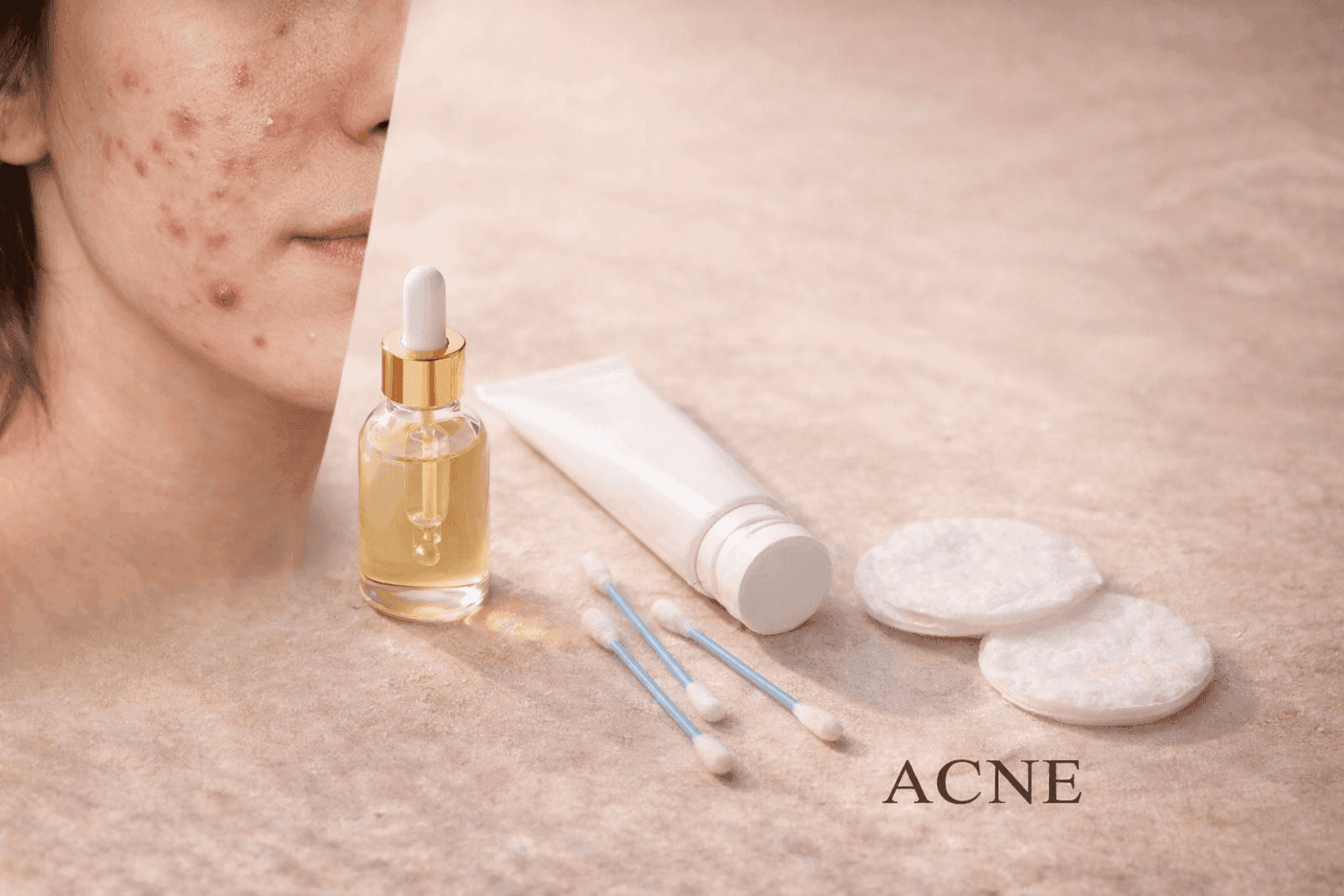
If you've noticed that certain foods seem to make your breakouts worse, you're not imagining it. What you eat can influence sebum production, inflammation levels, and bacterial activity in your skin - all factors that contribute to acne development. While diet alone doesn't cause acne, specific foods can act as triggers that worsen existing acne-prone skin by affecting hormones and inflammatory pathways.
Key Takeaways:
- High glycemic foods and dairy products are the most researched dietary acne triggers
- Diet influences acne through hormonal pathways, inflammation, and sebum production
- Individual responses vary - what triggers breakouts differs from person to person
- Eliminating trigger foods may help reduce acne severity but won't necessarily clear skin completely
- A balanced approach considering multiple factors works better than diet changes alone
How Food Affects Acne Development
Acne forms when three things happen together: excess sebum production, clogged pores, and bacterial overgrowth of C. acnes bacteria. Your diet doesn't directly cause these, but certain foods can amplify each process.
When you eat, your body breaks down nutrients and releases various hormones and signaling molecules. Some of these affect your sebaceous glands, the tiny oil-producing structures in your skin. Others influence inflammation throughout your body, including in your skin tissue. This connection between what you consume and what happens in your pores explains why dietary changes can sometimes improve acne.
The key word here is "trigger." For someone without acne-prone skin, eating chocolate or dairy might have zero effect. But if your skin already produces excess sebum or you have a compromised skin barrier, certain foods can tip the balance toward more breakouts.
The Glycemic Index Connection
Foods high on the glycemic index cause rapid spikes in blood sugar. Your body responds by releasing insulin, and higher insulin levels trigger the production of androgens - hormones that stimulate sebaceous glands to produce more oil.
This cascade doesn't stop there. Elevated insulin also increases insulin-like growth factor 1, which promotes skin cell proliferation. More cells shedding inside your pores means a greater chance of blockages forming. The combination of extra sebum and more dead skin cells creates an ideal environment for acne development.
High glycemic foods include white bread, white rice, pastries, sugary cereals, potato chips, and sweetened beverages. These digest quickly and flood your bloodstream with glucose. In contrast, low glycemic foods like whole grains, legumes, and most vegetables release sugar slowly, keeping insulin levels more stable.
Research shows that people who follow lower glycemic diets often see improvements in acne severity over several weeks. The effect isn't immediate because your skin needs time to respond to hormonal changes and reduce the existing inflammation.
Dairy Products and Hormonal Pathways
Dairy consumption, particularly skim milk, has been consistently linked to increased acne in multiple studies. The relationship appears strongest with low-fat and skim milk rather than whole milk or cheese.
Milk naturally contains hormones and bioactive molecules from the cow, including precursors to androgens. Even after pasteurization, these compounds remain active enough to influence human hormone levels when consumed regularly. Additionally, milk proteins stimulate insulin and insulin-like growth factor 1 release, similar to high glycemic foods.
Whey protein, commonly used in protein shakes and supplements, may be particularly problematic. Whey is the liquid portion of milk, concentrated with these bioactive compounds. Many people notice breakouts worsening when they start using whey protein supplements for exercise or weight management.
Not everyone reacts to dairy the same way. Some people can consume moderate amounts without noticeable skin changes, while others see clear improvements when they eliminate dairy completely. The response appears related to individual hormonal sensitivity and existing androgen levels.
Inflammatory Foods and Skin Response
Chronic low-grade inflammation makes acne worse by increasing immune system activity around blocked pores. Certain dietary patterns promote systemic inflammation that affects your entire body, including your skin.
Western dietary patterns high in refined carbohydrates, processed meats, and omega-6 fatty acids from vegetable oils tend to increase inflammatory markers in blood tests. These same markers correlate with acne severity. The inflammation doesn't cause initial pore blockages, but it intensifies the red, swollen, painful lesions characteristic of inflammatory acne.
Conversely, foods rich in omega-3 fatty acids - found in fatty fish, walnuts, and flaxseeds - have anti-inflammatory properties. These don't prevent acne on their own, but they may help reduce the inflammatory component of breakouts. The ratio between omega-6 and omega-3 intake matters more than absolute amounts of either.
Oxidative stress, which occurs when your body has more free radicals than antioxidants, also worsens inflammation. Diets low in colorful vegetables and fruits mean fewer antioxidants available to neutralize free radicals. This creates an environment where inflammatory responses become exaggerated, including in your skin tissue.
Individual Trigger Patterns
The frustrating reality of diet and acne is that responses vary dramatically between individuals. One person might break out from chocolate while another has no reaction. Someone else might find that tomatoes or nuts trigger their acne, even though these foods don't appear in research as common triggers.
This variation happens because acne is multifactorial. Your unique combination of genetics, hormone levels, skin barrier function, stress levels, sleep quality, and gut microbiome all influence how your skin responds to specific foods. Two people can eat identical diets and have completely different skin outcomes.
Food sensitivities and intolerances add another layer of complexity. If you have an immune reaction to a specific food, even a healthy one, that localized inflammation can manifest as skin problems. Common culprits include gluten, soy, eggs, and various nuts, but sensitivities are highly individual.
The timing between eating trigger foods and seeing breakouts also varies. Hormonal responses to dairy or high glycemic foods might cause breakouts within 48–72 hours, while inflammatory responses may take several days to manifest as visible lesions.
Common Dietary Triggers to Watch
| Food Category | Potential Mechanism | Common Examples |
|---|---|---|
| High glycemic foods | Insulin spike, increased androgens | White bread, sugary snacks, white rice |
| Dairy products | Hormones, IGF-1 stimulation | Skim milk, whey protein, ice cream |
| Omega-6 rich oils | Promotes inflammation | Vegetable oil, corn oil, processed foods |
| Added sugars | Insulin response, glycation | Candy, soda, sweetened coffee drinks |
| Processed foods | Multiple inflammatory pathways | Fast food, packaged snacks, frozen meals |
The Gut-Skin Connection
Your digestive system health directly affects your skin through several pathways. The gut microbiome - trillions of bacteria living in your intestines - influences systemic inflammation, nutrient absorption, and even hormone metabolism.
When your gut barrier becomes compromised, a condition sometimes called increased intestinal permeability, partially digested food particles and bacterial components can enter your bloodstream. Your immune system recognizes these as threats and mounts inflammatory responses. This systemic inflammation affects your skin along with other organs.
Gut bacteria also produce metabolites that either promote or reduce inflammation. A balanced, diverse microbiome tends to produce more anti-inflammatory compounds, while a disrupted microbiome skews toward inflammatory ones. Your diet directly shapes which bacterial species thrive in your gut.
Fiber-rich foods feed beneficial bacteria that produce short-chain fatty acids, which have anti-inflammatory effects throughout your body. Processed foods and added sugars feed different bacterial species that may increase inflammation. This gut environment indirectly influences acne through these inflammatory pathways.
Digestive issues like constipation can also affect skin health. When waste products move slowly through your system, there's more time for toxins to be reabsorbed, potentially increasing the burden on your skin as an elimination organ.
What Helps: Dietary Approaches
Focus on whole, minimally processed foods that keep blood sugar stable. This means choosing whole grains over refined ones, including plenty of vegetables and fruits, and selecting lean proteins that don't come with added hormones.
Building meals around fiber helps slow sugar absorption and feeds beneficial gut bacteria. Aim for vegetables at every meal, include legumes several times weekly, and choose whole fruit over juice. The fiber content naturally lowers the glycemic impact of meals.
Including anti-inflammatory fats from sources like olive oil, avocados, fatty fish, and nuts provides building blocks for anti-inflammatory compounds your body produces. These don't reverse acne but may reduce the intensity of inflammatory lesions over time.
Staying hydrated supports skin barrier function and helps your body eliminate waste products through urine rather than relying excessively on skin as an elimination route. Dehydration can make sebum thicker and more likely to clog pores.
Consider keeping a food and symptom journal for 4–6 weeks. Note what you eat and when breakouts appear. Patterns often emerge that help identify your personal triggers. This approach works better than blindly eliminating foods based on general recommendations.
When Diet Changes Aren't Enough
Many people improve their diet significantly and still struggle with acne. This doesn't mean diet is irrelevant - it means acne has multiple contributing factors that all need attention.
Stress elevates cortisol, which increases sebum production and inflammation regardless of what you eat. Poor sleep disrupts hormone balance and impairs skin barrier repair. Over-cleansing strips the protective lipid barrier, triggering reactive sebum production. Occlusive cosmetics can physically block pores even when your diet is perfect.
The skin barrier itself plays a crucial role. When compromised, it allows more irritants and bacteria to penetrate, triggers inflammation, and disrupts the skin microbiome balance. Rebuilding barrier function through gentle skincare practices often matters as much as dietary changes.
Hormonal factors beyond dietary influence - like menstrual cycle fluctuations, thyroid imbalances, or conditions like PCOS - can drive acne independent of food choices. These internal factors may require different approaches than dietary modification alone.
Red Flags: When to Seek Professional Help
If your acne worsens rapidly despite dietary changes, causes pain, or leaves scarring, consult a dermatologist. Severe inflammatory acne, nodules, or cysts need professional evaluation because home approaches rarely resolve these effectively.
Sudden adult-onset acne, especially if accompanied by other symptoms like irregular periods, excessive hair growth, or rapid weight changes, may indicate an underlying hormonal condition requiring medical assessment.
If dietary restrictions are causing stress, obsessive thoughts about food, or nutritional deficiencies, the approach has become counterproductive. Mental health and adequate nutrition matter for skin health too. A balanced approach with professional guidance works better than extreme elimination diets.
When acne significantly affects your quality of life, mental health, or self-esteem, professional treatment options exist that can help while you address dietary and lifestyle factors.
Understanding Internal Triggers: Clear Ritual's Perspective
Acne develops from multiple interacting factors including hormones, sebum production, skin barrier health, inflammation, stress, sleep quality, and yes, nutrition. While identifying dietary triggers helps, it addresses only one piece of a complex puzzle. Many people find that eliminating trigger foods improves their skin but doesn't completely clear it because other internal and external factors remain active. At Clear Ritual, we combine the best of three worlds - Ayurveda, modern dermatology, and advanced skin science - to understand individual triggers through a structured skin assessment. This approach recognizes that your unique combination of genetic predisposition, lifestyle factors, and environmental exposures creates a specific pattern that requires personalized attention. Understanding these interconnected triggers, rather than focusing on diet alone, supports longer-term skin stability and helps prevent the frustration of partial improvements that plateau.
Frequently Asked Questions
Will cutting out dairy completely clear my acne?
Eliminating dairy helps many people reduce acne severity, but it rarely clears skin completely on its own. Dairy affects hormonal pathways that contribute to acne, but other factors like stress, sleep, skincare habits, and skin barrier health also play significant roles. Most people see improvements within 4–6 weeks if dairy is a trigger for them, but comprehensive skin health requires addressing multiple factors simultaneously.
How long does it take to see results from dietary changes?
Your skin typically needs 6–12 weeks to fully respond to dietary modifications. Initial improvements may appear within 2–3 weeks as hormonal responses shift and inflammation decreases, but complete skin cell turnover takes about 28 days. Existing acne lesions need time to heal, and your skin requires weeks to adjust sebum production and normalize inflammation levels in response to dietary changes.
Are there any foods that actually help prevent acne?
No single food prevents acne, but eating patterns rich in fiber, omega-3 fatty acids, antioxidants, and low glycemic foods support skin health through multiple pathways. These foods help stabilize blood sugar, reduce systemic inflammation, support gut health, and provide nutrients needed for skin barrier function. The overall dietary pattern matters more than individual "superfoods."
Can supplements replace dietary changes for acne?
Supplements cannot replace whole food nutrition because they miss the fiber, antioxidants, and synergistic compounds found in complete foods. Some supplements like omega-3s or zinc may help as additions to a balanced diet, but they work best alongside, not instead of, dietary improvements. Whole foods also support gut microbiome health in ways isolated supplements cannot replicate.
Why does my acne get worse before my period regardless of what I eat?
Hormonal fluctuations during your menstrual cycle affect sebum production and inflammation independent of diet. In the week before menstruation, progesterone levels rise and then drop sharply, triggering increased sebum production and inflammatory responses. Diet can modulate the severity of these breakouts but cannot completely prevent the hormonal influence of your menstrual cycle.
Should I avoid chocolate if I have acne-prone skin?
Pure dark chocolate with minimal sugar and dairy likely won't trigger acne for most people. The problem with commercial chocolate is usually the added sugar and milk, both known acne triggers. High-quality dark chocolate contains antioxidants that may even reduce inflammation. Test your individual response by trying dark chocolate with at least 70% cacao and minimal added ingredients.
Can drinking more water help clear acne?
Proper hydration supports overall skin health and helps maintain skin barrier function, but drinking excessive water won't clear acne on its own. Dehydration can make sebum thicker and more likely to clog pores, so adequate hydration helps optimize skin function. Aim for regular water intake throughout the day based on thirst cues rather than forcing excessive amounts.
Is there a specific diet plan that works best for acne?
No single diet works universally because acne triggers vary individually. However, dietary patterns emphasizing whole foods, low glycemic choices, plenty of vegetables, omega-3 rich foods, and minimal processed ingredients tend to support skin health broadly. The most effective approach involves identifying your personal trigger foods through careful observation while maintaining balanced, nutrient-dense eating patterns.
Editorial Standards
Clear Ritual has Strict sourcing guidelines to ensure our content is accurate and current. We rely on peer-reviewed studies, academic research institutions, and medical associations. We strive to use primary sources and refrain from using tertiary references. See a mistake? Learn More about our Editorial Standards.



