




Do Sunscreens Cause Blackheads Breaking Down the Myth
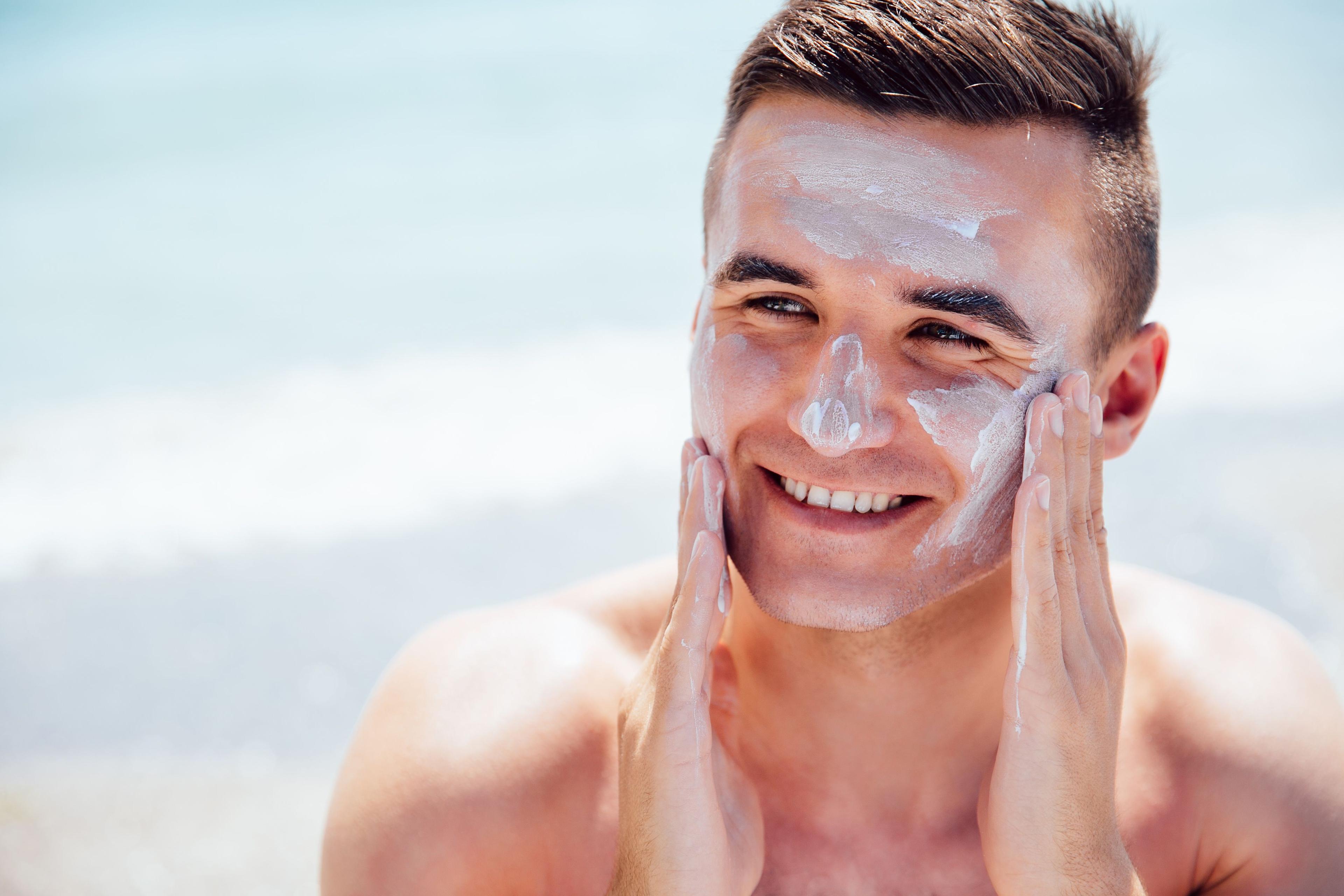
Introduction — The Sunscreen-Acne Dilemma
You finally commit to wearing sunscreen every day — and suddenly, tiny black dots appear across your nose and chin. Coincidence or consequence?
blackheads, or open comedones, form when excess oil (sebum) and dead skin cells clog pores, oxidizing when exposed to air. Many people assume sunscreen is the culprit, but the truth lies in the formulation you choose and how you use it.
Sunscreen is essential for long-term skin health. Rather than skipping SPF, understanding how to pick the right one can help you stay protected without clogging pores.
Understanding the Myth — Why People Think Sunscreen Causes Blackheads
This myth has roots in the past. Early sunscreens were thick, greasy, and occlusive, often made with heavy oils that could trap sweat and dirt.
Today, sunscreens are far more advanced — but the misconception lingers because:
-
Older or cheap formulas can still block pores.
-
Failing to remove sunscreen properly at night allows buildup.
-
Layering too many products beneath SPF can trap oil.
-
Breakouts often coincide with product changes, so sunscreen gets blamed unfairly.
The Science — Can Sunscreen Ingredients Clog Pores?
The answer depends on comedogenicity — how likely an ingredient is to block pores.
Common Comedogenic Ingredients to Watch For
-
Coconut oil
-
Isopropyl myristate
-
Heavy mineral oils
-
Certain silicones
Modern sunscreens, however, use non-comedogenic, water-based, or gel formulations that feel light and breathable.
Chemical vs. Mineral Sunscreens
| Type | UV Protection Mechanism | Texture | Likelihood of Clogging Pores | Ideal For |
|---|---|---|---|---|
| Chemical | Absorbs UV rays | Lightweight, absorbs quickly | Moderate | Normal to dry skin |
| Mineral (Physical) | Reflects UV rays | Thicker, matte finish | Low | Oily/acne-prone skin |
Key takeaway: Mineral sunscreens with zinc oxide or titanium dioxide are less likely to clog pores and are ideal for sensitive or acne-prone skin.
How Sunscreen Formulation Affects Blackheads
It’s not sunscreen itself — it’s the wrong type of sunscreen for your skin.
-
Heavy emollients can trap sebum.
-
Alcohol-heavy SPFs can over-dry the skin, triggering oil overproduction.
-
Water-based, oil-free or gel formulations are ideal for oily or combination skin.
-
Look for “non-comedogenic” and “fragrance-free” labels.
“It’s not sunscreen itself that causes blackheads — it’s the wrong formula for your skin type,” says Dr. Meera Shah, dermatologist.
Skincare Mistakes That Make Sunscreens Seem Guilty
-
Not double-cleansing to remove SPF completely.
-
Layering heavy creams or oils beneath sunscreen.
-
Reapplying SPF without cleansing sweat and sebum.
-
Using makeup with SPF as a substitute for proper sunscreen.
Each of these traps oil and debris, leading to congestion and breakouts — even with good products.
How to Choose the Right Sunscreen for Clear, Blackhead-Free Skin
When choosing sunscreen, always read the label:
-
✅ “Non-comedogenic”
-
✅ “Oil-free”
-
✅ “For acne-prone or sensitive skin”
Recommended by Skin Type:
-
Oily skin: Gel-based or fluid sunscreens (e.g., zinc oxide or silica-based).
-
Dry skin: Hydrating sunscreens with ceramides or hyaluronic acid.
5 Best Sunscreen Ingredients for Acne-Prone Skin
-
Zinc oxide
-
Niacinamide
-
Hyaluronic acid
-
Green tea extract
-
Silica
These ingredients soothe, control oil, and support barrier health.
Dos & Don’ts for Using Sunscreen Without Causing Breakouts
Do:
-
Double cleanse every night.
-
Use SPF 30+ daily, even indoors.
-
Reapply every 2–3 hours outdoors.
-
Patch test before switching brands.
Don’t:
-
Skip sunscreen out of fear of acne.
-
Mix SPF with oils or thick moisturizers.
-
Forget to clean pillowcases or brushes regularly.
Real Talk — Dermatologists’ Take on Sunscreens and Blackheads
Dermatologists agree that blackheads have multiple causes — including humidity, hormones, and improper cleansing — not sunscreen alone.
A 2024 global dermatology survey found that 63% of dermatologists recommend mineral sunscreens for acne-prone patients due to their lower comedogenic potential.
The verdict: SPF isn’t your enemy — it’s your skin’s best defense when chosen correctly.
Myths vs. Facts
| Myth | Fact |
|---|---|
| Sunscreen clogs pores | Only certain formulations may — non-comedogenic SPFs don’t. |
| You don’t need sunscreen if you have acne | UV exposure worsens post-acne marks. |
| Mineral sunscreens always cause a white cast | Modern versions are tinted or micro-milled. |
| Skipping sunscreen clears pores | It increases UV damage and inflammation. |
FAQs
1. Can I use sunscreen if I have acne-prone skin? Yes, opt for lightweight, non-comedogenic formulas.
2. How do I remove sunscreen properly? Double cleanse — start with an oil-based cleanser, then a gentle foaming one.
3. Does sunscreen make oily skin worse? Not if you choose gel or water-based SPFs designed for oily skin.
4. Should I skip moisturizer if I use sunscreen? No. Use a lightweight moisturizer unless your sunscreen already hydrates.
5. Can sunscreen help fade acne scars? Absolutely. Regular SPF use prevents post-acne dark spots from worsening.
Conclusion — The Verdict
Sunscreen doesn’t cause blackheads — the wrong product and poor cleansing habits do.
With the right SPF for your skin type, consistent cleansing, and a balanced routine, you can enjoy both clear pores and strong sun protection.
Because healthy, glowing skin isn’t about skipping SPF — it’s about using it smartly.
Editorial Standards
Clear Ritual has Strict sourcing guidelines to ensure our content is accurate and current. We rely on peer-reviewed studies, academic research institutions, and medical associations. We strive to use primary sources and refrain from using tertiary references. See a mistake? Learn More about our Editorial Standards.



