




Fungal Acne Triggers: A Complete Guide
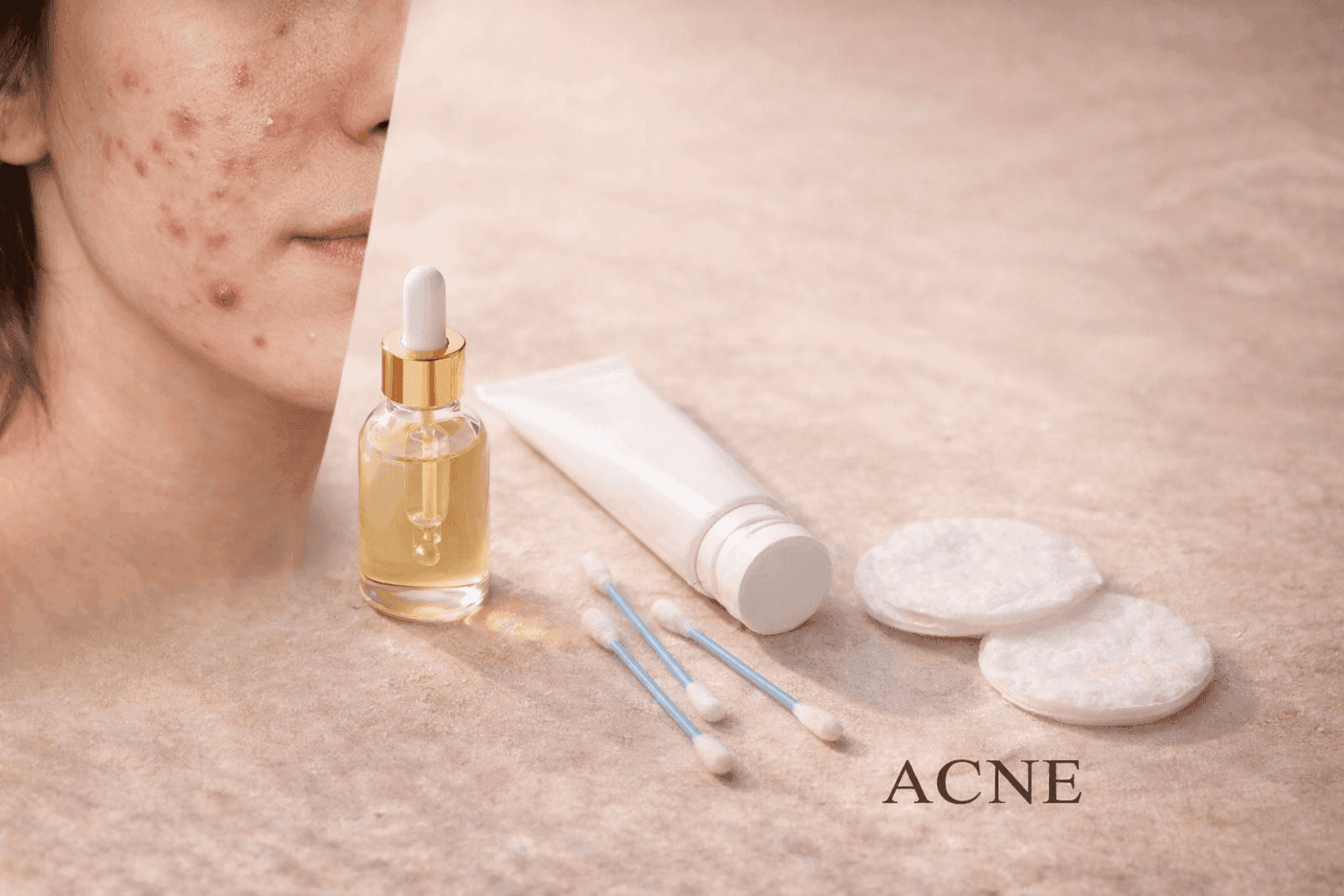
Fungal acne develops when yeast naturally present on your skin overgrows inside hair follicles, creating small uniform bumps that itch more than regular acne. Unlike bacterial acne, it thrives in warm, moist environments and worsens with traditional acne treatments that disrupt your skin's microbial balance.
Key Takeaways:
- Fungal acne is caused by Malassezia yeast overgrowth, not bacteria
- Common triggers include trapped moisture, occlusive products, and antibiotics
- It appears as uniform, itchy bumps often on the forehead, chest, and back
- Standard acne products containing oils can make it worse
- Temperature, friction, and humidity play major roles in flare-ups
What Makes Fungal Acne Different
Fungal acne, clinically called Malassezia folliculitis, occurs when a specific type of yeast multiplies excessively within your hair follicles. This yeast is part of your skin's normal microbiome, but certain conditions allow it to dominate the follicular environment and trigger inflammation.
The bumps appear strikingly uniform in size and distribution, unlike bacterial acne which tends to vary. They concentrate in areas where moisture and oil accumulate, particularly the T-zone, upper chest, shoulders, and back. The persistent itchiness distinguishes fungal acne from its bacterial counterpart, which rarely itches unless severely inflamed.
Your skin's microbial ecosystem maintains a delicate balance between bacteria, fungi, and other microorganisms. When this equilibrium shifts toward yeast dominance, the immune system recognizes the overgrowth as problematic and initiates an inflammatory response within the follicle.
Environmental Conditions That Fuel Overgrowth
Malassezia yeast thrives in specific environmental conditions that create an ideal breeding ground. Understanding these triggers helps you identify patterns in your own breakouts.
Warm, humid climates provide the moisture and temperature that accelerate yeast reproduction. During summer months or in tropical environments, the combination of heat and humidity creates a perfect storm for fungal proliferation. This explains why many people experience worsening symptoms during warmer seasons or after relocating to humid regions.
Trapped moisture against the skin feeds yeast growth directly. Wearing tight athletic wear for extended periods after exercise keeps sweat pressed against your skin, creating a warm, damp environment inside your follicles. Similarly, wet swimsuits worn for hours after swimming or extended time in sweaty workout clothes provides the sustained moisture that allows yeast colonies to expand rapidly.
Occlusive fabrics that prevent air circulation compound the problem. Synthetic materials that don't breathe trap heat and moisture against your skin, while natural fibers like cotton allow better ventilation. The friction from tight clothing also irritates follicles, making them more susceptible to yeast colonization.
Product Ingredients That Promote Fungal Growth
Many skincare and cosmetic products contain ingredients that inadvertently feed Malassezia yeast or create conditions favorable for its growth.
Oils and fatty acids serve as food sources for this particular yeast strain. Products containing coconut oil, olive oil, avocado oil, and many other plant-based oils can worsen fungal acne because Malassezia metabolizes specific fatty acid chain lengths. When you apply these products thinking you're nourishing your skin, you may actually be feeding the organism causing your breakouts.
Heavy, occlusive moisturizers and sunscreens trap moisture beneath their barrier layers. While creating a protective seal helps dry skin, it also creates an anaerobic environment with reduced oxygen that favors yeast over beneficial bacteria. Thick silicone-based products, petrolatum, and mineral oil form barriers that prevent proper air exchange at the follicle opening.
Fermented ingredients and certain plant extracts can exacerbate the condition in sensitive individuals. Products containing galactomyces, saccharomyces, and other fermentation filtrates may trigger reactions because they're fungal-derived, potentially cross-reacting with your immune response to Malassezia.
Lifestyle Factors That Disrupt Skin Flora
Daily habits significantly influence whether your skin microbiome remains balanced or shifts toward yeast dominance.
Antibiotic use eliminates beneficial bacteria that normally compete with yeast for resources and space. When you take oral or topical antibiotics for bacterial acne or other infections, you remove the bacterial populations that keep fungal organisms in check. This allows Malassezia to expand unchecked into the ecological niche left vacant by eliminated bacteria.
Dietary patterns high in simple carbohydrates and sugars may influence systemic inflammation and alter sebum composition. While the direct connection between diet and fungal acne requires more research, elevated blood sugar levels can affect the skin's microenvironment and potentially create conditions more favorable for yeast colonization.
Compromised immune function makes it harder for your body to regulate microbial populations. Sleep deprivation, chronic stress, and illness all reduce immune surveillance, allowing opportunistic organisms like Malassezia to proliferate beyond normal levels. Stress hormones like cortisol also increase oil production, providing more substrate for yeast metabolism.
Aggressive cleansing and exfoliation damage the protective acid mantle and lipid barrier. When you strip away the skin's natural defenses trying to eliminate bumps, you remove the structural and chemical barriers that regulate microbial populations. The damaged barrier allows easier yeast penetration into follicles while reducing the skin's antimicrobial peptide production.
Physical Triggers and Mechanical Factors
Physical irritation and mechanical stress on the skin create opportunities for yeast to invade follicular openings.
Friction from face masks, headbands, and helmets creates microtrauma around follicle openings. The repeated rubbing damages the follicular epithelium and traps moisture against the skin, combining two risk factors simultaneously. Healthcare workers and athletes who wear protective equipment for extended periods often develop fungal acne in areas of constant contact.
Excessive sweating without prompt cleansing allows yeast to feast on the moisture and lipids in perspiration. When sweat sits on your skin for hours, it creates the perfect culture medium for Malassezia multiplication. The salt and organic compounds in sweat also alter the skin's pH temporarily, potentially favoring yeast over bacteria.
Hot showers and baths increase skin temperature and moisture content. While the heat feels soothing, it creates conditions that yeast finds favorable. Extended time in hot, humid bathrooms with poor ventilation compounds the effect, especially if you apply occlusive products immediately after while your skin remains damp and warm.
Medical Conditions and Medications
Certain health conditions and medical treatments create systemic changes that predispose you to fungal overgrowth.
Immunosuppressive medications used for autoimmune conditions, organ transplants, or cancer treatment reduce your body's ability to control microbial populations. These medications intentionally dampen immune responses, which also diminishes the immune surveillance that keeps opportunistic organisms like Malassezia in check.
Hormonal fluctuations affect sebum production and composition. Conditions that increase androgen activity boost oil production, providing more nutrients for yeast metabolism. Birth control medications, hormonal therapies, and natural hormonal cycles during menstruation or pregnancy can all influence sebum output and potentially affect fungal acne patterns.
Diabetes and metabolic conditions alter the skin's biochemical environment. Elevated blood glucose levels can affect sebum composition and immune function simultaneously, creating conditions more conducive to yeast overgrowth. Poor metabolic control also impairs wound healing and microbial regulation.
Identifying Your Personal Trigger Patterns
| Trigger Category | Common Examples | Observation Method |
|---|---|---|
| Environmental | Humidity, heat, seasonal changes | Track weather conditions during flare-ups |
| Product-related | New skincare, hair products, sunscreen | Note products used 1–2 weeks before breakouts |
| Activity-based | Exercise, mask-wearing, helmet use | Document activities preceding symptom onset |
| Medical | Antibiotics, immunosuppressants, hormonal changes | Review medication timelines with healthcare provider |
Tracking your breakout patterns helps identify which triggers affect you most significantly. Not everyone reacts to the same factors, and your personal combination of triggers creates your unique risk profile.
Keep a simple log noting when breakouts worsen and what changed in the days preceding the flare. Environmental factors like traveling to humid climates, product changes including new hair care items that contact your face, lifestyle shifts such as increased exercise without showering immediately, and medical factors like starting new medications all deserve documentation.
The location of your breakouts provides clues about causative factors. Forehead and hairline involvement suggests hair products or headwear friction. Chest and back distribution points to clothing occlusion or body product issues. Jawline and cheek patterns may indicate face mask friction or skincare product problems.
Red Flags That Need Professional Evaluation
While understanding triggers helps you manage fungal acne, certain situations require dermatological assessment.
Seek professional guidance when bumps spread rapidly despite eliminating known triggers, when intense itching disrupts sleep or daily activities, when you've tried appropriate over-the-counter antifungal approaches for four to six weeks without improvement, or when you experience pain, significant inflammation, or signs of secondary bacterial infection.
A dermatologist can perform diagnostic tests to confirm fungal involvement versus other conditions that mimic its appearance. Conditions like bacterial folliculitis, pityrosporum folliculitis in different contexts, closed comedones, and certain types of dermatitis can appear similar but require different management approaches.
Professional evaluation becomes especially important if you have underlying immune conditions, if you're already taking immunosuppressive medications, or if you've experienced recurring episodes that significantly impact your quality of life.
Prevention Strategies Based on Trigger Understanding
Once you understand what triggers your fungal acne, you can implement targeted prevention strategies.
Managing moisture exposure means changing out of sweaty clothes promptly after exercise, showering soon after activities that cause heavy perspiration, wearing breathable fabrics that allow air circulation, and ensuring your skin dries completely before applying products or dressing.
Product selection requires reading ingredient lists carefully. Avoid products containing oils that feed Malassezia, choose non-comedogenic formulations designed to avoid follicle blockage, select lightweight, breathable sunscreens rather than heavy, occlusive versions, and simplify your routine to minimize the number of products contacting your skin.
Minimizing friction involves choosing looser-fitting clothing when possible, taking breaks from headwear and protective equipment when safe, placing clean barriers like bandanas under helmets or masks when feasible, and being mindful of repetitive touching or rubbing of affected areas.
Supporting your skin barrier includes gentle cleansing that removes impurities without stripping protective lipids, maintaining appropriate hydration without heavy occlusion, avoiding aggressive exfoliation that damages the barrier structure, and supporting your skin's natural acid mantle with pH-appropriate products.
When Standard Approaches Aren't Enough
Sometimes eliminating triggers and using appropriate topical approaches doesn't fully resolve fungal acne because the underlying imbalance has multiple contributing factors.
Persistent fungal acne often involves complex interactions between hormonal influences affecting oil production, immune system variations in microbial regulation, genetic factors determining skin characteristics and susceptibility, barrier function issues that allow easier yeast penetration, and chronic inflammation that perpetuates the cycle even after initial triggers resolve.
Surface-level interventions address symptoms and immediate triggers but may not correct deeper imbalances that keep your skin vulnerable to recurring overgrowth. This is where understanding your individual pattern becomes valuable.
Understanding Internal Triggers: Clear Ritual's Perspective
Fungal acne develops through interactions between your skin's microbial environment, immune responses, barrier function, hormonal influences, and external triggers. While managing moisture, choosing appropriate products, and eliminating known triggers helps many people, some experience recurring episodes because multiple internal factors keep their skin vulnerable to yeast overgrowth. Clear Ritual combines Ayurveda, modern dermatology, and advanced skin science to understand individual trigger patterns through a structured skin assessment. Identifying your specific combination of hormonal, inflammatory, barrier, and microbial factors helps explain why certain triggers affect you more than others. Understanding these personalized patterns supports long-term skin stability beyond surface-level symptom management.
Frequently Asked Questions
What's the fastest way to tell if I have fungal acne versus regular acne?
Fungal acne appears as uniform, small bumps concentrated in clusters that itch persistently, while bacterial acne varies in size and type. Fungal acne often worsens with traditional acne treatments containing oils and may improve temporarily with antifungal products. Location matters too - fungal acne commonly affects the forehead, chest, and upper back.
Can I use regular acne products on fungal acne?
Most traditional acne products contain oils or ingredients that feed Malassezia yeast, potentially making fungal acne worse. Benzoyl peroxide targets bacteria but doesn't address yeast overgrowth. Salicylic acid helps with exfoliation but won't eliminate the fungal cause. Look for products specifically formulated without yeast-feeding ingredients.
Why does my fungal acne get worse in summer?
Heat and humidity create ideal conditions for Malassezia proliferation. Increased sweating provides moisture that yeast thrives in, while higher temperatures accelerate its growth rate. Summer activities involving prolonged moisture exposure like swimming, combined with occlusive sunscreens, compound the problem by trapping moisture against your skin.
Does diet affect fungal acne?
The direct relationship between diet and fungal acne needs more research, but dietary patterns that increase systemic inflammation or alter sebum composition may influence your susceptibility. High-sugar diets can affect immune function and skin biochemistry. Some people notice improvement with dietary changes, though individual responses vary significantly.
How long does it take to clear fungal acne after eliminating triggers?
With consistent trigger avoidance and appropriate management, noticeable improvement typically occurs within two to four weeks, though complete clearance may take six to eight weeks. The timeline depends on how extensively yeast has colonized your follicles and how quickly your skin microbiome rebalances. Persistent cases beyond eight weeks warrant professional evaluation.
Can fungal acne spread to other people?
Fungal acne isn't contagious in the traditional sense because Malassezia yeast naturally lives on everyone's skin. You can't "catch" fungal acne from someone else. The condition develops when your own skin conditions allow your naturally present yeast to overgrow, not from external transmission.
Will fungal acne go away on its own?
Mild cases may resolve if triggering conditions change - for example, when humidity decreases after summer or after you stop using problematic products. However, established overgrowth typically persists until addressed directly because the conditions that allowed initial proliferation often continue. Active management produces faster, more reliable results than waiting.
Why does fungal acne keep coming back?
Recurring fungal acne suggests ongoing exposure to triggers, underlying factors that keep your skin vulnerable to yeast overgrowth, or incomplete treatment that reduced but didn't eliminate the yeast population. Successful long-term management requires identifying and addressing your specific combination of triggers and susceptibility factors rather than just treating active breakouts.
Editorial Standards
Clear Ritual has Strict sourcing guidelines to ensure our content is accurate and current. We rely on peer-reviewed studies, academic research institutions, and medical associations. We strive to use primary sources and refrain from using tertiary references. See a mistake? Learn More about our Editorial Standards.



