




Hormonal Causes of Comedonal Acne
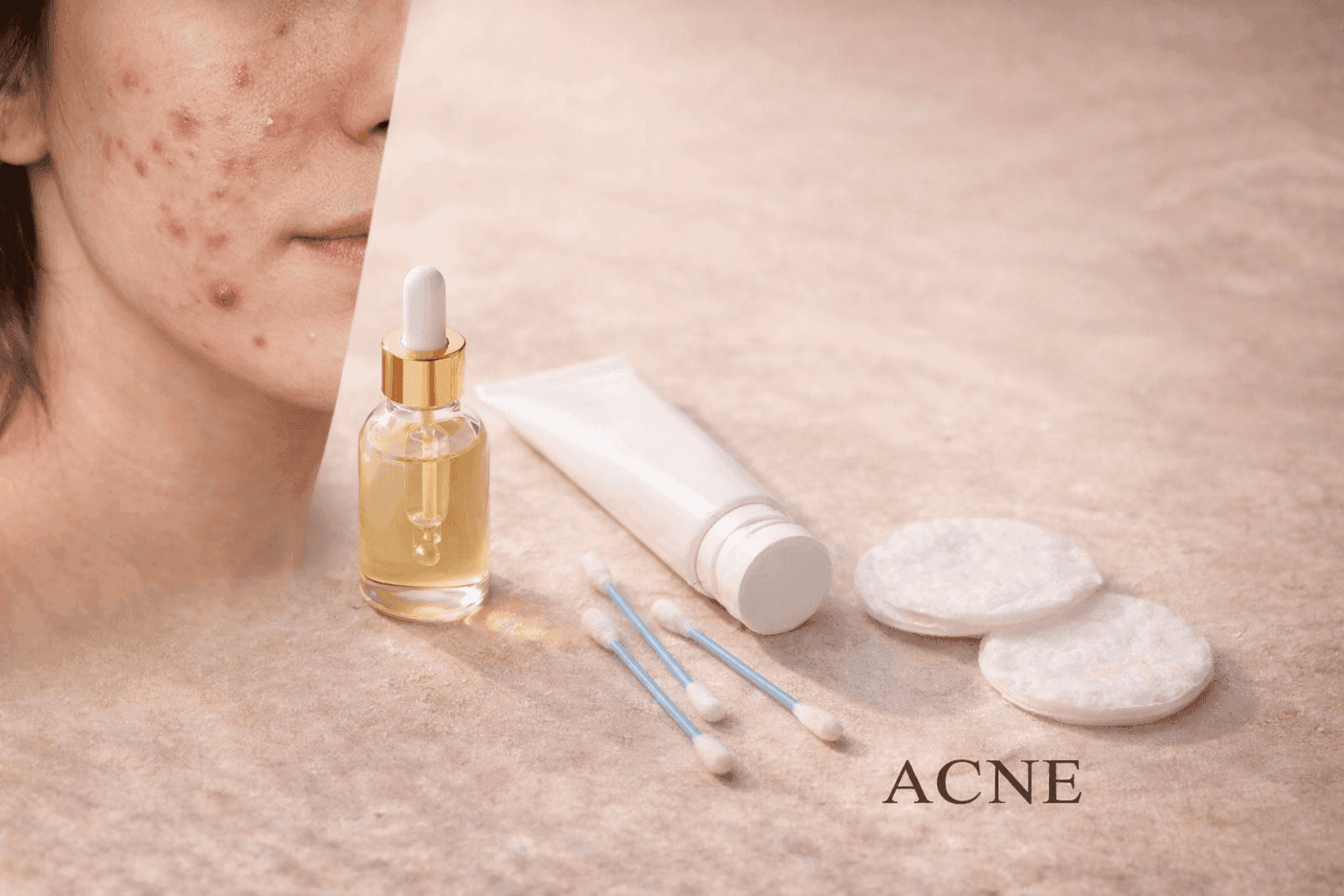
Comedonal acne develops when hormones trigger excess oil production that mixes with dead skin cells, clogging pores into whiteheads and blackheads Androgens like testosterone increase sebum output and speed up skin cell turnover, creating the perfect environment for these non-inflammatory bumps to form across the face, especially the forehead, nose, and chin.
Key Takeaways:
- Androgens directly stimulate sebaceous glands to produce more oil
- Hormonal fluctuations during puberty, menstrual cycles, and stress worsen comedone formation
- Insulin and cortisol also influence oil production and pore clogging
- Understanding your specific hormonal triggers helps address the root cause
What Comedonal Acne Actually Is
Comedonal acne appears as small bumps scattered across the skin surface. These bumps are either open comedones, which look like dark dots we call blackheads, or closed comedones, which appear as white or flesh-colored bumps under the skin. Unlike inflammatory acne with its red, painful pustules, comedones feel relatively smooth and do not hurt when touched.
The bumps form when a hair follicle becomes plugged with a mixture of sebum and keratinocytes. Sebum is the oily substance your sebaceous glands produce to keep skin moisturized. Keratinocytes are skin cells that naturally shed from the follicle lining. When these two substances accumulate faster than they can exit the pore, they create a plug.
How Hormones Control Your Skin's Oil Production
Your sebaceous glands contain receptors that respond to specific hormones circulating through your bloodstream. When these hormones bind to the receptors, they signal the glands to increase or decrease oil production.
Androgens are the primary hormones responsible for activating sebaceous glands. Both males and females produce androgens, though males typically have higher levels. Testosterone and dihydrotestosterone (DHT) are the most influential androgens affecting skin. DHT is particularly potent because it binds more strongly to sebaceous gland receptors than testosterone does.
When androgen levels rise or when your skin becomes more sensitive to normal androgen levels, your sebaceous glands enlarge and pump out significantly more sebum. This excess oil creates the first condition necessary for comedone formation.
The Androgen-Comedone Connection
Androgens do not just increase oil production. They also affect how quickly keratinocytes are produced and shed inside your follicles. Normally, these dead cells detach and flow out of the pore along with sebum. But androgens accelerate keratinocyte production while simultaneously making these cells stickier and more likely to clump together.
This creates a traffic jam inside the follicle. The increased oil volume combines with the increased cell accumulation, and instead of flowing freely to the skin surface, everything gets stuck. The follicle opening may stay open, forming a blackhead that oxidizes and darkens when exposed to air. Or the opening may close over completely, trapping everything underneath as a whitehead.
The distribution of sebaceous glands explains why comedonal acne concentrates in certain areas. Your forehead, nose, chin, and upper back have the highest density of oil glands, which is why these zones develop more comedones when hormones surge.
Puberty and the First Wave of Comedones
Puberty triggers the most dramatic hormonal shift most people experience. The adrenal glands and gonads start producing significantly higher amounts of androgens, which is why comedonal acne often appears between ages 10 and 13.
During these years, sebaceous glands that were relatively quiet throughout childhood suddenly activate and enlarge. The skin has not yet adapted to managing this increased oil output, and pores become overwhelmed. Blackheads and whiteheads often appear before any inflammatory acne develops, making comedonal acne typically the first sign of adolescent skin changes.
Boys generally experience more severe comedonal acne during puberty because they produce higher androgen levels than girls. However, girls often notice their comedones worsen at specific times in their menstrual cycle, revealing another hormonal pattern.
Menstrual Cycle Fluctuations and Adult Comedones
Many women notice their skin changes predictably throughout their menstrual cycle. Comedones often worsen in the week or two before menstruation begins, then improve once the period starts.
This pattern reflects the hormone shifts happening during the luteal phase. After ovulation, progesterone levels rise while estrogen drops. Progesterone stimulates sebum production, though not as dramatically as androgens do. The estrogen decline is equally important because estrogen normally helps counterbalance androgen activity in the skin.
When estrogen is lower and progesterone is higher, the relative androgen effect becomes stronger even if actual androgen levels have not changed. Your sebaceous glands respond by producing more oil, and existing comedones may enlarge while new ones form.
Some women also experience increased skin cell buildup during the luteal phase, which compounds the clogging effect. This is why maintaining consistent exfoliation becomes more important during this window.
Stress Hormones and Skin Cell Behavior
Cortisol, your primary stress hormone, indirectly affects comedone formation through multiple pathways. When you experience chronic stress, your body maintains elevated cortisol levels for extended periods.
High cortisol triggers your adrenal glands to produce more androgens, particularly DHEA-S. This additional androgen stimulates your sebaceous glands just like testosterone does. Sleep deprivation amplifies this effect because cortisol naturally drops during quality sleep, and without adequate rest, levels remain elevated.
Cortisol also affects how your skin repairs and renews itself. It can accelerate keratinocyte production while simultaneously impairing the natural shedding process. Dead cells accumulate more rapidly inside follicles, creating more material to combine with the stress-induced oil increase.
Inflammation is another cortisol-related factor. While comedones themselves are not inflamed, chronic stress creates low-grade inflammation throughout the body, including in the skin. This inflammatory state can thicken the follicle lining and narrow the pore opening, making it easier for plugs to form.
Insulin and Blood Sugar Influence
Insulin does not directly bind to sebaceous gland receptors, but it influences oil production through an indirect mechanism. High insulin levels stimulate your liver and ovaries to produce more androgens. Additionally, insulin reduces the production of sex hormone-binding globulin (SHBG), a protein that normally binds to androgens and keeps them inactive in your bloodstream.
When SHBG levels drop, more free androgens circulate through your blood, available to bind to those sebaceous gland receptors. This is why diets high in refined carbohydrates and sugar can worsen comedonal acne in some people. Frequent blood sugar spikes throughout the day mean frequent insulin spikes, which translate to consistently higher free androgen levels.
Insulin resistance compounds this issue. When cells become less responsive to insulin, the pancreas compensates by producing even more insulin, creating a cycle that keeps androgen levels elevated.
Polycystic Ovary Syndrome and Persistent Comedones
PCOS is one of the most common hormonal conditions affecting women of reproductive age, and comedonal acne is a frequent symptom. Women with PCOS typically have elevated androgens, insulin resistance, or both.
The androgen elevation in PCOS directly overstimulates sebaceous glands, leading to persistent comedones that cluster along the jawline, chin, and lower cheeks in addition to the typical forehead and nose distribution. These comedones often resist standard skincare approaches because the underlying hormonal imbalance remains unaddressed.
Women with PCOS may also notice their comedones worsen after eating certain foods, particularly those high in sugar or dairy. This reflects the insulin-androgen connection, where dietary choices amplify the existing hormonal tendency toward excess oil production.
Thyroid Function and Skin Cell Turnover
Thyroid hormones regulate your overall metabolic rate, including how quickly your skin cells regenerate. Both hyperthyroidism and hypothyroidism can affect comedone formation, though through different mechanisms.
Hypothyroidism slows cell turnover throughout the body. In the skin, this means keratinocytes accumulate and shed more slowly, increasing the likelihood that dead cells will pile up inside follicles. The skin may also produce a thicker, more viscous type of sebum that flows less easily through pores. Together, these changes create conditions favorable for comedone formation.
Hyperthyroidism can increase overall sebum production as part of the metabolic acceleration, though this is less common than the hypothyroid pattern.
Environmental and Lifestyle Factors That Amplify Hormonal Effects
Even with balanced hormones, certain habits and exposures make comedones more likely by adding additional material to already oil-rich follicles.
Occlusive cosmetics and hair products create a physical barrier over pores. When combined with hormonally-driven excess oil, these products trap sebum beneath the skin surface, forcing it to accumulate in the follicle rather than spreading across the skin. This is particularly problematic along the hairline and forehead where styling products migrate onto facial skin.
Over-washing seems helpful but actually backfires. Harsh cleansers strip away surface lipids, which triggers your skin to produce even more oil as a compensatory mechanism. This rebound oil production adds to the hormonally-driven sebum increase, overwhelming pores further.
Friction from phones, face masks, or headbands can physically compress comedones and irritate the follicle lining. While this does not cause the initial plug, it can prevent natural drainage and push a closed comedone deeper into the skin.
What Happens Inside the Follicle
Understanding the follicle environment helps explain why hormonal comedones are so persistent. A healthy follicle maintains a delicate balance between oil production, cell shedding, and drainage.
The sebaceous gland continuously produces sebum that flows through a duct into the hair follicle, then travels up and out through the pore opening. Meanwhile, keratinocytes lining the follicle wall naturally detach and move upward with the sebum flow. In balanced conditions, this system works smoothly.
When hormones elevate sebum production beyond the follicle's drainage capacity, oil begins pooling inside the canal. The excess oil changes the environment, making it more difficult for keratinocytes to detach cleanly. Instead, they become embedded in the oil, creating a soft plug that gradually hardens.
The plug expands as more oil and cells accumulate behind it. If the pore opening remains patent, the plug's surface oxidizes and darkens into a blackhead. The dark color is not dirt but melanin in the keratinocytes reacting with oxygen. If the pore opening closes, the plug remains white or flesh-colored as a closed comedone.
The follicle walls stretch as the plug enlarges, which is why extracting a large comedone leaves a temporarily enlarged pore. With time and proper care, the follicle typically contracts back to normal size.
Distribution Patterns and What They Reveal
Where comedones appear on your face can offer clues about contributing hormonal factors, though these patterns are not diagnostic on their own.
Forehead and nose comedones are extremely common because this T-zone has the highest sebaceous gland density. Almost everyone with any hormonal acne activity will develop some blackheads or whiteheads here. This pattern alone does not suggest any particular hormonal imbalance beyond normal adolescent or adult baseline androgen activity.
Chin and jawline comedones that worsen cyclically often correlate with menstrual hormone fluctuations. This lower-face distribution is particularly common in adult women and may intensify during the luteal phase or in the presence of PCOS.
Widespread comedones across both cheeks, forehead, nose, and chin suggest a more generalized androgen elevation or heightened sebaceous gland sensitivity. This pattern may appear during puberty, times of significant stress, or with underlying endocrine conditions.
Back and chest comedones indicate substantial androgen activity because these areas have numerous large sebaceous glands that respond strongly to hormonal signals. [body acne](https://clearritual.com/blog/types-of-acne/all-about-body-acne) often accompanies facial comedones in people with higher androgen levels.
Early Intervention and Management Principles
Addressing comedonal acne works best when you understand the hormonal foundation driving oil production. The goal is not to eliminate sebum entirely but to help manage excessive accumulation and support normal follicle drainage.
Gentle daily cleansing removes surface oil and prevents additional pore-clogging substances from entering follicles, but it cannot stop hormonally-driven sebum production happening deep in the gland. This is why cleansing alone rarely resolves comedonal acne.
Regular exfoliation helps loosen the keratinocyte plugs inside follicles, supporting the natural shedding process that hormones have disrupted. Chemical exfoliants like salicylic acid can penetrate into oil-filled pores more effectively than physical scrubs. However, excessive exfoliation irritates the follicle lining and can trigger increased oil production, so consistency matters more than intensity.
Addressing lifestyle factors that amplify hormonal effects offers meaningful support. Stable blood sugar through balanced meals helps moderate insulin spikes. Adequate sleep allows cortisol to normalize. Stress management techniques reduce the adrenal androgen contribution. These approaches do not override strong hormonal signals, but they prevent unnecessary amplification.
When to Seek Professional Evaluation
Certain patterns suggest comedonal acne reflects a more significant hormonal imbalance that may benefit from medical evaluation.
Comedones that persist despite consistent, appropriate skincare over several months indicate the hormonal drive is too strong for topical management alone. This is particularly true if you are also experiencing other signs of androgen excess, such as irregular periods, excess facial hair growth, or hair thinning on the scalp.
Sudden onset of comedonal acne in adulthood, especially if you had clear skin previously, warrants evaluation for underlying endocrine conditions. Adult-onset acne can signal PCOS, thyroid dysfunction, or other hormonal shifts that deserve assessment.
Severe comedonal acne covering large areas of the face, chest, and back suggests substantial hormonal activity that may respond to treatments targeting androgen production or activity. A dermatologist can assess whether prescription options might be appropriate.
If your comedones consistently worsen at specific times in your menstrual cycle and this pattern disrupts your quality of life, discussing hormonal approaches with a healthcare provider makes sense. Some interventions can help stabilize the hormonal fluctuations driving the monthly flares.
| Hormone | Effect on Sebaceous Glands | Impact on Keratinocytes | Common Trigger Times |
|---|---|---|---|
| Androgens (testosterone, DHT) | Dramatically increase oil production | Accelerate production, increase stickiness | Puberty, PCOS, chronic stress |
| Progesterone | Moderately increases sebum | Minimal direct effect | Luteal phase (pre-menstrual) |
| Cortisol | Stimulates adrenal androgens | Disrupts normal shedding | Chronic stress, poor sleep |
| Insulin | Increases free androgens | Indirect effects through inflammation | High-sugar meals, insulin resistance |
Understanding Internal Triggers: Clear Ritual's Perspective
Comedonal acne reflects complex interactions between hormones, oil production, skin cell behavior, and individual sensitivity patterns. While proper cleansing and exfoliation help manage the plugs that form in follicles, these approaches do not address why your sebaceous glands produce excess oil in the first place. That driver is hormonal, influenced by factors including your menstrual cycle, stress response, blood sugar patterns, sleep quality, and underlying endocrine function. [Clear Ritual](https://clearritual.com/) combines principles from Ayurveda, modern dermatology, and skin science to help identify individual patterns through a structured skin test . Understanding which specific triggers affect your skin allows for more targeted support rather than generic approaches that may not address your particular hormonal contribution. Long-term skin stability comes from recognizing these personalized patterns and supporting your body's internal balance alongside appropriate topical care.
Frequently Asked Questions
Can comedonal acne be purely hormonal even with good skincare habits?
Yes, because hormones directly control how much oil your sebaceous glands produce regardless of what you apply to your skin's surface. Even with consistent cleansing and exfoliation, elevated androgens will continue stimulating excess sebum that accumulates in follicles. This is why some people maintain comedones despite dedicated skincare routines until the underlying hormonal contribution is addressed.
Why do my comedones get worse before my period?
The week or two before menstruation brings higher progesterone and lower estrogen levels. Progesterone stimulates sebum production while estrogen's protective effect decreases, allowing androgens to exert stronger influence on your sebaceous glands. This hormonal shift increases oil output precisely when your pores are least equipped to handle it, causing new comedones to form and existing ones to enlarge.
Can stress alone cause comedonal acne?
Stress significantly worsens comedonal acne by elevating cortisol, which triggers your adrenal glands to produce more androgens like DHEA-S. Chronic stress also disrupts sleep, and poor sleep keeps cortisol elevated longer. The resulting sustained androgen increase stimulates continuous excess oil production. While stress alone may not initiate comedones in someone with very low baseline androgen activity, it certainly amplifies any existing tendency.
Do certain foods make hormonal comedones worse?
High-glycemic foods cause insulin spikes that lower sex hormone-binding globulin and increase free androgens available to stimulate your sebaceous glands. Dairy may also influence androgen activity in some people. However, food impacts vary significantly between individuals based on insulin sensitivity and baseline hormonal patterns. What worsens comedones for one person may not affect another, which is why identifying your personal triggers matters more than following generic dietary rules.
How long does it take for comedones to improve after hormones balance?
Sebaceous glands respond to hormonal changes within days to weeks, but existing comedones take time to resolve even after oil production normalizes. New comedone formation should decrease within one to two menstrual cycles if hormonal balance improves. Clearing existing plugs requires continued exfoliation and may take two to three months. Deep, established comedones often need the longest time to fully resolve because the accumulated material must gradually work its way out.
Can hormonal comedonal acne go away on its own?
Hormonal patterns change throughout life, so comedonal acne that appears during puberty often improves as hormones stabilize in the early twenties. However, new hormonal phases like pregnancy, postpartum, perimenopause, or times of significant stress can reactivate comedone formation. Adult hormonal acne rarely resolves completely without addressing the underlying hormonal contributors because those patterns tend to persist unless actively managed.
Is comedonal acne a sign of a serious hormonal problem?
Most comedonal acne reflects normal hormonal fluctuations rather than serious endocrine disease. However, persistent comedones accompanied by irregular periods, excess hair growth, hair loss, or sudden adult onset warrant medical evaluation to rule out conditions like PCOS or thyroid dysfunction. Comedones alone are not dangerous, but they can signal hormonal patterns worth assessing for your overall health.
Why do some people get comedones and others get inflammatory acne?
The type of acne you develop depends partly on your follicle environment beyond just oil production. Comedones form when excess sebum and keratinocytes create plugs but bacteria and inflammation remain relatively controlled. If your follicles also harbor more acne-causing bacteria or your immune system responds more aggressively to follicular changes, the comedone environment shifts toward inflammation, creating papules and pustules instead. Hormones influence both processes, but individual immune response and bacterial populations determine which type predominates.
Editorial Standards
Clear Ritual has Strict sourcing guidelines to ensure our content is accurate and current. We rely on peer-reviewed studies, academic research institutions, and medical associations. We strive to use primary sources and refrain from using tertiary references. See a mistake? Learn More about our Editorial Standards.



