




Hormonal Changes and Acne Prone Skin
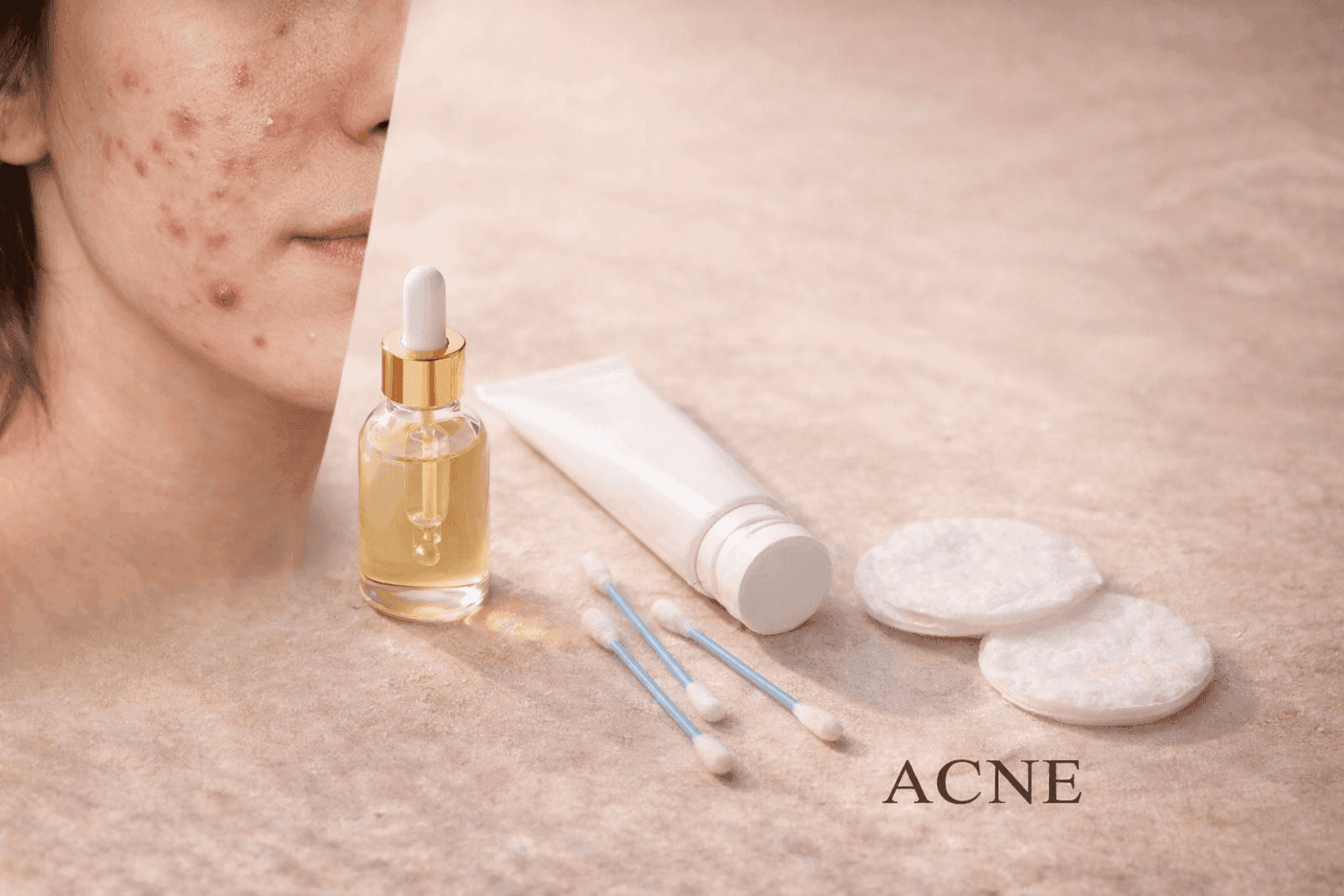
Hormonal fluctuations directly affect sebaceous gland activity, increasing oil production and altering skin cell turnover. This excess sebum combines with dead skin cells to clog pores, creating an environment where acne-causing bacteria thrive, leading to inflammatory breakouts that often appear around the jawline, chin, and lower cheeks.
Key Takeaways:
- Hormones like androgens stimulate oil glands to produce more sebum
- Hormonal acne typically worsens during menstrual cycles, pregnancy, and hormonal transitions
- Breakouts concentrate along the lower face and jawline due to increased androgen receptors in these areas
- The skin barrier becomes more reactive during hormonal shifts, amplifying inflammation
- Managing hormonal acne requires understanding both internal fluctuations and external triggers
What Happens Inside Your Skin During Hormonal Changes
Your skin contains sebaceous glands with receptors sensitive to androgens, a group of hormones that includes testosterone. When androgen levels rise or when your skin becomes more sensitive to normal androgen levels, these glands shift into overdrive. The result is excess sebum production that changes in both quantity and quality.
This hormonal sebum tends to be thicker and more likely to trap dead skin cells inside pores. At the same time, hormonal fluctuations affect the rate at which your skin sheds cells. Instead of sloughing off smoothly, these cells accumulate and mix with the excess oil, forming microcomedones that eventually develop into visible blackheads, whiteheads, or inflammatory papules and pustules.
The bacteria Cutibacterium acnes, which naturally lives on your skin, feeds on this trapped sebum. As bacterial populations multiply in clogged pores, your immune system responds with inflammation. This inflammatory cascade is what transforms a simple clogged pore into a painful, red, swollen breakout.
Why Hormonal Acne Has Distinct Patterns
Hormonal acne appears in characteristic locations because androgen receptors concentrate more densely in the lower third of your face. The jawline, chin, and lower cheeks have more of these receptors compared to your forehead or nose. This explains why hormonal breakouts cluster in these areas while other zones remain relatively clear.
The timing also reveals the hormonal connection. Many people notice breakouts appearing seven to ten days before menstruation begins. During this luteal phase of the menstrual cycle, progesterone levels rise while estrogen drops. This shift increases androgen activity relative to estrogen, triggering the sebaceous glands. Some individuals experience this pattern so predictably they can anticipate breakouts by tracking their cycle.
Pregnancy, postpartum periods, perimenopause, and menopause all bring dramatic hormonal shifts that affect skin behavior. Starting or stopping hormonal birth control also creates fluctuations as your body adjusts. Even stress plays a role through cortisol release, which can stimulate androgen production and worsen inflammatory responses throughout the skin.
The Skin Barrier Connection
Hormonal fluctuations don't just affect oil production. They also influence your skin barrier function. The stratum corneum, your skin's outermost protective layer, relies on a precise balance of lipids to prevent water loss and block irritants. When hormones shift, this lipid composition can change, making the barrier more permeable and reactive.
A compromised barrier allows more transepidermal water loss, which triggers compensatory oil production. This creates a cycle where the skin feels simultaneously dehydrated and oily. The weakened barrier also means that bacteria, pollution particles, and skincare ingredients penetrate more easily, increasing the likelihood of irritation and inflammatory responses.
Sleep deprivation compounds this issue. Poor sleep elevates cortisol, disrupts normal hormone rhythms, and impairs skin barrier repair processes that typically happen during deep sleep stages. When your barrier can't repair itself properly overnight, it becomes progressively more vulnerable to the triggers you encounter during the day.
Common Triggers That Amplify Hormonal Acne
While hormones set the stage for acne development, various external factors determine whether potential breakouts actually manifest. Over-cleansing strips away protective lipids faster than your skin can replace them, paradoxically triggering more oil production as your skin tries to compensate. Harsh cleansers containing sulfates or high pH formulations disrupt the skin's acid mantle, which normally helps control bacterial populations.
Physical friction from face masks, phone contact, or resting your chin in your hands transfers bacteria and creates localized pressure that can rupture compromised follicles, spreading inflammation into surrounding tissue. Occlusive cosmetics and hair products containing comedogenic ingredients like coconut oil or cocoa butter can migrate onto facial skin and contribute to pore blockages.
Diet influences extend beyond simple cause and effect. High glycemic foods cause rapid blood sugar spikes that trigger insulin release. Elevated insulin increases androgen production and makes sebaceous glands more sensitive to these androgens. Dairy products, particularly skim milk, contain hormones and bioactive molecules that may influence your own hormonal balance, though individual responses vary significantly.
Dehydration affects sebum composition, making it stickier and more likely to trap cellular debris. When you don't consume adequate water, your skin also produces less effective barrier lipids, compounding the vulnerability created by hormonal fluctuations.
How Inflammation Perpetuates the Cycle
Once inflammatory acne lesions develop, they create their own cycle of tissue damage and healing responses. Inflammatory molecules called cytokines signal immune cells to the area. While this response aims to clear infection, it also damages surrounding healthy tissue and can lead to post-inflammatory hyperpigmentation or scarring.
Touching, picking, or attempting to extract lesions spreads bacteria into adjacent pores and drives inflammation deeper into the dermis. This mechanical trauma transforms superficial comedones into deeper nodules or cysts that take weeks to resolve and carry higher scarring risk.
The inflammatory environment also disrupts normal keratinization, the process by which skin cells mature and shed. Inflammation causes cells to stick together more tenaciously, creating more material to clog pores and perpetuating the acne cycle even as individual lesions heal.
Early Management Approaches
Gentle, consistent cleansing removes excess surface oil and environmental debris without stripping the barrier. Lukewarm water and mild, pH-balanced cleansers respect your skin's natural acid mantle. Cleansing twice daily is typically sufficient; more frequent washing damages the barrier and triggers rebound oil production.
Non-comedogenic moisturizers maintain barrier function even when skin feels oily. The barrier needs water-binding ingredients like hyaluronic acid and glycerin along with protective lipids. Skipping moisturizer because skin feels oily actually worsens the problem by compromising barrier integrity and signaling glands to produce more sebum.
Ingredients like salicylic acid help dissolve the bonds between dead skin cells, preventing them from accumulating in pores. This beta hydroxy acid also has anti-inflammatory properties that calm existing breakouts. Starting with lower concentrations and gradually increasing frequency allows your skin to build tolerance without excessive irritation.
Niacinamide supports barrier function, reduces inflammation, and helps regulate sebum production without stripping or drying. This versatile ingredient addresses multiple aspects of hormonal acne simultaneously, making it valuable for many people dealing with hormonally-influenced breakouts.
Lifestyle Factors That Support Skin Stability
Sleep consistency matters more than you might expect. Going to bed and waking at similar times daily helps stabilize cortisol rhythms and supports proper hormone balance. During deep sleep stages, your skin undergoes critical repair processes including barrier lipid synthesis and cellular turnover regulation.
Stress management techniques reduce cortisol spikes that amplify androgen activity. Chronic elevated cortisol also impairs immune function, making your skin less capable of controlling bacterial populations naturally. Finding sustainable stress reduction methods, whether through movement, breathing practices, or time in nature, creates measurable improvements in skin inflammation over time.
Regular physical activity helps regulate insulin sensitivity, reducing the hormonal cascade that high insulin levels trigger. Movement also improves circulation, delivering nutrients and oxygen to skin cells while removing metabolic waste products. However, sweating without prompt cleansing can trap bacteria and oil against the skin, so post-exercise cleansing matters.
Balanced nutrition that emphasizes whole foods and limits refined carbohydrates supports more stable blood sugar and insulin levels. Including omega-3 fatty acids from sources like fatty fish, walnuts, and flaxseeds provides anti-inflammatory building blocks that can reduce skin inflammation from the inside out.
Tracking Patterns and Recognizing Triggers
Keeping a simple skin journal helps identify your specific trigger patterns. Note when breakouts appear, where they cluster, and what was happening in the days before. Track your menstrual cycle if applicable, sleep quality, stress levels, new products introduced, and dietary changes.
Over several months, patterns typically emerge. You might notice breakouts consistently appear five days before menstruation, or worsen during high-stress work periods, or correlate with particular food exposures. This information becomes valuable for understanding your unique trigger landscape.
Photography provides objective tracking that your memory alone cannot. Taking weekly photos in consistent lighting helps you see genuine improvement or worsening trends that day-to-day observation might miss. This documentation also helps when consulting with dermatology professionals.
When Professional Evaluation Becomes Important
If acne persists despite consistent gentle care, worsens progressively, or develops into painful nodules or cysts, professional dermatology evaluation is appropriate. Persistent inflammatory acne carries scarring risk that increases the longer inflammation continues unchecked.
Sudden onset of severe acne in adulthood, especially when accompanied by other symptoms like irregular periods, excess facial or body hair, or unexplained weight changes, may indicate underlying hormonal conditions requiring medical assessment. Conditions like polycystic ovary syndrome or other endocrine disorders manifest through skin changes alongside other systemic symptoms.
Dermatologists can prescribe treatments that work through different mechanisms than over-the-counter options. These might include topical retinoids that normalize cell turnover, prescription-strength antibiotics that reduce bacterial populations and inflammation, or hormonal medications that directly address androgen activity. They can also provide procedures like cortisone injections for individual severe lesions or extraction of resistant comedones.
Understanding Internal Triggers: Clear Ritual's Perspective
Hormonal acne develops from multiple interconnected factors including androgen activity, sebum composition, inflammation patterns, barrier function, stress responses, sleep quality, nutritional status, and genetic predispositions. Surface treatments and general lifestyle changes often help manage symptoms temporarily but may not fully address the specific combination of triggers affecting your individual skin. At Clear Rirual, we combine the best of three worlds - Ayurveda, modern dermatology, and advanced skin science - to understand individual triggers through a structured skin assessment. This approach recognizes that lasting improvement requires identifying your particular trigger patterns rather than applying generic solutions. Understanding your unique internal and external trigger landscape allows for targeted approaches that support long-term skin stability rather than temporary symptom suppression.
Frequently Asked Questions
Why does hormonal acne appear mostly on my chin and jawline?
The lower face contains higher concentrations of androgen receptors in sebaceous glands. When androgens increase or your glands become more sensitive to them, these areas produce more sebum and develop more breakouts than zones with fewer androgen receptors like the forehead.
Can stress really cause hormonal acne breakouts?
Yes, through cortisol release. Elevated cortisol stimulates androgen production and increases insulin levels, both of which trigger more sebum production. Chronic stress also impairs skin barrier repair and immune function, making breakouts more likely and longer-lasting.
How long before my period should I expect hormonal breakouts?
Most people notice breakouts beginning seven to ten days before menstruation starts, during the luteal phase when progesterone rises and estrogen drops. This hormonal shift increases relative androgen activity, triggering oil glands in susceptible areas.
Does drinking more water actually help hormonal acne?
Adequate hydration improves sebum consistency, making it less sticky and less likely to trap dead skin cells in pores. Proper hydration also supports healthy barrier lipid production. While water alone won't prevent hormonal acne, chronic dehydration worsens the condition.
Why does my skin feel both oily and dry when I have hormonal acne?
This happens when barrier damage causes transepidermal water loss while glands simultaneously overproduce sebum in response to hormonal signals. The surface feels oily from excess sebum while the barrier itself remains dehydrated and compromised.
Can diet changes alone clear hormonal acne?
Diet influences hormonal balance and inflammation, particularly through blood sugar and insulin effects, but rarely works alone because hormonal acne involves multiple factors including genetics, stress, sleep, and barrier function. Dietary improvements support but don't replace comprehensive management.
How is hormonal acne different from regular acne?
Hormonal acne typically appears in the lower face, follows menstrual cycle patterns, develops deeper inflammatory lesions rather than surface blackheads, and persists or starts in adulthood rather than improving after adolescence. It responds specifically to interventions that address androgen activity.
Should I stop moisturizing if my hormonal acne makes my skin oily?
No. Skipping moisturizer damages your barrier, increases water loss, and triggers compensatory oil production. Use lightweight, non-comedogenic moisturizers with humectants and barrier-supporting ingredients. Proper moisturizing actually helps regulate sebum production over time.
Editorial Standards
Clear Ritual has Strict sourcing guidelines to ensure our content is accurate and current. We rely on peer-reviewed studies, academic research institutions, and medical associations. We strive to use primary sources and refrain from using tertiary references. See a mistake? Learn More about our Editorial Standards.



