




The Science of Sebum: How Oil Balance Impacts Blackheads
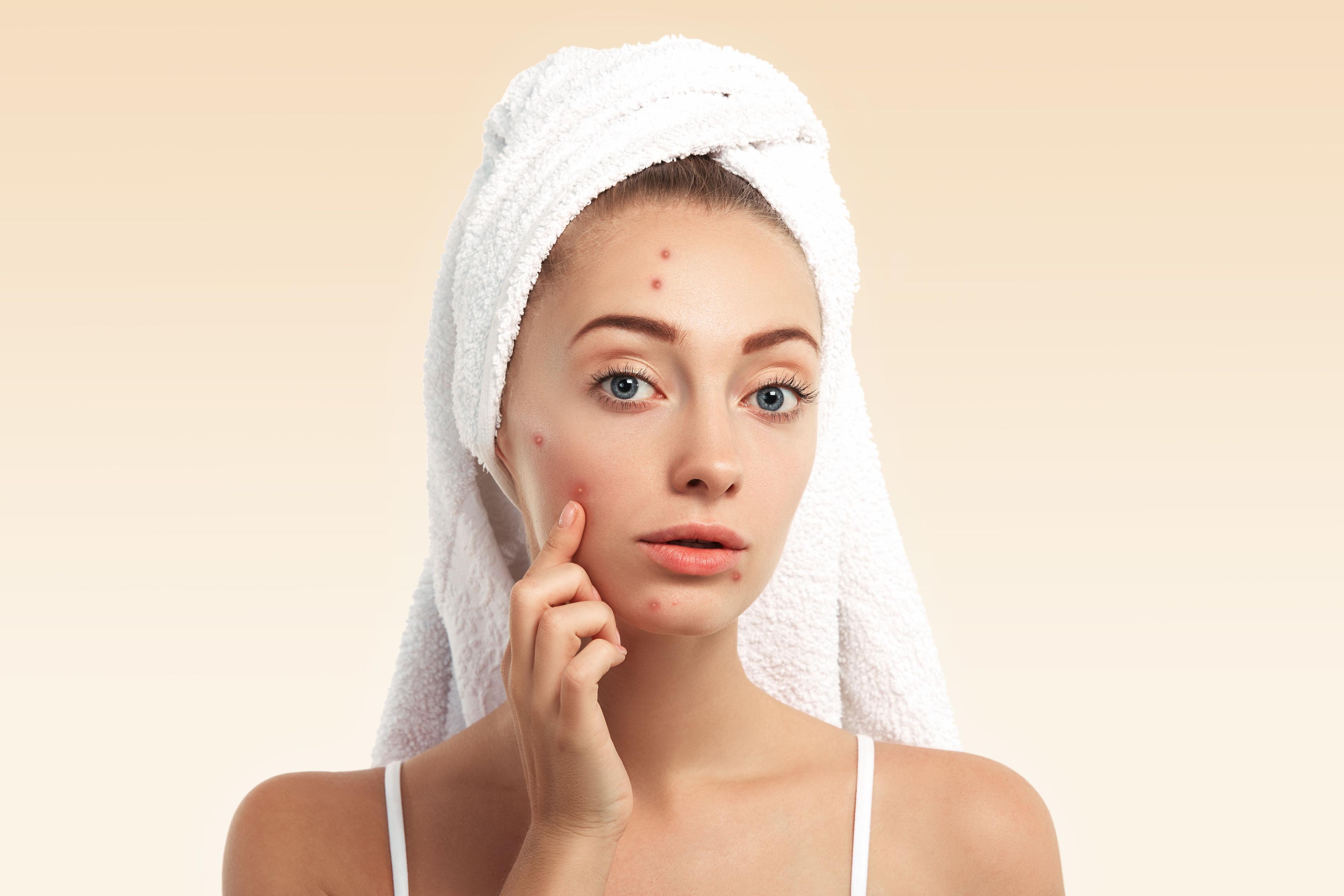
Introduction — Understanding the “Oil Story” Behind Blackheads
Your skin produces up to 20 grams of oil every day — but what happens when this natural process goes off balance?
Sebum is the waxy, oily substance secreted by the sebaceous glands. It’s your body’s built-in moisturizer, designed to keep your skin soft, hydrated, and protected. But when your sebum levels go haywire — whether too high or too low — it can lead to clogged pores, blackheads, and breakouts.
In this blog, we’ll decode the science of sebum, explain how it contributes to blackheads, and reveal dermatologist-approved ways to maintain oil balance without harming your skin barrier.
What Exactly Is Sebum?
Sebum is produced by sebaceous glands located in the dermis, usually attached to hair follicles. It’s made up of natural lipids (oils) that protect and lubricate your skin.
Sebum Composition & Functions:
| Component | Function |
|---|---|
| Triglycerides | Help retain moisture and maintain hydration |
| Squalene | Acts as an antioxidant and improves elasticity |
| Wax esters | Smooth and soften skin texture |
| Free fatty acids | Provide antimicrobial and protective functions |
Together, these components form a natural shield that keeps your skin healthy and resilient — but too much or too little sebum disrupts that balance.
How Sebum Contributes to Blackhead Formation
Blackheads form when sebum, dead skin cells, and bacteria clog your pores. Here’s how it happens step by step:
-
Sebum mixes with dead skin cells inside the follicle.
-
The mixture gets trapped, forming a blockage.
-
When the trapped oil is exposed to air, it oxidizes and turns dark — becoming a blackhead.
Additionally, bacteria like Cutibacterium acnes can aggravate these blockages, leading to inflammation and acne.
🧬 In short: Sebum → Blockage → Oxidation → Blackhead
What Causes Sebum Overproduction?
Several factors can trigger excess oil production — most of them beyond your control, but manageable with the right routine.
Common Causes:
-
Hormonal changes: During puberty or menstrual cycles, androgen levels spike, increasing sebum secretion.
-
Genetics: Some people naturally have more active sebaceous glands.
-
Diet: High-glycemic foods, dairy, and processed fats can trigger oil surges.
-
Stress: Raises cortisol, which stimulates sebaceous glands.
-
Climate: Hot, humid weather encourages more oil secretion.
Understanding these causes helps you approach skincare holistically — not just topically.
The Other Side — When Sebum Levels Are Too Low
Just as too much sebum can cause blackheads, too little sebum can cause dehydration, flakiness, and dullness.
Harsh cleansers, over-exfoliation, or drying acne treatments can strip away your skin’s natural oils, leading to the rebound effect — your skin overcompensates by producing even more oil.
🔁 Balance is key: neither dry nor greasy — just healthy, hydrated, and stable.
How to Balance Sebum Naturally and Scientifically
1. Choose the Right Cleanser
Pick a pH-balanced, sulfate-free cleanser that gently removes impurities without stripping oils.
Look for ingredients:
-
Salicylic acid – unclogs pores and reduces oil buildup
-
Zinc PCA – balances sebum and reduces shine
-
Green tea & niacinamide – calm inflammation and improve texture
🧴 Avoid: harsh foaming cleansers or alcohol-based formulas.
2. Exfoliate Smartly
Exfoliation helps regulate oil flow and clear dead skin buildup.
-
BHAs (Salicylic acid): Penetrate deep into pores to dissolve excess sebum.
-
AHAs (Glycolic acid): Smooth surface texture and promote skin renewal.
🕒 Frequency: 2–3 times a week for best results.
3. Hydrate Without Overloading
Contrary to popular belief, hydration helps reduce oiliness. When skin is hydrated, it doesn’t need to overproduce sebum.
Best hydrating ingredients:
-
Hyaluronic acid
-
Glycerin
-
Ceramides
Opt for lightweight, gel-based, non-comedogenic moisturizers to maintain balance.
4. Add Targeted Treatments
| Ingredient | Function | Frequency |
|---|---|---|
| Niacinamide | Regulates sebum & reduces redness | Daily |
| Retinoid | Prevents clogged pores | Nightly (gradually) |
| Clay mask | Absorbs excess oil | Weekly |
💡 Use these treatments in moderation — overuse can dry or sensitize skin.
5. Protect with Sunscreen
Sun exposure oxidizes oil and worsens blackheads. Always wear broad-spectrum SPF 30+ — preferably a gel or matte sunscreen.
Pro Tip: Sunscreen prevents post-inflammatory dark marks from blackheads and acne.
Internal Factors — Diet & Lifestyle in Sebum Regulation
Your skincare products can’t do it all — what you eat and how you live matter just as much.
Foods That Increase Sebum:
-
Dairy (especially milk and cheese)
-
Sugary snacks and soft drinks
-
Refined carbs (white bread, pasta, chips)
Foods That Help Balance Sebum:
-
Omega-3 fatty acids (salmon, flaxseeds, walnuts)
-
Zinc-rich foods (pumpkin seeds, chickpeas)
-
Green tea and antioxidants
-
Probiotics for gut-skin balance
🧘♀️ Lifestyle Tips:
-
Stay hydrated (8–10 glasses/day)
-
Sleep 7–8 hours
-
Manage stress through movement and mindfulness
-
Avoid touching your face frequently
Debunking Sebum Myths
| Myth | Fact |
|---|---|
| Oily skin doesn’t need moisturizer | Dehydration triggers even more oil production |
| You can permanently shrink pores | Pore size can’t change, only appearance improves |
| Stripping oil clears blackheads faster | It weakens the skin barrier and worsens oiliness |
Balanced skincare — not extreme drying — is what keeps oil levels steady and pores clear.
When to Seek Professional Help
If you’ve tried all the right steps and still struggle with oily skin or blackheads, it may be time to see a dermatologist.
Professional Treatments Include:
-
Topical retinoids (adapalene, tretinoin): Normalize oil flow and prevent blockages.
-
Chemical peels: Use salicylic or lactic acid for deep exfoliation.
-
Prescription sebum regulators: In severe cases, oral retinoids may be prescribed.
⚠️ Always follow professional guidance to avoid overuse or irritation.
FAQs
Q1: Is sebum good or bad for your skin? Sebum is essential — it protects and moisturizes when in balance. It’s only problematic when overproduced.
Q2: Can you stop sebum production completely? No — and you shouldn’t. Your skin needs sebum for barrier health and hydration.
Q3: Does oily skin mean dirty skin? Not at all. Oil production is a natural biological process, not a sign of poor hygiene.
Q4: What age does sebum production peak? Usually during teenage years and early adulthood, then gradually decreases with age.
Q5: Are natural oils like jojoba good for balancing sebum? Yes — jojoba oil closely mimics natural sebum, helping balance overactive oil glands.
Conclusion & CTA
Sebum is your skin’s natural defense system — it hydrates, protects, and keeps your barrier healthy. The problem isn’t oil itself, but imbalance. Too much leads to clogged pores and blackheads; too little causes dryness and inflammation.
The secret lies in balance — gentle cleansing, smart exfoliation, lightweight hydration, and healthy lifestyle habits.
✨ Sebum isn’t your enemy — it’s your skin’s ally. Learn to work with it, not against it.
Editorial Standards
Clear Ritual has Strict sourcing guidelines to ensure our content is accurate and current. We rely on peer-reviewed studies, academic research institutions, and medical associations. We strive to use primary sources and refrain from using tertiary references. See a mistake? Learn More about our Editorial Standards.



