




Steroid-Induced Fungal Acne
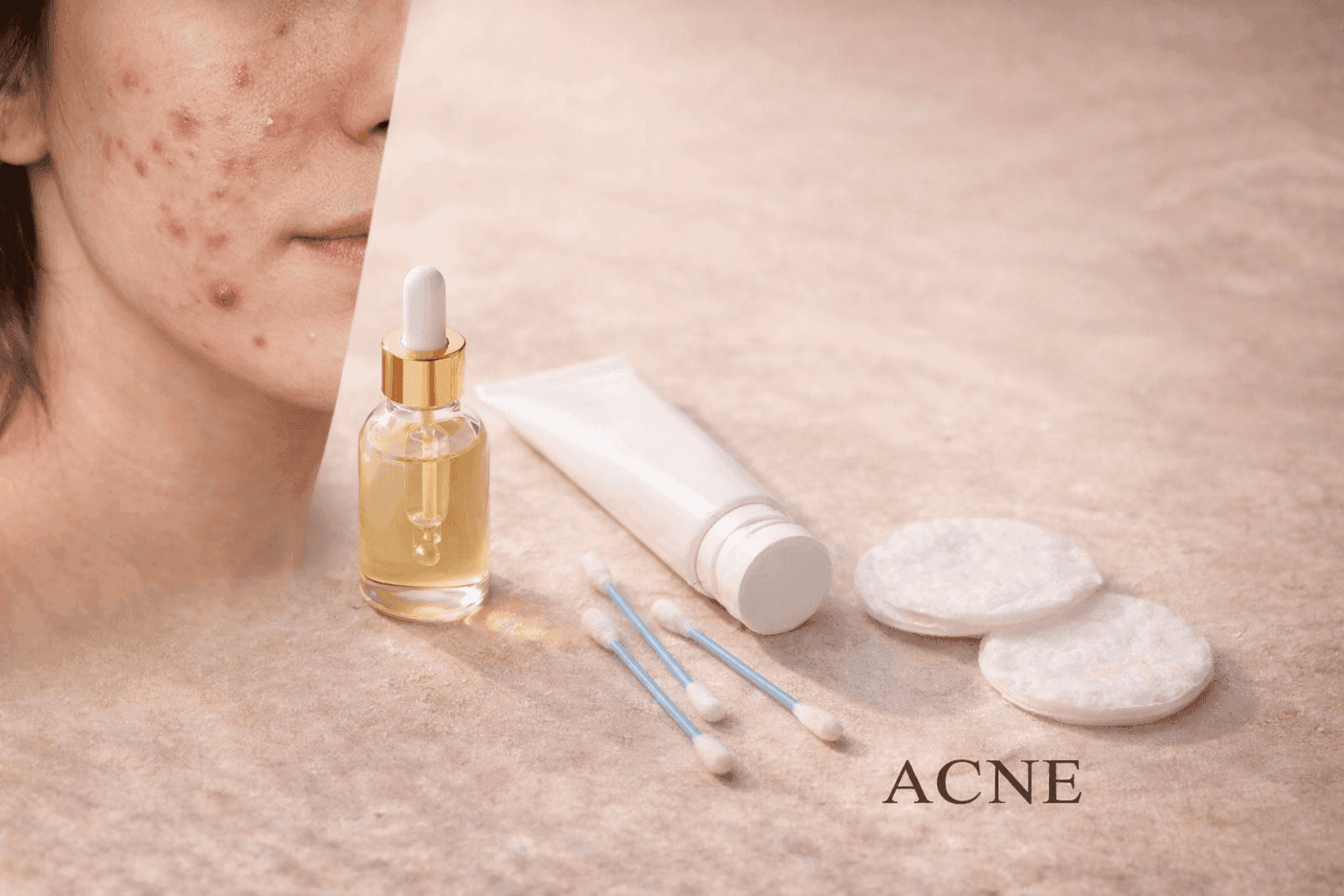
Steroid-induced fungal acne appears when topical or oral corticosteroids disrupt your skin's microbial balance, allowing Malassezia yeast to overgrow. Unlike bacterial acne, these uniform, itchy bumps don't respond to typical acne treatments and often worsen with continued steroid use, creating a frustrating cycle that requires targeted antifungal approaches.
Key Takeaways:
- Corticosteroids alter skin immunity and increase surface oils that feed Malassezia yeast
- Appears as uniform, itchy bumps mainly on the forehead, chest, and back
- Standard acne treatments containing benzoyl peroxide or antibiotics make it worse
- Stopping or reducing steroid use under medical guidance is essential for recovery
- Antifungal treatments target the root cause more effectively than acne medications
What Is Steroid-Induced Fungal Acne
Steroid-induced fungal acne, technically called Malassezia folliculitis, develops when corticosteroid medications create an environment where yeast organisms thrive inside hair follicles. This condition mimics traditional acne but stems from fungal overgrowth rather than the Cutibacterium acnes bacteria responsible for common breakouts.
Corticosteroids prescribed for conditions like eczema, psoriasis, or inflammation temporarily relieve symptoms but simultaneously suppress local immune responses in your skin. This immunosuppression allows Malassezia yeast - normally present in small amounts on everyone's skin - to multiply rapidly within the oil-rich environment of your follicles.
The result looks similar to acne but behaves quite differently. Where bacterial acne responds to salicylic acid or benzoyl peroxide, fungal acne remains stubbornly resistant to these treatments and often worsens with traditional acne therapies.
How Steroids Trigger Fungal Overgrowth
Your skin maintains a delicate ecosystem of bacteria, yeast, and other microorganisms that normally keep each other in check. Corticosteroids disrupt this balance through several mechanisms that create ideal conditions for Malassezia proliferation.
First, steroids suppress the activity of immune cells called neutrophils and macrophages that normally control yeast populations. Without these cellular defenders patrolling your follicles, Malassezia organisms multiply unchecked. Second, corticosteroids increase sebum production and alter its composition, providing more lipid-rich food for these lipophilic (fat-loving) yeasts.
The inflammation-suppressing properties of steroids also mask early warning signs. You might not notice the initial yeast colonization because steroids temporarily reduce redness and irritation. By the time visible bumps emerge, the fungal population has already established itself deeply within multiple follicles.
Oral corticosteroids like prednisone create systemic immunosuppression throughout your entire body, making you vulnerable to fungal overgrowth across larger skin areas. Topical steroids cause more localized problems but can still trigger extensive folliculitis when applied to moisture-prone areas like your upper back or chest where occlusion and sweating provide additional support for yeast growth.
Recognizing the Distinctive Pattern
Steroid-induced fungal acne presents with characteristics that distinguish it from bacterial acne once you know what to look for. The bumps appear remarkably uniform in size, typically small papules or pustules ranging from one to three millimeters across. Unlike bacterial acne that develops comedones, blackheads, and varied lesion sizes, fungal acne maintains this consistent appearance.
Distribution patterns offer another clue. While bacterial acne concentrates where sebaceous glands are densest - your face, especially the T-zone - fungal acne favors your forehead, temples, chest, shoulders, and upper back. These areas combine warmth, moisture, and occlusion that Malassezia organisms prefer.
Itching represents perhaps the most distinctive symptom. Bacterial acne rarely itches unless severely inflamed, but fungal acne often causes persistent itchiness that worsens with heat and sweating. The sensation stems from inflammatory mediators released as your immune system responds to the fungal presence within follicles.
The timeline matters too. Steroid-induced fungal acne typically emerges within two to eight weeks of starting corticosteroid treatment, though sometimes appears after just days of potent topical steroid application. If you notice sudden onset of uniform, itchy bumps in a follicular pattern during or shortly after steroid use, suspect fungal involvement.
| Feature | Bacterial Acne | Fungal Acne |
|---|---|---|
| Appearance | Varied sizes, comedones present | Uniform small bumps |
| Location | Face (T-zone), jawline | Forehead, chest, upper back |
| Sensation | Minimal itching | Persistent itchiness |
| Response to typical treatments | Improves with acne products | Worsens or no improvement |
Why Traditional Acne Treatments Fail
Many people unknowingly worsen steroid-induced fungal acne by applying conventional acne treatments that target bacteria rather than yeast. Benzoyl peroxide, the gold standard for bacterial acne, lacks antifungal properties and may even support fungal growth by altering skin pH and disrupting beneficial bacteria that compete with Malassezia.
Topical antibiotics like clindamycin or erythromycin target bacteria specifically and have no effect on fungal organisms. Worse, by eliminating bacterial competitors, these antibiotics can inadvertently allow Malassezia populations to expand further. Oral antibiotics including doxycycline and minocycline prescribed for acne create similar problems systemically - they reduce bacterial populations throughout your body while leaving fungal organisms free to proliferate.
Retinoids help bacterial acne by normalizing follicular keratinization and reducing inflammation, but they don't directly address fungal overgrowth. While they might provide modest benefits through improved cell turnover, they won't resolve the underlying yeast colonization driving steroid-induced fungal acne.
Heavy moisturizers and occlusive products containing oils and fatty acids that bacterial acne-prone skin might tolerate can feed Malassezia organisms. These yeasts specifically metabolize certain lipids, so products rich in palmitic acid, oleic acid, or linoleic acid may inadvertently support the fungal population you're trying to eliminate.
The Role of Skin Barrier Disruption
Corticosteroids don't just affect immunity and sebum - they also compromise your skin's structural integrity in ways that facilitate fungal invasion. Long-term steroid use thins the epidermis by inhibiting fibroblast activity and reducing collagen synthesis. This thinning weakens the physical barrier that normally prevents microorganisms from penetrating deeply into follicles.
Steroids also disrupt the lipid matrix between skin cells that acts as your waterproofing layer. When this lipid barrier becomes compromised, transepidermal water loss increases, and your skin becomes more permeable to external substances including microorganisms. The altered barrier function creates microscopic pathways that allow Malassezia organisms easier access to the nutrient-rich environment inside your follicles.
The reduced barrier integrity triggers a compensatory increase in sebum production as your skin attempts to restore surface lipids. Unfortunately, this additional sebum provides more fuel for Malassezia growth, creating a cycle where barrier damage leads to more oil production, which feeds more fungal proliferation, which causes more inflammation and barrier disruption.
Over-cleansing in an attempt to control the breakouts strips away remaining protective lipids, further compromising barrier function and potentially worsening the condition. The disrupted barrier also makes skin more sensitive to topical treatments, explaining why harsh acne products often cause significant irritation when applied to steroid-compromised skin with fungal overgrowth.
Environmental and Lifestyle Factors
Beyond the direct effects of corticosteroids, several lifestyle and environmental factors determine whether fungal acne develops and how severe it becomes. Heat and humidity create ideal conditions for Malassezia proliferation by increasing follicular moisture and promoting sweating that provides additional hydration for yeast organisms.
Tight clothing made from synthetic fabrics that don't breathe well trap heat and moisture against your skin. This occlusion is particularly problematic on your chest and back where steroid-induced fungal acne commonly appears. The warm, moist environment under workout clothes, backpacks, or athletic gear provides perfect growth conditions for Malassezia organisms.
Exercise itself poses a challenge because sweating increases follicular moisture, but not washing promptly after workouts allows sweat, oils, and microorganisms to remain in contact with your skin for extended periods. This prolonged contact gives yeast more opportunity to colonize follicles and establish infection.
High-glycemic diets that spike blood sugar may indirectly worsen fungal acne by increasing sebum production and altering sebum composition. While the connection between diet and fungal acne receives less research attention than diet and bacterial acne, some evidence suggests that refined carbohydrates and sugars influence sebaceous gland activity in ways that could support Malassezia growth.
Stress elevates cortisol levels, which can suppress immune function similarly to exogenous corticosteroids. Chronic stress might compound the immunosuppressive effects of prescribed steroids, creating even more favorable conditions for fungal overgrowth. Poor sleep also impairs immune surveillance, reducing your body's ability to control the Malassezia population.
The Challenge of Steroid Dependency
One of the most difficult aspects of steroid-induced fungal acne involves the catch-22 of steroid dependency. If you were prescribed corticosteroids for an underlying inflammatory condition, stopping them abruptly often causes the original problem to flare dramatically - a phenomenon called rebound inflammation.
This rebound occurs because your skin has adapted to the anti-inflammatory effects of steroids by upregulating inflammatory pathways. When steroids are suddenly withdrawn, these amplified inflammatory mechanisms surge unchecked, causing worse symptoms than you experienced initially. The fear of this rebound keeps many people continuing steroids even when they suspect the medication contributes to their fungal acne.
Long-term topical steroid use can also cause steroid rosacea and perioral dermatitis, conditions that share some features with fungal acne and can occur simultaneously. This overlap makes diagnosis more complex and treatment more challenging since each condition requires different therapeutic approaches.
The psychological impact shouldn't be underestimated either. Having taken medication to improve your skin only to develop a different disfiguring condition creates frustration and confusion. Many people cycle through multiple products and treatments, not realizing the persistent bumps represent fungal infection rather than resistant bacterial acne.
Early Recognition and Response
Catching steroid-induced fungal acne early significantly improves outcomes and shortens recovery time. If you're using corticosteroids and notice sudden onset of small, uniform, itchy bumps in a follicular distribution, consider fungal involvement before trying multiple acne treatments that might worsen the condition.
Pay attention to how your skin responds to typical acne products. If benzoyl peroxide, salicylic acid, or topical antibiotics cause increased irritation without improvement after two to three weeks, suspect that you're dealing with fungal rather than bacterial infection. The lack of response to treatments that normally work for acne represents an important diagnostic clue.
Document when symptoms started relative to corticosteroid use. Note whether new products, environmental changes, or lifestyle factors coincided with the appearance of bumps. This timeline helps distinguish steroid-induced fungal acne from other conditions and guides more effective treatment decisions.
Avoid aggressive exfoliation or harsh treatments that further compromise your already steroid-weakened skin barrier. Physical scrubs, strong chemical peels, and high-percentage acids can cause additional damage that delays healing and potentially spreads fungal organisms to previously unaffected areas.
When Medical Evaluation Becomes Necessary
While understanding steroid-induced fungal acne helps you make informed decisions, certain situations require professional dermatological assessment. Seek medical evaluation if bumps spread rapidly despite stopping steroids, if you develop signs of secondary bacterial infection like increasing pain or honey-colored crusting, or if the condition significantly impacts your quality of life.
A dermatologist can perform fungal culture or microscopy to definitively identify Malassezia organisms and rule out other conditions. Potassium hydroxide preparation, where scales are examined under a microscope after treatment with KOH solution, reveals the characteristic "spaghetti and meatballs" appearance of Malassezia yeasts and hyphae.
Professional guidance becomes especially important when you need to taper off systemic corticosteroids. Abrupt discontinuation of oral steroids can cause serious systemic complications beyond skin problems, including adrenal insufficiency. A physician can design a gradual reduction schedule that minimizes rebound inflammation while allowing your immune system to recover control over fungal populations.
If you've struggled with recurrent fungal acne despite appropriate antifungal treatment, investigation for underlying immunosuppression or metabolic conditions makes sense. Conditions like diabetes mellitus create elevated skin surface glucose that may support fungal growth, while immune disorders reduce your ability to control opportunistic organisms.
Prevention After Recovery
Once you've successfully treated steroid-induced fungal acne, preventing recurrence requires ongoing attention to the factors that allowed fungal overgrowth initially. If you must use topical corticosteroids for other conditions in the future, apply them sparingly to limited areas for the shortest effective duration, and consider incorporating antifungal maintenance treatments during and after steroid courses.
Choose skincare products carefully, avoiding heavy oils and ingredients that feed Malassezia organisms. Products containing fatty acids with chain lengths of 11 to 24 carbons - including many popular plant oils - serve as food sources for these yeasts. Lighter products with shorter-chain fatty acids or alternative emollients like squalane cause fewer problems for fungal acne-prone skin.
Maintain practices that discourage fungal proliferation. Shower promptly after sweating, wear breathable fabrics, and keep moisture-prone areas dry. During hot, humid weather, consider using antifungal body washes preventively on areas where you previously developed fungal acne.
Monitor your skin for early signs of recurrence, particularly if you experience immunosuppression from illness, stress, or medications. Early intervention at the first sign of characteristic bumps prevents full-blown outbreaks and shortens treatment time. Keep antifungal treatments on hand so you can respond quickly rather than watching the condition progress while awaiting appointments or prescriptions.
Understanding Internal Triggers: Clear Ritual's Perspective
Most skin conditions including fungal acne result from complex interactions between external triggers like steroid use and internal factors such as immune function, hormonal balance, barrier integrity, and inflammatory responses. While antifungal treatments address the immediate fungal overgrowth, they don't necessarily resolve the underlying susceptibility that allowed the condition to develop.
Individual variations in sebum composition, immune responsiveness, skin pH, and microbial ecology explain why some people develop steroid-induced fungal acne while others using identical medications don't. Understanding your specific trigger patterns helps prevent recurrence and supports long-term skin stability rather than just treating acute outbreaks.
At Clear Ritual, we combine the best of three worlds - Ayurveda, modern dermatology, and advanced skin science - to understand individual triggers through a structured skin assessment. This approach recognizes that sustainable skin health requires identifying personal factors that influence your susceptibility to conditions like fungal acne rather than applying generic solutions.
Frequently Asked Questions
Can steroid cream cause fungal acne even if I only used it for a few days?
Yes, potent topical steroids can trigger fungal overgrowth within days, especially on areas prone to moisture and occlusion like your chest or back. Even brief use suppresses local immunity enough to allow Malassezia organisms to colonize follicles, though longer duration and more potent formulations increase risk substantially.
Will fungal acne go away on its own if I stop using steroids?
Sometimes mild cases resolve spontaneously after discontinuing steroids as your immune function recovers, but established infections often require antifungal treatment. The overgrown Malassezia population doesn't automatically return to normal levels just because steroids stop - the organisms have colonized follicles and continue thriving on sebum until actively eliminated.
How long does it take for steroid-induced fungal acne to clear?
With appropriate antifungal treatment, noticeable improvement typically occurs within two to four weeks, though complete clearing may take six to twelve weeks. Recovery time depends on infection severity, how long you used steroids, whether you're still using them, and how effectively you've eliminated factors supporting fungal growth.
Can I use moisturizer if I have fungal acne?
Yes, but choose products carefully since many moisturizers contain oils and fatty acids that feed Malassezia organisms. Look for formulations with squalane, hyaluronic acid, or glycerin as primary moisturizing ingredients, and avoid products high in oleic acid or other medium to long-chain fatty acids that support fungal proliferation.
Is steroid-induced fungal acne contagious?
No, you cannot transmit fungal acne to others through contact. Malassezia organisms live naturally on everyone's skin, and the overgrowth occurs due to your specific internal conditions created by steroid use rather than transmission from person to person. Sharing towels or clothing won't spread the condition.
Why does my fungal acne get worse when I sweat?
Sweating increases moisture and warmth in follicles while raising skin surface pH, all of which favor Malassezia growth. The lipids and salts in sweat also provide nutrients for yeast organisms. Additionally, sweat can occlude follicular openings, trapping organisms inside where they proliferate more effectively in the warm, moist environment.
Can I prevent fungal acne if I need to use steroids for another condition?
You can reduce risk through several strategies including using steroids at the lowest effective dose for the shortest duration, applying them only to necessary areas, maintaining dry skin in prone regions, considering prophylactic antifungal treatments during steroid courses, and promptly addressing early signs of fungal overgrowth before extensive colonization develops.
Do oral steroids cause fungal acne more than topical ones?
Oral steroids create systemic immunosuppression affecting your entire body, potentially triggering fungal overgrowth across larger skin areas, while topical steroids cause more localized problems. However, potent topical steroids applied to extensive areas or under occlusion can cause widespread fungal acne comparable to oral steroid effects, especially when used long-term.
Editorial Standards
Clear Ritual has Strict sourcing guidelines to ensure our content is accurate and current. We rely on peer-reviewed studies, academic research institutions, and medical associations. We strive to use primary sources and refrain from using tertiary references. See a mistake? Learn More about our Editorial Standards.



