




Stress as a Trigger for Acne Prone Skin
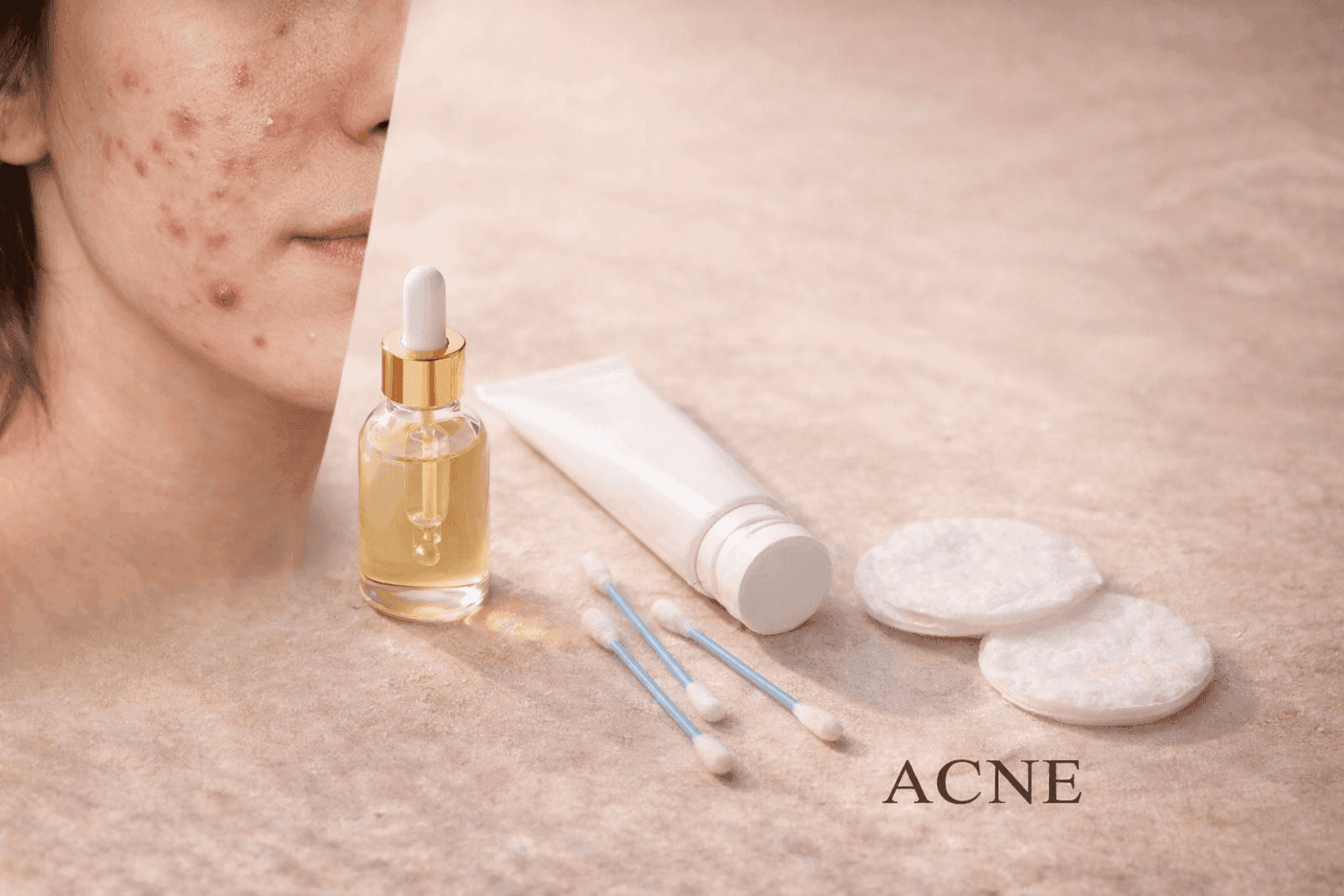
When you're stressed, your body releases cortisol, a hormone that signals oil glands to produce more sebum. This excess oil clogs pores and creates an environment where acne-causing bacteria thrive. Combined with increased inflammation throughout the body, stress doesn't just worsen existing breakouts - it can trigger new ones even when your skincare routine hasn't changed.
Key Takeaways:
- Stress hormones directly increase sebum production in the skin
- Cortisol triggers inflammatory pathways that worsen acne lesions
- Stress affects sleep quality, which impacts skin barrier repair
- Breaking the stress-acne cycle requires addressing both internal triggers and skin barrier health
What Actually Happens Inside Your Skin During Stress
Your skin doesn't exist separately from the rest of your body. When you experience stress - whether from work deadlines, relationship challenges, or even lack of sleep - your adrenal glands release cortisol and other stress hormones into your bloodstream. These hormones reach your skin through blood vessels and interact with receptors on sebaceous glands.
Cortisol signals these oil-producing glands to ramp up sebum production. For someone with acne-prone skin, this creates a cascade effect. The excess oil mixes with dead skin cells that haven't shed properly, forming plugs inside pores. Once trapped, this environment becomes ideal for Cutibacterium acnes bacteria to multiply rapidly, triggering the immune response that creates inflamed, red, painful breakouts.
At the same time, stress hormones suppress certain immune functions while amplifying inflammatory pathways. This means your skin becomes both more reactive and less capable of healing efficiently. Existing microcomedones that might have remained invisible can suddenly develop into full papules or pustules within days of a stressful event.
The Cortisol-Sebum Connection
Sebaceous glands throughout your face, chest, and back contain receptors specifically designed to respond to stress hormones. When cortisol binds to these receptors, it doesn't just slightly increase oil production - it can double or triple sebum output depending on individual hormone sensitivity.
This mechanism evolved as a protective response. In acute stress situations, increased skin oil would have provided a temporary barrier against environmental threats. However, chronic modern stress keeps cortisol levels elevated for weeks or months, continuously stimulating oil glands beyond what your pores can manage.
The composition of stress-induced sebum also differs slightly from normal sebum. Studies show it contains altered ratios of fatty acids, some of which are more comedogenic and irritating to pore linings. This means stress doesn't just produce more oil - it produces oil that's more likely to trigger inflammatory acne.
How Stress Disrupts Your Skin Barrier
Beyond oil production, chronic stress degrades the stratum corneum - your skin's protective outer layer. Cortisol interferes with the production of ceramides, cholesterol, and fatty acids that form the lipid barrier between skin cells. When this barrier weakens, transepidermal water loss increases, leaving skin dehydrated despite feeling oily.
A compromised barrier also means irritants, bacteria, and allergens penetrate more easily, triggering additional inflammatory responses. You might notice your skin becomes more sensitive to products that never caused problems before, or that environmental factors like pollution or weather changes suddenly provoke breakouts.
Dehydrated skin responds by producing even more oil to compensate for water loss, creating the confusing combination of oily yet flaky skin that many people with stress-related acne experience. This also explains why aggressive cleansing during stressful periods often backfires - stripping away oil further damages the barrier and signals glands to produce more sebum.
Stress, Sleep Deprivation, and Skin Repair
Stress commonly disrupts sleep quality and duration. Even when you spend eight hours in bed, elevated cortisol can prevent deep sleep stages where the most significant skin repair occurs. During deep sleep, growth hormone levels peak, stimulating collagen production and accelerating the turnover of damaged cells.
Without adequate deep sleep, inflammatory acne lesions take longer to heal, post-inflammatory hyperpigmentation lingers for months instead of weeks, and your skin's natural exfoliation process slows down. Dead cells accumulate on the surface and inside pores, compounding the clogging effect of excess sebum.
Sleep deprivation also impairs glucose metabolism and insulin sensitivity. When blood sugar regulation falters, it creates another pathway for increased sebum production and inflammation - essentially adding a metabolic stress trigger on top of psychological stress.
The Inflammation Amplification Cycle
Stress activates your sympathetic nervous system - the fight-or-flight response. This increases production of inflammatory chemicals called cytokines throughout your body, including your skin. These molecules signal immune cells to attack perceived threats, which in acne-prone skin means attacking the bacteria and debris trapped in clogged pores.
The resulting inflammation manifests as red, swollen, painful acne rather than simple blackheads or whiteheads. Inflammatory acne also damages surrounding tissue, increasing the likelihood of scarring and long-lasting hyperpigmentation.
Chronic inflammation from ongoing stress can also trigger mast cell activation in the skin. Mast cells release histamine and other compounds that dilate blood vessels and increase skin sensitivity. This is why stressed skin often looks redder overall, feels more reactive, and develops acne that's more painful than usual.
Behavioral Patterns That Worsen Stress Acne
Stress doesn't only affect skin through hormones - it changes behavior in ways that directly impact acne. Many people touch their face more frequently when anxious, transferring bacteria and irritating existing lesions. The unconscious habit of picking at skin provides temporary stress relief but introduces new bacteria, damages tissue, and guarantees prolonged healing times.
Stress also alters eating patterns. Some people skip meals or rely on quick, high-glycemic foods that spike blood sugar and insulin. Others consume more dairy products, which contain hormones and growth factors that can stimulate oil glands in sensitive individuals. While food alone doesn't cause acne, stress-driven dietary changes can amplify existing triggers.
During stressful periods, skincare routines often become inconsistent. You might forget to cleanse at night, use harsh products hoping for faster results, or abandon your routine entirely. This inconsistency prevents your skin barrier from stabilizing and can introduce new irritation.
Why Your Skin Breaks Out After Stress Resolves
You might notice a frustrating pattern: your skin looks relatively clear during an intensely stressful week, then breaks out badly once the deadline passes or the crisis resolves. This delayed response confuses many people, but it reflects the acne formation timeline.
Microcomedones - the microscopic clogs that eventually become visible acne - form one to two weeks before you see them on the surface. The stress-induced sebum surge and inflammation occurring during your crisis week initiates this process beneath the skin. By the time you feel relieved and expect your skin to improve, those hidden clogs are surfacing as active breakouts.
Additionally, cortisol suppresses certain immune functions during acute stress. When stress levels drop, your immune system rebounds and may overreact, causing increased inflammation around existing microcomedones and transforming them into inflamed papules or cysts.
Differentiating Stress Acne From Other Types
Stress-related breakouts often appear in patterns that differ from hormonal or comedonal acne. Many people notice clusters of inflamed lesions appearing on the jawline, chin, and around the mouth - areas with high concentrations of sebaceous glands sensitive to cortisol.
Stress acne tends to flare unpredictably in correlation with life events rather than following a monthly hormonal cycle. The lesions are often more inflamed and painful relative to their size compared to typical comedonal acne. You might develop several deep, painful nodules rather than many small whiteheads.
If you can identify clear temporal relationships between stressful events and breakouts occurring seven to fourteen days later, stress is likely a significant trigger. Keeping a simple log noting major stressors and breakout timing can reveal patterns that aren't obvious day to day.
The Gut-Brain-Skin Axis in Stress Response
Your gut microbiome communicates bidirectionally with your brain and skin through what researchers call the gut-brain-skin axis. Stress alters gut bacteria populations, reducing beneficial species that help regulate inflammation and increasing populations associated with inflammatory conditions.
An imbalanced gut microbiome increases intestinal permeability, allowing bacterial fragments called lipopolysaccharides to enter the bloodstream. These fragments trigger systemic inflammation that reaches the skin and amplifies acne severity. Stress also reduces stomach acid production and digestive enzyme output, affecting nutrient absorption of skin-supporting vitamins and minerals.
Changes in gut bacteria affect neurotransmitter production. Your gut produces significant amounts of serotonin and GABA, which influence mood regulation and stress resilience. When stress damages gut health, it creates a cycle where impaired neurotransmitter production makes you more vulnerable to future stress.
Cortisol's Impact on Wound Healing
Beyond triggering new breakouts, elevated cortisol impairs your skin's ability to heal existing acne lesions. Cortisol suppresses fibroblast activity - the cells responsible for producing collagen and other structural proteins that repair damaged tissue.
This suppression means acne lesions remain inflamed longer, increasing the depth of tissue damage and the likelihood of permanent scarring. Post-inflammatory erythema (the red marks left after acne heals) persists for months when cortisol remains elevated, whereas the same lesions might fade in weeks under normal conditions.
Cortisol also reduces hyaluronic acid synthesis in the skin. Hyaluronic acid attracts and holds water in tissues, supporting plumpness and facilitating the movement of nutrients and immune cells to healing sites. Reduced levels mean slower repair and increased visible signs of past breakouts.
When Stress Acne Requires Professional Evaluation
While stress-triggered acne responds to stress management and barrier-supportive skincare, certain signs indicate you should consult a dermatologist. If you develop sudden, severe acne that doesn't correspond to any previous pattern, it may indicate an underlying hormonal condition that stress is revealing rather than causing.
Acne that leaves deep scars, persists despite three months of consistent routine adjustments, or includes large, painful cysts warrants professional evaluation. A dermatologist can assess whether prescription treatments like retinoids or oral medications might prevent permanent scarring while you address stress triggers.
Sudden adult-onset acne, especially if accompanied by other symptoms like irregular periods, unusual hair growth, or unexplained weight changes, should be evaluated to rule out conditions like polycystic ovary syndrome or adrenal disorders that stress might be exacerbating.
Supporting Your Skin During Stressful Periods
Understanding that stress triggers acne doesn't make stress disappear, but it allows you to support your skin proactively during unavoidable high-stress periods. Maintaining a simplified, consistent routine becomes even more important when you're stressed, even though it's precisely when routines tend to slip.
Gentle cleansing twice daily removes excess sebum without stripping the barrier and triggering rebound oil production. Look for cleansers that maintain skin pH around 5.5 and avoid sulfates that disrupt lipid layers. During stress, your skin cannot tolerate the aggressive cleansing it might handle during calmer periods.
Barrier-supporting ingredients like ceramides, niacinamide, and fatty acids help maintain the protective stratum corneum despite cortisol's degrading effects. Niacinamide also regulates sebum production and reduces inflammation through pathways separate from stress hormones, making it particularly useful during high-cortisol periods.
Avoiding new products or aggressive treatments during stress prevents adding physical irritation on top of internal inflammation. Your skin's tolerance decreases when cortisol is elevated, so treatments that worked previously might suddenly cause redness or breakouts.
Stress Management as Skin Treatment
Addressing stress itself functions as a legitimate acne treatment because it removes the trigger rather than just managing symptoms. Even small, consistent practices that lower cortisol can measurably reduce sebum production and inflammatory markers in the skin.
Regular movement helps metabolize excess cortisol and improves insulin sensitivity, addressing two pathways that link stress to acne. You don't need intense exercise - even twenty-minute walks lower cortisol levels and support better sleep quality.
Breathing exercises and meditation demonstrably reduce cortisol within minutes. A simple practice of five-minute box breathing sessions (inhale four counts, hold four counts, exhale four counts, hold four counts) three times daily can lower baseline stress hormone levels enough to reduce acne triggers.
Social connection and meaningful conversation activate parasympathetic nervous system responses that counter cortisol release. Even when you cannot eliminate stressors, processing them through conversation or journaling reduces their physiological impact on your body and skin.
The Role of Blood Sugar Stability
Stress impairs insulin sensitivity and glucose regulation, creating blood sugar fluctuations that independently trigger sebum production and inflammation. Eating balanced meals with protein, fiber, and healthy fats every three to four hours prevents the blood sugar crashes that spike cortisol and insulin simultaneously.
Skipping meals during stress seems to save time but creates a metabolic stress that compounds psychological stress. Your body cannot distinguish between the stress of a work deadline and the stress of inadequate nutrition - both trigger cortisol release.
Avoiding high-glycemic foods that rapidly spike blood sugar becomes more important during stressful periods. Your insulin sensitivity is already compromised by cortisol, so foods that might not normally trigger breakouts can become problematic when you're stressed.
Hydration and Skin Inflammation
Dehydration amplifies cortisol's inflammatory effects throughout the body, including the skin. Even mild dehydration increases cortisol release and impairs the skin barrier's ability to retain moisture, creating the dehydrated-yet-oily condition common in stress acne.
Adequate water intake supports the lymphatic system's removal of inflammatory waste products from skin tissue. When dehydrated, this clearance slows, allowing inflammatory chemicals to accumulate around hair follicles and sebaceous glands.
Caffeine intake often increases during stress, providing temporary alertness but contributing to dehydration and sleep disruption that worsen acne triggers. Balancing each caffeinated beverage with a glass of water helps maintain hydration without requiring complete caffeine elimination.
Understanding Internal Triggers: Clear Ritual's Perspective
Acne prone skin responds to stress, but stress rarely works alone as a trigger. Most persistent acne results from multiple overlapping factors including hormonal fluctuations, inflammatory responses, barrier dysfunction, microbial imbalance, genetic predisposition, and lifestyle patterns. Addressing stress through breathing exercises or better sleep helps, but without understanding your complete trigger profile, improvements often plateau or breakouts return when other factors activate.
Clear Ritual combines principles from Ayurveda, modern dermatology, and advanced skin science to understand individual trigger patterns through a structured skin assessment. This approach recognizes that what triggers breakouts in one person might not affect another, even with similar stress levels. Understanding your specific combination of internal and external triggers allows for targeted adjustments rather than guessing which changes might help. Long-term skin stability comes from identifying and addressing your unique pattern of triggers, not just managing visible symptoms.
Frequently Asked Questions
Can stress alone cause acne if I've never had it before?
Stress can trigger acne in people without previous breakouts by increasing oil production and inflammation, but it usually reveals an underlying predisposition rather than creating acne from nothing. Genetic factors, hormonal sensitivity, and pore structure determine whether stress manifests as acne or other skin changes like eczema or redness.
How long does it take for stress acne to clear after stress reduces?
Existing stress-induced breakouts typically resolve within their normal healing timeframe of one to two weeks for minor lesions or four to six weeks for deeper inflammation. However, microcomedones formed during stress may surface as new breakouts for up to two weeks after cortisol levels normalize, creating a delayed clearing pattern.
Does stress cause the same type of acne as hormonal fluctuations?
Stress acne and hormonal acne overlap significantly because stress hormones like cortisol interact with the same sebaceous gland receptors as androgens. The practical difference lies in timing - hormonal acne follows predictable monthly patterns while stress acne correlates with life events and appears more randomly.
Can improving sleep really reduce acne breakouts?
Quality sleep lowers cortisol, supports barrier repair, balances hunger hormones that affect blood sugar, and allows proper inflammatory regulation. Most people notice measurably clearer skin within two to three weeks of consistently achieving seven to eight hours of deep sleep, particularly reduction in inflammatory lesion severity.
Why does my skin get worse when I'm anxious even if I'm using acne products?
Topical products cannot override the internal triggers that anxiety creates through cortisol release, increased inflammation, and barrier disruption. Effective acne management during anxious periods requires both appropriate skincare to support the barrier and internal approaches that lower stress hormone levels.
Should I change my skincare routine during stressful times?
Maintain your existing routine if it's gentle and barrier-supportive, but avoid introducing new products or aggressive treatments when stressed. Your skin's tolerance decreases during high-cortisol periods, making it more likely to react negatively to changes. Consistency matters more than optimization during stress.
Can stress acne lead to permanent scarring?
Stress-induced inflammation can absolutely cause permanent scarring, especially when cortisol impairs wound healing and prolongs lesion duration. The combination of increased picking behavior during stress and slower healing creates higher scarring risk than the same acne severity would cause under normal conditions.
Do stress-reducing supplements help with stress acne?
Certain supplements like adaptogens, magnesium, and omega-3 fatty acids may support stress resilience and reduce inflammation, but they work gradually over weeks and cannot replace behavioral stress management. No supplement directly stops cortisol from triggering sebum production, though some may modulate the intensity of stress responses over time.
Editorial Standards
Clear Ritual has Strict sourcing guidelines to ensure our content is accurate and current. We rely on peer-reviewed studies, academic research institutions, and medical associations. We strive to use primary sources and refrain from using tertiary references. See a mistake? Learn More about our Editorial Standards.



