




Triggers of Comedonal Acne
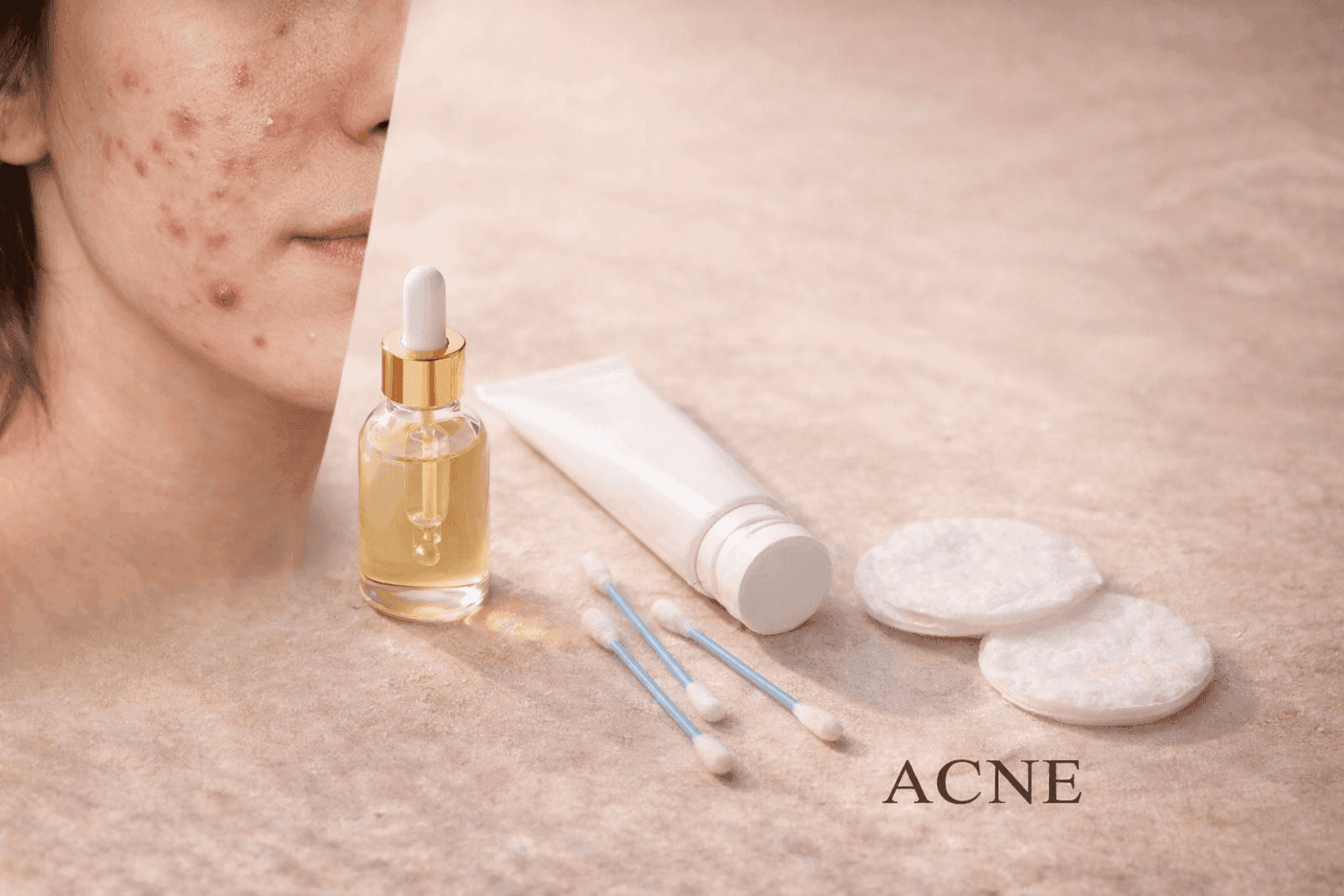
Comedonal acne develops when dead skin cells and oil combine inside your pores, forming plugs that appear as small bumps on the skin. These comedones occur when the natural skin cell shedding process slows down or when your skin produces excess sebum, often triggered by hormones, friction, or pore-clogging products.
Key Takeaways:
- Comedones form when pores become blocked with oil and dead skin cells
- Hormonal fluctuations are the most common internal trigger
- External factors like occlusive products and friction worsen the condition
- Unlike inflammatory acne, comedones typically don't cause redness or pain
- Understanding your specific triggers helps prevent new formations
What Happens Inside Your Skin
Your skin constantly sheds dead cells from the surface. Normally, these cells detach cleanly and wash away. Inside each pore sits a sebaceous gland that produces sebum, an oily substance that keeps skin protected and moisturized. When this process works smoothly, your skin stays clear.
Comedonal acne appears when something disrupts this balance. The cells lining the pore wall start sticking together instead of shedding normally. At the same time, sebum production continues. This combination creates a plug inside the follicle. If the pore remains open, you see a blackhead where the oxidized oil appears dark. If the pore closes over, you get a whitehead, which looks like a small flesh-colored bump.
The follicle wall stretches to accommodate this buildup, which explains why comedones feel firm when you touch them. Unlike pustules or cysts, comedones don't involve significant bacterial activity or inflammation, though they can progress to inflammatory acne if bacteria colonize the blocked pore.
Hormonal Influences on Pore Behavior
Androgens, particularly testosterone and its derivatives, directly stimulate your sebaceous glands to produce more oil. Women experience these fluctuations during menstrual cycles, pregnancy, and when starting or stopping hormonal contraceptives. The week before menstruation typically brings increased sebum production, which explains why many people notice new comedones appearing during this time.
Polycystic ovary syndrome creates persistently elevated androgen levels, leading to chronic comedonal acne that resists typical skincare approaches. The excess androgens also thicken the cells lining the follicle, making them more likely to stick together and form plugs.
During puberty, androgen levels surge in both males and females. The sebaceous glands, which were relatively quiet during childhood, suddenly activate and often overproduce sebum. The skin needs time to adjust to this new hormonal environment, which explains why comedonal acne frequently begins during teenage years.
Stress triggers cortisol release, which indirectly increases androgen activity. When you experience chronic stress, your body maintains elevated cortisol levels that contribute to sustained sebum production and slower cell turnover. Sleep deprivation amplifies this effect by disrupting normal hormone regulation.
Product-Related Triggers
Certain ingredients create a physical barrier that prevents normal sebum flow and cell shedding. Coconut oil, despite its popularity in skincare, has a highly comedogenic structure that blocks pores in many people. Heavy silicones in primers and foundations can create the same effect, especially when layered daily without thorough removal.
Mineral oil itself doesn't clog pores, but when combined with dead skin cells and other cosmetic ingredients, it can contribute to comedone formation. The issue isn't the ingredient alone but how it interacts with your skin's natural processes.
Hair products present a hidden trigger that many people overlook. Conditioners, styling creams, and leave-in treatments contain oils and waxes that transfer to your forehead, temples, and jawline. When you sleep on a pillowcase covered in these residues, the contact time increases exposure. This explains why comedones often cluster along the hairline and upper forehead.
Switching products too frequently prevents your skin from establishing equilibrium. Each new product introduces different ingredients that your skin must process. When you change your entire routine every few weeks, you create constant disruption that can trigger more comedones rather than fewer.
Mechanical and Friction-Based Triggers
Repetitive pressure and friction cause a specific pattern called acne mechanica. Wearing masks for extended periods traps humidity, heat, and exhaled air against your skin. This environment softens the follicle walls and increases cell adhesion. Medical professionals and essential workers often develop concentrated comedones across the mask zone for this reason.
Helmets, chin straps, and sports equipment create similar problems. The combination of pressure, friction, and trapped sweat prevents normal skin breathing and cell turnover. Athletes frequently notice comedones appearing in specific patterns that match their equipment contact points.
Touching your face transfers oils from your hands while applying mechanical pressure that pushes surface debris into pores. Each touch might seem insignificant, but when repeated dozens of times daily, the cumulative effect becomes substantial. Phone screens pressed against your cheek create the same issue on one side of your face.
Rough exfoliation tools and aggressive scrubbing trigger increased cell production as your skin tries to repair the damage. This defensive response actually generates more dead cells that can become trapped in pores. The temporary smoothness you feel after harsh exfoliation often precedes a wave of new comedones within days.
Environmental and Lifestyle Factors
Humid environments increase hydration in the follicle lining, causing cells to swell and stick together more readily. The same humidity that makes your hair frizzy affects your pore structure. People often notice their comedonal acne worsens during summer months or when traveling to tropical climates.
Air pollution deposits microscopic particles on your skin throughout the day. These particles mix with sebum and create a film that blocks pores. Urban environments with heavy traffic pollution correlate with increased comedone formation, particularly in areas with high particulate matter concentrations.
Chlorinated pool water strips away your skin's natural protective oils, triggering reactive sebum production. The skin overcompensates by producing extra oil to restore the barrier. When this excess sebum combines with pool chemical residues, comedones form more easily.
Indoor heating and air conditioning create artificially dry environments that dehydrate the skin surface. Your skin responds by producing more sebum to prevent moisture loss. This protective mechanism, while biologically appropriate, increases the material available to form comedones.
Dietary Connections to Sebum Quality
High glycemic foods cause rapid blood sugar spikes that trigger insulin release. Insulin increases androgen activity and stimulates sebum production through multiple pathways. Beyond the quantity of oil produced, high insulin levels also change sebum composition, making it thicker and more likely to solidify inside pores.
Dairy products, particularly skim milk, contain hormones and bioactive molecules that influence your own hormone levels. The proteins in dairy can trigger insulin-like growth factor production, which stimulates both sebaceous glands and the cells lining your pores. Many people notice improvement in comedonal acne when they reduce dairy consumption, though individual responses vary significantly.
Inadequate water intake concentrates the cellular debris in your pores. When your body operates in a mildly dehydrated state, the normal fluid exchange that helps flush follicles becomes less efficient. The sebum produced also becomes more viscous and prone to solidifying.
Excessive omega-6 fatty acids without balancing omega-3 intake can promote inflammatory processes that affect skin cell behavior. While comedonal acne isn't primarily inflammatory, the cellular environment within pores responds to these dietary fat ratios.
Skincare Habits That Backfire
Over-cleansing strips your skin's lipid barrier, which triggers increased sebum production as a compensatory response. When you wash your face three or four times daily with harsh cleansers, you create a cycle where your skin produces more oil to replace what you've removed. This excess sebum then contributes to comedone formation.
Under-cleansing leaves makeup, sunscreen, and environmental debris on your skin overnight. These materials mix with sebum and dead cells, creating the perfect conditions for pore blockages. The accumulation happens gradually, so you might not notice the buildup until comedones appear.
Using hot water during cleansing temporarily swells the skin and strips oils more aggressively than lukewarm water. The immediate feeling of deep cleanliness comes at the cost of barrier disruption. Your skin compensates over the following hours with increased oil production.
Skipping sunscreen seems logical when you want to avoid pore-clogging products, but UV exposure actually thickens the outer skin layer and alters cell turnover patterns. Sun-damaged skin develops irregular shedding that promotes comedone formation. Modern mineral sunscreens formulated for acne-prone skin provide protection without occlusion.
Seasonal and Cyclical Patterns
Winter air lacks humidity, causing surface dehydration that triggers protective sebum production. Indoor heating amplifies this effect. The combination of dry air and increased oil production creates ideal conditions for comedones. People with clear skin in summer often struggle during winter months.
Summer heat increases sweating, which hydrates the follicle opening and can soften existing comedones. However, the same heat stimulates more active sebum production. The balance between these effects determines whether your skin improves or worsens seasonally.
Menstrual cycle timing affects more than just hormone levels. The week before menstruation brings subtle fluid retention that changes pore structure. The cells lining follicles absorb more water and swell slightly, narrowing the pore opening. Combined with increased sebum production, this creates a monthly window of increased comedone risk.
Early Recognition and Pattern Tracking
Small, slightly rough patches on your forehead, nose, or chin often precede visible comedones. The texture change indicates that plugs are forming beneath the surface before they become apparent. Recognizing this early stage allows intervention before established comedones develop.
Gradual increase in skin oiliness throughout the day, particularly in areas where you typically develop comedones, signals active sebaceous gland stimulation. When you notice your usual oil-control measures becoming less effective, comedone formation often follows within one to two weeks.
Specific location patterns reveal your personal triggers. Forehead comedones often connect to hair products or friction from hats. Jawline and chin comedones frequently correlate with hormonal fluctuations or phone contact. Nose and center face comedones relate more often to natural sebum production patterns.
When Professional Guidance Becomes Important
Comedones that persist despite consistent appropriate skincare over three months suggest underlying factors that require professional assessment. Your skin should respond to basic pore-clearing approaches within this timeframe if the triggers are purely external.
Sudden onset of widespread comedones in adulthood, especially when accompanied by other symptoms like irregular periods or unexpected hair growth, warrants hormonal evaluation. These patterns can indicate conditions requiring medical management beyond topical skincare.
Comedones that progress to inflamed pustules or cysts indicate that bacteria have colonized the blocked pores. This transformation means your comedonal acne has evolved into a mixed presentation requiring different treatment approaches.
Very large, deep comedones that don't respond to typical extraction methods may actually be different lesions that need professional identification. What appears to be a stubborn comedone might be a milia, which forms differently and requires specialized removal.
Building Awareness of Your Skin Response
Tracking your skin changes alongside life factors helps identify personal triggers. A simple journal noting new comedone appearance, menstrual timing, product changes, stress levels, and dietary shifts reveals patterns that aren't obvious day-to-day. Most people discover two or three primary triggers that account for the majority of their comedones.
Your skin's response time matters for accurate trigger identification. Comedones don't appear immediately after trigger exposure. The formation process takes five to seven days on average. When you notice new comedones, consider what changed in your routine or environment about a week earlier.
Individual variation means that common triggers affect people differently. Your friend might thrive using coconut oil while it causes comedones on your skin. Generic advice fails because your specific combination of genetics, hormone patterns, and environmental exposures is unique.
Understanding Internal Triggers: Clear Ritual's Perspective
Comedonal acne rarely has a single cause, making it challenging to resolve with surface-level changes alone. Your skin responds to multiple influences simultaneously including hormone fluctuations, genetic predisposition to sebum production, stress response patterns, nutritional factors, microbiome balance, and barrier function integrity. Topical products can manage the visible effects and help prevent pore blockages, but they don't address why your skin produces excess sebum or why your cell turnover became irregular in the first place. At Clear Ritual, we combine the best of three worlds - Ayurveda, modern dermatology, and advanced skin science - to understand individual triggers through a structured skin assessment. This approach helps identify the specific combination of internal and external factors driving your comedone formation, allowing for more targeted and sustainable management that goes beyond temporary symptom control.
Frequently Asked Questions
Can comedonal acne go away on its own?
Existing comedones rarely resolve without intervention because the plug inside the pore needs mechanical removal or chemical dissolution. However, if you eliminate the triggers causing new formation, your skin can gradually clear as you address existing comedones. The timeline depends on how quickly you identify and remove your specific triggers.
Why do I only get comedones in certain areas?
Sebaceous gland distribution varies across your face, with higher concentrations on the nose, forehead, and chin. These areas naturally produce more sebum. Additionally, specific zones contact different triggers - your hairline touches hair products, your chin contacts phones, and your forehead encounters hat friction. The combination of natural oil production and localized triggers creates these patterns.
Do blackheads mean my skin is dirty?
The dark appearance comes from oxidized sebum and melanin, not dirt. blackheads form when comedones remain open to air, allowing oxidation to darken the plug. You can cleanse thoroughly and still develop blackheads if the underlying triggers continue producing excess sebum and irregular cell turnover. The color indicates chemical change, not inadequate hygiene.
Can I extract comedones at home safely?
Gentle extraction using proper technique can work for surface comedones, but carries risks including scarring, infection, and pushing material deeper into the pore. Successful home extraction requires softened skin, clean tools, appropriate pressure, and knowing when to stop. Deep or stubborn comedones should be extracted by professionals who can assess the follicle structure.
Why does my comedonal acne get worse before my period?
The week before menstruation brings peak progesterone levels, which stimulate sebum production, and fluid retention that slightly narrows pore openings. This combination creates ideal conditions for new comedone formation. Androgens also fluctuate during this phase, further increasing oil production. The timing is predictable, allowing you to adjust your routine preventively.
Are expensive products better for treating comedones?
Product effectiveness depends on appropriate active ingredients and formulation, not price. A well-formulated drugstore product with salicylic acid or retinoids can outperform expensive options containing primarily marketing claims. Focus on ingredients that address your specific triggers - chemical exfoliants for cell turnover, oil control for excess sebum, and non-comedogenic formulations to avoid adding to the problem.
How long until I see improvement after changing my routine?
Your current comedones need four to six weeks to clear with appropriate treatment because the skin cell cycle takes approximately 28 days. New comedone formation should decrease within one to two weeks if you've successfully eliminated major triggers. Expect gradual improvement over two to three months rather than immediate transformation. Patience allows accurate assessment of what's actually working.
Can stress alone cause comedonal acne?
Stress elevates cortisol, which increases androgen activity and sebum production, creating conditions favorable for comedones. However, stress rarely acts alone - it typically combines with other factors like disrupted sleep, changed eating patterns, or neglected skincare routines. Managing stress helps reduce one significant trigger, but most people need to address multiple factors simultaneously for clear improvement.
Editorial Standards
Clear Ritual has Strict sourcing guidelines to ensure our content is accurate and current. We rely on peer-reviewed studies, academic research institutions, and medical associations. We strive to use primary sources and refrain from using tertiary references. See a mistake? Learn More about our Editorial Standards.



