




Hormonal Acne on Jawline: Why It Happens and How to Treat It
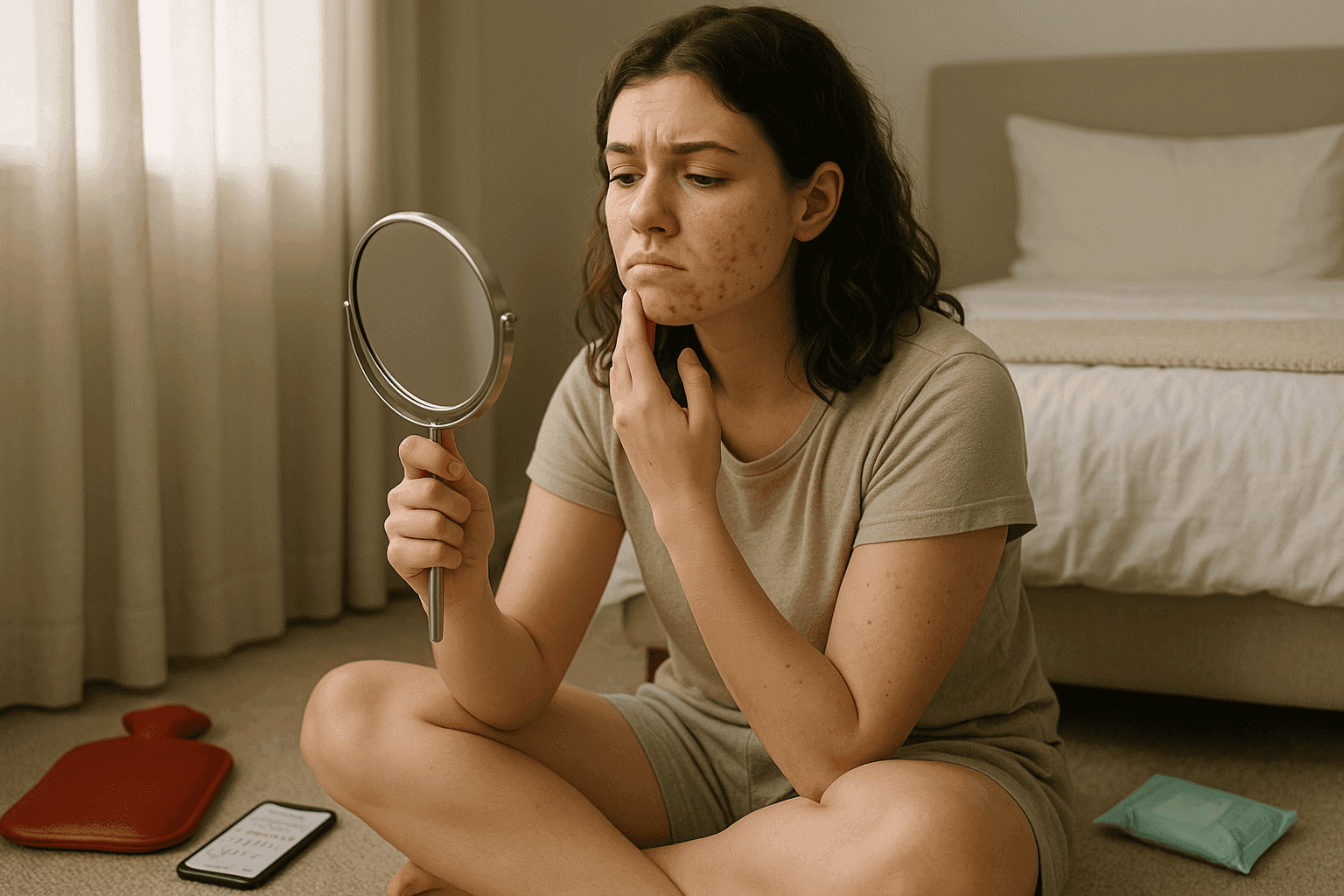
Jawline hormonal acne occurs when there’s a fluctuation in androgens (hormones that increase oil production on the skin), leading to clogged pores and painful acne. Hormonal chin and jawline acne are also caused by menstrual cycles, PCOS, and stress. You should never use your regular acne treatment on hormonal acne, as it can worsen breakouts over time. You can treat your hormonal acne by incorporating active ingredients such as retinoids, benzoyl peroxide, and salicylic acid into your skincare routine. Taking an anti-androgen medication like spironolactone and making lifestyle changes can also help relieve hormonal chin acne more quickly. If you often experience hormonal acne, take a Clear Ritual Skin Test to identify the root cause, and incase of severe acne problems consult your doctor directly.
If you keep dealing with acne around your jawline and chin, especially around your periods, you need to know how to treat hormonal acne. Unlike regular acne, hormonal chin acne and jawline acne are caused by internal hormonal fluctuations. This is why the hormonal chin acne treatment is more complex than the usual one. In this article, we will cover hormonal acne, its causes, common triggers and treatment in detail.
What Is Hormonal Acne?
Hormonal acne occurs when a hormonal imbalance increases sebum production by the skin's glands. This excess oil clogs pores and causes cystic lesions, mostly on the jawline and chin. The following is the answer to what hormone causes jawline acne:
- Androgens (male hormones produced in all sexes)
- DHT (dihydrotestosterone, a stronger version of the testosterone hormone)
- Ratio imbalance between estrogen and progesterone
- Insulin resistance causes androgen production indirectly.
These hormones stimulate sebum production by your skin glands, clog pores, and cause inflammation.
Why Hormonal Acne Occurs On Jawline?
Hormonal acne is likely to appear on the lower part of your face because of the higher concentration of androgen receptors in that area. This makes the jawline and chin area more sensitive to hormonal fluctuation. Hence, you are possible to experience jawline hormonal acne when the following concerns occur:
- You are nearing your menstrual period.
- You are experiencing stress.
- You are changing or adjusting from contraception.
- You have PCOS.
Differences Between Hormonal Acne and Regular Acne
Understanding the differences between hormonal acne and regular acne is essential for treating them effectively without worsening the condition. Let us look at them in detail.
| Hormonal Acne | Regular Acne |
|---|---|
| Hormonal acne is caused by hormonal changes, such as androgen levels, menstruation, and stress. | Regular acne is caused by dirt, oil, bacteria, or clogged pores. |
| The hormonal acne appears around the chin and jawline. | Regular acne can occur anywhere on the face, including the forehead, nose, and cheeks. |
| They are deep, painful, and cystic in nature. | They are generally in the form of blackheads, whiteheads, and small pimples. |
| They require gentle care and medical treatment. | They are treated using regular acne creams. |
| Hormonal acne appears when you are stressed or before your menstrual cycle. | Regular acne can appear anytime. |
Trigger Factors That Make Hormonal Acne Worse
The following reasons are some common triggers which can worsen jawline hormonal acne.
-
Stress Cortisol, the stress hormone, causes oil production and inflammation, which indirectly triggers breakouts.
-
Sugary & Milk Foods High-glycemic-index meals cause a sudden spike in blood insulin levels. The spike later increases hormonal fluctuations and sebum production on the skin.
-
PCOS or Insulin Resistance PCOS increases androgen levels and insulin resistance, disrupting menstrual cycles and causing hormonal imbalance. If you do not have PCOS, but have poor insulin sensitivity, it can also contribute to the oil production.
-
Hormonal Contraceptives Repeatedly taking contraceptives pill can also change your body’s hormonal balance, leading to further jawline hormonal acne.
How to Treat Hormonal Acne?
Hormonal acne cannot be treated with regular acne creams. It requires treatment that addresses internal as well as external factors. Here’s a step-by-step guide on how to treat hormonal acne:
Step 1: Don’t Strip Your Skin’s Barrier
Stop using harsh chemicals to treat your hormonal acne. Over-exfoliating your skin and using a harsh cleanser can worsen hormonal acne. Follow the tips mentioned below:
- Use a gentle, pH-balanced cleanser
- Avoid harsh chemical products that can dry out your skin
- Cleanse your face only twice a day
Step 2: Add the Right Active Skincare Ingredients.
Take a look at the ingredients listed below.
| Active Ingredient | Why It Works |
|---|---|
| Retinoids | Retinoids reduce oil production, shed old skin cells, and unclog pores. |
| Niacinamide | Niacinamide calms inflammation and helps regulate oil production. |
| Azelaic Acid | Azelaic acid is gentle on sensitive skin, reducing redness and acne-causing bacteria. |
| Salicylic Acid | Salicylic acid clears pore blockage and reduces breakouts. |
Note: Do not apply too many active ingredients at once. It can irritate the skin and trigger hormonal acne.
Step 3: Support Your Body from Inside
Making lifestyle and dietary changes is necessary to manage long-term hormonal acne. Below are a few significant dietary changes you need to make.
- Cut down on refined carbs and added sugars
- Add protein and healthy fats to stabilise insulin
- Reduce stress through sleep, movement, or adaptogens
If you suspect PCOS or insulin resistance, speak with a medical professional for testing and long-term planning.
When Should You See a Doctor for Hormonal Acne?
Consult a doctor immediately when you have the following concerns:
- Your acne breaks out monthly and does not respond to topical treatment
- You have excessive hair growth, irregular menstrual cycles, or are overweight
- You developed acne even after stopping birth control pills
- You are concerned that you may have PCOS or thyroid issues.
Why Hormonal Acne Is So Stubborn?
Hormonal acne is hard to treat because the problem starts within your body and not on your skin. For instance, androgens (hormones) make your skin produce more oil, which can lead to blocked pores, inflammation, and breakouts. Since hormonal fluctuations are the main cause of acne, standard acne creams aren’t effective and have limited results. Hormonal acne frequently appears around the jawline and chin, often linked with periods, stress and conditions like PCOS in women.
Things to Avoid When Dealing With Hormonal Acne
Knowing what to avoid when dealing with hormonal chin acne or jawline acne can help prevent the condition from worsening. Here are some common mistakes you must avoid:
- Over-cleansing your face
- Using too many active ingredients
- Preventing cystic acne
- Avoid harsh chemical routines
Clear Ritual’s Take on Hormonal Acne
Clear Ritual is an acne-oriented derma brand that focuses on determining the internal triggers of acne before recommending treatments. Clear Ritual understands that every individual has different acne triggers and that acne needs to be treated based on the actual cause. If you are dealing with constant hormonal acne, take the Clear Ritual Skin Test to get a personalised plan for hormonal acne. It identifies the root cause of your acne and suggests a diet plan to relieve symptoms.
Frequently Asked Questions
-
Why does hormonal acne occur on the jawline? Jawline and chin acne are caused by hormonal fluctuations, primarily due to androgen receptors. These areas have higher levels of androgen hormones, making them more prone to jawline hormonal acne.
-
How is hormonal acne different from regular acne? Regular acne occurs as blackheads and whiteheads on the forehead, cheeks, and nose. Hormonal acne is generally painful and emerges on the jawline and chin.
-
Can stress and diet really worsen hormonal acne? Yes. Stress level and diet play a huge role in maintaining your overall health. If you have a stressful lifestyle along with a poor diet, like having sugary products, you are likely to have hormonal chin acne.
-
What skincare ingredients work best for hormonal acne? A few skincare ingredients, like niacinamide, azelaic acid, and retinoids, can effectively help manage your hormonal acne on the jawline.
-
When should I see a doctor for jawline hormonal acne? If acne flares monthly, is painful or cystic, worsens after stopping birth control, or is accompanied by irregular periods or excess hair growth, a medical evaluation is strongly recommended.
References:
- https://en.wikipedia.org/wiki/Acne
- https://www.medicalnewstoday.com/articles/321218#treatment
- https://www.hopkinsmedicine.org/health/wellness-and-prevention/got-adult-acne-get-answers-from-an-expert
- https://pmc.ncbi.nlm.nih.gov/articles/PMC5015761/
Editorial Standards
Clear Ritual has Strict sourcing guidelines to ensure our content is accurate and current. We rely on peer-reviewed studies, academic research institutions, and medical associations. We strive to use primary sources and refrain from using tertiary references. See a mistake? Learn More about our Editorial Standards.



