




Why Whiteheads Keep Coming Back (And How to Stop Them)
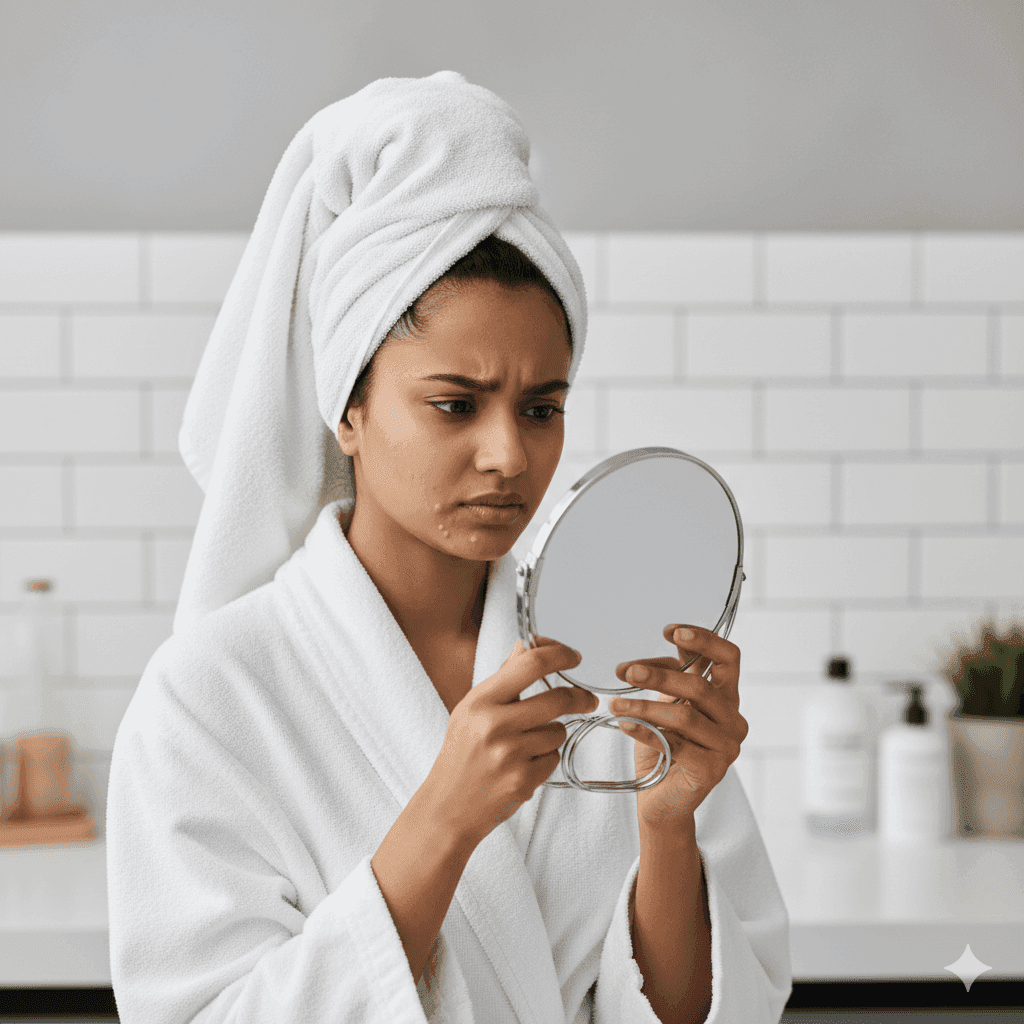
You clear your skin, things look better for a while—and then the same tiny bumps return.
If whiteheads feel like a never-ending cycle, you’re not imagining it.
Recurring whiteheads are common, especially in warm, humid climates, and they usually point to deeper skin patterns rather than a single mistake.
Why do whiteheads keep coming back?
Whiteheads return when the conditions that clog pores are still present.
Even if old whiteheads clear, new ones can form if the skin’s balance hasn’t fully stabilised.
The most common reasons are linked to how your skin produces oil, sheds dead cells, and protects itself.
1. Your skin barrier is still struggling
The skin barrier is your first line of defence.
When it’s weakened—often due to over-cleansing, harsh actives, or frequent exfoliation—skin tries to protect itself by producing more oil.
More oil + uneven shedding of dead skin = clogged pores that turn into whiteheads.
Even if acne treatments “dry out” whiteheads temporarily, barrier damage can cause them to return once treatment stops.
2. Dead skin cells are not shedding evenly
Healthy skin naturally sheds dead cells.
But when this process slows down or becomes uneven, cells stick together and mix with oil inside pores.
This creates the perfect environment for closed comedones to keep forming—especially on the forehead, chin, and cheeks.
3. Hormones and stress are quietly triggering oil production
Hormonal shifts don’t always show up as sudden breakouts.
Sometimes they appear as persistent texture and recurring whiteheads.
Common triggers include:
- Menstrual cycle changes
- PCOS
- Chronic stress
- Poor sleep
Stress hormones can increase oil production and slow skin repair, making whiteheads harder to prevent.
4. Climate and daily exposure play a big role
In hot and humid conditions, oil mixes easily with sweat, sunscreen, and pollution.
Even good skincare products can feel heavier on the skin in this environment.
This is why whiteheads often come back during:
- Indian summers
- Monsoon season
- Periods of heavy sweating or mask use
5. Skincare is either too harsh—or too heavy
Recurring whiteheads often sit between two extremes:
- Over-treatment: frequent exfoliation, strong actives, scrubs
- Over-occlusion: thick creams, heavy sunscreens, layering too many products
Both can clog pores or disrupt the skin barrier, keeping the cycle going.
How to stop whiteheads from coming back
Stopping recurrence is less about “killing” whiteheads and more about changing the environment that allows them to form.
1. Focus on barrier health first
When the barrier is calm and supported, oil production often feels more balanced.
- Cleanse gently, no more than twice daily
- Avoid stripping or squeaky-clean products
- Use lightweight, barrier-supporting moisturisers
2. Exfoliate strategically, not aggressively
Gentle chemical exfoliation helps pores clear over time—but daily or harsh use can backfire.
A slow, consistent approach (2–3 times a week) supports healthy skin turnover without irritation.
3. Choose textures that suit your climate
In humid weather, lighter textures usually work better.
Gel or fluid formulations are less likely to trap oil and sweat inside pores.
4. Be consistent, not reactive
Switching products frequently or reacting to every new bump can delay progress.
Whiteheads respond best to routines followed steadily for several weeks.
Expect gradual improvement rather than overnight clearing.
5. Support skin from the inside too
- Prioritise sleep
- Manage stress where possible
- Stay hydrated
- Avoid touching or picking at the face
When recurring whiteheads need medical advice
Consider meeting a dermatologist if:
- Whiteheads persist despite consistent care for 8–10 weeks
- They frequently turn inflamed or painful
- You notice strong hormonal patterns (jawline acne, cycle-related flares)
Prescription treatments may be helpful in some cases, especially when hormones or acne-prone genetics play a role.
Key takeaway
Whiteheads keep coming back when the skin environment hasn’t fully stabilised.
Calming the barrier, supporting healthy cell turnover, and choosing climate-appropriate routines are what truly break the cycle.
Less force, more consistency—that’s what helps whiteheads stay away long term.
Editorial Standards
Clear Ritual has Strict sourcing guidelines to ensure our content is accurate and current. We rely on peer-reviewed studies, academic research institutions, and medical associations. We strive to use primary sources and refrain from using tertiary references. See a mistake? Learn More about our Editorial Standards.



