




The Psychology Behind Picking Skin Understanding Dermatillomania
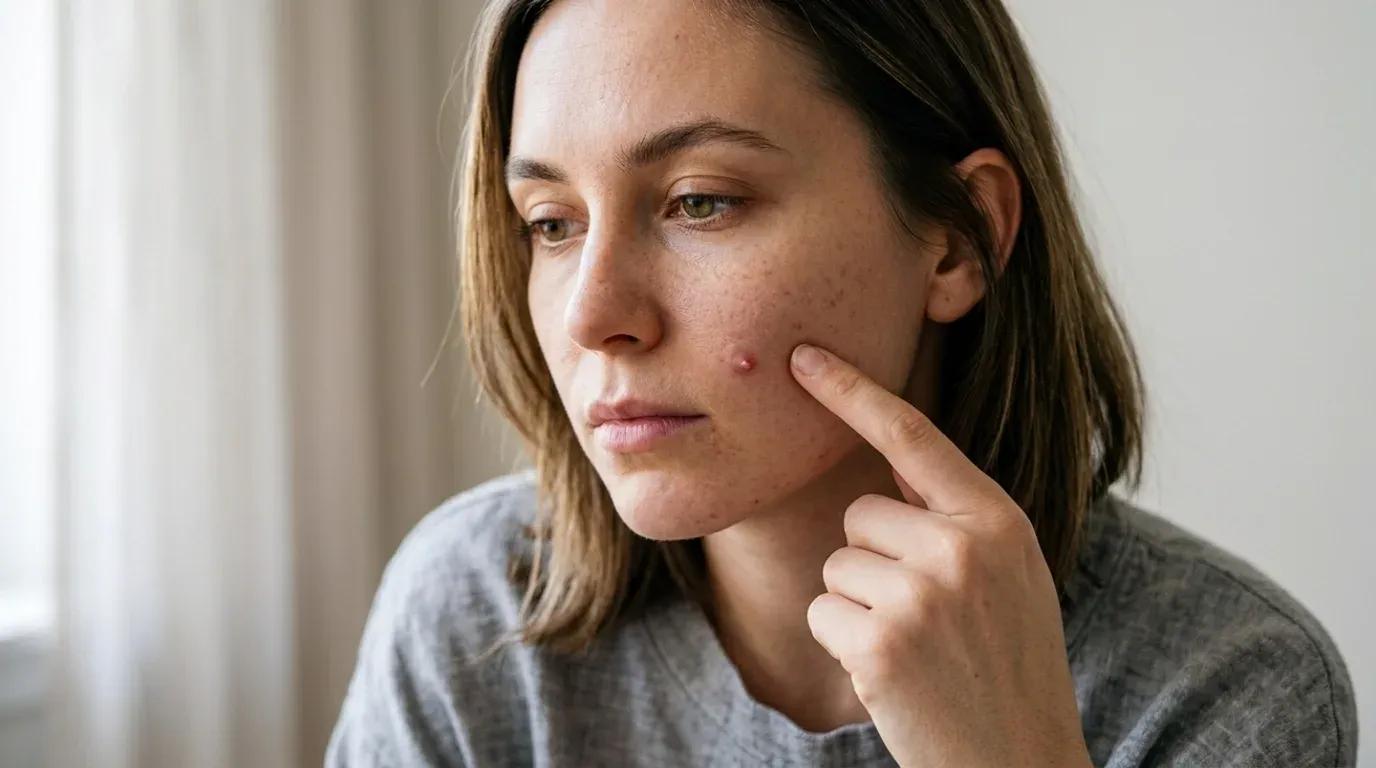
Introduction — Why Do People Pick Their Skin?
You notice a small bump on your arm. You pick at it once—then again—and before you realize it, minutes have passed. What started as a harmless habit turns into an irresistible urge. This is the reality for millions struggling with Dermatillomania, also known as Excoriation Disorder—a recognized mental health condition listed under Obsessive-Compulsive and Related Disorders in the DSM-5.
Dermatillomania isn’t just a bad habit or a lack of self-control. It’s a psychological compulsion often tied to anxiety, stress, and perfectionism. Many sufferers feel intense guilt and shame afterward, making it a silent struggle that deeply impacts emotional well-being.
To understand why this happens, let’s look at the psychology behind this seemingly uncontrollable urge.
What Is Dermatillomania? (Definition & Diagnosis)
Dermatillomania is a compulsive skin-picking disorder where individuals repeatedly pick at their skin, leading to tissue damage, scarring, or infection. Despite repeated attempts to stop, the urge often returns, creating distress and disruption in daily life.
Diagnostic Criteria (DSM-5)
-
Recurrent skin picking resulting in lesions
-
Repeated attempts to stop or reduce the behavior
-
Significant distress or functional impairment
-
Not due to another medical condition or substance use
Dermatillomania belongs to a group of conditions known as Body-Focused Repetitive Behaviors (BFRBs)—alongside nail biting and hair pulling.
| Disorder | Compulsive Behavior | Common Triggers | Emotional Relief After Behavior |
|---|---|---|---|
| Dermatillomania | Skin picking | Anxiety, boredom, stress | Temporary relief |
| OCD | Obsessions & rituals | Intrusive thoughts | Relief from anxiety |
| Trichotillomania | Hair pulling | Tension, stress | Temporary relief |
The Psychology Behind Skin Picking
The Emotional Loop — Anxiety, Relief, and Guilt
The urge to pick follows a habit loop: Tension → Picking → Relief → Guilt → Renewed Tension.
This cycle is reinforced through behavioral conditioning—each time you pick, your brain rewards you with temporary relief, strengthening the compulsion neurologically. Over time, it becomes an automatic coping mechanism for emotional discomfort.
The Role of Perfectionism and Control
For many, skin picking stems from a desire to “fix” perceived imperfections—tiny bumps, scabs, or uneven textures. During stressful or uncertain times, it can become a way to regain control. The act feels momentarily soothing, even though it leads to shame or regret afterward.
Neurobiological and Genetic Factors
Research shows links between serotonin imbalance, dopamine dysregulation, and impulse control. Brain imaging studies (like fMRI scans) reveal overactivity in habit-forming circuits, suggesting a neurological basis for the compulsion. Family histories often show similar BFRB or OCD-related patterns, indicating a genetic predisposition.
Co-Occurring Mental Health Conditions
Dermatillomania commonly coexists with:
-
Anxiety disorders
-
Depression
-
Obsessive-Compulsive Disorder (OCD)
-
Attention-Deficit Hyperactivity Disorder (ADHD)
Treating these coexisting conditions often reduces the severity and frequency of skin-picking behaviors.
Common Triggers and Patterns
Certain emotional and environmental cues can make skin picking worse. Recognizing them is the first step toward managing the behavior.
Common Triggers Include:
-
Stressful events or emotional turmoil
-
Idle time or lack of focus
-
Skin irregularities or blemishes
-
Fatigue or sensory overstimulation
-
Negative self-talk or body criticism
🧠 Self-reflection tip: Keep a daily log of when you feel the urge to pick. Over time, patterns emerge that help you anticipate and interrupt the cycle.
The Emotional Impact of Dermatillomania
Beyond the physical marks, Dermatillomania leaves emotional scars. Many sufferers describe feelings of shame, embarrassment, and social isolation. It can lead to:
-
Avoiding public or intimate settings
-
Wearing long sleeves to hide scars
-
Declining social invitations out of self-consciousness
This often spirals into body image issues and low self-esteem, creating a vicious cycle: emotional distress → skin picking → more distress.
How to Break the Cycle — Evidence-Based Treatments
Cognitive Behavioral Therapy (CBT)
CBT helps patients identify negative thoughts and replace them with healthier coping mechanisms. A specialized form, Habit Reversal Training (HRT), includes:
-
Awareness training – noticing triggers before they escalate
-
Competing response training – substituting picking with safe behaviors (e.g., squeezing a stress ball)
Mindfulness and Acceptance Techniques
Mindfulness-Based Therapy builds awareness of the urge before acting on it. Acceptance and Commitment Therapy (ACT) encourages patients to acknowledge urges without judgment, reducing the compulsion’s emotional power.
Medication Support
In severe cases, SSRIs (Selective Serotonin Reuptake Inhibitors) or antidepressants help regulate mood and impulse control. However, medication works best when combined with therapy, not as a standalone solution.
Practical Coping Strategies
-
Keep your hands busy (fidget toys, putty, knitting)
-
Cover areas prone to picking with bandages or clothing
-
Maintain a trigger log to track patterns
-
Join online BFRB support groups or local therapy circles
-
Practice grounding techniques like deep breathing or journaling
Living with Dermatillomania — Stories of Recovery and Hope
Recovery is possible—and common—with the right support. Many who once picked daily now report long-term remission after consistent therapy, self-awareness, and lifestyle changes. Healing isn’t about perfection; it’s about progress, patience, and self-compassion.
“For years, I thought I was just weak. Now I understand my skin picking was a way to manage anxiety. Therapy helped me replace judgment with understanding.” — Anonymous survivor testimonial
FAQs About Dermatillomania
Is skin picking a form of OCD? Yes. Dermatillomania is classified under Obsessive-Compulsive and Related Disorders in the DSM-5, though it differs from traditional OCD rituals.
Can dermatillomania go away on its own? Rarely. Without addressing psychological triggers, it often persists. Professional therapy offers the best outcomes.
What’s the difference between skin picking and self-harm? Skin picking is usually driven by anxiety or habit—not an intent to cause pain or self-injury.
How do I help a loved one with dermatillomania? Avoid judgment. Encourage therapy, offer emotional support, and help them identify triggers compassionately.
Are there any apps to track skin picking? Yes—apps like SkinPick and StopBFRB help log urges, triggers, and progress.
Conclusion — Toward Healing and Self-Acceptance
Dermatillomania isn’t a sign of weakness—it’s a treatable psychological condition rooted in complex emotional and neurological patterns. Recovery starts with understanding and self-compassion.
If you or someone you know struggles with compulsive skin picking, remember: you are not alone. Healing begins the moment you seek help.
Editorial Standards
Clear Ritual has Strict sourcing guidelines to ensure our content is accurate and current. We rely on peer-reviewed studies, academic research institutions, and medical associations. We strive to use primary sources and refrain from using tertiary references. See a mistake? Learn More about our Editorial Standards.



