Best Ingredients to Treat Blackheads (Dermatologist-Approved)

Introduction – Why Blackheads Are So Stubborn
No matter how many times you exfoliate, those tiny black dots seem to come back — here’s why.
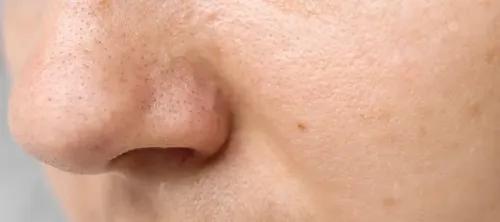
Blackheads, also known as open comedones, form when oil (sebum) and dead skin cells accumulate inside pores. When exposed to air, this trapped mix oxidizes, turning black. They often appear around the nose, forehead, and chin, and can persist for weeks if not treated with the right ingredients.
Because they form deep within the pores, surface-level scrubbing rarely helps. That’s why dermatologists recommend specific active ingredients that target clogged pores from within, regulate oil, and prevent recurrence.
In this guide, we’ll break down the top dermatologist-approved ingredients for blackhead removal, how they work, the right way to combine them, and expert skincare tips to keep your pores clear and healthy.
Understanding What Causes Blackheads
Before treating blackheads, it helps to understand why they form:
-
Excess sebum production due to hormones or genetics
-
Accumulation of dead skin cells that block pores
-
Hormonal fluctuations during puberty, stress, or menstrual cycles
-
Incorrect skincare or comedogenic makeup
-
Infrequent exfoliation
When sebum and dead cells sit inside open pores, they oxidize and darken. This cycle repeats without proper exfoliation and oil control.
Infographic suggestion: “How Blackheads Form — Step-by-Step.”
Top Dermatologist-Approved Ingredients for Treating Blackheads
1. Salicylic Acid (BHA) – The Pore-Unclogging Powerhouse
Salicylic acid is a beta hydroxy acid (BHA) that’s oil-soluble, meaning it can penetrate deep into pores to dissolve sebum and dead skin.
Ideal concentration: 0.5%–2% (in cleansers, toners, or leave-on gels).
Key Benefits:
-
Clears out clogged pores
-
Prevents future blackheads
-
Calms redness and inflammation
Usage Tip: Apply 2–3 times per week; overuse can cause dryness or peeling. Pro Tip: Pair with niacinamide or a hydrating moisturizer for balance.
2. Retinoids (Adapalene, Tretinoin) – The Cell Turnover Accelerators
Retinoids speed up skin cell renewal, preventing pore blockages before they form. They’re proven to reduce both blackheads and whiteheads.
Options:
-
OTC: Adapalene 0.1% (Differin Gel)
-
Prescription: Tretinoin or Tazarotene
How They Help:
-
Normalize skin turnover
-
Clear existing blackheads
-
Prevent comedone recurrence
Usage Tip: Start with 2–3 nights per week, then increase gradually. Always apply moisturizer and sunscreen, as retinoids can cause dryness.
3. Niacinamide – The Oil Regulator
Niacinamide (Vitamin B3) helps balance oil production, strengthen the skin barrier, and minimize pore appearance.
Ideal concentration: 5–10%
Benefits:
-
Regulates excess sebum
-
Reduces inflammation
-
Enhances tolerance to stronger actives
Works Best With: Salicylic acid or retinoids — ideal for sensitive or combination skin.
4. Alpha Hydroxy Acids (AHAs) – The Surface Exfoliators
AHAs like glycolic acid and lactic acid exfoliate the surface layer of the skin, removing dead cells that could clog pores.
Best for: Dull, textured skin that needs resurfacing.
Concentration: 5–10% (for home use). Frequency: 1–2 times per week.
Tip: Use AHAs on alternate days from BHAs to avoid irritation — known as “double exfoliation.”
5. Clay (Kaolin, Bentonite) – The Natural Oil Absorbers
Clays absorb excess oil and draw out impurities from pores, making them a great weekly detox treatment for blackhead-prone skin.
Benefits:
-
Reduces shine in oily areas
-
Purifies pores
-
Improves skin texture
Usage Tip: Apply a clay mask 1–2 times a week. Avoid daily use to prevent over-drying.
6. Zinc PCA – The Sebum-Balancing Mineral
Zinc PCA (pyrrolidone carboxylic acid) helps control sebum and has mild antibacterial properties. It’s suitable for oily and sensitive skin types.
Benefits:
-
Prevents excess oil buildup
-
Supports skin healing
-
Works synergistically with niacinamide and sulfur
Often found in serums or lightweight moisturizers, Zinc PCA is excellent for maintaining a matte, balanced finish.
7. Sulfur – The Gentle Detoxifier
Sulfur has been used in acne care for decades. It works by drawing out impurities, reducing oil, and promoting gentle exfoliation.
Best in: Spot treatments or masks. Frequency: Once or twice weekly.
Note: Sulfur has a distinct smell but is very effective for combination skin prone to comedonal acne.
8. Charcoal – The Deep Detox Ingredient
Activated charcoal acts like a magnet for impurities, binding to debris and unclogging pores.
Ideal Use: In cleansers or masks (not serums). Tip: Use once weekly alongside a mild active like niacinamide or BHA.
Caution: Avoid overuse — charcoal can over-dry the skin if used daily.
How to Combine These Ingredients Safely
Layering multiple actives can be beneficial — but risky if done incorrectly. Here’s a guide to safe combinations:
| Ingredient | Safe Pairing | Avoid Combining With |
|---|---|---|
| Salicylic Acid | Niacinamide, Clay | Retinoids (same day) |
| Retinoids | Niacinamide, Moisturizer | AHAs/BHAs (same day) |
| AHAs | Niacinamide | Retinoids (same day) |
| Niacinamide | Almost all actives | — |
| Clay/Charcoal | Mild exfoliants | Harsh scrubs |
Pro Routine Example:
-
Morning: Gentle cleanser → Niacinamide serum → Sunscreen
-
Night (Alternate Days): Salicylic acid toner → Moisturizer → Retinoid (2–3 nights/week)
Always finish with a non-comedogenic moisturizer and broad-spectrum SPF 30+.
Tips for Choosing the Right Ingredient for Your Skin Type
| Skin Type | Recommended Ingredients |
|---|---|
| Oily Skin | Salicylic acid, clay, niacinamide, zinc PCA |
| Dry Skin | Lactic acid, niacinamide, mild retinoids |
| Sensitive Skin | Niacinamide, sulfur, mild BHAs |
| Combination Skin | Salicylic acid for T-zone, niacinamide for balance |
Graphic Suggestion: “Ingredient Matching Guide – Find What Works for You.”
Common Mistakes to Avoid
-
Over-exfoliating with too many actives at once
-
Skipping sunscreen after acids or retinoids
-
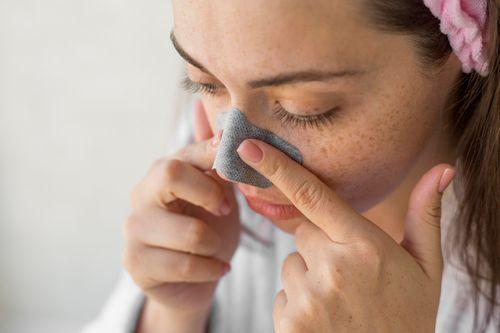
Using pore strips or harsh scrubs
-
Ignoring moisturizers (even oily skin needs hydration)
-
Skipping patch testing before introducing new actives
Expert Tips from Dermatologists
“Consistency and patience are key — blackheads don’t vanish overnight. Think of treatment as maintenance, not a one-time fix.” — Dr. Anjali Sharma, MD Dermatology
Dermatologists often recommend following a simple 4-step routine: Cleanse → Treat → Moisturize → Protect
Stick with products for at least 6–8 weeks before expecting visible improvement.
Clear Ritual's Perspective
At Clear Ritual, we believe blackhead treatment works best when you use ingredients that unclog pores, regulate excess oil, and support the skin barrier without over-drying the skin. Instead of harsh scrubs or aggressive treatments, a balanced routine with dermatologist-approved actives can help manage blackheads more effectively over time.
The Clear Ritual Skin Test helps identify your skin type and congestion triggers so you can choose the right ingredients for your skin concerns and build a routine that works for you.
Conclusion
The best way to treat blackheads isn’t through harsh scrubbing or pore strips — it’s about using the right ingredients consistently. Dermatologist-approved actives like salicylic acid, retinoids, niacinamide, and clay help unclog pores, regulate oil, and prevent new blackheads from forming.
Start slow, stay consistent, and protect your skin with SPF daily.
Frequently Asked Questions
1. Can I use multiple blackhead treatments at once?
Not without guidance. Combining strong actives like salicylic-acid, retinoids, or exfoliating acids can irritate the skin and weaken the skin barrier if overused.
2. Do natural ingredients help remove blackheads?
Some natural ingredients like neem, haridra, and clay-based formulations may help absorb excess oil and reduce congestion. However, consistent exfoliation is usually more effective for stubborn blackheads.
3. How long before I see results?
Most people notice visible improvement within 4–8 weeks of consistent skincare use, depending on the severity of congestion and the ingredients used.
4. Can I pop or squeeze blackheads?
No. Picking or squeezing blackheads can damage the surrounding skin and increase the risk of scarring, enlarged pores, or post-inflammatory marks.
5. Should I exfoliate daily for blackheads?
Usually no. Exfoliating 2–3 times a week is enough for most skin types. Over-exfoliation can strip the skin barrier and trigger excess oil production.
Editorial Standards
Clear Ritual has Strict sourcing guidelines to ensure our content is accurate and current. We rely on peer-reviewed studies, academic research institutions, and medical associations. We strive to use primary sources and refrain from using tertiary references. See a mistake? Learn More about our Editorial Standards.