




Are Pore Strips Safe for Blackhead Removal? (Expert Breakdown)
Summary
Pore strips promise quick, satisfying results — peel, reveal, and admire those tiny black dots stuck to the strip. But are they actually safe for your skin? This expert-backed guide breaks down how pore strips work, what dermatologists say about their safety, common side effects, better alternatives, and the right way to use them if you still prefer them. Let’s separate skincare facts from the marketing myths.
Introduction — The Temptation of Pore Strips
Few things feel as instantly gratifying as peeling off a pore strip and seeing visible “proof” that your pores have been cleaned. Popularized by TikTok skincare routines and quick-fix trends, pore strips have become a staple for anyone chasing smooth, blackhead-free skin.
But the question remains — are pore strips really helping your skin, or are they silently damaging it?
In this guide, we’ll unpack how pore strips actually work, what dermatologists think about their safety, potential side effects, and safer, more effective ways to deal with blackheads.
How Do Pore Strips Work?
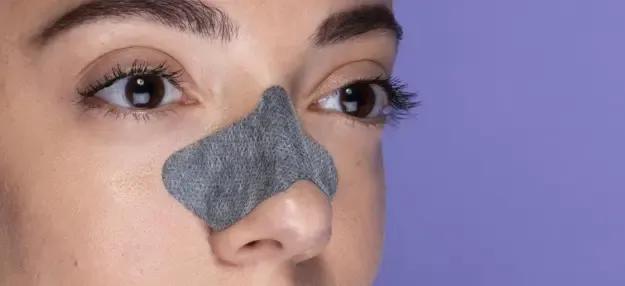
Pore strips are adhesive patches designed to lift away dirt, oil, and dead skin cells from the skin’s surface — especially on the nose, where blackheads are most common.
Here’s how they work:
-
The strip’s adhesive binds to surface debris, not the deeper material inside pores.
-
When peeled off, it removes superficial buildup, giving a temporary illusion of cleaner pores.
| Layer | What Pore Strips Remove | What They Miss |
|---|---|---|
| Surface | Dead skin, loose dirt, surface oil | Deep sebum plugs, bacteria, clogged pores |
So while your skin may look smoother right after using one, pore strips don’t actually address the root of blackheads — they only clear what’s visible on the surface.
Expert Take — Are Pore Strips Safe for Your Skin?
According to dermatologists like Dr. Whitney Bowe and Dr. Sandra Lee (aka Dr. Pimple Popper), pore strips are safe only for occasional use — and only on healthy, non-sensitive skin.
Overuse or improper use can cause redness, micro-tears, or long-term damage to your skin barrier. People with rosacea, eczema, or acne-prone skin should avoid them altogether.
“Pore strips may give quick results, but they don’t address the root cause of blackheads.” — Dr. Sandra Lee, Dermatologist
So yes — you can use them occasionally, but they’re far from the best long-term solution.
Common Side Effects of Pore Strips
If used incorrectly or too often, pore strips can do more harm than good. Common side effects include:
-
Redness or irritation
-
Broken capillaries around the nose
-
Enlarged pores from repeated pulling
-
Dryness or flakiness
-
Weakened or damaged skin barrier
Leaving them on for too long or peeling too harshly increases these risks significantly.
Pore Strips vs. Other Blackhead Removal Methods
| Method | Effectiveness | Safety | Cost | Recommended Frequency |
|---|---|---|---|---|
| Pore Strips | Superficial | Moderate risk | Low | Once a week max |
| Salicylic Acid (BHA) | Deep exfoliation | Safe for most | Moderate | 2–3x/week |
| Clay Masks | Absorbs oil | Safe | Low | Weekly |
| Professional Extraction | Precise removal | Very safe (if done right) | High | Monthly |
Verdict: While pore strips provide instant results, exfoliation and a consistent skincare routine deliver long-term benefits without damaging your skin.
Safer Alternatives to Pore Strips
If you’re trying to get rid of blackheads safely, dermatologists recommend these gentle yet effective options:
-
Salicylic acid cleansers or toners: Deep-clean pores and dissolve oil buildup.
-
Clay or charcoal masks: Absorb excess oil and impurities.
-
Niacinamide serums: Balance sebum production and minimize pore appearance.
-
Professional facials or extractions: Safest for stubborn blackheads.
Do’s and Don’ts:
✅ Do use gentle chemical exfoliants like BHA or AHA. ❌ Don’t pick, squeeze, or overuse pore strips.
If You Still Want to Use Pore Strips — Do It Right
If you love the satisfaction of using pore strips, here’s how to minimize damage:
-
Cleanse with warm water to open pores.
-
Apply only on oily zones like the nose or chin.
-
Follow the timing instructions — usually 10–15 minutes max.
-
Peel off gently from the edges; don’t rip it off quickly.
-
Rinse and moisturize afterward with a calming toner or gel.
Pro tip: Limit use to once every 1–2 weeks.
Myth vs. Fact — Pore Strip Edition
| Myth | Fact |
|---|---|
| They remove all blackheads. | Only surface debris is removed. |
| They shrink pores permanently. | Pores may appear smaller temporarily, but not long-term. |
| Safe for all skin types. | Not suitable for sensitive or acne-prone skin. |
Expert Advice for Long-Term Blackhead Prevention
The best blackhead prevention strategy is consistency, not quick fixes.
Follow these dermatologist-approved steps:
-
Double cleanse if you have oily skin or wear makeup.
-
Use BHA or retinoids to prevent buildup and unclog pores.
-
Hydrate properly — even oily skin needs moisture.
-
Always use sunscreen to prevent oxidation that darkens pores.
-
Consult a dermatologist if blackheads persist or worsen.
FAQs
1. Can pore strips make pores larger? Temporarily, yes. Repeated pulling can stretch skin and make pores look bigger.
2. Are charcoal pore strips safer? Not really — they work the same way and carry similar risks.
3. Do pore strips remove sebaceous filaments? They might pull some out, but these natural structures return quickly and shouldn’t be forcefully removed.
4. What’s the safest DIY way to clear blackheads? Gentle exfoliation with salicylic acid or steaming followed by cleansing is best.
Conclusion
Pore strips aren’t inherently dangerous, but they’re not a sustainable fix for blackheads either. They can give you a cleaner look instantly — but at the cost of irritation and barrier damage if misused.
Instead, invest in a consistent skincare routine with BHA exfoliants, niacinamide, and clay masks that target the root cause safely and effectively.
Want to clear blackheads the dermatologist-approved way? Check out our guide to safe exfoliation and long-term pore care for smoother, healthier skin.
Editorial Standards
Clear Ritual has Strict sourcing guidelines to ensure our content is accurate and current. We rely on peer-reviewed studies, academic research institutions, and medical associations. We strive to use primary sources and refrain from using tertiary references. See a mistake? Learn More about our Editorial Standards.



