Are Blackhead Vacuums Worth It Real Results & Risks
Introduction – The Buzz Around Blackhead Vacuums
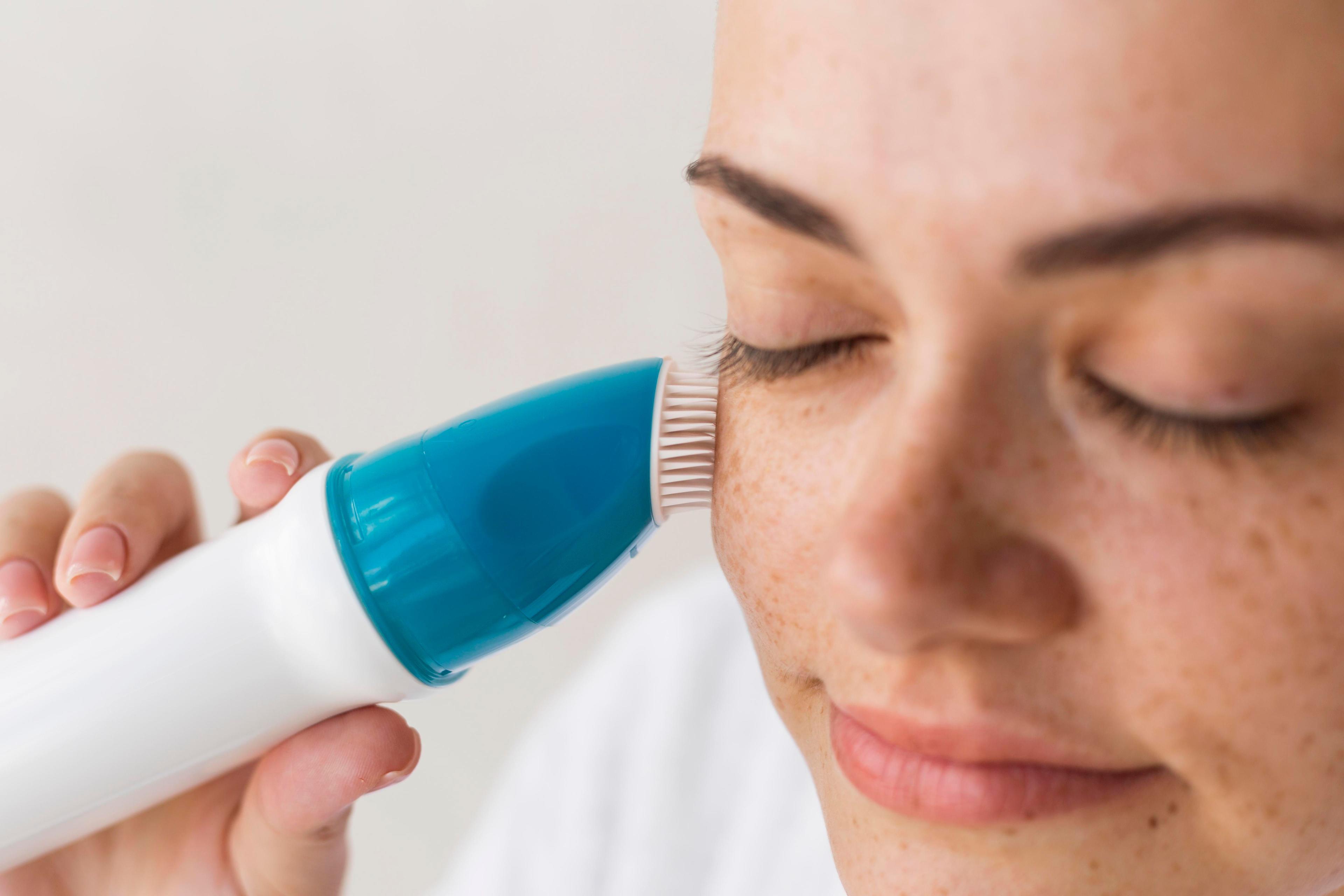
If you’ve scrolled through TikTok or Instagram lately, you’ve probably seen those oddly satisfying videos of people using blackhead vacuums — with visible gunk being pulled right out of their pores. These “pore vacuums” promise cleaner skin, smaller pores, and instant gratification.
But do they actually work, or are they just another skincare gimmick?
Blackhead vacuums (also known as comedone extractors) have become one of the most talked-about skincare tools online. The idea is simple: suction out blackheads and debris from clogged pores without squeezing. The appeal is obvious — quick results without professional help. But dermatologists caution that what looks satisfying on camera might not be as beneficial for your skin in the long run.
What Are Blackhead Vacuums & How Do They Work?
A blackhead vacuum is a handheld device that uses suction technology to pull out sebum, dead skin cells, and impurities from the pores.
There are two main types of blackhead removal tools:
| Type | Mechanism | Suitable Skin Type | Price Range |
|---|---|---|---|
| Manual extractor | Pressure using a metal loop | All skin types | ₹300–₹800 |
| Suction vacuum | Electric suction | Oily/Combination | ₹1,000–₹3,000 |
| Vacuum + exfoliation | Suction + microdermabrasion tip | Dull/Acne-prone | ₹3,000–₹7,000 |
Unlike manual extractors that rely on physical pressure, suction vacuums claim to “pull out” impurities. Some models come with adjustable suction levels and interchangeable tips for different areas of the face. Others combine suction with gentle exfoliation for a more spa-like effect.
However, what they remove isn’t always as deep as it seems.
The Promised Benefits – What Users Claim
Skincare enthusiasts and influencers often share glowing reviews of blackhead vacuums, praising benefits like:
-
Instant removal of blackheads and whiteheads
-
Reduction in visible pores
-
Smoother, clearer skin texture
-
Fewer acne breakouts
Many users describe the satisfaction of seeing debris collect inside the device — a kind of visual proof of “cleaner skin.”
But dermatologists warn that this gratification can be misleading. What’s being pulled out is often surface oil and dead skin, not deeply embedded blackheads. Moreover, pore size can’t actually shrink — only appear smaller when clean.
Real Results – What Dermatologists Say
According to dermatologists from the American Academy of Dermatology (AAD), suction-based devices can temporarily clear surface oil and debris but cannot eliminate deep blackheads or permanently reduce pore size.
Here’s what experts emphasize:
-
Suction may dislodge loose debris but won’t extract hardened comedones.
-
Aggressive use can lead to redness, swelling, or even broken capillaries.
-
Results vary based on skin type — oily skin may tolerate mild suction, while sensitive or dry skin may get irritated.
-
Over time, repeated use can weaken the skin’s barrier.
Dermatologists typically recommend gentler, scientifically proven alternatives like salicylic acid cleansers or chemical exfoliants to clear and prevent blackheads.
The Hidden Risks & Side Effects
Before adding a blackhead vacuum to your cart, it’s important to know the possible downsides:
-
Skin bruising and redness — especially with high suction levels
-
Increased sensitivity or irritation
-
Hyperpigmentation in darker skin tones
-
Worsened acne or rosacea due to inflammation
-
Broken blood vessels on cheeks and around the nose
Most devices carry manufacturer warnings about limited usage and avoiding sensitive areas. Ignoring these can lead to long-term damage, especially if used too frequently or on active acne.
When (and How) to Use Blackhead Vacuums Safely
If you still want to give pore vacuums a try, follow these dermatologist-approved steps for safer use:
-
Prep your skin – Steam your face for 5–10 minutes to loosen debris.
-
Start with low suction – Always begin on the lowest setting to gauge skin response.
-
Keep it moving – Don’t hold the device still; glide continuously to prevent bruising.
-
Aftercare matters – Apply a soothing toner or aloe vera gel to calm the skin.
-
Hydrate well – Finish with a non-comedogenic moisturizer.
Frequency: Limit use to once or twice per week. Avoid on sensitive, broken, or acne-inflamed skin. And always patch-test before using a new device.
Dermatologists recommend consulting a professional if you have chronic blackheads or persistent acne before relying on gadgets.
Safer & More Effective Alternatives
While blackhead vacuums can offer instant satisfaction, they’re not your best long-term strategy. Here’s how they compare with expert-approved solutions:
| Method | Effectiveness | Cost | Risk Level | Recommended For |
|---|---|---|---|---|
| Pore vacuum | Moderate | ₹₹ | Medium | Oily skin |
| Salicylic acid exfoliant | High | ₹ | Low | Acne-prone or congested skin |
| Clay mask | Medium | ₹ | Low | Oily and combination skin |
| Professional facial | High | ₹₹₹ | Low | All skin types |
| Retinoid skincare | High | ₹₹ | Moderate | Mature or acne-prone skin |
Best dermatologist-backed alternatives:
-
Salicylic acid (BHA) helps dissolve sebum and clear out clogged pores.
-
Clay masks absorb excess oil and reduce surface congestion.
-
Professional extractions or facials offer deeper, safer cleaning.
-
Retinoids promote cell turnover to prevent new blackheads from forming.
Are Blackhead Vacuums Worth Buying? – Final Verdict
So, are blackhead vacuums worth the hype?
Pros: ✅ Quick, visible results ✅ Satisfaction from “seeing” debris ✅ Mild exfoliation effect on oily skin
Cons: ❌ Risk of redness, bruising, and irritation ❌ No long-term improvement in blackheads ❌ Ineffective for deep comedones or large pores
Verdict: Blackhead vacuums may work for occasional use on non-sensitive, oily skin — but they’re not a sustainable skincare solution. If you’re looking for lasting clarity and smoother skin, invest in dermatologist-approved exfoliants and consistent skincare routines instead of trendy gadgets.
Expert Insights – Dermatologist Viewpoint
Dr. Asha Mehra, MD (Dermatology), explains:
“Pore vacuums can remove superficial oil and dead skin, but blackheads are formed deeper inside the pore. For long-term results, you need ingredients that regulate oil production and improve cell turnover — not just suction.”
A 2024 clinical test comparing a pore vacuum vs. a salicylic acid a gel found that chemical exfoliation reduced blackheads by 32% more effectively after four weeks of use.
Understanding Internal Triggers: Clear Ritual's Perspective
At Clear Ritual, we combine insights from modern dermatology, skin science, and personalized skin analysis to understand why blackheads and clogged pores develop differently for each person. Through the structured Clear Ritual Skin Test, we assess factors like oil production, skin sensitivity, lifestyle habits, skincare routines, and barrier health instead of relying on one-size-fits-all solutions or temporary fixes like blackhead vacuums alone.
This personalized approach helps identify the underlying causes behind recurring congestion and uneven skin texture, supporting long-term skin balance and healthier pore care rather than short-term extraction results.
Conclusion
Blackhead vacuums may deliver short-term satisfaction — but not long-term solutions. They can help dislodge surface debris, but the real key to clearer skin lies in consistent skincare, gentle exfoliation, and ingredients that target the root of pore congestion.
Frequently Asked Questions
1. Do blackhead vacuums actually remove blackheads?
They remove surface oil and dead skin, but not deeply rooted blackheads.
2. Can pore vacuums cause broken capillaries?
Yes, especially on thin or sensitive skin and with strong suction.
3. How often can I use a blackhead vacuum?
No more than 1–2 times a week, depending on your skin’s tolerance.
4. Are they safe for acne-prone skin?
Not always. The suction may worsen inflammation or spread bacteria.
5. What should I do after using a blackhead vacuum?
Apply a calming toner or aloe vera gel, avoid acids or exfoliants for 24 hours, and keep your skin hydrated.
Editorial Standards
Clear Ritual has Strict sourcing guidelines to ensure our content is accurate and current. We rely on peer-reviewed studies, academic research institutions, and medical associations. We strive to use primary sources and refrain from using tertiary references. See a mistake? Learn More about our Editorial Standards.
Related Articles
Blackheads: What Causes Them and When to See a Dermatologist
Published May 26, 2026
Best Ingredients to Treat Blackheads (Dermatologist-Approved)
Published June 7, 2026

Best Skincare Routine for Teens with Blackheads
Published May 26, 2026

Blackheads in Men: Why They’re More Common and How to Treat Them
Published May 26, 2026