




Lifestyle Factors in Comedonal Acne
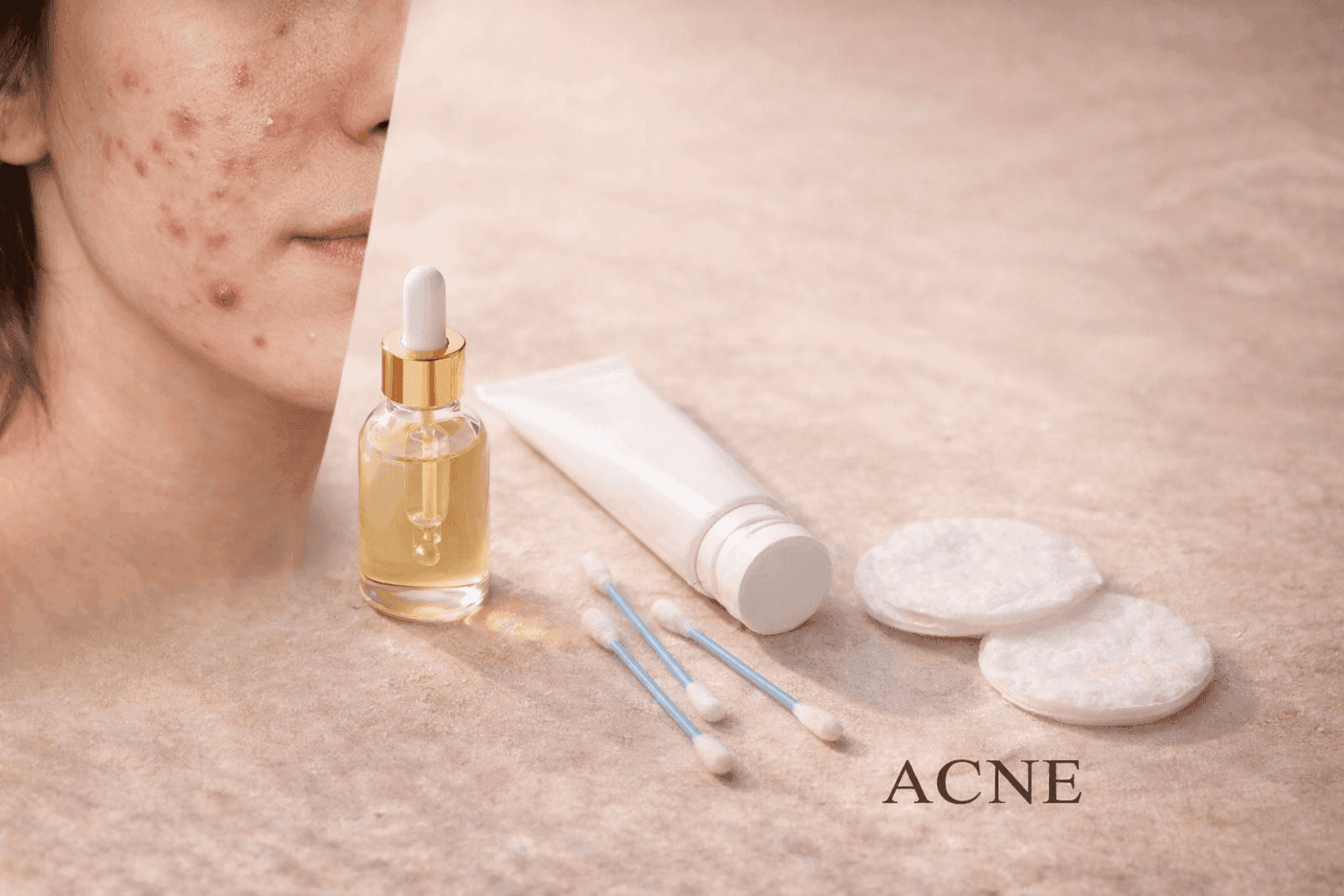
Comedonal acne - those persistent whiteheads and blackheads - often develops when dead skin cells and sebum trap inside pores, creating soft or hard plugs. While genetics and hormones play a role, everyday lifestyle habits like diet, sleep quality, stress levels, and skincare routines significantly influence how frequently comedones form and how long they stick around.
Key Takeaways:
- Comedones form when pores become clogged with dead skin cells, sebum, and debris
- High-glycemic foods and dairy can trigger increased sebum production and inflammation
- Chronic stress elevates cortisol, which stimulates oil glands and slows skin cell turnover
- Sleep deprivation disrupts skin barrier repair and increases inflammatory markers
- Over-cleansing or using occlusive cosmetics can worsen comedone formation
- Understanding personal triggers helps create more effective long-term management strategies
What Happens Inside Your Skin When Comedones Form
Comedonal acne develops through a specific chain of events inside hair follicles. Normally, sebum flows freely through pores to the skin surface, carrying away dead skin cells. When skin cells shed faster than they can exit, or when sebum production increases, these materials accumulate and form a plug.
The follicle wall stretches to accommodate this buildup. If the pore stays open, oxygen darkens the plug's surface - this becomes a blackhead. When the pore closes over, the trapped material appears white or flesh-colored - a whitehead. Unlike inflamed acne, comedones don't involve significant bacterial activity or redness initially, though they can progress to inflammatory lesions if bacteria colonize the trapped sebum.
This process seems simple, but multiple lifestyle factors influence each step - from how quickly your skin cells turn over to how much sebum your glands produce.
Diet Patterns That Influence Sebum and Skin Cell Behavior
What you eat affects your skin through several biological pathways. High-glycemic foods - white bread, sugary snacks, processed cereals - spike blood sugar rapidly. This triggers insulin release, which then stimulates insulin-like growth factor 1 (IGF-1). IGF-1 increases sebum production and accelerates skin cell proliferation, creating more material to potentially clog pores.
Dairy products, particularly skim milk, contain hormones and bioactive molecules that can influence your own hormone levels. These compounds may stimulate sebaceous glands and alter the composition of sebum, making it stickier and more likely to trap dead cells.
Diets high in omega-6 fatty acids (common in processed foods and certain vegetable oils) relative to omega-3s can promote inflammatory pathways in the body. While comedones aren't primarily inflammatory, this internal environment affects overall skin behavior and may influence how easily comedones progress to inflamed acne.
How Stress Hormones Alter Your Skin's Oil Production
When you experience chronic stress, your adrenal glands release cortisol consistently. Elevated cortisol triggers several skin changes that promote comedone formation. First, it stimulates sebaceous glands to produce more sebum. Second, it can thicken the outer layer of skin by altering the normal shedding process - more dead cells accumulate on the surface and inside pore openings.
Stress also affects your skin barrier function. Research shows that psychological stress increases transepidermal water loss and reduces the skin's ability to repair itself. A compromised barrier often leads to compensatory sebum production, creating a cycle that favors clogged pores.
The relationship works both ways - visible skin concerns cause stress, which then worsens the condition. Breaking this cycle requires addressing both the physical triggers and stress management.
Sleep Quality and Skin Cell Turnover
Your skin performs most of its repair work during deep sleep. Growth hormone peaks during these hours, driving cellular regeneration and collagen production. When you consistently sleep fewer than seven hours, or experience poor sleep quality, this repair window shrinks.
Sleep deprivation increases cortisol levels (similar to chronic stress) and reduces the skin's ability to maintain its barrier function. Studies show that poor sleepers have higher transepidermal water loss and more inflammation markers in their skin. The sebaceous glands may overproduce oil to compensate for barrier dysfunction, while dead skin cells accumulate faster than they're shed - both factors directly contribute to comedone formation.
Sleep position matters too. Pressing your face against a pillowcase for hours creates friction and occlusion, especially if the fabric traps oils, skincare products, or environmental debris against your skin.
Skincare Habits That Accidentally Encourage Comedones
Over-cleansing strips away the skin's natural lipid barrier. When this happens, your skin perceives dehydration and triggers increased sebum production to compensate. Using harsh surfactants or scrubbing too vigorously also disrupts the skin's pH and microbiome balance, potentially altering how efficiently dead cells shed from pore openings.
Conversely, under-cleansing allows makeup, sunscreen, environmental pollutants, and excess sebum to accumulate on the skin surface and inside pores. Makeup that isn't fully removed each night mixes with sebum and dead cells, creating the perfect environment for comedones.
Heavy moisturizers and occlusives applied to naturally oily or combination skin can physically block pores. Ingredients like coconut oil, cocoa butter, and certain silicones sit on the skin surface rather than absorbing, trapping sebum and dead cells underneath. This is why understanding your skin type and choosing non-comedogenic formulations matters.
Physical exfoliation through scrubs or brushes can help when used appropriately, but overdoing it triggers inflammation and barrier damage. The skin responds by thickening its outer layer - a protective response that unfortunately increases the likelihood of trapped debris in pores.
Environmental and Physical Factors
Pollution particles are small enough to penetrate pores and mix with sebum. Studies show that particulate matter from air pollution can trigger oxidative stress in the skin, alter sebum composition, and increase comedone formation in urban environments.
High humidity causes sweat to mix with sebum and makeup on the skin surface. This combination can create a film that blocks pores, especially if you don't cleanse soon after sweating. However, very low humidity dehydrates the skin, triggering compensatory oil production - both extremes create challenges.
Repetitive friction from phones, face masks, helmet straps, or chin rests physically pushes sebum and debris deeper into pores while creating localized areas of increased sweating and occlusion. This mechanical factor explains why comedones often cluster in specific areas that experience regular pressure or rubbing.
Hydration Status and Skin Barrier Function
When your body is chronically dehydrated, your skin compensates by reducing water loss and sometimes increasing sebum production. Dehydrated skin often appears oily on the surface but feels tight underneath - a condition that promotes comedone formation because the skin isn't functioning optimally.
Adequate water intake supports all cellular functions, including the processes that allow skin cells to mature properly and shed efficiently. Dehydration also concentrates waste products in your system, potentially affecting skin clarity through inflammatory pathways.
External hydration through appropriate moisturizers helps maintain barrier function, but internal hydration provides the foundation. Both work together to keep skin cells plump and able to exit pores smoothly rather than clumping and clogging.
The Role of Exercise and Sweating
Regular exercise improves circulation, delivering oxygen and nutrients to skin cells while removing waste products more efficiently. This supports healthy cell turnover and can help prevent the sluggish cellular processes that contribute to comedones.
However, sweat itself contains salts, urea, and trace amounts of sebum from sebaceous glands. When sweat sits on the skin - especially under occlusive workout clothes or hats - it mixes with surface oils and can contribute to clogged pores. The friction from wet clothing against skin compounds this effect.
Touching your face during workouts transfers bacteria, oils, and gym equipment residue to your pores. The warm, moist environment created by sweating also temporarily loosens dead cells on the skin surface, which can either help them shed or push them deeper into pores depending on what happens next.
Cleansing soon after exercise prevents sweat and debris from settling into pores, but harsh post-workout cleansing that strips the skin creates the barrier problems discussed earlier. The timing and method of cleansing matter as much as doing it.
Hormonal Fluctuations from Lifestyle Choices
Beyond inherent hormonal patterns, lifestyle factors influence your hormone levels. Chronic sleep deprivation alters cortisol rhythms and can affect sex hormone balance. High-sugar diets spike insulin, which influences androgen production - androgens directly stimulate sebaceous glands.
Extreme calorie restriction or very low-fat diets can disrupt normal hormone production since hormones are built from cholesterol and fats. When hormones fluctuate unpredictably, sebum production becomes inconsistent, and skin cell turnover loses its rhythm - both situations favor comedone formation.
Excessive alcohol consumption affects liver function, which is crucial for hormone metabolism. When your liver can't efficiently process hormones, levels may remain elevated longer than normal, potentially overstimulating sebaceous glands.
Creating a Comprehensive Approach
Understanding these lifestyle factors reveals why isolated changes sometimes disappoint. Switching to a "clean" diet might help if high-glycemic foods were your primary trigger, but won't address problems if stress and poor sleep are driving your comedones.
| Lifestyle Factor | How It Affects Comedones | What Supports Improvement |
|---|---|---|
| Diet patterns | Influences sebum production and cell turnover through hormonal pathways | Lower-glycemic foods, balanced omega-3/omega-6 ratio |
| Stress levels | Increases cortisol, triggers excess sebum and altered shedding | Regular stress management practices, adequate relaxation |
| Sleep quality | Reduces repair time, elevates cortisol, impairs barrier function | Consistent sleep schedule, 7–9 hours nightly |
| Cleansing routine | Over-cleansing strips barrier; under-cleansing allows buildup | Gentle, consistent cleansing matched to activity level |
| Hydration | Affects skin cell function and barrier integrity | Adequate water intake plus appropriate moisturization |
The most effective approach addresses multiple factors simultaneously rather than focusing on single changes. This doesn't mean overhauling your entire life overnight - small, consistent adjustments in several areas often produce better results than dramatic changes in one area.
When Lifestyle Changes Aren't Enough
Some people implement multiple lifestyle improvements and still struggle with persistent comedones. This often indicates that genetic factors, underlying hormonal conditions, or medication side effects play stronger roles than modifiable lifestyle factors.
Conditions like polycystic ovary syndrome (PCOS) drive comedone formation through hormonal mechanisms that lifestyle alone can't fully address. Certain medications - including some birth control pills, corticosteroids, and lithium - increase comedone formation as a side effect.
If you've addressed diet, stress, sleep, and skincare habits for several months without significant improvement, or if comedones suddenly worsen without clear lifestyle changes, professional evaluation becomes important. Dermatologists can identify whether underlying medical factors are contributing and discuss treatment options beyond lifestyle modification.
Understanding Internal Triggers: Clear Ritual's Perspective
Comedonal acne develops from multiple internal and external factors working together - hormones, sebum composition, skin cell turnover rates, inflammation levels, stress responses, sleep quality, nutrition, gut health, and genetic predispositions all play roles. While lifestyle modifications address important triggers, they may not reveal which specific combination of factors drives your particular pattern of comedones. Clear Ritual combines Ayurveda, modern dermatology, and advanced skin science to understand individual triggers through a structured skin assessment that examines your unique internal and external patterns. This approach recognizes that temporary symptom management differs from identifying root causes. Understanding your specific triggers - whether hormonal fluctuations, digestive function, stress responses, or barrier dysfunction - allows for more targeted support that addresses the underlying patterns rather than just surface symptoms, creating better conditions for long-term skin stability.
Frequently Asked Questions
Can changing my diet really improve comedonal acne?
Diet changes can help significantly for some people, particularly if high-glycemic foods or dairy consumption trigger insulin and hormone responses that increase sebum production. However, diet represents just one factor among many. People with strong dietary triggers may see noticeable improvement within six to eight weeks, while others with primarily hormonal or genetic drivers may see minimal change from diet alone.
How long does it take to see results from lifestyle changes?
Skin cell turnover takes approximately 28 days in younger adults and longer as we age. Meaningful changes typically become visible after two to three skin cycles - roughly six to twelve weeks of consistent lifestyle modifications. Existing comedones need time to clear, and new ones must stop forming for noticeable improvement. Shorter timeframes usually don't allow enough cellular cycles to assess effectiveness.
Does drinking more water help with comedones?
Adequate hydration supports all skin functions, including the processes that allow dead cells to shed properly from pore openings. However, drinking excessive amounts of water beyond your body's needs doesn't provide additional skin benefits. Focus on consistent, adequate hydration - roughly eight glasses daily for most people - rather than forcing large quantities. Dehydration definitely worsens skin function, but overhydration doesn't create superior results.
Will stress management alone clear my comedones?
Stress management helps reduce cortisol-driven sebum production and supports better skin barrier function and sleep quality. For people whose comedones worsen noticeably during stressful periods, addressing stress may produce significant improvement. However, stress rarely acts as the sole trigger. Combining stress reduction with appropriate skincare and other lifestyle factors creates better outcomes than any single intervention.
Can exercise make comedonal acne worse?
Exercise itself supports healthy skin through improved circulation and stress reduction. However, sweat sitting on skin, friction from equipment or clothing, touching your face during workouts, and delayed cleansing after exercise can all worsen comedones. The solution isn't avoiding exercise but managing the factors around it - cleansing soon after workouts, using clean towels, avoiding touching your face, and wearing breathable fabrics.
Why do my comedones get worse even when I'm doing everything right?
Several possibilities exist: your "right" routine may include products that don't match your skin's needs, hormonal fluctuations may be overpowering lifestyle factors, you may have underlying conditions affecting sebum production, or sufficient time hasn't passed for changes to show results. Tracking your patterns over three months helps identify whether specific factors consistently worsen your skin or whether the relationship is less clear.
Is it better to cleanse more often if I have comedonal acne?
More frequent cleansing doesn't necessarily prevent comedones and can backfire by stripping your skin barrier, triggering increased oil production. Most people do best with twice-daily cleansing - morning and evening - plus gentle cleansing after significant sweating. Focus on technique and product choice rather than frequency. Over-cleansing often worsens comedones by damaging the barrier and disrupting the skin's natural balance.
Can sleeping position affect comedonal acne?
Yes, consistently pressing your face against a pillowcase creates friction and occlusion that can contribute to comedones in contact areas. The pillowcase also accumulates oils, skincare products, hair products, and environmental debris that transfer back to your skin. Changing pillowcases every few days, using smooth fabrics like silk or satin that create less friction, and occasionally switching sleeping positions can help reduce this mechanical factor.
Editorial Standards
Clear Ritual has Strict sourcing guidelines to ensure our content is accurate and current. We rely on peer-reviewed studies, academic research institutions, and medical associations. We strive to use primary sources and refrain from using tertiary references. See a mistake? Learn More about our Editorial Standards.



