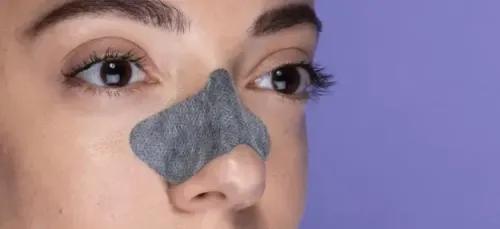
Blackhead Remover Tool: Which One Is Safe to Use?
Summary
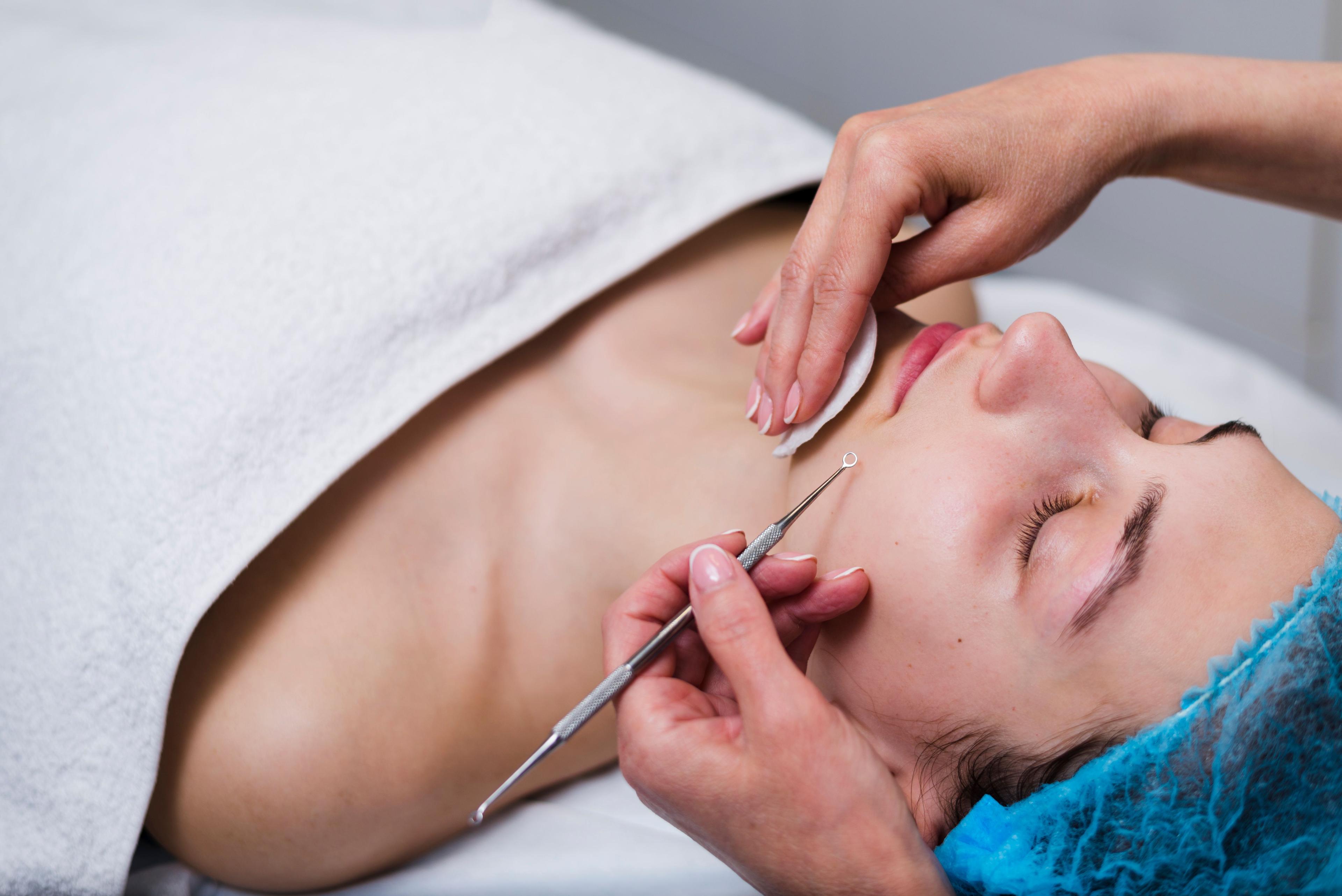
The blackhead remover tool helps remove blackheads and whiteheads from clogged pores. There are two types of tools available: manual stainless steel tools and electric vacuum devices. Manual stainless steel comedone extractors with small loops are generally made of surgical-grade stainless steel to prevent infection. An electric blackhead remover uses suction to unclog pores and remove blackheads painlessly.
To use these tools effectively, prepare the skin by steaming to open the pores, sanitise the device, and apply gentle pressure to remove the blockage.
You are all set to step out. Your skin looks great, and everything feels on point until you notice a blackhead on your face. You may have tried every hack to remove blackheads and gone through a lot of pain. However, it's time to try a safer and more effective method, such as a blackhead remover tool.
There are many types available, whether online or offline, but which one you choose entirely depends on your skin type and needs.
This article explains the different types of blackhead tools, how to use them properly, and the aftercare instructions you need to follow.
What Is a Blackhead?
Blackheads are a type of acne, also known as open comedones, that occur when the skin follicles are blocked with excess oil, dead skin, dirt, and bacteria.
These clogged pores later turn dark in colour when exposed to air.
You will often find blackheads around the T-zone areas.
What Is a Blackhead Remover Tool?
The blackhead remover tool, also known as a comedone extractor, is especially useful for removing blackheads and whiteheads around the T-zone.
This is one of the best ways to reduce visible blackheads without excessive scrubbing and squeezing.
Types of Blackhead Remover Tools
Here are the different types of comedone (blackhead) extraction tools.
| Tools | Description | How to Use | Safety Limitation | When to Avoid |
|---|---|---|---|---|
| Comedone Extractor | Stainless steel rod with a loop-shaped end | Steam your face and gently press the tool against the skin | Excessive pressure can cause bruising | Avoid sensitive areas like under-eyes |
| Blackhead Tweezers | Small rod with curved tips | Pinch clogged pores and lift plugs | Can cause cuts if pressure is not balanced | Avoid if inexperienced |
| Lancets | Small rod with a sharp needle tip | Used to open pores and gently extract blackheads | High risk of puncture wounds | Avoid home use, seek professional help |
| Pore Vacuum | Electronic suction device | Move slowly over the skin to remove debris | Do not suction for more than 3 seconds | Avoid if you have sensitive skin |
| Vibration Spatulas | Ultrasonic skin scrubber with spatula top | Glide gently over the skin | Use serum or toner first to avoid dryness | Avoid for severely clogged pores |
How to Use Blackhead Remover Tool?
The following are the five essential steps to safely use a blackhead remover tool.
Step 1: Choose the Right Tool
Choose the blackhead remover tool that feels safest and suits your skin needs, such as tweezers, extractor loops, pore vacuums, or vibration spatulas.
Step 2: Sanitise the Tool
Whether you use a manual stainless steel extractor or an electric device, sanitise it properly using an alcohol-soaked cloth.
Step 3: Steam Your Face
Steaming helps soften the trapped sebum and debris so extraction becomes easier and safer.
Step 4: Apply Gentle Pressure
Place the loop of the extractor over the blackhead area and apply gentle pressure.
Do not press too hard, as excessive force can bruise the skin.
For pore vacuums or vibration spatulas, follow the same gentle approach.
Step 5: Wipe Your Face
After extraction, wipe the skin gently with a damp cloth and apply a soothing ointment to reduce irritation and prevent infection.
Blackhead Remover Tool: Aftercare Steps
After using a blackhead remover tool, post-care is important to prevent infection and hyperpigmentation.
Follow these aftercare steps:
- Apply a gentle alcohol-free toner
- Use a hydrating serum
- Moisturise with a lightweight moisturiser
- Apply sunscreen to prevent post-treatment pigmentation
Blackhead Remover Hacks at Home
The following simple methods can help reduce blackheads at home without using tools.
Mild Exfoliation
Use salicylic acid or lactic acid-based products to support pore clearing.
Charcoal or Clay Masks
These help absorb excess oil and reduce blackheads and whiteheads.
Light Chemical Peels
Superficial chemical peels may help with blackheads, mild acne, and dead skin buildup.
Blackheads vs Sebaceous Filaments
Blackheads and sebaceous filaments often look similar, but they are not the same.
| Blackheads | Sebaceous Filaments |
|---|---|
| Dark black dots, often raised above the skin | Light brown or grey dots, usually flat |
| Can appear anywhere on face or body | Mostly appear on nose, chin, and forehead |
| Caused by clogged pores | Caused by normal oil flow |
| Pores look cleaner after removal | Pores refill quickly after removal |
| Common in oily, acne-prone skin | Common in all skin types |
| Need salicylic acid and retinoids | Need niacinamide and clay masks |
Clear Ritual’s Perspective on Blackhead Remover Tool
At Clear Ritual, we believe skincare should go beyond quick fixes.
While a blackhead remover tool can provide temporary results, long-term improvement comes from understanding why clogged pores happen in the first place.
We combine:
- Ayurveda
- Modern Dermatology
- Science-based Skin Analysis
This creates a more complete and personalised treatment approach.
All you need to do is take a quick Clear Ritual Skin Test.
Final Thoughts
The blackhead remover tool is one of the easiest ways to unclog pores and improve visible blackheads.
We recommend using a stainless-steel comedone extractor for nose blackheads.
If blackheads or whiteheads appear on larger areas of the skin, electric tools like pore vacuums or vibration spatulas may work better.
The key is always safe use, gentle pressure, and proper aftercare.
Frequently Asked Questions
Q1. Does the blackhead removal tool actually work?
Yes. A comedone extractor helps remove stubborn blackheads by applying even pressure.
However, excessive pressure can cause bruising and skin damage.
Q2. What kills blackheads fast?
The fastest way is usually either a blackhead remover tool or 2% salicylic acid (BHA), which helps clear clogged pores.
Q3. What is inside a blackhead?
Blackheads form when excess oil, dead skin, bacteria, and dirt clog the pore.
When exposed to air, the material oxidises and turns dark.
Q4. What’s the best blackhead remover tool for the nose?
The most common and effective option is a stainless steel comedone extractor.
For larger skin areas, pore vacuums or vibration spatulas may be useful.
Q5. What are the benefits of the blackhead remover tool?
Benefits include:
- Removing stubborn blackheads
- Unclogging pores
- Improving skin texture
- Deep cleansing
- Better product absorption
Q6. When should you see a doctor after using a blackhead extractor?
If excessive pressure causes bruising, pain, swelling, or skin damage, you should visit a doctor to prevent further skin issues.
Reference Links
Editorial Standards
Clear Ritual has Strict sourcing guidelines to ensure our content is accurate and current. We rely on peer-reviewed studies, academic research institutions, and medical associations. We strive to use primary sources and refrain from using tertiary references. See a mistake? Learn More about our Editorial Standards.
Related Articles
Anti-Blackhead Diet: Foods That Help Clear Pores
Published May 26, 2026

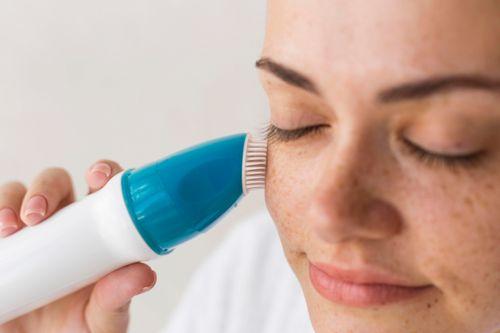
Are Blackhead Vacuums Worth It Real Results & Risks
Published June 6, 2026
Best Ingredients to Treat Blackheads (Dermatologist-Approved)
Published June 7, 2026

Are Pore Strips Safe for Blackhead Removal? (Expert Breakdown)
Published May 26, 2026