




Exfoliation for Whiteheads: How Much Is Too Much?
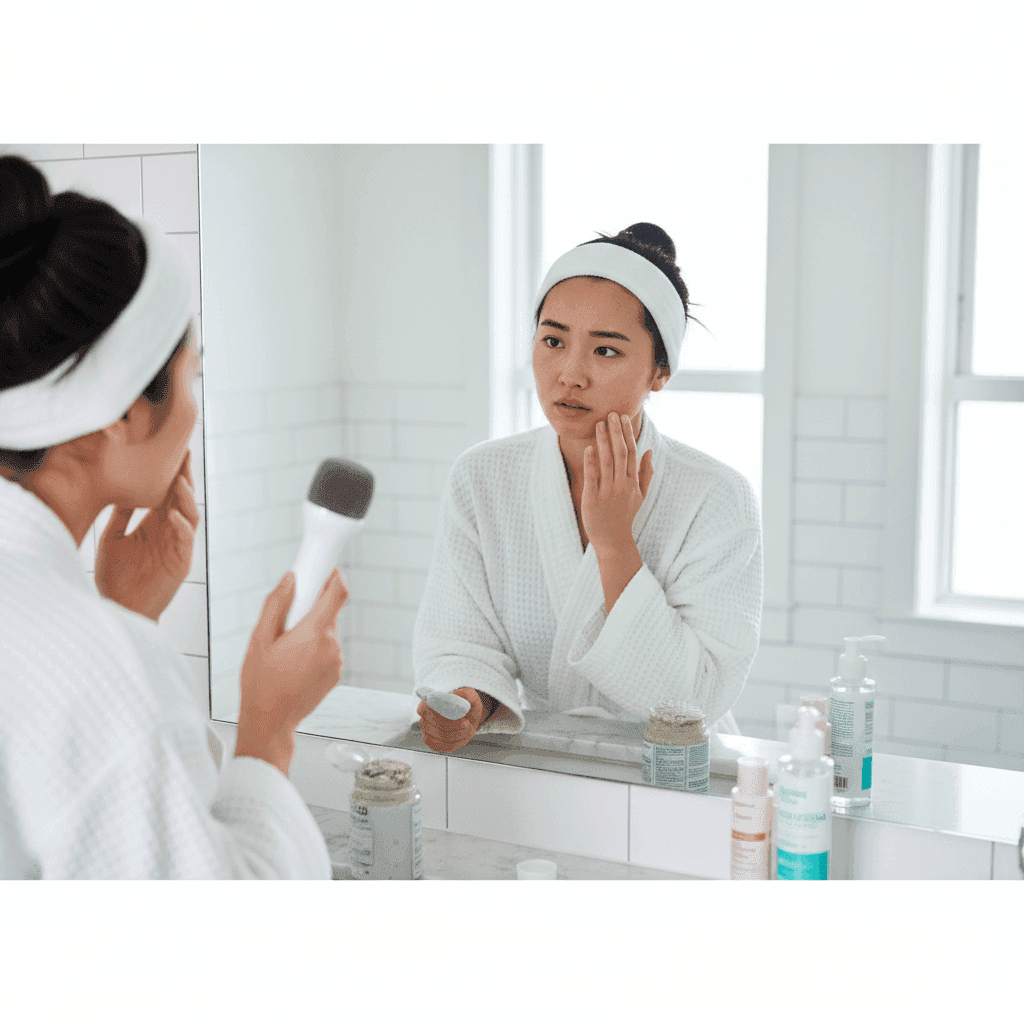
Exfoliation is often recommended for whiteheads—but it’s also one of the most common reasons
they get worse instead of better.
Many people assume that if some exfoliation helps, more must help even faster.
In reality, over-exfoliation is a major trigger for persistent whiteheads.
This guide explains how exfoliation actually works for whiteheads,
how much is enough, and how to recognise when you’ve gone too far.
Why exfoliation helps with whiteheads
Whiteheads are closed comedones.
They form when dead skin cells don’t shed evenly and mix with oil inside pores.
Gentle exfoliation helps by:
- Loosening dead skin buildup
- Supporting even skin cell turnover
- Reducing the chance of pores getting blocked
When done correctly, exfoliation can make skin texture smoother over time.
Why too much exfoliation worsens whiteheads
Exfoliation doesn’t just remove dead skin—it also affects the skin barrier.
When exfoliation is too frequent or too harsh:
- The skin barrier becomes weakened
- Irritation and micro-inflammation increase
- The skin compensates by producing more oil
More oil + irritated skin = a higher risk of clogged pores and recurring whiteheads.
Signs you may be exfoliating too much
Over-exfoliation doesn’t always look dramatic.
Common early signs include:
- Persistent tightness or dryness
- Increased oiliness despite frequent exfoliation
- More tiny bumps or rough texture
- Stinging when applying basic products
- Whiteheads returning quickly after clearing
These signs often mean the skin barrier needs a break.
How often should you exfoliate for whiteheads?
For most whitehead-prone skin, dermatologists recommend:
- 2–3 times per week for chemical exfoliation
- Avoiding daily exfoliation unless specifically advised
- No physical scrubs for textured or congested skin
More frequent exfoliation rarely speeds up results—and often delays them.
Chemical vs physical exfoliation for whiteheads
Chemical exfoliation (preferred)
Chemical exfoliants work by gently loosening bonds between dead skin cells.
- More even and controlled
- Less mechanical damage
- Better suited for closed comedones
When used sparingly, they help clear pores without tearing the skin surface.
Physical exfoliation (often problematic)
Scrubs, brushes, and rough tools can:
- Create micro-tears
- Inflame the skin
- Worsen barrier damage
This inflammation often increases whitehead formation rather than reducing it.
How to exfoliate safely if you get whiteheads
- Choose one exfoliating method at a time
- Start slow and increase only if skin tolerates it
- Always moisturise after exfoliation
- Use sunscreen daily to protect recovering skin
Exfoliation should support the skin—not stress it.
What to do if you’ve over-exfoliated
If your skin feels irritated or whiteheads worsen:
- Stop exfoliating temporarily
- Focus on gentle cleansing and moisturising
- Avoid introducing new actives
- Give the skin time to repair its barrier
Once the skin feels calm again, exfoliation can be reintroduced slowly.
How long before exfoliation shows results?
Whiteheads sit under the skin and resolve gradually.
With balanced exfoliation, many people see improvement in 4–8 weeks.
Faster is not better—consistency is.
Key takeaway
Exfoliation helps whiteheads only when it’s gentle and limited.
Too much exfoliation damages the skin barrier, increases oil production,
and keeps whiteheads coming back.
When it comes to exfoliation, less often leads to better results.
Editorial Standards
Clear Ritual has Strict sourcing guidelines to ensure our content is accurate and current. We rely on peer-reviewed studies, academic research institutions, and medical associations. We strive to use primary sources and refrain from using tertiary references. See a mistake? Learn More about our Editorial Standards.



