




Blackheads in Indian Skin: Why They’re Common & How to Manage
Introduction — The Persistent Problem of Blackheads in Indian Skin
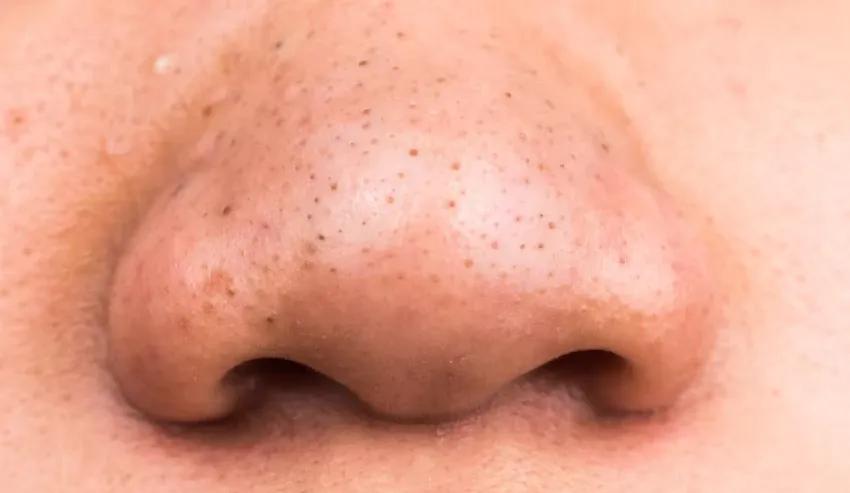
Ever wondered why blackheads seem to reappear even after you’ve just cleaned your face? Blackheads—those tiny dark dots on your nose, chin, or cheeks—are a common skincare woe among Indians. Scientifically known as open comedones, blackheads form when excess oil and dead skin clog your pores, and the trapped sebum oxidizes when exposed to air.
What makes them more visible on Indian skin is our higher melanin content, which emphasizes dark spots and pore congestion. Add humidity, pollution, and an oil-prone skin type to the mix—and you have the perfect recipe for recurring blackheads.
In fact, studies show that over 60% of Indian adults experience blackheads regularly, primarily due to the combination of hot climate and urban pollution. This guide will help you understand why they occur, what mistakes to avoid, and how to treat and prevent them effectively—without damaging your skin barrier.
Understanding Blackheads — What They Really Are
Before treating them, it’s important to know what you’re dealing with.
| Type | Appearance | Cause | Common Areas |
|---|---|---|---|
| Blackheads | Open, dark pores | Oxidized oil & dead skin | Nose, cheeks, chin |
| [whiteheads](https://clearritual.com/blog/types-of-acne/all-about-whiteheads) | Closed bumps | Trapped sebum under skin | Forehead, chin |
| [Pimples](https://clearritual.com/blog/acne/what-are-pimples-causes-types-treatment-guide) | Inflamed bumps | Bacteria + clogged pores | Face & back |
Contrary to popular belief, blackheads aren’t caused by dirt—they’re a mix of sebum and dead cells that oxidize when exposed to air, turning dark. Understanding this difference is key to choosing the right treatment.
Why Blackheads Are More Common in Indian Skin
Indian skin has unique characteristics that make it more prone to blackheads:
-
High Sebum Production: Our skin naturally produces more oil due to genetics and the humid Indian climate. This excess sebum easily mixes with pollutants and dead cells, clogging pores.
-
Pollution Exposure: Cities like Delhi and Mumbai rank among the world’s most polluted, exposing skin to microparticles that can block pores and increase oxidative stress.
-
Melanin & Visibility: Darker skin tones have more melanin, which makes blackheads and open pores more visible.
-
Heavy Skincare & Makeup Products: Frequent use of thick moisturizers, fairness creams, or oils can worsen pore congestion.
“Indian skin has a higher lipid barrier, which while protective, can also trap impurities easily,” explains dermatologists.
Common Mistakes People Make When Treating Blackheads
Many people unknowingly make their blackheads worse. Here are 5 don’ts to remember:
❌ Over-Exfoliating: Too much scrubbing causes microtears and pigmentation. ❌ Using Pore Strips Too Often: They offer temporary relief but damage the skin barrier. ❌ Skipping Moisturizer: Dehydrated skin produces more oil to compensate. ❌ Trying DIY Hacks (Lemon, Toothpaste): These can burn or irritate melanin-rich Indian skin. ❌ Ignoring Sun Protection: Unprotected UV exposure can darken blackhead scars and pores.
Dermatologist-Approved Treatments for Blackheads
If you want long-term results, opt for proven ingredients and treatments instead of harsh DIY methods.
Top Ingredients to Look For
-
Salicylic Acid (BHA): Deep cleans pores and dissolves sebum buildup.
-
Niacinamide: Regulates oil production and refines texture.
-
Retinoids: Boost skin renewal and prevent pore clogging.
-
Clay Masks (Kaolin, Bentonite): Absorb oil and detoxify skin.
🧴 Recommended Use: 2–3 times a week, alternating between exfoliating and hydrating products.
Clinical Treatments for Stubborn Blackheads
-
Microdermabrasion: Gently removes surface buildup and unclogs pores.
-
Chemical Peels: Improve texture and reduce blackhead recurrence.
-
Comedone Extraction: A safe, professional removal technique.
💡 Always patch-test and consult a dermatologist before starting active ingredients—especially for Indian skin tones that can pigment easily.
Home Remedies That Actually Work (and Those That Don’t)
Natural doesn’t always mean safe. Here’s what works—and what to avoid.
| Home Remedy | Safe? | Why |
|---|---|---|
| Steam + Multani Mitti Mask | ✅ | Helps open pores and absorb excess oil |
| Oatmeal & Honey Scrub | ✅ | Gently exfoliates without irritation |
| Tea Tree Oil (Diluted) | ✅ | Antibacterial; reduces acne-causing bacteria |
| Aloe Vera + Turmeric Mask | ✅ | Soothes and brightens skin |
| Lemon Juice or Toothpaste | ❌ | Too acidic; can cause pigmentation |
| Baking Soda | ❌ | Disrupts skin’s natural pH and causes dryness |
The Ideal Skincare Routine for Blackhead-Prone Indian Skin
A consistent, tailored skincare routine is your best defense against blackheads.
Morning Routine
-
Cleanser: Gentle face wash with salicylic acid.
-
Moisturizer: Lightweight, non-comedogenic formula.
-
Sunscreen: Matte finish SPF 30+ to prevent pore oxidation.
Evening Routine
-
Double Cleanse: Oil-based cleanser followed by foaming one.
-
Exfoliate: 2–3 times a week with BHA-based exfoliant.
-
Treatment Serum: Niacinamide or retinol for oil control.
-
Hydration: Finish with a calming moisturizer.
💡 Pro Tip: Use blotting papers midday to reduce oil—avoid overwashing, which triggers more sebum.
Preventing Blackheads — Long-Term Habits That Help
Daily habits play a big role in keeping pores clear:
✅ Change pillowcases every 3–4 days ✅ Clean phone screens regularly ✅ Avoid touching your face frequently ✅ Stay hydrated and eat balanced meals
| Do’s | Don’ts |
|---|---|
| Use non-comedogenic skincare | Sleep with makeup on |
| Exfoliate gently | Overuse pore strips |
| Protect skin from pollution | Skip sunscreen |
Even stress, sleep, and exercise levels can impact oil balance—so think beyond topical care.
Myths vs Facts About Blackheads in Indian Skin
| Myth | Fact |
|---|---|
| Blackheads are caused by dirt | They’re caused by oxidized oil, not dirt |
| Only oily skin gets blackheads | Dry and combination skin can too |
| Scrubbing removes blackheads | Over-scrubbing worsens them |
| Natural oils are harmless | Some oils clog pores (e.g., coconut oil) |
| Blackheads are permanent | Consistent care can reduce and prevent them |
When to See a Dermatologist
If you’ve tried everything and still struggle with blackheads, it’s time to seek expert help.
You may need professional care if you notice:
-
Persistent blackheads despite good routine
-
Post-blackhead pigmentation or scarring
-
Inflammatory acne developing around blackheads
A dermatologist can assess your skin type, identify triggers, and design a plan that actually works for your skin.
FAQs About Blackheads on Indian Skin
Are blackheads permanent? No. With consistent care and proper treatment, blackheads can be reduced significantly.
Does removing blackheads enlarge pores? Not if done gently. Over-extraction or harsh pore strips can stretch them.
Can diet affect blackhead formation? Yes, diet affects blackheads. High-sugar, oily, and dairy-rich diets may worsen sebum production.
Are charcoal masks safe for Indian skin? Yes, if used moderately (once a week). Avoid those with alcohol or strong fragrance.
How often should I exfoliate? 2–3 times a week depending on skin sensitivity.
Can sunscreen clog pores? Only if it’s comedogenic. Choose a gel-based or matte-finish sunscreen.
Conclusion — Clear Skin Starts With Consistent Care
Managing blackheads isn’t about quick fixes—it’s about consistent, smart care. When you understand your skin’s unique needs and follow the right routine, those stubborn black dots don’t stand a chance.
Healthy, clear skin is possible—it just needs the right kind of care for your unique Indian skin.
Editorial Standards
Clear Ritual has Strict sourcing guidelines to ensure our content is accurate and current. We rely on peer-reviewed studies, academic research institutions, and medical associations. We strive to use primary sources and refrain from using tertiary references. See a mistake? Learn More about our Editorial Standards.



