




Chin Comedonal Acne
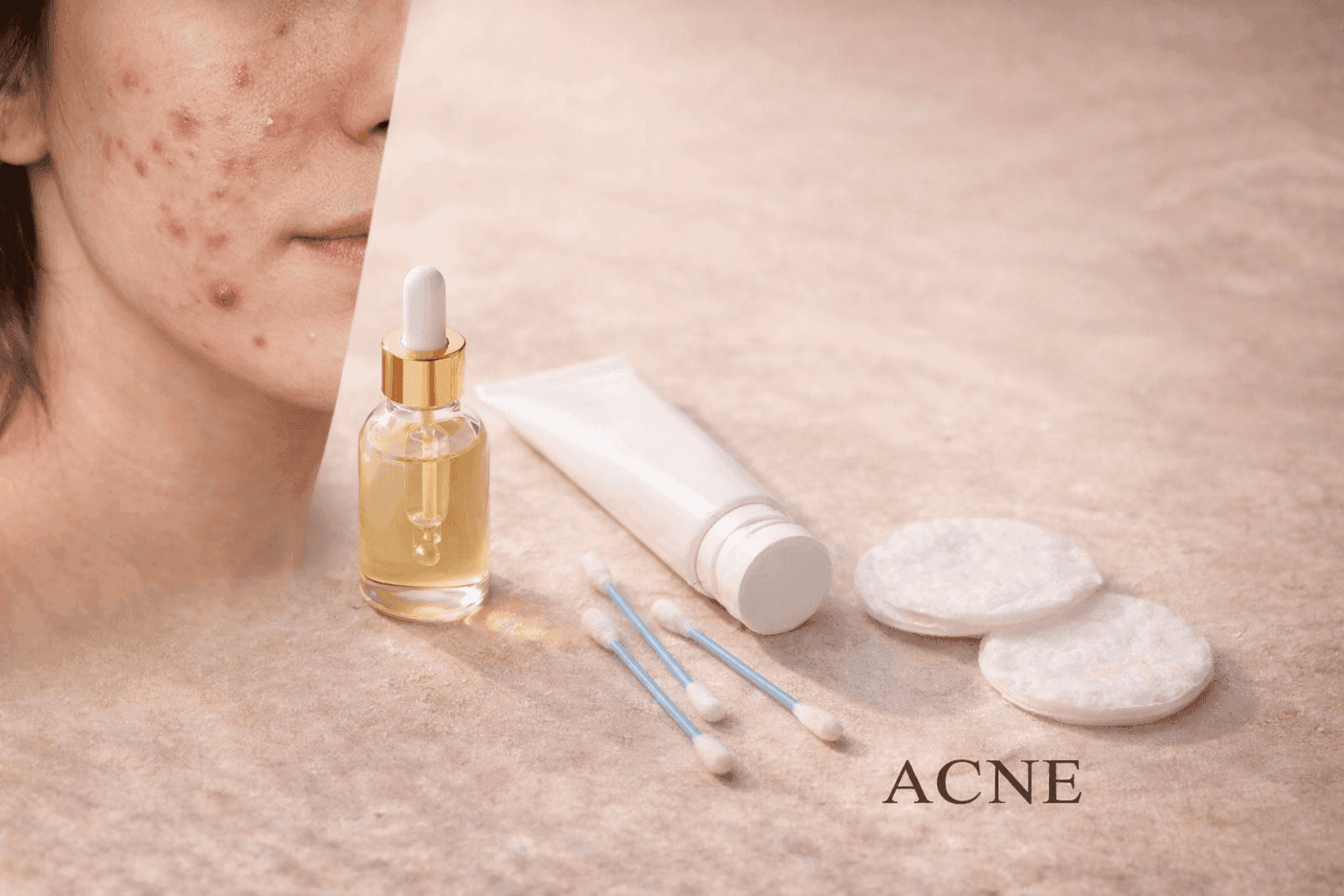
Comedonal acne on the chin appears as small, flesh-colored or white bumps that don't turn red or inflamed. These comedones form when dead skin cells and sebum clog pores in an area where oil glands are concentrated. The chin's hormone-sensitive follicles make it particularly prone to this type of non-inflammatory acne.
Key Takeaways:
- Chin comedones develop from a combination of excess sebum, dead skin buildup, and slow cell turnover
- Hormonal fluctuations make the chin area especially vulnerable to comedonal patterns
- Unlike inflamed acne, comedones remain beneath the skin surface without bacterial involvement
- Gentle exfoliation and barrier support help more than aggressive treatments
- Persistent comedonal acne often signals internal triggers that need assessment
What Comedonal Acne Actually Is
Comedonal acne represents the earliest stage of acne formation. Unlike papules or pustules that become red and swollen, comedones stay small and bump-like. They come in two forms: closed comedones (whiteheads) that remain under the skin surface, and open comedones (blackheads) where the pore opening oxidizes and darkens.
The chin region hosts a high density of sebaceous glands. These glands respond directly to androgens, the hormones that regulate oil production. When sebum combines with dead skin cells that haven't shed properly, the mixture creates a plug inside the follicle. This plug stretches the pore and creates the characteristic bump you can see and feel.
Most people notice chin comedones feel rough to the touch. The texture difference happens because dozens of microcomedones exist beneath what you see on the surface. These microscopic blockages eventually develop into visible bumps if the underlying triggers continue.
Why the Chin Develops Comedones More Readily
The lower face, particularly the chin and jawline, contains sebaceous glands that are exceptionally sensitive to hormonal signals. During the luteal phase of the menstrual cycle, progesterone levels rise and stimulate these glands to produce more sebum. This explains why many people notice chin breakouts appear in the same pattern each month.
Beyond cyclical hormones, the chin experiences mechanical stress that other facial areas avoid. Resting your chin on your hand transfers oils, bacteria, and environmental particles directly into pores. Phone contact creates similar transfer. Even pillowcase friction during sleep can disrupt the skin barrier enough to slow proper cell turnover.
The chin's position also makes it vulnerable to product buildup. Cleansers, moisturizers, and sunscreens that run down the face tend to accumulate along the jawline. If these products contain comedogenic ingredients like certain silicones or heavy oils, they add another layer of pore-blocking material.
Sweating around the lower face during exercise or hot weather creates an environment where dead cells stick together instead of shedding naturally. When sweat evaporates, it leaves behind salt residue that can further cement the blockage inside follicles.
The Internal Processes Behind Comedone Formation
Understanding what happens inside the follicle explains why surface treatments alone often provide limited results. Healthy skin naturally sheds about 30,000 dead cells every minute. In acne-prone skin, these cells become sticky and clump together inside the pore instead of releasing.
Sebum production increases when androgens bind to receptors in sebaceous glands. The sebum itself isn't problematic - it's a necessary lipid that protects skin. However, excessive sebum combined with retention hyperkeratosis (abnormal cell buildup) creates the perfect environment for comedones.
The follicular wall responds to this pressure by stretching. Unlike inflammatory acne where immune cells rush to the site, comedonal acne remains relatively quiet immunologically. No redness appears because the blockage hasn't triggered an inflammatory cascade yet. However, if the follicle wall eventually ruptures from pressure, that same comedone can transform into an inflammatory lesion.
Insulin and insulin-like growth factor also influence this process. High-glycemic foods cause blood sugar spikes that elevate these hormones, which then signal sebaceous glands to produce more oil. This creates a feedback loop where dietary patterns directly affect pore behavior.
Skin Barrier Function and Comedone Development
A compromised skin barrier accelerates comedone formation through several mechanisms. When the protective lipid layer becomes disrupted - whether from harsh cleansers, over-exfoliation, or environmental assault - transepidermal water loss increases. The skin compensates by producing more sebum to prevent dehydration.
This reactive oil production differs from hormonally driven sebum. It tends to be lighter and more fluid, but when combined with an impaired barrier that can't shed cells properly, it still contributes to pore blockages.
Barrier disruption also affects skin pH. Healthy skin maintains a slightly acidic surface (around 4.7–5.5) that supports beneficial microbiome bacteria. Alkaline cleansers raise this pH, creating conditions where dead cells swell and become harder to dislodge from pores.
The stratum corneum, your outermost skin layer, relies on natural moisturizing factors and ceramides to maintain flexibility. Without these components, dead cells become rigid and fragment irregularly. These rigid fragments pack into pores more densely than flexible cells would, creating stubborn comedones that resist typical exfoliation efforts.
Lifestyle Factors That Influence Chin Comedones
Sleep deprivation triggers a cascade of events that worsen comedonal patterns. Poor sleep elevates cortisol, which stimulates sebaceous activity and slows skin repair processes. During deep sleep, growth hormone peaks and facilitates cell turnover. Missing these regenerative hours means dead cells accumulate faster than skin can clear them.
Chronic stress maintains elevated cortisol levels throughout the day. Beyond increasing oil production, cortisol also thickens the follicular lining, making the opening narrower and more prone to blockage. This explains why high-stress periods often coincide with worsening chin texture.
Dehydration affects sebum quality. When the body lacks adequate water, sebum becomes thicker and more likely to combine with dead cells into solid plugs. Well-hydrated skin produces more fluid sebum that flows easily out of pores rather than solidifying inside them.
Mask wearing, particularly for extended periods, creates a humid microenvironment around the lower face. This humidity softens dead cells and makes them swell, increasing their likelihood of blocking pores. The friction from mask edges also provides constant mechanical irritation that disrupts the barrier.
Dietary Patterns and Comedonal Acne
While food doesn't cause acne directly, certain dietary patterns influence the internal environment that supports or prevents comedone formation. Dairy products, particularly skim milk, contain hormones and bioactive molecules that can stimulate sebaceous glands. The proteins in dairy also trigger insulin release, creating the same growth-factor pathway that high-glycemic foods activate.
Diets high in refined carbohydrates and sugars create frequent insulin spikes. Insulin elevates androgens and increases sebum production while also promoting the cell proliferation that leads to retention hyperkeratosis. This doesn't mean occasional sweets cause breakouts, but consistent high-glycemic eating creates conditions that favor comedone development.
Omega-3 fatty acids from sources like fatty fish provide anti-inflammatory benefits that may help regulate sebum production. These essential fats also support skin barrier function by maintaining membrane flexibility and reducing the inflammatory signals that worsen acne.
Insufficient zinc intake affects multiple acne-related processes. Zinc helps regulate hormone metabolism, supports immune function, and plays a role in cell turnover. Low zinc status correlates with increased acne severity in several research studies.
What Helps With Chin Comedones
Addressing comedonal acne requires patience because the skin's natural turnover cycle takes approximately 28 days. What you see on the surface today reflects processes that began weeks ago. This means any approach needs consistent application over several skin cycles to show meaningful improvement.
Gentle exfoliation helps by loosening the bonds between dead cells so they can shed properly. Salicylic acid works well for comedones because it's lipid-soluble and can penetrate into oil-filled pores. It breaks apart the cellular cement holding dead cells together, allowing the plugs to dissolve gradually.
Niacinamide supports multiple aspects of comedone prevention. It regulates sebum production without stripping skin, strengthens barrier function, and reduces inflammation if comedones progress to inflammatory lesions. Its ability to improve cell turnover also helps prevent new comedones from forming.
Retinoids, whether over-the-counter retinol or prescription tretinoin, represent the gold standard for comedonal acne. They normalize follicular keratinization, meaning they prevent the abnormal cell buildup that creates plugs. However, retinoids require careful introduction because they can temporarily worsen barrier function if used too aggressively.
Double cleansing in the evening ensures removal of sunscreen, oil, and environmental debris that could contribute to pore blockages. The first cleanse with an oil-based cleanser dissolves makeup and sunscreen, while the second water-based cleanse removes sweat and water-soluble residue.
Avoid common aggravating behaviors: picking at comedones damages the follicular wall and increases inflammation risk. Using pore strips provides temporary satisfaction but doesn't address formation causes and can traumatize skin. Applying heavy occlusives over active comedones traps material inside pores rather than allowing it to surface naturally.
When Comedones Signal Deeper Concerns
Widespread comedonal acne across the chin and jawline, especially when it appears suddenly or worsens dramatically, sometimes indicates hormonal conditions that need medical evaluation. Polycystic ovary syndrome (PCOS) commonly presents with persistent chin and jawline acne alongside other symptoms like irregular periods or unwanted hair growth.
Comedones that suddenly appear in someone who previously had clear skin warrant investigation. This pattern can signal medication side effects, particularly from corticosteroids, certain birth control methods, or supplements containing iodine or B12 in high doses.
If comedones transform frequently into inflamed lesions or cysts, this suggests the follicles are under significant pressure or the skin's inflammatory response has become dysregulated. These patterns respond better to comprehensive treatment that addresses both comedone formation and inflammation.
Comedonal acne that persists despite consistent appropriate care for several months likely involves internal triggers that topical approaches can't fully address. This doesn't mean you're doing something wrong - it means the underlying causes require a different level of assessment.
Understanding Your Skin's Communication
Comedones represent your skin communicating about internal and external conditions affecting follicle behavior. Their consistent appearance on the chin rather than other facial areas points to the hormone-sensitive nature of that region combined with mechanical and environmental factors unique to the lower face.
Observing patterns helps identify triggers. Do comedones worsen before your period? After poor sleep? During stressful weeks? When you've eaten differently? This pattern recognition provides valuable information about which factors most influence your skin's behavior.
The texture you feel when running fingers across chin comedones reflects dozens of microcomedones beneath the surface. This means improvement requires preventing new comedone formation while allowing existing ones to resolve, which explains why results take time to become apparent.
Comedonal acne differs fundamentally from inflammatory acne, which means approaches that work brilliantly for red, swollen breakouts may not address comedone formation effectively. Understanding this distinction helps set realistic expectations about what different treatments can accomplish.
Understanding Internal Triggers: Clear Ritual's Perspective
Chin comedonal acne rarely stems from a single cause. It typically involves multiple factors - hormonal patterns, sebum regulation, cell turnover rate, skin barrier integrity, stress responses, and nutritional influences all interact to create the environment where comedones form. While topical products and lifestyle adjustments help manage symptoms, they may not identify why your specific skin develops this pattern. Clear Ritual combines the best of three worlds - Ayurveda, modern dermatology, and advanced skin science - to understand individual triggers through a structured skin test. This comprehensive approach examines the various internal and external factors contributing to comedonal patterns. Understanding these specific triggers rather than applying generic solutions creates a foundation for long-term skin stability and clearer texture.
Frequently Asked Questions
Why do I only get comedones on my chin and not the rest of my face?
The chin contains a higher concentration of sebaceous glands that are particularly sensitive to androgens. This hormonal sensitivity, combined with mechanical factors like hand contact and phone friction that mainly affect the lower face, creates conditions that favor comedone formation specifically in this area.
Can I extract chin comedones myself at home?
While physically possible, home extraction carries significant risks. Improper technique can push the comedone deeper, rupture the follicle wall beneath the skin surface, introduce bacteria, and cause scarring. Professional extractions performed after proper skin preparation carry fewer risks and better results.
How long does it take for chin comedones to clear with proper care?
Most people notice improvement after two to three complete skin turnover cycles, which means approximately 6–12 weeks of consistent appropriate care. However, new comedones may continue forming during this period if underlying triggers remain active, which can make progress feel slower than it actually is.
Do chin comedones eventually turn into inflamed acne?
Not all comedones progress to inflammation, but they can if the follicle wall ruptures or if bacteria proliferate within the blocked pore. The pressure from accumulated material inside a comedone increases rupture risk over time, which is why addressing comedones early helps prevent inflammatory lesions.
Why do my chin comedones seem worse after I start treating them?
Some treatments, particularly retinoids and chemical exfoliants, accelerate cell turnover and bring hidden microcomedones to the surface faster. This creates a temporary appearance of worsening when actually the skin is clearing out existing blockages. This purging phase typically lasts 4–6 weeks before improvement becomes visible.
Can hormonal birth control help chin comedonal acne?
Certain birth control formulations that contain anti-androgenic progestins can reduce sebaceous gland activity and help prevent comedone formation. However, this approach requires medical supervision and several months to show effects. Some birth control types can worsen acne, making professional guidance essential.
Do pore size and comedones relate to each other?
Pore size is largely genetic, but chronic comedones stretch pores over time. When a pore remains blocked for extended periods, the follicle wall stretches to accommodate the accumulated material. Once the comedone clears, the pore may appear larger temporarily but usually returns closer to its baseline size with consistent care.
Should I use oil-based products if I have chin comedones?
Not all oils are comedogenic. Lightweight oils like squalane, rosehip, or jojoba can actually support barrier function without blocking pores. Heavy, thick oils like coconut or mineral oil are more likely to contribute to comedones in susceptible individuals. The formulation matters more than simply whether a product contains oil.
Editorial Standards
Clear Ritual has Strict sourcing guidelines to ensure our content is accurate and current. We rely on peer-reviewed studies, academic research institutions, and medical associations. We strive to use primary sources and refrain from using tertiary references. See a mistake? Learn More about our Editorial Standards.



