




Forehead Comedonal Acne
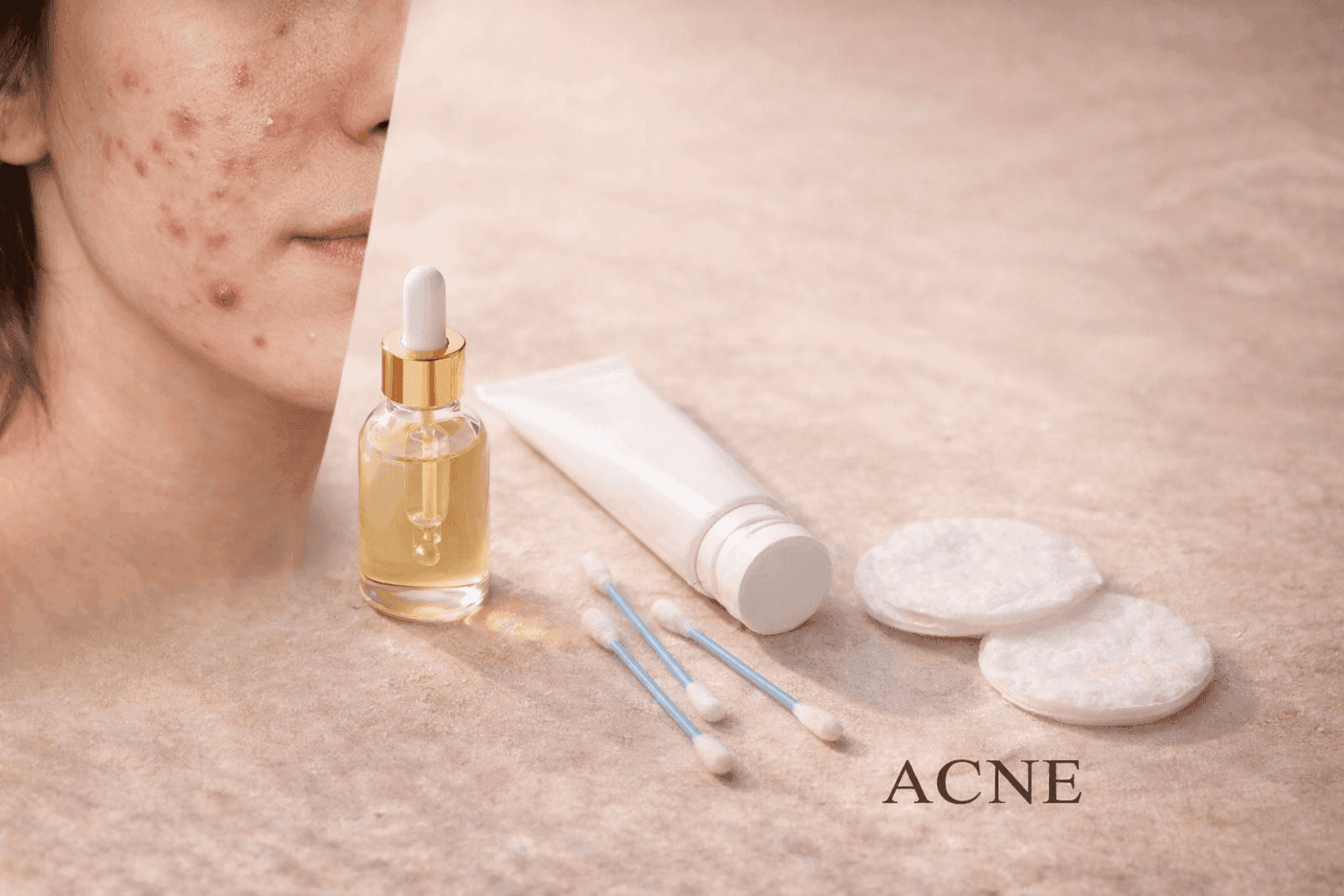
Forehead comedonal acne appears as small, flesh-colored or white bumps that don't become red or inflamed. These closed comedones form when dead skin cells and sebum clog pores without triggering the deeper bacterial inflammation typical of pustular acne. The forehead is particularly prone because of higher sebaceous gland density and exposure to hair products, friction, and sweat.
Key Takeaways:
- Comedonal acne consists of clogged pores without inflammation
- The forehead has more oil glands, making it vulnerable to blockages
- Hair products, friction, and inadequate exfoliation contribute to comedone formation
- Proper skin barrier care and gentle exfoliation help prevent buildup
- Persistent comedones require professional evaluation to prevent progression
What Are Comedones and Why Do They Form on the Forehead
Comedones are the earliest stage of acne formation. They develop when the follicular opening becomes blocked by a combination of excess sebum, dead skin cells, and sometimes keratin debris. Unlike inflammatory acne that involves bacteria and immune response, comedonal acne is primarily a mechanical blockage issue.
The forehead is especially susceptible for several anatomical and environmental reasons. This area contains a high concentration of sebaceous glands that produce oil to protect the skin. When skin cell turnover slows or becomes irregular, these cells don't shed properly. They mix with sebum inside the follicle, creating a plug that stretches the pore opening.
Closed comedones, which appear as small white or flesh-colored bumps, have a thin layer of skin covering the blockage. This traps everything beneath the surface, preventing natural drainage. The forehead's position also means it receives constant contact from hair, headbands, hats, and hands throughout the day, introducing additional oils and debris.
The Skin Biology Behind Forehead Comedone Development
Understanding what happens beneath the skin surface explains why comedones persist and how different factors influence their formation.
Your skin constantly produces new cells in the basal layer. These cells gradually move upward, flatten, die, and eventually shed from the surface. This process, called desquamation, typically takes about 28 days in healthy skin. When this cycle becomes disrupted, dead cells accumulate rather than detaching cleanly.
Sebaceous glands attached to hair follicles continuously secrete sebum, a lipid-rich substance that normally travels up the follicle and spreads across the skin surface. This sebum provides waterproofing and antimicrobial protection. However, when the follicular opening narrows or becomes blocked, sebum cannot exit properly.
The combination of trapped sebum and accumulated dead cells creates the perfect environment for comedone formation. The follicle wall stretches to accommodate this buildup, which is why comedones often feel slightly raised when you run your fingers across your forehead.
Keratinocytes, the primary skin cells, contain structural proteins that help them stick together temporarily before shedding. When these cells become "sticky" and don't separate efficiently, they clump inside the follicle. This abnormal keratinization is one of the primary mechanisms behind comedonal acne.
Common Triggers That Worsen Forehead Comedones
Multiple factors contribute to comedone formation and persistence on the forehead. Recognizing these patterns helps you understand why standard cleansing alone often doesn't resolve the issue.
Hair care products pose a significant challenge. Conditioners, styling creams, oils, and leave-in treatments contain ingredients that can migrate onto forehead skin, especially during sleep or physical activity. These formulations often include silicones, waxes, and fatty alcohols that create occlusive barriers over pores. When combined with your natural sebum production, they increase the likelihood of blockages.
Friction represents another mechanical trigger. Hats, headbands, sports helmets, and even habitual touching transfer oils and pressure onto the forehead. This constant contact can push surface debris into pores while simultaneously stimulating oil production as skin responds to perceived irritation.
Sweating during exercise or in humid conditions temporarily opens pores and increases surface moisture. When sweat mixes with surface oils, dead cells, and any cosmetic residue, it can carry this mixture deeper into follicles as skin cools and pores contract. This is why forehead breakouts often appear one to two days after intense physical activity rather than immediately.
Over-cleansing creates a paradoxical effect. Harsh cleansers or excessive washing strips the skin's lipid barrier, the protective layer of fatty acids and ceramides that maintains hydration and barrier integrity. When this barrier becomes compromised, your skin responds by producing more sebum to compensate for the perceived dryness. This defensive mechanism increases oil availability for comedone formation.
Heavy foundations, primers, and sunscreens designed for facial use can be comedogenic on the forehead, particularly formulations with thick textures or high concentrations of certain oils. The forehead's natural oil production combined with these products creates layers that prevent normal sebum flow and cell shedding.
Internal Factors Influencing Comedone Formation
While external triggers play obvious roles, internal processes significantly influence whether your skin develops comedones and how persistent they become.
Hormonal fluctuations directly affect sebaceous gland activity. Androgens, particularly testosterone and its more potent derivative DHT, stimulate oil production. Even normal hormonal variations during menstrual cycles can temporarily increase sebum output, making existing comedones more likely to form or persist. This explains why some people notice forehead texture changes at specific times of the month.
Stress elevates cortisol levels, which influences multiple skin processes simultaneously. Cortisol increases oil production, slows skin healing, and can disrupt the normal keratinization cycle. Chronic stress also affects sleep quality, which brings its own consequences for skin renewal.
Sleep deprivation interferes with skin repair mechanisms. Your body performs most cellular regeneration and turnover during deep sleep phases. When sleep is consistently inadequate, the normal 28-day renewal cycle extends, allowing more dead cells to accumulate on the surface and within follicles. Growth hormone secretion, which supports healthy skin cell production, also diminishes with poor sleep.
Dietary patterns influence skin behavior through several pathways. High glycemic foods cause rapid blood sugar and insulin spikes. Insulin promotes androgen production and increases IGF-1, both of which stimulate sebaceous glands. This doesn't mean a single sweet treat causes breakouts, but consistent high-sugar consumption creates an internal environment that favors comedone development.
Dehydration affects skin cell behavior at the cellular level. When your body lacks adequate water, skin cells become more rigid and less likely to detach smoothly during the shedding process. This mechanical change in cell behavior contributes to the "sticky" keratinization pattern that creates comedones.
How Skin Barrier Health Affects Comedone Prevention
The skin barrier represents your first defense against environmental stressors and plays a crucial role in preventing comedonal acne.
A healthy barrier consists of skin cells arranged like bricks, surrounded by lipids that act as mortar. This structure prevents excessive water loss while blocking irritants and pathogens. When functioning properly, this barrier maintains the slight acidity needed for beneficial bacteria to thrive while preventing harmful organisms from colonizing.
Barrier disruption occurs through multiple mechanisms. Physical exfoliation that's too aggressive or too frequent removes not just dead surface cells but also the protective lipid layer. Chemical exfoliants used incorrectly can have similar effects. Hot water, harsh surfactants in cleansers, and certain astringent ingredients strip away natural moisturizing factors and intercellular lipids.
When the barrier becomes compromised, transepidermal water loss increases. Your skin loses moisture more rapidly, triggering compensatory oil production. Simultaneously, the weakened barrier allows irritants to penetrate more easily, potentially triggering low-grade inflammation. Even without visible redness or sensitivity, this subtle inflammation can affect how skin cells mature and shed.
The skin microbiome, the community of beneficial bacteria living on your skin surface, depends on barrier integrity. These microorganisms help maintain skin pH, compete with harmful bacteria, and produce substances that support healthy cell turnover. Barrier disruption changes the skin's pH and moisture levels, which can shift microbiome composition. An altered microbiome may produce different metabolic byproducts that influence sebum composition and pore health.
Differences Between Forehead Comedones and Other Acne Types
Understanding what distinguishes comedonal acne from other forms helps you recognize what you're experiencing and why certain approaches work better than others.
| Feature | Comedonal Acne | Inflammatory Acne | Fungal Acne |
|---|---|---|---|
| Appearance | Small bumps, flesh-colored or white | Red, swollen, possibly with pus | Uniform small pustules, itchy |
| Primary Cause | Pore blockage, cell buildup | Bacterial infection (C. acnes) | Yeast overgrowth (Malassezia) |
| Pain Level | None to minimal | Often tender or painful | Usually itchy rather than painful |
| Response to Exfoliation | Generally improves | May improve or worsen | Little to no improvement |
Comedonal acne lacks the inflammatory component that creates redness, pain, and eventual scarring. The blockage remains superficial and mechanical. C. acnes bacteria, which thrive in oxygen-poor environments, don't typically colonize closed comedones in numbers sufficient to trigger immune response. This is why comedones don't hurt and why they can persist for weeks or months without changing much.
Fungal acne, technically called pityrosporum folliculitis, appears similar to small comedones but is caused by yeast overgrowth rather than sebum and cell accumulation. These bumps usually itch, appear more uniform in size, and often worsen with typical acne treatments. They prefer warm, moist environments, which is why they commonly appear after sweating or in humid conditions.
Inflammatory acne develops when bacteria penetrate the comedone and trigger immune response. White blood cells rush to the area, creating the characteristic redness, swelling, and pus formation. This progression from comedone to inflamed lesion explains why treating comedonal acne early matters - it prevents the more damaging inflammatory stage.
Early Intervention Strategies for Forehead Comedones
Addressing comedones effectively requires understanding the mechanisms behind their formation rather than simply treating surface symptoms.
Gentle exfoliation helps normalize the keratinization process. Chemical exfoliants work by weakening the bonds between dead skin cells, allowing them to detach more easily. This prevents the accumulation that leads to follicular blockages. Beta hydroxy acids, particularly salicylic acid, offer specific advantages for comedonal acne because they're lipid-soluble, meaning they can penetrate into oil-filled pores rather than just working on the surface.
Starting with low concentrations allows your skin to adapt without triggering barrier disruption. Using exfoliants two to three times weekly rather than daily prevents the over-exfoliation that paradoxically worsens comedones by damaging barrier function and increasing compensatory oil production.
Proper cleansing focuses on removing accumulated debris without stripping protective lipids. Water-soluble cleansers with gentle surfactants effectively remove surface oils, sweat, and product residue. The key is thoroughness without aggression - cleansing for 60 seconds ensures adequate contact time, while excessively hot water or harsh scrubbing damages the barrier you're trying to protect.
Double cleansing in the evening makes sense when you use hair products or sunscreen. An initial oil-based cleanser dissolves oil-soluble substances like silicones and waxes from hair products. Following with a water-based cleanser removes any remaining residue. This two-step approach prevents the redeposition of oils back onto skin that often occurs with single cleansing of heavily product-laden skin.
Maintaining barrier integrity while treating comedones requires balancing exfoliation with adequate hydration and lipid replenishment. Lightweight moisturizers containing humectants like glycerin or hyaluronic acid draw water into skin cells, supporting healthy cell function and detachment. Including ceramides, cholesterol, and fatty acids helps maintain the intercellular lipid matrix that defines barrier health.
Lifestyle Modifications That Support Clearer Skin
Behavioral patterns significantly influence comedone development, often more than people realize.
Hair care adjustments can dramatically reduce forehead comedones. Keeping hair products away from the hairline during application, rinsing conditioner thoroughly, and avoiding touching your hair then your forehead prevents product transfer. Tying hair back during sleep eliminates the constant contact that pushes oils and products onto forehead skin throughout the night.
Pillowcase hygiene matters because oils, dead cells, and hair products accumulate on fabric surfaces. Changing pillowcases every two to three days, or placing a clean t-shirt over your pillow nightly, reduces reintroduction of these substances onto freshly cleansed skin.
Managing friction involves awareness of how often your forehead contacts other surfaces. Hats and headbands trap heat and friction against skin, creating conditions that favor comedone formation. When these accessories are necessary, choosing breathable fabrics and cleaning them regularly minimizes their impact. Becoming conscious of face-touching habits during the day interrupts the constant transfer of hand oils and environmental debris to your forehead.
Stress management influences skin through cortisol pathways. Regular physical activity, adequate sleep, and stress-reduction practices help maintain more stable hormone levels. This doesn't mean stress causes comedones directly, but chronic stress creates an internal environment that makes skin more vulnerable to multiple triggers.
Dietary awareness focuses on patterns rather than individual foods. Consistently high glycemic load diets maintain elevated insulin levels that promote oil production. Adequate hydration supports cellular function, including the processes that regulate cell turnover and shedding. While no single food causes or cures comedones, overall nutritional patterns create the internal environment in which your skin functions.
When to Seek Professional Evaluation
Certain situations warrant professional dermatological assessment rather than continued self-management.
Persistent comedones that don't respond to several weeks of consistent, appropriate care may indicate underlying factors that require professional intervention. This could involve hormonal imbalances, specific product sensitivities, or skin conditions that mimic comedonal acne but require different treatment approaches.
Progression to inflammatory acne signals that comedones are becoming colonized with bacteria and triggering immune responses. This transformation requires more aggressive intervention to prevent scarring. Professional treatments can address both the existing inflammation and the underlying comedone formation simultaneously.
Scarring or hyperpigmentation from previous acne indicates more aggressive skin response and higher risk for permanent changes. Professional guidance helps prevent further damage while treating active comedones.
Sudden onset of significant comedones without obvious trigger changes might reflect hormonal shifts, medication effects, or internal health changes worth investigating. While gradual comedone development often reflects accumulated external triggers, rapid appearance sometimes points to systemic factors.
Signs of infection, including increased redness, warmth, pain, or spreading inflammation, require immediate professional attention. Though uncommon with simple comedones, any signs of deeper infection need proper medical evaluation.
Professional Treatment Options for Stubborn Comedones
Dermatological interventions offer options when over-the-counter approaches prove insufficient.
Prescription retinoids normalize keratinization at the cellular level, preventing the abnormal cell accumulation that creates comedones. These vitamin A derivatives work by regulating gene expression in skin cells, promoting normal maturation and shedding patterns. They also have anti-inflammatory properties that help prevent comedone progression to inflammatory acne.
Chemical peels using higher concentrations of acids than available in retail products accelerate the removal of accumulated dead cells while stimulating healthy cell turnover. Professional application ensures appropriate concentration and contact time for effectiveness while minimizing adverse effects.
Comedone extraction, when performed by trained professionals using sterile technique, can remove persistent blockages that don't respond to topical approaches. Proper extraction prevents the trauma and potential scarring that often results from improper home extraction attempts.
Hormonal evaluation and management may be appropriate when comedonal acne correlates with menstrual cycles or appears alongside other signs of hormonal imbalance. Certain medications can help regulate the hormonal fluctuations that drive excessive oil production.
Understanding Your Unique Comedone Patterns
Comedonal acne on the forehead varies significantly between individuals in terms of severity, persistence, and trigger sensitivity.
Location patterns provide clues about contributing factors. Comedones concentrated along the hairline strongly suggest hair product involvement. Central forehead distribution might point more toward friction, touching habits, or internal factors affecting overall oil production. Unilateral predominance sometimes indicates sleeping position or phone contact patterns.
Temporal patterns reveal important connections. Comedones that worsen at specific times of the month suggest hormonal influence. Seasonal variations might reflect changes in sweating, sunscreen use, or environmental humidity. Correlation with specific activities, dietary changes, or stress periods helps identify your individual triggers.
Response patterns to different interventions tell you about your skin's particular sensitivities and needs. If gentle chemical exfoliation helps significantly, abnormal keratinization is likely your primary issue. If reducing hair product contact produces the most improvement, external occlusion dominates. This information guides more targeted, effective approaches.
Understanding Internal Triggers: Clear Ritual's Perspective
Forehead comedonal acne rarely has a single cause. Most cases involve multiple contributing factors - hormonal fluctuations affecting oil production, irregular cell turnover patterns, barrier disruption from external products or habits, stress-related cortisol effects, sleep quality influencing skin renewal, and individual genetic predispositions to how skin responds to these triggers.
Common approaches like adjusting skincare routines, changing hair products, or improving cleansing habits often provide partial improvement because they address external factors. However, when internal triggers like hormonal patterns, stress responses, or nutritional influences remain active, comedones frequently persist or return despite surface-level interventions.
Understanding your individual trigger combination matters more than applying generic solutions. Clear Ritual combines insights from Ayurveda, modern dermatology, and advanced skin science to help identify these personalized patterns through a structured skin assessment. This approach recognizes that effective comedone management requires understanding both the visible symptoms and the less obvious internal factors driving them. Long-term skin clarity develops from addressing your specific trigger profile rather than following one-size-fits-all recommendations.
Frequently Asked Questions
What causes comedonal acne specifically on the forehead?
The forehead has a high concentration of sebaceous glands that produce oil. Comedones form when dead skin cells and sebum clog these pores without triggering inflammation. Hair products, friction from hats or hands, inadequate cleansing, and hormonal fluctuations that increase oil production all contribute to forehead comedone development.
Can comedonal acne turn into inflammatory acne?
Yes, comedones can progress to inflammatory acne when bacteria colonize the blocked pore and trigger immune response. This is why addressing comedones early matters - it prevents the more damaging inflammatory stage that can lead to scarring and hyperpigmentation.
Why don't my forehead comedones go away with regular cleansing?
Comedones form inside the follicle from abnormal keratinization and sebum accumulation. Surface cleansing removes external debris but doesn't address the cellular processes creating the blockage. Effective treatment requires ingredients that normalize cell turnover and help clear existing blockages, not just surface cleaning.
How long does it take to see improvement in forehead comedones?
Skin cell turnover takes approximately 28 days, so meaningful improvement typically requires four to six weeks of consistent appropriate care. Some people notice texture changes within two weeks, but complete resolution of established comedones usually takes longer. Patience and consistency matter more than aggressive intervention.
Are forehead comedones related to diet?
Diet influences comedone formation through hormonal pathways. High glycemic foods increase insulin and IGF-1, which stimulate oil production. Dairy may affect some people through hormone content. However, diet alone rarely causes or cures comedones - it's one factor among many, including genetics, skincare habits, and hormonal patterns.
Can I extract my own comedones at home?
Professional extraction is safer and more effective than home attempts. Improper extraction can push debris deeper, cause inflammation, introduce bacteria, and create scarring. If extraction seems necessary, seeking professional help prevents the complications that often result from inadequate technique or non-sterile conditions.
Do comedones mean my skin is dirty?
No. Comedones form from internal follicular processes, not surface dirt. They result from abnormal keratinization and sebum accumulation within pores. Many people with excellent hygiene develop comedones due to genetic predisposition, hormonal factors, or product sensitivities. Over-cleansing trying to remove "dirt" often worsens the problem by disrupting barrier function.
Why do my forehead comedones get worse in summer?
Increased sweating, higher humidity, more frequent sunscreen application, and heat-related oil production all contribute to summer comedone worsening. Sweat mixed with surface oils can carry debris into pores, while heavier sunscreens may be more occlusive than winter products. Heat also increases sebaceous gland activity.
Editorial Standards
Clear Ritual has Strict sourcing guidelines to ensure our content is accurate and current. We rely on peer-reviewed studies, academic research institutions, and medical associations. We strive to use primary sources and refrain from using tertiary references. See a mistake? Learn More about our Editorial Standards.



