Guidance

Guidance from Skin Coaches

FreeConsulation

1:1 Guidance

ScienceBacked

Science Backed Formulation

Combination

Combination of Ayurveda, Dermatology, and Advanced Science

RootCause

We Fix the Internal Trigger

Clear Ritual
Shop

Fungal Acne (Malassezia Folliculitis): Complete Guide to Symptoms, Triggers, Diagnosis & Treatment

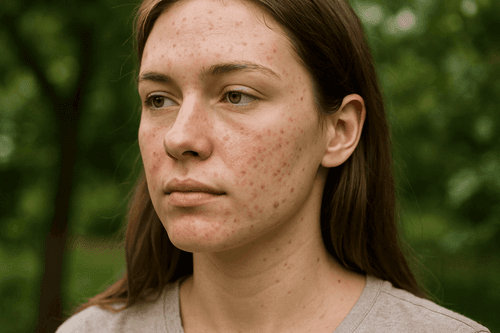
Fungal acne small uniform bumps

Fungal acne isn't actually acne - it's an overgrowth of yeast called Malassezia that lives in hair follicles. When this yeast multiplies excessively, it triggers inflammation and creates clusters of small, uniform bumps that look remarkably similar to bacterial acne but don't respond to traditional acne treatments.

Key Takeaways:

  • Fungal acne is caused by Malassezia yeast overgrowth, not bacteria
  • Appears as uniform, itchy bumps often on forehead, chest, and back
  • Triggered by humidity, occlusive products, antibiotics, and compromised skin barrier
  • Standard acne treatments can make it worse
  • Requires antifungal approaches, not antibacterial ones
  • Professional diagnosis helps distinguish it from bacterial acne

What Is Fungal Acne and How Is It Different from Regular Acne?

Fungal acne, medically known as Malassezia folliculitis or Pityrosporum folliculitis, occurs when Malassezia yeast - a natural part of your skin's microbiome - overgrows inside hair follicles. Unlike bacterial acne caused by Cutibacterium acnes bacteria, this condition stems from an imbalance of fungal organisms on your skin.

The confusion between these two conditions is understandable. Both create bumps on the skin. Both can appear on your face, chest, and back. However, the underlying mechanisms differ completely, which explains why slathering on benzoyl peroxide or salicylic acid often provides zero relief when you're dealing with fungal acne.

Malassezia yeast feeds on sebum, particularly the fatty acids your oil glands produce. When conditions allow this yeast to flourish beyond normal levels, it triggers an inflammatory response inside the follicle. Your immune system recognizes this overgrowth as problematic and responds with inflammation, creating the visible bumps you see on your skin's surface.

Recognizing Fungal Acne: What It Looks Like

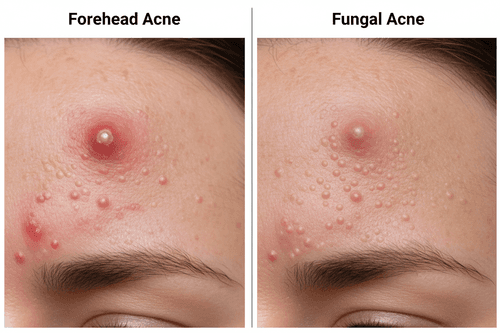
The appearance of fungal acne provides important clues that distinguish it from bacterial acne. The bumps typically measure 1–2 millimeters in diameter and appear remarkably uniform in size and shape. They cluster together in specific areas, creating patches of small, evenly sized papules or pustules.

These bumps rarely develop into the deep, painful cystic lesions common with hormonal acne. Instead, they remain relatively superficial, sitting within the follicles themselves. The distribution pattern often affects the forehead, temples, chest, shoulders, and upper back - areas where sebaceous glands are particularly active and where occlusion from clothing or hair products commonly occurs.

One distinctive feature many people notice is itchiness. While bacterial acne can occasionally itch, fungal acne frequently causes persistent itching that worsens with heat, sweating, or after applying certain skincare products. This itching results from the inflammatory response your skin mounts against the yeast overgrowth.

The bumps may develop small whiteheads, but they lack the blackheads (open comedones) typical of bacterial acne. When you look closely, the uniformity becomes striking - fungal acne bumps appear almost identical to each other, whereas bacterial acne typically shows varied lesion types including blackheads, whiteheads, papules, and cysts all at once.

What Causes Malassezia Yeast to Overgrow?

Understanding why Malassezia multiplies excessively requires examining the conditions that favor yeast proliferation. Malassezia thrives in warm, humid environments rich in oils. Several factors can tip the balance from normal colonization to problematic overgrowth.

Humidity and trapped moisture create ideal breeding grounds for yeast. Living in tropical climates, exercising without showering promptly, or wearing occlusive clothing that prevents sweat evaporation all maintain the moist environment yeast prefers. When moisture stays trapped against your skin for extended periods, particularly in areas with active sebaceous glands, Malassezia populations can expand rapidly.

Antibiotics, while targeting harmful bacteria, also eliminate beneficial bacteria that normally keep yeast populations in check. Your skin's microbiome functions as an ecosystem where different organisms compete for resources. When antibiotics reduce bacterial populations, yeast encounters less competition and can proliferate unchecked. This explains why some people develop fungal acne after completing a course of oral antibiotics prescribed for bacterial acne or other infections.

Compromised skin barrier function also contributes to yeast overgrowth. When your barrier is disrupted through over-exfoliation, harsh cleansing, or exposure to irritants, your skin's natural defense mechanisms weaken. A healthy barrier maintains appropriate pH levels and antimicrobial peptide production that help regulate microbial populations. Damage this barrier, and regulatory mechanisms falter.

Immunosuppression, whether from medications, medical conditions, or high stress levels, reduces your body's ability to control microbial populations. Cortisol elevation from chronic stress particularly impacts immune function, potentially allowing opportunistic organisms like Malassezia to overgrow.

Diet may play an indirect role. High-glycemic foods and refined sugars can increase sebum production and potentially create conditions more favorable for yeast growth, though this connection requires more research to fully understand.

Common Triggers That Worsen Fungal Acne

Certain products and habits consistently aggravate fungal acne by feeding the yeast or creating conditions that promote its growth. Recognizing these triggers helps you make informed choices about what touches your skin.

Heavy oils and fatty acids serve as food sources for Malassezia. Products containing oils like coconut oil, olive oil, or certain esters can directly nourish the yeast, leading to increased populations. This creates a frustrating paradox - people often apply these oils thinking they'll help acne, only to make fungal acne significantly worse.

Occlusive skincare ingredients trap moisture and oils against the skin, creating the humid, lipid-rich environment yeast loves. Thick creams, heavy foundations, and certain silicones can contribute to this occlusion, particularly when layered or applied generously.

Sweating without prompt cleansing leaves salt, moisture, and oils on your skin's surface. While sweat itself doesn't feed yeast, the environment it creates - combined with sebum - provides excellent conditions for proliferation. Athletic activities followed by delayed showering commonly trigger flare-ups.

Hair products dripping onto your forehead, temples, and back introduce oils, silicones, and other ingredients that can occlude follicles. Conditioners, leave-in treatments, and styling products frequently contain Malassezia-feeding ingredients that migrate from hair to skin, particularly along the hairline and upper back.

Synthetic fabrics that don't breathe well trap heat and moisture against your skin during daily activities. Tight clothing that prevents air circulation compounds this effect, especially across the chest and back where sebaceous activity runs high.

How Fungal Acne Affects Your Skin Barrier

The presence of excessive Malassezia and the inflammation it triggers creates a cycle that further compromises your skin barrier. Understanding this cycle explains why fungal acne can persist once established.

When Malassezia overgrows, it produces enzymes that break down triglycerides in sebum into free fatty acids. Some of these fatty acids are irritating and pro-inflammatory, directly triggering immune responses in surrounding tissue. This inflammation disrupts the organized structure of your stratum corneum, the outermost barrier layer.

As inflammation persists, it damages lipid structures between skin cells that normally prevent water loss and block entry of irritants. Transepidermal water loss increases, and your barrier becomes more permeable to potential irritants and allergens. This weakened barrier then struggles to maintain the slightly acidic pH that normally inhibits excessive microbial growth.

The compromised barrier also affects your skin's production of antimicrobial peptides - natural substances that help control microbial populations. With reduced peptide activity and disrupted pH, your skin loses important regulatory mechanisms, allowing yeast populations to remain elevated even as you try to address the problem.

This creates a self-perpetuating situation: yeast overgrowth damages the barrier, barrier damage reduces regulatory capacity, reduced regulation allows continued yeast overgrowth. Breaking this cycle requires both addressing the yeast and supporting barrier repair.

Distinguishing Fungal Acne from Other Skin Conditions

Several skin conditions produce bumps that can be confused with fungal acne. Understanding the differences helps you seek appropriate care.

Bacterial acne shows more variety in lesion types and sizes. You'll typically see blackheads, whiteheads of different sizes, inflamed papules, and possibly deeper cysts all present simultaneously. The bumps vary considerably in size and don't appear as uniformly distributed. Bacterial acne also responds to traditional acne treatments like benzoyl peroxide and salicylic acid, whereas fungal acne remains unchanged or worsens with these approaches.

Closed comedones (whiteheads) can appear similar to fungal acne bumps but lack the inflammatory redness and itching. These result from follicles blocked with sebum and dead skin cells rather than yeast overgrowth. They typically don't cluster in the same patterns and develop more gradually.

Keratosis pilaris creates rough, bumpy texture primarily on upper arms, thighs, and sometimes cheeks. These bumps result from keratin plugs blocking follicles rather than microbial overgrowth. The bumps feel rougher and sandpaper-like, and the condition shows strong genetic patterns.

Heat rash appears suddenly after sweating or heat exposure and typically resolves quickly once you cool down. The bumps are usually smaller and more widespread than fungal acne, and they don't persist for weeks or months.

Rosacea can cause small papules and pustules but typically includes other symptoms like flushing, visible blood vessels, and sensitivity to temperature changes. It predominantly affects the central face rather than the forehead, chest, and back pattern common with fungal acne.

How Healthcare Providers Diagnose Malassezia Folliculitis

Professional diagnosis provides certainty and guides appropriate treatment. Dermatologists use several approaches to confirm fungal acne.

Visual examination often provides strong clues based on the characteristic appearance, distribution, and uniformity of lesions. Experienced dermatologists recognize the pattern of small, monomorphic papules in sebaceous-rich areas, particularly when accompanied by itching and lack of response to antibacterial acne treatments.

Dermoscopy allows magnified examination of individual lesions. Through dermoscopy, providers can observe features specific to follicular inflammation and sometimes visualize the yeast itself within follicles.

Potassium hydroxide (KOH) preparation involves taking a small scraping from affected skin, treating it with KOH solution, and examining it under a microscope. This simple office procedure can reveal Malassezia yeast cells, providing definitive diagnosis. The yeast appears as clusters of round cells often described as "spaghetti and meatballs" due to their characteristic arrangement.

Skin culture may be performed in uncertain cases, though Malassezia can be challenging to culture since it requires special media. Cultures help rule out other fungal infections or bacterial involvement.

Biopsy is rarely necessary but can provide definitive diagnosis when other methods prove inconclusive. Histopathology shows yeast organisms within follicles surrounded by inflammatory cells, confirming Malassezia folliculitis.

Treatment Approaches for Fungal Acne

Addressing fungal acne requires antifungal strategies rather than antibacterial acne treatments. Healthcare providers typically recommend a combination of approaches tailored to severity.

Topical antifungals applied directly to affected areas help reduce yeast populations. These medications work through various mechanisms to inhibit yeast growth and reduce colonization levels. Consistent application as directed is essential, as fungal organisms can be persistent.

Oral antifungal medications may be prescribed for widespread or resistant cases. These systemic treatments address yeast throughout the body and can produce more dramatic improvement, particularly when topical treatments provide insufficient results. Healthcare providers determine appropriate duration based on response and severity.

Antifungal shampoos containing specific active ingredients can be used as body washes on affected areas. The contact time matters - leaving the lather on skin for several minutes before rinsing allows active ingredients to work effectively. This approach provides an accessible option for treating larger body areas like the chest and back.

Regular use typically continues for several weeks even after visible improvement occurs. Yeast populations don't disappear overnight, and premature discontinuation often leads to recurrence. Healthcare providers guide appropriate treatment duration based on individual response.

Managing Your Skincare Routine with Fungal Acne

Adjusting your skincare and hygiene practices supports treatment and helps prevent recurrence. These modifications remove triggers and create conditions less favorable for yeast overgrowth.

Product selection becomes crucial. Choosing skincare and cosmetics free from Malassezia-feeding ingredients reduces the nutrients available to support yeast growth. This means avoiding certain oils, fatty acids, and esters that research has identified as promoting Malassezia proliferation. Reading ingredient lists carefully and researching unfamiliar ingredients helps you make informed choices.

Lightweight, non-occlusive formulations allow your skin to breathe rather than trapping moisture and oils. Gel-based or water-based products typically work better than heavy creams during active fungal acne. This doesn't mean abandoning hydration - it means choosing hydrating ingredients that don't create occlusive barriers or feed yeast.

Prompt cleansing after sweating prevents the warm, moist environment that encourages yeast growth. Showering soon after exercise or any activity that produces significant sweating removes the conditions yeast thrives in. When immediate showering isn't possible, using cleansing wipes or simply changing out of damp clothing helps.

Regular laundering of items that contact affected skin reduces yeast transfer. Pillowcases, towels, workout clothes, and anything that touches problem areas should be washed frequently in hot water. Yeast can survive on fabrics and recontaminate skin, potentially perpetuating the cycle.

Hair product application technique matters significantly. Keeping conditioners, oils, and styling products away from your hairline, face, and back prevents transfer of potentially problematic ingredients. Applying these products only to hair lengths and ends, then thoroughly rinsing, reduces skin contact.

Exfoliation requires a thoughtful approach. While gentle exfoliation can help prevent follicular blockage, aggressive or frequent exfoliation damages your barrier and can worsen inflammation. Chemical exfoliants that don't feed yeast, used sparingly, typically work better than harsh physical scrubbing.

Lifestyle Factors That Influence Fungal Acne

Beyond topical interventions, certain lifestyle modifications support your skin's ability to resist yeast overgrowth and maintain balanced microbial populations.

Clothing choices impact the microenvironment at your skin's surface. Breathable, natural fabrics like cotton allow better air circulation than synthetic materials. Loose-fitting clothes reduce friction and occlusion, particularly across the chest, back, and shoulders where fungal acne commonly develops. After workouts, changing out of damp athletic wear immediately prevents extended exposure to moisture.

Sleep quality affects immune function and stress hormone levels. Poor sleep elevates cortisol and impairs your immune system's ability to regulate microbial populations effectively. Prioritizing consistent, adequate sleep supports the regulatory mechanisms that keep opportunistic organisms like Malassezia in check.

Stress management influences both immune function and sebum production. Chronic stress elevates cortisol, which impacts immune regulation and can increase oil production. While you can't eliminate stress entirely, practices that help you process and manage stress - whether exercise, meditation, or time in nature - support overall skin health.

Dietary patterns may influence sebum composition and production, though individual responses vary. Some people notice improvements when reducing high-glycemic foods and refined sugars, which can spike insulin and potentially increase sebaceous activity. Adequate hydration supports overall skin barrier function and health.

Understanding Internal Triggers: Clear Ritual's Perspective

Fungal acne, like many skin conditions, develops from multiple interacting factors including oil production, microbiome balance, barrier function, immune regulation, stress levels, and individual genetic susceptibilities. While antifungal treatments and product modifications manage symptoms and reduce yeast populations, they may not address why your particular skin became susceptible to Malassezia overgrowth in the first place.

Clear Ritual combines insights from Ayurveda, modern dermatology, and advanced skin science to understand individual triggers through a structured skin assessment. This approach recognizes that similar-looking conditions can develop through different pathways in different people. Identifying your specific triggers and contributing factors - whether hormonal patterns, stress responses, barrier dysfunction, or microbiome imbalances - provides a foundation for more targeted, personalized approaches.

Understanding the interplay of factors driving your skin's behavior supports long-term stability rather than simply managing surface symptoms. When you recognize your individual patterns and triggers, you can make more informed decisions about the interventions most likely to help your particular situation.

When to See a Dermatologist

Professional evaluation becomes important in several situations. Seeking expert guidance ensures accurate diagnosis and appropriate treatment.

If you've been treating what you think is acne for several weeks with standard acne products without any improvement, consider professional evaluation. This lack of response suggests you might be dealing with fungal acne rather than bacterial acne, requiring completely different treatment approaches.

When bumps are widespread, covering large areas of your chest, back, or face, professional treatment typically produces better results than over-the-counter approaches alone. Extensive involvement often benefits from systemic antifungal treatment that only healthcare providers can prescribe.

If you're uncertain whether your bumps represent fungal acne, bacterial acne, or another condition entirely, professional diagnosis provides clarity. Misidentifying the condition leads to inappropriate treatments that waste time and potentially worsen the problem.

Persistent itching, especially when disrupting sleep or daily activities, warrants professional attention. While mild itching commonly accompanies fungal acne, severe or unrelenting itching might indicate additional issues requiring evaluation.

If you've previously had fungal acne that cleared but now returns repeatedly, a dermatologist can help identify persistent triggers and develop a prevention strategy tailored to your situation.

Preventing Fungal Acne Recurrence

Once you've cleared fungal acne, preventing its return requires ongoing attention to the factors that allowed yeast overgrowth initially.

Maintaining a yeast-safe skincare routine even after clearance helps prevent recurrence. This doesn't mean indefinite restriction, but thoughtfully choosing products that don't create conditions favoring yeast overgrowth reduces risk.

Periodic use of antifungal washes, particularly during high-risk times like summer humidity or after antibiotic courses, can help maintain balanced yeast populations. Some people find that weekly or bi-weekly use of antifungal body washes in problem-prone areas prevents flare-ups.

Staying vigilant about prompt cleansing after sweating and wearing breathable fabrics becomes a helpful long-term habit. These simple practices maintain the less favorable conditions for yeast proliferation.

Managing stress and prioritizing sleep support immune function that helps regulate microbial populations. While you can't always control external stressors, developing effective stress management tools provides protective benefits.

Being cautious when starting new skincare, hair care, or cosmetic products helps you identify problematic ingredients before they trigger a full flare. Introducing one new product at a time, rather than completely overhauling your routine, makes it easier to identify culprits if fungal acne returns.

Frequently Asked Questions

Can fungal acne go away on its own without treatment?

Fungal acne rarely resolves spontaneously because the factors promoting yeast overgrowth typically persist without intervention. While mild cases might improve if you eliminate triggering products or conditions, most cases require antifungal treatment to reduce yeast populations to normal levels. Without addressing the overgrowth, the condition tends to persist or worsen.

How long does it take to clear fungal acne?

Treatment duration varies based on severity and individual response. Some people notice improvement within one to two weeks of starting antifungal treatment, though complete clearance typically requires four to six weeks of consistent treatment. Severe or widespread cases may need longer treatment periods, and some people require maintenance strategies to prevent recurrence.

Can I use my regular acne products with fungal acne?

Most traditional acne treatments don't effectively address fungal acne and may worsen it. Benzoyl peroxide and salicylic acid target bacteria and comedones, not yeast. Some acne products contain oils or ingredients that feed Malassezia, potentially aggravating the condition. However, certain non-comedogenic, oil-free acne products might be compatible. Consulting with a dermatologist helps you identify which products to continue or discontinue.

Is fungal acne contagious?

Fungal acne isn't contagious in the traditional sense. Malassezia yeast normally lives on everyone's skin as part of the natural microbiome. The condition develops when this resident yeast overgrows due to specific conditions affecting your skin environment, not from transmission between people. You can't catch it from someone else, and you can't give it to others.

What ingredients should I avoid if I have fungal acne?

Certain oils and fatty acids feed Malassezia and should be avoided. These include coconut oil, olive oil, many plant oils, fatty alcohols, polysorbates, and certain esters. Fermented ingredients, which can promote yeast activity, may also be problematic for some people. However, creating a complete avoidance list requires understanding the specific chemical structures Malassezia can metabolize, which is why many people consult ingredient-checking resources or dermatologists.

Can diet affect fungal acne?

The relationship between diet and fungal acne remains less clear than dietary influences on bacterial acne. However, foods that increase sebum production - particularly high-glycemic carbohydrates and possibly dairy - might create conditions more favorable for yeast proliferation. Some people report improvement with dietary modifications, though individual responses vary significantly. Dietary changes alone typically don't clear fungal acne without antifungal treatment.

Does fungal acne only affect the face?

Fungal acne commonly affects the chest, back, shoulders, and upper arms in addition to or instead of the face. On the face, it typically appears on the forehead and temples rather than the lower face and jaw where hormonal acne commonly develops. The distribution follows areas with high sebaceous gland density and where occlusion from hair products, clothing, or sweating commonly occurs.

Can makeup cause fungal acne?

Makeup can contribute to fungal acne if products contain oils, fatty acids, or other ingredients that feed Malassezia, or if they create occlusive barriers that trap moisture and oils. Heavy, oil-based foundations and certain cream products pose higher risk. However, fungal acne-safe makeup options exist - look for oil-free, non-comedogenic formulations without Malassezia-feeding ingredients. Proper makeup removal before sleep also helps prevent follicular occlusion.

Editorial Standards

Hims & Hers has Strict sourcing guidelines to ensure our content is accurate and current. We rely on peer-reviewed studies, academic research institutions, and medical associations. We strive to use primary sources and refrain from using tertiary references. See a mistake? Learn More about our Editorial Standards.

Clear Ritual

Targeted Acne Care, Visible Results.

Customised Care. Clinical Results.

Coming Soon.

Clear Ritual App.

For iOS and Android

© 2026 Clear Ritual. All rights reserved.