




Fungal Acne vs Folliculitis: Are They the Same?
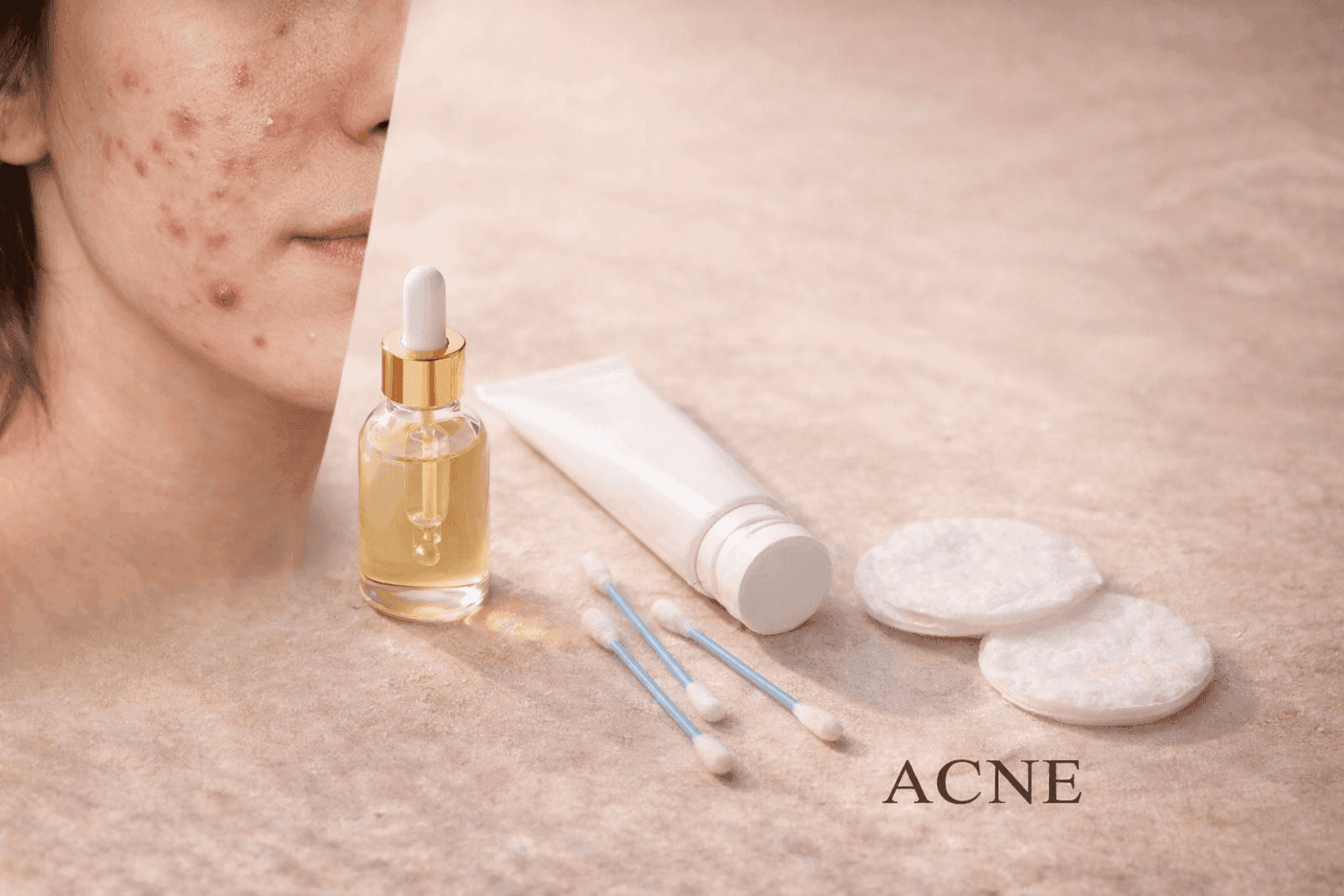
Fungal acne and folliculitis both cause small, itchy bumps that resemble acne, but they have different causes. Fungal acne is a specific type of folliculitis triggered by yeast overgrowth, while folliculitis is a broader term for inflamed hair follicles caused by bacteria, fungi, or irritation. Understanding the difference helps you address the right trigger.
Key Takeaways:
- Fungal acne is caused by Malassezia yeast overgrowth in hair follicles
- Folliculitis is inflammation of hair follicles from various causes including bacteria, fungi, or physical irritation
- Fungal acne appears as uniform, itchy bumps often on the forehead, chest, and back
- Bacterial folliculitis typically shows more variation in size and may have pus-filled centers
- Treatment approaches differ based on the underlying cause
- Proper diagnosis helps prevent worsening from wrong treatments
What Is Folliculitis?
Folliculitis is inflammation of the hair follicles, the tiny pockets in your skin where hair grows. When these follicles become irritated or infected, they develop small red or white bumps that can feel tender or itchy. The inflammation happens when something blocks the follicle opening or when microorganisms multiply inside it.
Your hair follicles are vulnerable points in the skin barrier. Each follicle connects to a sebaceous gland that produces oil. When sweat, dead skin cells, or thick skincare products accumulate around the follicle opening, they create an environment where bacteria or yeast can thrive. The immune system responds to this overgrowth with inflammation, producing the bumps you see on the surface.
Folliculitis can appear anywhere you have hair, but it commonly affects areas with more friction, moisture, or oil production. The chest, back, shoulders, thighs, and buttocks are frequent sites because these areas trap sweat and experience rubbing from clothing.
What Is Fungal Acne?
Fungal acne, technically called Malassezia folliculitis or Pityrosporum folliculitis, is a specific type of folliculitis caused by yeast overgrowth. The Malassezia yeast naturally lives on everyone's skin as part of the skin microbiome. Under normal conditions, this yeast feeds on the oils your skin produces without causing problems.
However, when conditions favor yeast multiplication, Malassezia populations explode inside the hair follicles. This overgrowth triggers an inflammatory response that creates clusters of small, uniform bumps. Unlike regular acne caused by bacteria and clogged pores, fungal acne results from an imbalanced microbiome where yeast outcompetes other microorganisms.
The bumps in fungal acne are remarkably consistent in size, usually appearing as small papules or pustules that are intensely itchy. They often emerge in groups on oil-rich areas like the forehead, temples, chest, shoulders, and upper back. The itchiness distinguishes fungal acne from bacterial acne, which typically is not itchy unless severely inflamed.
Are They the Same Thing?
No, fungal acne and folliculitis are not the same, but fungal acne is one type of folliculitis. Think of folliculitis as an umbrella term describing inflammation of hair follicles from any cause. Fungal acne sits under that umbrella as a specific subtype caused exclusively by Malassezia yeast.
The confusion arises because both conditions produce similar-looking bumps. However, the underlying mechanisms differ significantly, which is why treatments that work for bacterial folliculitis often make fungal acne worse.
Different Types of Folliculitis
Understanding the various forms of folliculitis helps clarify where fungal acne fits in the spectrum.
Bacterial Folliculitis
This is the most common type, usually caused by Staphylococcus aureus bacteria. It develops when bacteria enter damaged follicles through small breaks in the skin barrier. Shaving, waxing, or friction from tight clothing creates micro-tears that allow bacteria inside. The bumps may have white or yellow pus-filled centers and vary in size. Hot tub folliculitis, caused by Pseudomonas bacteria in inadequately chlorinated water, falls into this category.
Fungal Folliculitis (Fungal Acne)
Caused specifically by Malassezia yeast overgrowth, this type thrives in warm, humid conditions with excess oil production. The bumps are uniform, itchy, and clustered. They resist typical acne treatments because antiacne products do not address yeast overgrowth and may even feed the yeast by altering the skin's oil composition.
Mechanical or Irritant Folliculitis
This occurs from physical irritation rather than infection. Tight clothing, backpack straps, helmets, or repetitive friction inflames follicles without microbial involvement. The inflammation is a direct response to mechanical stress and barrier disruption.
Eosinophilic Folliculitis
This rare form primarily affects people with compromised immune systems. It involves eosinophils, a type of white blood cell, accumulating around follicles. The exact cause remains unclear, but it is not infectious.
Key Differences Between Fungal Acne and Bacterial Folliculitis
| Feature | Fungal Acne | Bacterial Folliculitis |
|---|---|---|
| Cause | Malassezia yeast overgrowth | Usually Staphylococcus bacteria |
| Appearance | Uniform small bumps, similar size | Varied sizes, may have white/yellow centers |
| Location | Forehead, chest, shoulders, upper back | Any hair-bearing area, legs, face, scalp |
| Itchiness | Very itchy | Mildly itchy or tender |
| Response to acne products | Often worsens | May improve with antibacterial ingredients |
| Triggers | Humidity, oil, antibiotics, occlusive products | Shaving, friction, hot tubs, tight clothing |
Why Fungal Acne Develops
Several conditions shift the skin environment in ways that favor Malassezia yeast proliferation.
Increased sebum production provides more food for yeast. Hormonal fluctuations, stress-induced cortisol elevation, and naturally oily skin create ideal feeding conditions. When sebaceous glands become more active, yeast populations can multiply rapidly.
Antibiotic use disrupts the skin microbiome balance. Oral or topical antibiotics kill bacteria but leave yeast unaffected. With bacterial competitors eliminated, yeast populations expand unchecked. This is why some people develop fungal acne after taking antibiotics for regular acne.
Hot, humid climates create the warmth and moisture yeast prefer. Sweating without showering promptly keeps the skin surface damp and warm, allowing yeast to thrive in follicle openings. Occlusive clothing that traps heat and moisture against the skin compounds this effect.
Heavy, oil-based skincare products and cosmetics can suffocate follicles while feeding yeast. Ingredients like oils, butters, and fatty acids provide nutrients for Malassezia. When these products sit on the skin under makeup or sunscreen layers, they create an oxygen-poor, nutrient-rich environment perfect for yeast overgrowth.
Compromised immune function from stress, lack of sleep, or illness reduces the body's ability to keep yeast populations in check. The immune system normally monitors microbial balance on the skin, but when weakened, it cannot control opportunistic yeast expansion.
Why Bacterial Folliculitis Develops
Bacterial folliculitis stems from different triggers that damage the follicle barrier or introduce bacteria.
Hair removal through shaving, waxing, or plucking creates microscopic wounds where follicles exit the skin. These small injuries allow bacteria from the skin surface to enter follicles. Dull razors increase trauma and bacterial entry risk.
Friction from athletic equipment, tight clothing, or repetitive rubbing damages the protective layer around follicle openings. Backpacks, sports pads, helmets, and synthetic fabrics create constant pressure that weakens the barrier and inflames tissue.
Contaminated water exposure introduces bacteria directly to vulnerable skin. Hot tubs, swimming pools, and whirlpools with inadequate disinfection harbor Pseudomonas and other bacteria. Soaking in this water allows bacteria to penetrate follicles, especially if the skin barrier is already compromised from prolonged water exposure.
Occlusive products and prolonged sweating trap moisture and bacteria against the skin. When sweat and bacteria cannot evaporate, the follicle environment becomes hospitable for bacterial multiplication. This is common after intense exercise when people do not shower promptly.
How to Tell Them Apart
Close observation of your bumps provides clues about the underlying cause.
Examine the bump distribution and uniformity. Fungal acne typically appears in clusters of similar-sized bumps concentrated on the upper trunk and forehead. Bacterial folliculitis shows more random distribution with varying bump sizes across different body areas.
Assess the itchiness intensity. Fungal acne is notably itchy, often worsening in heat or after sweating. Bacterial folliculitis may be tender or slightly itchy but rarely produces the persistent itch characteristic of yeast overgrowth.
Review your recent history. Starting antibiotics, traveling to humid climates, or introducing new oily skincare products often precedes fungal acne development. Bacterial folliculitis commonly follows shaving, hot tub use, or wearing occlusive athletic gear.
Notice how your skin responds to acne treatments. If benzoyl peroxide or salicylic acid makes your bumps worse or causes no improvement after several weeks, fungal acne is more likely. These ingredients can disrupt the microbiome further without addressing yeast.
What Makes Each Condition Worse
Certain behaviors and products aggravate specific types of folliculitis.
For fungal acne, oil-based products feed the yeast. Coconut oil, olive oil, and heavy moisturizers containing fatty acids provide nutrients that encourage Malassezia growth. Occlusive ingredients like petroleum jelly and silicones trap moisture and create an oxygen-poor environment yeast prefer.
Using antibacterial acne treatments for fungal acne eliminates beneficial bacteria while leaving yeast populations untouched. This worsens the imbalance and intensifies the outbreak.
For bacterial folliculitis, continuing to shave or wax inflamed areas reintroduces bacteria and creates new entry points. Using the same contaminated razor spreads bacteria to new follicles.
Not showering after sweating allows bacteria to multiply in the warm, moist environment. Athletic clothing that stays damp against the skin extends this bacterial breeding time.
Applying thick lotions or creams over inflamed follicles traps bacteria inside and prevents the skin from breathing. This creates an ideal environment for bacterial proliferation.
Early Signs to Watch For
Recognizing folliculitis early allows you to adjust habits before it worsens.
Fungal acne often begins as small flesh-colored or slightly red bumps that itch more than they should for their size. They appear suddenly, sometimes within days of a triggering event like antibiotic use or moving to a humid climate. The bumps cluster together and multiply quickly.
Bacterial folliculitis usually starts as individual red bumps around hair follicles, often in areas recently shaved or exposed to friction. The bumps may become tender and develop white or yellow centers as bacteria multiply. They appear more gradually than fungal acne.
Both types can cause discomfort, but the nature differs. Fungal acne produces an irritating itch that worsens with heat. Bacterial folliculitis creates tenderness or pain when touched, especially if pustules form.
General Supportive Measures
While specific treatments differ, some practices support skin health regardless of folliculitis type.
Showering promptly after sweating prevents both bacterial and yeast overgrowth. When sweat sits on skin, it creates moisture and warmth that favor microbial multiplication. Rinsing within 30 minutes of exercise removes this breeding ground.
Wearing breathable, natural-fiber clothing allows air circulation that keeps follicles dry. Cotton and moisture-wicking fabrics pull sweat away from skin instead of trapping it like synthetic materials. Loose-fitting clothes reduce friction that damages follicle openings.
Avoiding heavy, occlusive skincare products keeps follicles from becoming suffocated and nutrient-rich. Lightweight, non-comedogenic moisturizers maintain hydration without feeding microorganisms or blocking oxygen.
Maintaining skin barrier integrity through gentle cleansing preserves the protective layer that keeps microbes balanced. Over-washing strips lipids that regulate moisture and microbial populations, creating conditions for overgrowth.
Managing stress and prioritizing sleep supports immune function that naturally controls microbial balance. When cortisol levels stay elevated from chronic stress or sleep deprivation, immune surveillance weakens and cannot effectively regulate skin microbiome populations.
When Professional Guidance Matters
Some situations require professional evaluation because self-treatment risks worsening the condition.
If bumps persist despite adjusting skincare and lifestyle habits for several weeks, the underlying trigger may not be what you assume. Continuing wrong treatments delays improvement and can intensify inflammation.
When bumps spread rapidly or cover large areas, the inflammatory response may be severe enough to require prescription intervention. Extensive involvement also increases the risk of scarring or post-inflammatory hyperpigmentation.
If you experience pain, warmth, or swelling beyond the bumps themselves, deeper infection may have developed. Bacterial folliculitis can occasionally progress to furuncles or carbuncles that involve surrounding tissue.
When you have recurring episodes despite preventive measures, an underlying factor like hormonal imbalance, immune dysfunction, or chronic microbiome disruption may be driving the pattern. Identifying this requires professional assessment.
If you develop fever, feel generally unwell, or notice red streaks extending from the affected area, systemic infection may be present. This requires immediate medical attention.
Understanding Internal Triggers: Clear Ritual's Perspective
Most skin concerns including folliculitis involve multiple interacting factors - hormones regulating oil production, immune responses controlling inflammation, barrier function protecting against irritants, and microbiome balance determining which organisms dominate. Topical treatments and habit changes can manage symptoms and reduce flares, but they may not identify or address the specific combination of internal and external triggers driving your particular pattern.
Understanding your individual triggers allows for more targeted, sustainable approaches rather than trial-and-error with generic solutions. At Clear Ritual, we combine the best of three worlds - Ayurveda, modern dermatology, and advanced skin science - to understand individual triggers through a structured skin test. This assessment approach helps identify patterns in how your skin responds to various internal and external factors.
Recognizing the underlying contributors rather than just managing surface symptoms creates a foundation for long-term skin stability and resilience.
Frequently Asked Questions
Can fungal acne turn into bacterial folliculitis?
Fungal acne itself does not transform into bacterial folliculitis because they have different causes, but you can develop both simultaneously. When fungal acne damages the skin barrier through inflammation and scratching, bacteria can enter the compromised follicles and cause a secondary bacterial infection. This creates a mixed picture requiring attention to both yeast and bacteria.
Will anti-dandruff shampoo help fungal acne?
Anti-dandruff shampoos containing zinc pyrithione, ketoconazole, or selenium sulfide can help fungal acne because these ingredients target Malassezia yeast, the same organism causing dandruff. Using these as body washes on affected areas may reduce yeast populations. However, they can be drying, so monitor your skin barrier and adjust frequency if irritation develops.
How long does it take for folliculitis to clear?
Mild folliculitis often improves within several days to two weeks once triggering factors are removed and proper care begins. Fungal acne may take longer, typically three to six weeks, because yeast populations need time to rebalance. Severe or recurring cases may require several months of consistent management to fully resolve.
Can diet affect fungal acne or folliculitis?
Diet influences skin health through multiple pathways. High-sugar and high-glycemic foods increase insulin and insulin-like growth factor, which stimulate sebum production that feeds Malassezia yeast. Some people find dairy triggers inflammation that worsens various skin conditions. While dietary changes alone rarely resolve folliculitis, they can support other interventions by reducing internal triggers for oil production and inflammation.
Is folliculitis contagious?
Bacterial folliculitis is not typically contagious through casual contact, but you can spread bacteria to other areas of your own body through contaminated razors, towels, or hands. Hot tub folliculitis spreads through contaminated water rather than person-to-person contact. Fungal acne is not contagious because Malassezia yeast already exists on everyone's skin naturally.
Why does my folliculitis keep coming back?
Recurring folliculitis suggests an ongoing trigger that has not been identified or addressed. This could be continued use of occlusive products, repetitive friction from clothing or equipment, hormonal patterns affecting oil production, immune factors preventing proper microbial control, or habits like frequent shaving. Identifying and modifying the persistent trigger is necessary to break the cycle.
Can I use salicylic acid on fungal acne?
Salicylic acid does not directly treat fungal acne because it targets bacteria and exfoliates pores rather than addressing yeast. However, it may provide mild benefit by removing dead skin cells that contribute to follicle clogging. Some people find it makes fungal acne worse by disrupting the skin barrier and altering the environment in ways that favor yeast growth. Testing on a small area first helps determine your skin's response.
Does sweating cause folliculitis?
Sweating itself does not cause folliculitis, but the warm, moist environment sweat creates favors both bacterial and yeast multiplication. When sweat sits on skin without being rinsed away, it provides the conditions microorganisms need to overgrow inside follicles. Prompt showering after sweating and wearing breathable clothing minimizes this risk while allowing the beneficial aspects of exercise and healthy sweating.
Editorial Standards
Clear Ritual has Strict sourcing guidelines to ensure our content is accurate and current. We rely on peer-reviewed studies, academic research institutions, and medical associations. We strive to use primary sources and refrain from using tertiary references. See a mistake? Learn More about our Editorial Standards.



