




Mild Comedonal Acne
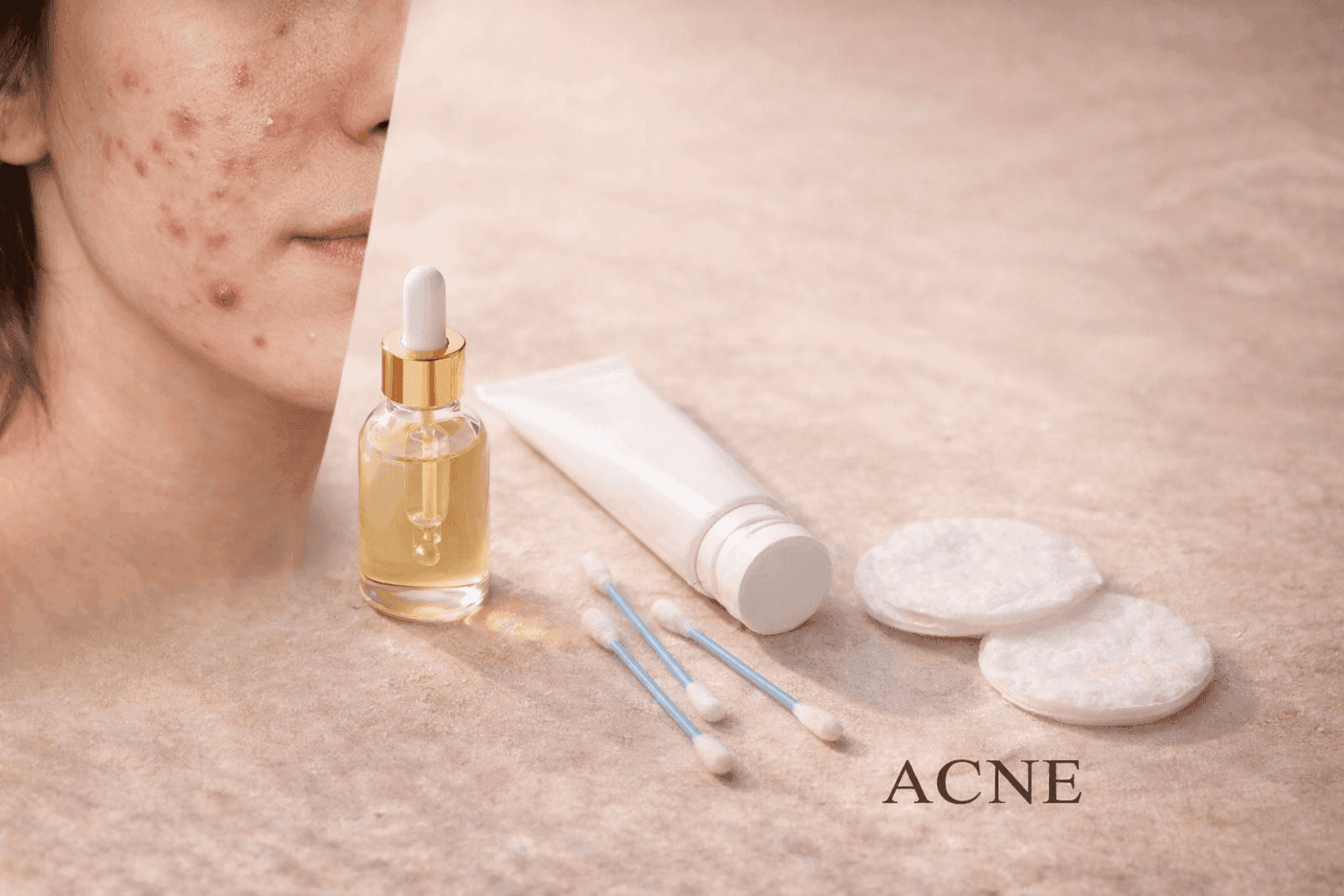
Mild comedonal acne appears as small, flesh-colored or white bumps across the forehead, chin, and cheeks. These comedones form when dead skin cells and sebum accumulate inside pores, creating blockages that don't involve inflammation. Unlike inflamed acne, comedonal acne rarely causes redness or pain but creates a rough, uneven skin texture that persists despite regular cleansing.
Key Takeaways:
- Comedones are non-inflamed blocked pores filled with sebum and dead skin cells
- They develop when skin cell turnover slows and pore walls become sticky
- Mild comedonal acne responds well to consistent, gentle exfoliation and barrier support
- Over-cleansing and harsh products often worsen the condition by triggering more oil production
- Most cases improve with topical care, but persistent comedones may need professional evaluation
What Mild Comedonal Acne Actually Is
Comedonal acne represents the earliest stage of acne formation. When you run your fingers across affected areas, you feel tiny bumps rather than seeing red, angry spots. These comedones come in two forms: closed comedones, which appear as small white or skin-colored bumps under the surface, and open comedones, which oxidize at the surface and appear as blackheads.
The "mild" classification means the comedones are scattered rather than densely packed, typically numbering fewer than twenty across the affected areas. They don't cause scarring or deep inflammation, but they create a persistent texture issue that bothers many people more than occasional inflammatory breakouts.
The Biology Behind Blocked Pores
Understanding what happens inside your skin helps explain why comedones form and persist. Your pores are openings for hair follicles that contain sebaceous glands. These glands produce sebum, an oily substance that normally travels up the follicle and spreads across your skin surface, providing protection and moisture.
Comedones develop when this process goes wrong. The cells lining your pore walls normally shed in an organized way, mixing with sebum and exiting the pore. In comedonal acne, these cells become sticky and clump together. Instead of shedding cleanly, they accumulate inside the follicle, mixing with sebum to create a plug.
This plug stretches the pore walls, creating the visible bump you see and feel. When the pore opening stays closed, you have a whitehead. When it opens and the contents oxidize from air exposure, the plug turns dark, creating a blackhead. The darkness isn't dirt - it's melanin and oxidized lipids.
Why Your Pores Are Blocking
Several interconnected factors contribute to comedone formation. Genetics plays a significant role in determining how quickly your skin cells shed and how sticky your pore walls become. If your parents dealt with comedonal acne, you're more likely to experience it.
Hormones influence sebum production and skin cell turnover. During puberty, menstrual cycles, or hormonal transitions, androgens increase sebum output. More sebum means more material available to create plugs. Simultaneously, hormones affect how quickly skin cells proliferate and shed, sometimes causing them to accumulate faster than they can exit the pore.
Your skin barrier condition directly impacts comedone formation. When the outer barrier becomes compromised through over-washing or harsh products, your skin responds by increasing cell production to repair itself. This accelerated turnover can overwhelm the pore's ability to clear dead cells efficiently. Additionally, barrier damage triggers compensatory oil production, adding more sebum to the equation.
Environmental factors compound these internal processes. Cosmetic products containing heavy oils or waxes can sit on the skin surface, partially blocking pores from the outside. High humidity increases skin hydration, which sounds positive but can cause cells to swell and narrow pore openings. Pollution particles land on skin and mix with sebum, contributing to pore congestion.
Daily Habits That Worsen Comedonal Acne
Certain behaviors inadvertently promote comedone formation. Aggressive cleansing strips the skin barrier, triggering both increased cell production and reactive sebum output. Many people with comedonal acne fall into a cycle of over-cleansing because they feel their skin is "dirty" or too oily, not realizing this approach makes the underlying problem worse.
Touching your face transfers oils and bacteria from your hands while applying pressure that can deepen existing comedones or spread their contents into surrounding tissue. Resting your chin on your hand during work, adjusting glasses frequently, or holding your phone against your cheek all contribute to mechanical pressure and occlusion.
Sleeping on dirty pillowcases means your face spends eight hours against fabric containing old skin cells, sebum, hair products, and environmental debris. This mixture can migrate into pores, especially when combined with the pressure of your face against the pillow.
Heavy moisturizers or oils applied with good intentions can backfire. While hydration supports healthy skin turnover, overly occlusive products trap material inside pores rather than allowing natural clearance. The skin doesn't need to be "moisturized" in the conventional sense as much as it needs support for proper barrier function and cell turnover.
The Skin Barrier Connection
Your skin barrier and comedone formation share a bidirectional relationship. A healthy barrier maintains organized cell turnover and appropriate sebum production. When the barrier becomes compromised, the entire system destabilizes.
Barrier disruption occurs through various mechanisms. Harsh surfactants in cleansers strip away the lipid layer between skin cells, increasing water loss and triggering compensatory responses. Physical exfoliation with abrasive scrubs creates micro-tears that disrupt barrier integrity. Even some chemical exfoliants, when used too frequently or at too high concentrations, can damage the barrier they're meant to improve.
Environmental stressors compound these effects. Dry air pulls moisture from the skin, forcing cells to produce more lipids. UV exposure generates free radicals that damage cell membranes and lipid structures. Air conditioning and heating systems create humidity fluctuations that stress the barrier's ability to maintain stable hydration.
When your barrier struggles, your skin increases cell production to repair damage. These extra cells must move through and exit pores that may already be partially congested, creating a traffic jam that manifests as new comedones or worsening existing ones.
Inflammation's Subtle Role
Although comedones themselves aren't inflamed, low-grade inflammation often underlies their formation. This silent inflammation doesn't create visible redness but affects how your skin cells behave.
Chronic low-level inflammation can come from various sources. Dietary patterns high in refined sugars and processed foods trigger insulin spikes that promote inflammation and increase sebum production. Poor sleep quality elevates cortisol, which promotes inflammatory signaling. Chronic stress maintains elevated cortisol and other stress hormones that influence skin cell behavior.
Even the microbiome plays a role. The community of bacteria, fungi, and other microorganisms living on your skin influences inflammation levels. An imbalanced microbiome can trigger immune responses that alter skin cell turnover and sebum composition, making comedone formation more likely.
This inflammation doesn't need to be severe enough to create red, painful acne. It simply needs to be present enough to disrupt the normal, organized process of skin cell turnover and sebum flow.
What Helps Mild Comedonal Acne
Addressing comedonal acne requires supporting your skin's natural clearing process rather than attacking it. Gentle, consistent approaches outperform aggressive interventions.
Chemical exfoliants that encourage cell turnover help prevent the accumulation that creates comedones. Beta-hydroxy acids like salicylic acid work inside pores, dissolving the bonds between dead cells and helping clear blockages. Alpha-hydroxy acids like glycolic acid work on the surface, promoting overall cell turnover. Starting with low concentrations and gradually increasing frequency allows your skin to adapt without barrier damage.
Supporting barrier function creates the foundation for clear pores. Ingredients like ceramides, fatty acids, and cholesterol mimic the skin's natural lipid structure, helping maintain the barrier while allowing proper cell turnover. Niacinamide supports barrier function while also regulating sebum production and reducing inflammation.
Gentle cleansing removes excess sebum and environmental debris without stripping the barrier. The goal is cleaning, not sterilizing. Your skin needs its natural lipid layer and a balanced microbiome.
Non-comedogenic moisturizers provide necessary hydration without occluding pores. Despite concerns about adding moisture to already oily skin, appropriate hydration actually helps normalize sebum production by signaling that the barrier is intact.
When Professional Guidance Becomes Important
Most mild comedonal acne responds to consistent topical care within six to twelve weeks. However, certain situations warrant professional evaluation.
If comedones persist despite three months of appropriate skincare, underlying factors may need investigation. Hormonal imbalances, particularly excess androgens, can drive comedone formation that topical care alone cannot resolve. A dermatologist or healthcare provider can evaluate hormonal status and discuss options.
When comedones begin inflaming regularly, transforming from non-inflamed bumps into red, painful spots, the condition is progressing beyond mild comedonal acne. This progression suggests bacteria are proliferating inside blocked pores or inflammation is escalating.
If comedones appear suddenly in large numbers or in unusual patterns, particularly in adults who didn't previously experience acne, this may indicate hormonal changes, medication effects, or other health concerns worth investigating.
Persistent comedones in specific areas, particularly around the jawline and chin in adult women, often indicate hormonal drivers that benefit from medical management beyond topical skincare.
Building a Long-Term Approach
Managing comedonal acne effectively requires consistency over intensity. Your skin needs time to establish new patterns of cell turnover and sebum flow.
The first month focuses on establishing gentle cleansing and appropriate hydration without causing barrier damage. This foundation must be solid before adding exfoliating treatments. Rushing this step by immediately applying strong exfoliants often triggers irritation and worsens the condition.
The second and third months involve gradually introducing chemical exfoliants while monitoring skin response. Starting with application every three days allows assessment of tolerance before increasing frequency. Your skin should never feel tight, raw, or excessively dry.
Ongoing maintenance requires adjusting your approach as seasons change, stress levels fluctuate, and hormonal patterns shift. What works perfectly in winter may need modification during humid summer months. Hormonal fluctuations during menstrual cycles may require temporary adjustments.
Progress isn't always linear. You may experience improvement followed by temporary setbacks as your skin establishes new equilibrium. This doesn't mean your approach has failed - it reflects the complex, dynamic nature of skin behavior.
Understanding Internal Triggers: Clear Ritual's Perspective
Mild comedonal acne develops from multiple interacting factors including hormones, sebum composition, skin cell turnover rates, barrier function, inflammation levels, stress responses, sleep quality, dietary patterns, and genetic predisposition. While topical skincare addresses surface-level concerns and supports healthier skin behavior, it cannot always identify or modify the underlying triggers driving comedone formation. Individual patterns vary significantly - what triggers comedones in one person may not affect another. Clear Ritual combines Ayurveda, modern dermatology, and advanced skin science to understand individual triggers through a structured skin assessment. Identifying your specific trigger patterns allows for more targeted, effective approaches rather than generic recommendations. Understanding these connections helps achieve stable, long-term skin clarity rather than temporary improvements that fade when external support stops.
Frequently Asked Questions
Can comedonal acne go away on its own?
Mild comedonal acne sometimes resolves spontaneously, particularly when triggered by temporary hormonal changes during adolescence. However, most cases persist without intervention because the underlying factors - excessive cell adhesion, sebum composition, and barrier function - don't naturally correct themselves. Consistent appropriate skincare significantly improves outcomes compared to waiting for spontaneous resolution.
How is comedonal acne different from regular acne?
Comedonal acne consists of non-inflamed blocked pores without bacterial infection or immune response. Regular inflammatory acne involves bacteria proliferating inside blocked pores, triggering immune responses that create red, painful bumps. Comedonal acne appears as flesh-colored or white bumps with rough texture, while inflammatory acne shows redness, swelling, and often contains pus. Treatment approaches differ significantly between the two types.
Why do I only get comedones in certain areas?
Specific areas have different pore densities, sebaceous gland sizes, and hormonal receptor distributions. The forehead, nose, and chin typically have larger sebaceous glands and more pores, making them prone to comedones. Habits like resting your chin on your hand or phone pressure against your cheek add localized occlusion and pressure. Product application patterns can also concentrate comedogenic ingredients in specific zones.
Can diet really affect comedonal acne?
Dietary patterns influence comedone formation through several mechanisms. High glycemic foods spike insulin, which increases sebum production and promotes skin cell proliferation. Dairy products may contain hormones that influence your own hormonal signaling. However, dietary impact varies significantly between individuals. Some people notice clear connections while others see no relationship. Food isn't typically the sole cause but can be a contributing factor worth exploring.
Is it okay to extract comedones at home?
Manual extraction risks pushing contents deeper into the skin, damaging pore walls, introducing bacteria, and creating inflammation or scarring. Professional extraction by trained aestheticians or dermatologists uses proper technique, sterilization, and tools to minimize damage. If you choose to extract at home despite risks, only attempt very superficial comedones after steaming, using clean tools, and applying gentle pressure. Stop immediately if the comedone doesn't release easily.
Why do comedones keep coming back in the same spots?
Pores that repeatedly develop comedones may have structural characteristics that promote blockage - slightly narrower openings, more active sebaceous glands, or areas where skin cells shed less efficiently. Scar tissue from previous inflammation can alter pore structure. Habitual behaviors like touching certain areas or product application patterns can repeatedly trigger the same locations. Addressing underlying factors rather than just removing individual comedones helps break this cycle.
How long does it take to see improvement?
The skin cell turnover cycle takes approximately 28 days, meaning you need at least one full cycle before assessing product effectiveness. Most people notice initial improvements within four to six weeks, with continued progress over three to four months. Consistency matters more than product strength. Gentle approaches maintained daily outperform aggressive treatments applied sporadically. If you see no improvement after twelve weeks of consistent appropriate care, professional evaluation helps identify potential underlying factors.
Can stress cause comedonal acne?
Stress elevates cortisol and other hormones that increase sebum production and alter skin cell behavior. Chronic stress also disrupts sleep quality, affects dietary choices, and may increase face-touching behaviors. Additionally, stress influences inflammation levels throughout the body, including skin. While stress alone rarely causes comedonal acne, it significantly worsens existing tendencies by amplifying the biological factors that promote comedone formation.
Editorial Standards
Clear Ritual has Strict sourcing guidelines to ensure our content is accurate and current. We rely on peer-reviewed studies, academic research institutions, and medical associations. We strive to use primary sources and refrain from using tertiary references. See a mistake? Learn More about our Editorial Standards.



