




Goodbye Dark Spots: The Power of Yashtimadhu in Treating Post-Acne Pigmentation
The Pigmentation Problem: Why Do Acne Marks Linger?
You’ve probably noticed this: a pimple heals, but the dark spot sticks around for weeks—or even months.
This condition is known as Post-Inflammatory Hyperpigmentation (PIH) and occurs when:
-
Inflammation triggers melanin overproduction
-
Skin doesn’t heal evenly
-
Sun exposure worsens the pigment deposit
-
Repeated breakouts layer new pigmentation on top
Common signs of PIH:
-
Brown or purple marks where acne once was
-
Flat spots (not raised)
-
More common in medium to dark Indian skin tones
-
Can cluster around cheeks, jawline, and forehead
In Ayurveda, this is often linked to Pitta imbalance, where excessive internal heat and poor wound healing prevent uniform skin regeneration.
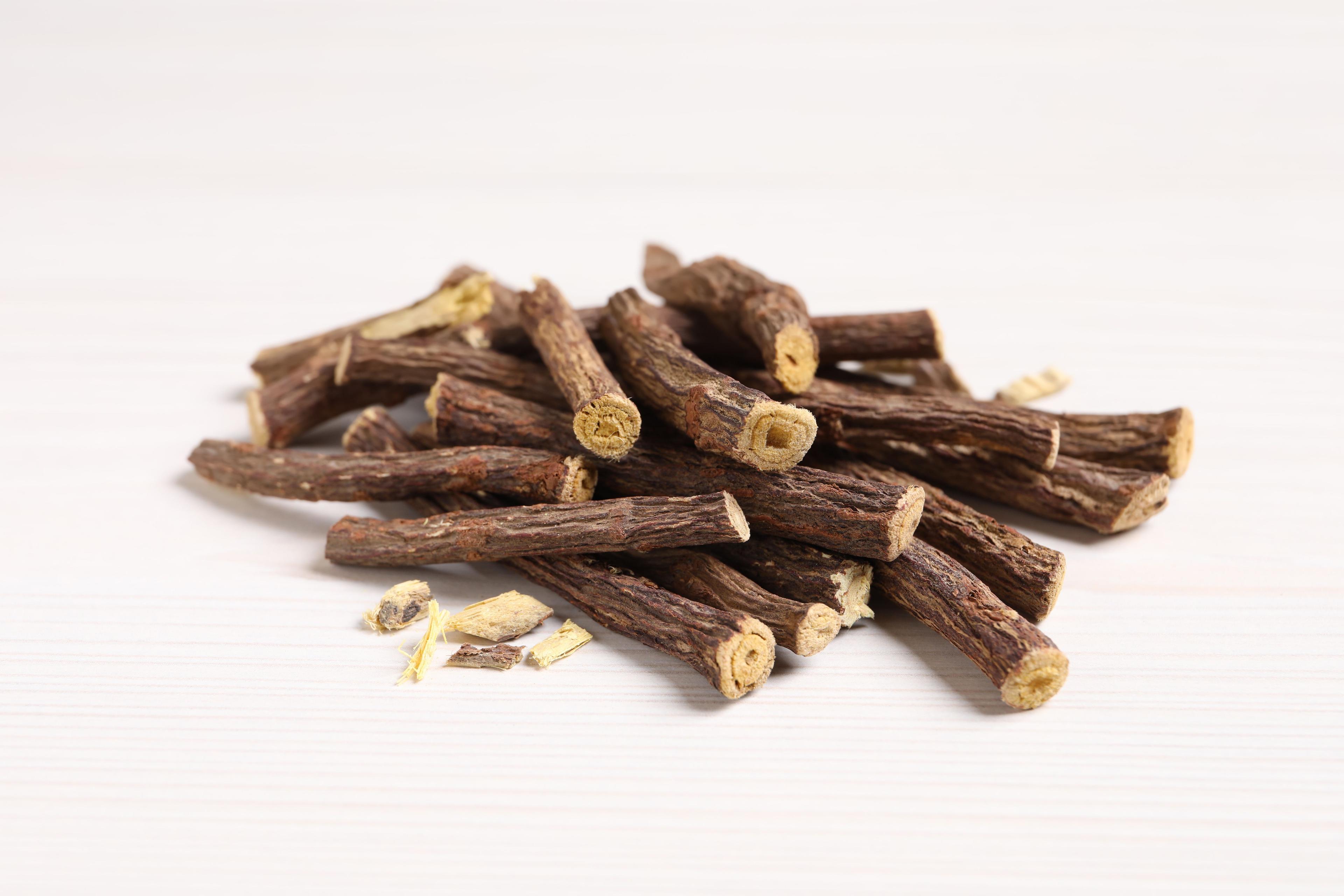
Meet Yashtimadhu: Ayurveda’s Skin-Calming Superstar
Yashtimadhu (Glycyrrhiza glabra) is a classical Ayurvedic herb known for its:
-
Cooling nature
-
Skin lightening properties
-
Anti-inflammatory and healing support
It's used in everything from sore throat treatments to gut restoration — but its benefits for post-acne pigmentation make it especially powerful in skin protocols.
Ayurvedic Profile of Yashtimadhu:
| Property | Ayurvedic Effect |
|---|---|
| Madhura rasa (sweet) | Nourishing and tissue-building |
| Shita virya (cooling) | Calms excess Pitta |
| Tridosha balancing | Safe for all skin types |
| Rasayana (rejuvenator) | Promotes even skin healing |
How Yashtimadhu Targets Pigmentation
Let’s break down the key actions that make Yashtimadhu ideal for post-acne care:
1. Reduces Melanin Activity
Licorice root contains glabridin, a flavonoid that:
-
Inhibits tyrosinase, an enzyme involved in melanin production
-
Helps fade dark spots naturally
-
Does not bleach the skin — instead, it normalizes pigmentation
2. Cools Down Inflammation
Acne triggers redness, swelling, and long-term skin trauma. Yashtimadhu:
-
Soothes heat and redness
-
Prevents prolonged healing times
-
Minimizes the chances of PIH forming in the first place
3. Supports Faster Skin Recovery
Thanks to its Ropan (wound healing) property, it:
-
Speeds up cell turnover
-
Repairs damaged skin tissue
-
Prevents scarring and texture issues
What Science Says About Licorice Root for Skin
| Study/Journal | Finding |
|---|---|
| Phytotherapy Research (2003) | Glabridin inhibits pigmentation without harming skin cells |
| Journal of Dermatological Science | Licorice extract reduces erythema (redness) and melanin synthesis |
| Indian Journal of Dermatology | Recognized as a safe depigmenting agent for Indian skin types |
How Clear Ritual Uses Yashtimadhu
In Clear Ritual’s internal protocols, Yashtimadhu is layered into both oral and topical regimens — especially for those with:
-
Acne that leaves behind brown or purplish marks
-
Skin that heals slowly or darkens after every breakout
-
High Pitta-prone profiles (sensitive to heat, sun, and stress)
| Form Used | Paired With | Purpose |
|---|---|---|
| Capsules (internal) | Amla, Guduchi, Manjistha | Cool blood + support healing |
| Topical decoctions | Aloe vera, turmeric, vetiver | Calm skin + reduce pigmentation naturally |
These combinations are designed to work synergistically, so the pigmentation doesn’t just fade — it stays gone.
Results You Can Expect Over Time
| Timeframe | Changes Seen |
|---|---|
| Week 1–2 | Skin starts feeling calmer, less post-acne redness |
| Week 3–5 | Pigmentation begins to fade; fewer new marks form |
| Week 6–8 | Skin tone appears more even, fewer flare-ups overall |
| Month 3+ | Spots drastically reduce in depth and darkness |
Note: Yashtimadhu doesn’t act like a chemical peel. Its effects are subtle, layered, and long-lasting.
Who Should Avoid or Be Cautious?
While generally safe, avoid high doses of licorice root if:
-
You’re pregnant
-
You have high blood pressure
-
You’re on steroids or diuretics
-
You have kidney disease
All Clear Ritual internal plans maintain controlled and safe doses of Yashtimadhu, adjusted for age, lifestyle, and hormonal conditions.
Pro Tip: How to Boost Results
-
Always pair internal treatment with sun protection — UV exposure can undo progress
-
Avoid aggressive exfoliation when healing pigmentation
-
Stay consistent — pigmentation fades slowly, not suddenly
Final Word
Yashtimadhu isn’t a flashy trending ingredient. It’s a time-tested, clinically backed herb that works gently but powerfully on skin recovering from acne.
If you’re tired of seeing old acne marks in the mirror long after breakouts disappear — Yashtimadhu might be your herb.
Clear Ritual doesn’t just add it for namesake — we use it as a pillar of our pigmentation healing protocols.
1. Why do dark spots remain after acne heals?
Post-acne pigmentation (PIH) occurs when inflammation triggers excess melanin production and uneven healing, especially in medium to deeper skin tones.
2. How does Yashtimadhu help fade acne marks?
Yashtimadhu contains glabridin, which inhibits melanin production, cools inflammation, and supports faster, more even skin recovery without bleaching.
3. Is Yashtimadhu safe for Indian and sensitive skin types?
Yes. Yashtimadhu is cooling, tridosha-balancing, and well suited for Indian skin tones that are prone to pigmentation after acne.
4. How long does Yashtimadhu take to show results for pigmentation?
Initial calming and reduced redness may appear in 1–2 weeks, visible fading by 3–5 weeks, and more even skin tone with consistent use over 6–8 weeks.
5. Who should avoid using Yashtimadhu internally?
People who are pregnant, have high blood pressure, kidney issues, or are on steroids or diuretics should consult a practitioner before internal use.
Editorial Standards
Clear Ritual has Strict sourcing guidelines to ensure our content is accurate and current. We rely on peer-reviewed studies, academic research institutions, and medical associations. We strive to use primary sources and refrain from using tertiary references. See a mistake? Learn More about our Editorial Standards.



