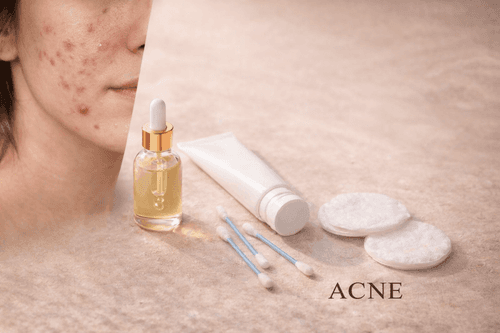
Skincare Ingredients Suitable for Acne Prone Skin
Acne prone skin benefits most from ingredients that regulate oil production, prevent pore blockages, reduce inflammation, and support the skin barrier without triggering breakouts. Salicylic acid, niacinamide, azelaic acid, and zinc are among the most effective options because they address multiple acne mechanisms while maintaining skin balance and minimizing irritation.
Key Takeaways:
- Salicylic acid penetrates pores to dissolve oil and dead skin buildup
- Niacinamide regulates sebum and calms inflammation without drying skin
- Azelaic acid reduces bacteria, unclogs pores, and fades post-acne marks
- Zinc controls oil production and has antimicrobial properties
- Hyaluronic acid hydrates without adding oil or clogging pores
- Avoid heavy oils, comedogenic silicones, and high concentrations of alcohol
What Makes Skin Acne Prone
Acne prone skin typically produces excess sebum, experiences faster buildup of dead skin cells, and has an inflammatory response that leads to blocked pores and bacterial overgrowth. The sebaceous glands respond to hormonal signals, stress, lack of sleep, and dietary factors by producing more oil than the skin can manage efficiently.
When dead skin cells mix with this excess oil inside the follicle, they create a plug. This environment becomes ideal for Cutibacterium acnes bacteria to multiply, triggering an immune response that causes redness, swelling, and pus formation. Understanding this cycle helps explain why certain ingredients work better than others.
The skin barrier in acne prone types often shows signs of dysfunction, even though the surface may look oily. Over-washing, harsh scrubs, stripping cleansers, and repeated use of drying treatments can damage the lipid barrier, which paradoxically increases oil production as the skin tries to compensate for moisture loss.
Core Ingredients That Address Acne Mechanisms
Salicylic Acid
Salicylic acid is a beta hydroxy acid that dissolves the bonds holding dead skin cells together inside the pore lining. Because it is oil-soluble, it can penetrate through sebum to reach the blockage, unlike water-soluble acids that work only on the surface.
It also reduces inflammation and has mild antimicrobial effects. Concentrations between 0.5% and 2% are effective for daily use without causing excessive dryness. Higher concentrations are typically used in professional acne treatments.
Salicylic acid works best when applied consistently rather than sporadically. It helps prevent new blockages from forming, making it more of a maintenance ingredient than a spot treatment, though it does help existing blemishes resolve faster.
Niacinamide
Niacinamide, a form of vitamin B3, regulates sebum production by influencing the signaling pathways in sebaceous glands. Research shows it can reduce the amount of oil secreted without compromising the skin barrier.
It also strengthens the barrier by increasing ceramide production, which is essential because many acne treatments can be drying. Niacinamide has anti-inflammatory properties that calm redness and reduce the severity of active breakouts.
Another benefit is its ability to fade post-inflammatory hyperpigmentation, the dark marks that linger after acne heals. Concentrations between 4% and 10% are most common in formulations, and it is generally well-tolerated even by sensitive acne prone skin.
Azelaic Acid
Azelaic acid addresses multiple acne factors simultaneously. It normalizes keratinization, meaning it helps prevent the excessive buildup of dead skin cells that leads to clogged pores. It also has antimicrobial properties that reduce Cutibacterium acnes bacteria without causing antibiotic resistance.
Its anti-inflammatory effects help calm existing breakouts, and it inhibits tyrosinase, the enzyme responsible for melanin production, which makes it effective for fading acne marks. Azelaic acid is particularly useful for people who experience both active acne and pigmentation issues.
It is available in concentrations from 10% to 20%, with higher percentages typically requiring professional guidance. Some people experience mild tingling when first using it, which usually subsides with continued use.
Zinc
Zinc appears in skincare as zinc oxide, zinc sulfate, or zinc PCA. It regulates sebum production, has antimicrobial properties, and reduces inflammation. Zinc also supports wound healing, which helps skin recover faster after breakouts.
Topical zinc is less irritating than many other acne ingredients, making it suitable for sensitive or compromised skin barriers. It works well in combination with other actives and can help buffer potential irritation from stronger treatments.
Zinc oxide also provides physical sun protection, which is important because many acne treatments increase sun sensitivity and UV exposure can worsen post-inflammatory pigmentation.
Hyaluronic Acid
Hyaluronic acid is a humectant that attracts and holds water in the skin without adding oil or occlusiveness. Acne prone skin still needs hydration, even when it produces excess sebum. Dehydrated skin can become compromised, leading to increased irritation and paradoxical oil production.
This ingredient supports barrier function and helps other actives work more effectively by maintaining optimal skin hydration. It does not clog pores and is suitable for all acne severities.
Using hyaluronic acid in a lightweight serum or gel format allows acne prone skin to stay hydrated without the heaviness of traditional moisturizers that may contain comedogenic ingredients.
Benzoyl Peroxide
Benzoyl peroxide kills acne-causing bacteria through oxidation and helps remove excess oil and dead skin cells from pore openings. It is one of the most studied acne ingredients and works quickly on inflammatory breakouts.
Concentrations range from 2.5% to 10%, though research suggests lower concentrations are nearly as effective with less irritation. It can cause dryness, redness, and peeling, especially when first introduced or used too frequently.
Benzoyl peroxide can bleach fabrics, so care is needed with towels and pillowcases. It works well in combination with other ingredients but should be introduced gradually to assess tolerance.
Retinoids
Retinoids, including retinol and its derivatives, normalize skin cell turnover and prevent the formation of microcomedones, the earliest stage of acne. They increase cell renewal rate, which helps prevent dead skin buildup inside follicles.
They also have anti-inflammatory effects and stimulate collagen production, which can help with post-acne texture issues. Prescription retinoids like tretinoin and adapalene are more potent, while over-the-counter retinol is gentler but still effective with consistent use.
Retinoids can cause initial dryness, flaking, and sensitivity. Starting with lower concentrations and gradually increasing frequency helps minimize irritation. They also increase sun sensitivity, making daily sun protection essential.
Alpha Hydroxy Acids
Glycolic acid and lactic acid are alpha hydroxy acids that exfoliate the skin surface, helping to remove dead skin cells that can contribute to clogging. They are water-soluble and work primarily on the surface rather than inside pores.
Glycolic acid has the smallest molecular size and penetrates more deeply, while lactic acid is gentler and also provides some humectant benefits. They help with skin texture, tone, and can reduce the appearance of acne marks.
Because they work differently than salicylic acid, some people benefit from using both types of exfoliants, though this requires careful layering to avoid over-exfoliation and barrier damage.
Supporting Ingredients for Acne Prone Skin
| Ingredient | Primary Function | Key Benefits | Considerations |
|---|---|---|---|
| Centella Asiatica | Anti-inflammatory | Calms irritation, supports healing | Gentle, suitable for sensitive skin |
| Green Tea Extract | Antioxidant, antimicrobial | Reduces inflammation and bacteria | Light, non-comedogenic |
| Panthenol | Hydration, barrier support | Soothes and repairs without oil | Well-tolerated by most skin types |
| Licorice Root Extract | Brightening, anti-inflammatory | Fades marks, reduces redness | May take time to show results |
Ingredients to Avoid or Use Cautiously
Certain ingredients can worsen acne or interfere with skin barrier function, even though they may be marketed for skin benefits.
Heavy oils like coconut oil, palm oil, and cocoa butter have high comedogenic ratings, meaning they are more likely to clog pores. While some people tolerate them without issue, acne prone skin generally benefits from lighter oils like squalane or rosehip oil if oils are used at all.
High concentrations of denatured alcohol can strip the skin and trigger rebound oil production. While some alcohol in formulations helps with product texture and penetration, formulas where alcohol appears in the first few ingredients should be approached cautiously.
Comedogenic silicones like certain dimethicones can create occlusion that traps oil and debris. Not all silicones are problematic, but those that form heavy films may not be ideal for actively breaking-out skin.
Fragrance, whether synthetic or natural, can cause inflammation and sensitization. Since inflammation is a core component of acne, avoiding unnecessary irritants supports clearer skin outcomes.
Building an Effective Routine
The order of ingredient application affects both efficacy and irritation potential. Generally, products should be applied from thinnest to thickest consistency after cleansing.
Starting with a gentle, pH-balanced cleanser removes excess oil and debris without stripping the barrier. Harsh foaming cleansers that leave skin feeling tight can damage the acid mantle and disrupt the microbiome, potentially worsening acne over time.
Active ingredients like salicylic acid, niacinamide, or retinoids are typically applied after cleansing and any toning steps. When using multiple actives, it is important to introduce them one at a time and assess tolerance before layering.
Hydration through lightweight serums containing hyaluronic acid or glycerin helps maintain barrier function even when using drying treatments. Following with a non-comedogenic moisturizer prevents transepidermal water loss and supports skin recovery.
Morning routines should always include broad-spectrum sun protection with SPF 30 or higher. Many acne ingredients increase photosensitivity, and UV exposure worsens post-inflammatory pigmentation and can trigger inflammation that contributes to breakouts.
Concentration and Formulation Considerations
The effectiveness of an ingredient depends not just on its presence but on its concentration and formulation. A product listing salicylic acid at the end of the ingredient list likely contains too little to provide therapeutic benefits.
Effective concentrations vary by ingredient. For example, niacinamide shows benefits at 2% but is most studied at 4–5%. Salicylic acid is effective at 0.5% but more commonly used at 2%. Retinol typically ranges from 0.1% to 1%, with higher percentages increasing both effectiveness and irritation risk.
pH also matters, especially for acids. Salicylic acid works best at a pH between 3 and 4. If the product pH is too high, the ingredient remains less active and provides minimal exfoliation.
Formulation type affects delivery and tolerability. Gel formulations tend to be lighter and less comedogenic, while creams may provide more barrier support but risk heaviness. Serums typically deliver higher concentrations of actives in elegant textures.
Common Mistakes That Worsen Acne
Over-exfoliating is one of the most frequent errors. Using multiple exfoliating products, combining acids with scrubs, or applying treatments too frequently damages the barrier, increases inflammation, and can actually trigger more breakouts as the skin tries to repair itself.
Skipping moisturizer because skin feels oily leads to dehydration, which compromises barrier function and prompts increased sebum production. Even acne prone skin needs appropriate hydration to function optimally.
Inconsistent use of effective ingredients prevents visible results. Most acne treatments require 6–12 weeks of consistent use before improvement becomes noticeable. Switching products too frequently makes it impossible to assess what actually works.
Picking and squeezing breakouts introduces bacteria deeper into the skin, increases inflammation, damages surrounding tissue, and significantly increases the risk of scarring and prolonged pigmentation.
Using too many active ingredients at once, especially when first addressing acne, overwhelms the skin and makes it impossible to identify which ingredients are helping or causing problems.
When Professional Guidance Is Needed
Persistent acne that does not respond to over-the-counter ingredients after 12 weeks of consistent use may require prescription treatments. Dermatologists can prescribe stronger retinoids, antibiotics, hormonal therapies, or isotretinoin depending on acne severity and type.
Painful, deep cysts and nodules should be evaluated professionally. These types of breakouts affect deeper skin layers and are more likely to cause scarring. Early intervention with appropriate treatments prevents permanent damage.
Sudden onset of severe acne, especially in adulthood, may indicate hormonal imbalances, medication side effects, or underlying health conditions that need medical evaluation.
Acne accompanied by other symptoms like irregular periods, excessive hair growth, or rapid weight changes should be discussed with a healthcare provider, as these may indicate hormonal disorders like polycystic ovary syndrome.
Understanding Internal Triggers: Clear Ritual's Perspective
While topical ingredients manage acne symptoms effectively, skin issues often stem from multiple interconnected factors including hormonal fluctuations, chronic inflammation, stress response, sleep quality, nutritional patterns, and genetic predisposition. Topical treatments cannot always address these underlying triggers, which is why some people experience temporary improvement followed by recurring breakouts.
At Clear Ritual, we combine the best of three worlds - Ayurveda, modern dermatology, and advanced skin science - to understand individual triggers through a structured Clear Ritual Skin Test. This approach recognizes that acne prone skin responds differently based on internal states, environmental factors, and lifestyle patterns. Understanding your specific combination of triggers, rather than applying generic solutions, supports more stable and lasting skin clarity. Personalized insights help identify which internal factors may be amplifying external breakouts, creating a more complete picture of skin health.
Frequently Asked Questions
Can I use multiple acne-fighting ingredients together?
Yes, but introduce them gradually and pay attention to how your skin responds. Combining ingredients that work through different mechanisms, like niacinamide with salicylic acid, can be more effective than using one alone. However, layering too many actives at once increases irritation risk. Start with one ingredient, establish tolerance over 2–3 weeks, then add another if needed.
How long does it take to see results from acne ingredients?
Most acne treatments require 6–12 weeks of consistent use before noticeable improvement occurs. Skin cell turnover takes approximately 28 days, and acne lesions that are already forming beneath the surface need time to resolve. Some ingredients like benzoyl peroxide may show faster results on active inflammation, while retinoids and acids work more gradually on prevention.
Should I use different ingredients for different types of acne?
Different acne types do respond better to specific ingredients. Comedonal acne (blackheads and whiteheads) responds well to salicylic acid and retinoids that prevent pore blockages. Inflammatory acne (red, swollen pimples benefits from niacinamide, azelaic acid, and benzoyl peroxide that reduce bacteria and inflammation. Combination approaches often work best.
Can acne treatments make skin more sensitive?
Yes, many effective acne ingredients including retinoids, acids, and benzoyl peroxide can increase skin sensitivity, especially during initial use. This is why gentle cleansing, adequate hydration, and daily sun protection become even more important when using active treatments. Starting with lower concentrations and gradually increasing frequency helps minimize sensitivity.
Is it necessary to use a moisturizer if my skin is oily?
Yes, moisturizer is essential even for oily, acne prone skin. When skin becomes dehydrated, it produces more oil to compensate, potentially worsening breakouts. Choose lightweight, non-comedogenic moisturizers with ingredients like hyaluronic acid or glycerin that provide hydration without heaviness or pore-clogging.
Do natural ingredients work as well as synthetic ones for acne?
Some natural ingredients like tea tree oil, green tea extract, and azelaic acid (derived from grains) have research supporting their effectiveness for acne. However, "natural" does not automatically mean better or gentler. Some natural ingredients can be irritating or comedogenic. Effectiveness depends on the specific ingredient, concentration, and formulation rather than its natural or synthetic origin.
Can I use vitamin C with acne treatments?
Vitamin C can be used alongside acne treatments but requires careful timing and formulation consideration. It provides antioxidant protection and helps fade post-acne marks. However, combining too many actives, especially acids, can cause irritation. Using vitamin C in the morning and acne treatments at night, or alternating days, often works better than applying everything at once.
Why do some products cause initial breakouts?
Initial purging can occur with ingredients that increase cell turnover, like retinoids and certain acids. These ingredients bring existing microcomedones to the surface faster, temporarily increasing visible breakouts before improvement occurs. True purging typically happens only in areas where you normally break out and should resolve within 4–6 weeks. If breakouts occur in new areas or worsen beyond this period, the product may not be suitable.
Editorial Standards
Clear Ritual has Strict sourcing guidelines to ensure our content is accurate and current. We rely on peer-reviewed studies, academic research institutions, and medical associations. We strive to use primary sources and refrain from using tertiary references. See a mistake? Learn More about our Editorial Standards.