




What Are Pimples? Symptoms, Types, Causes, and Treatments
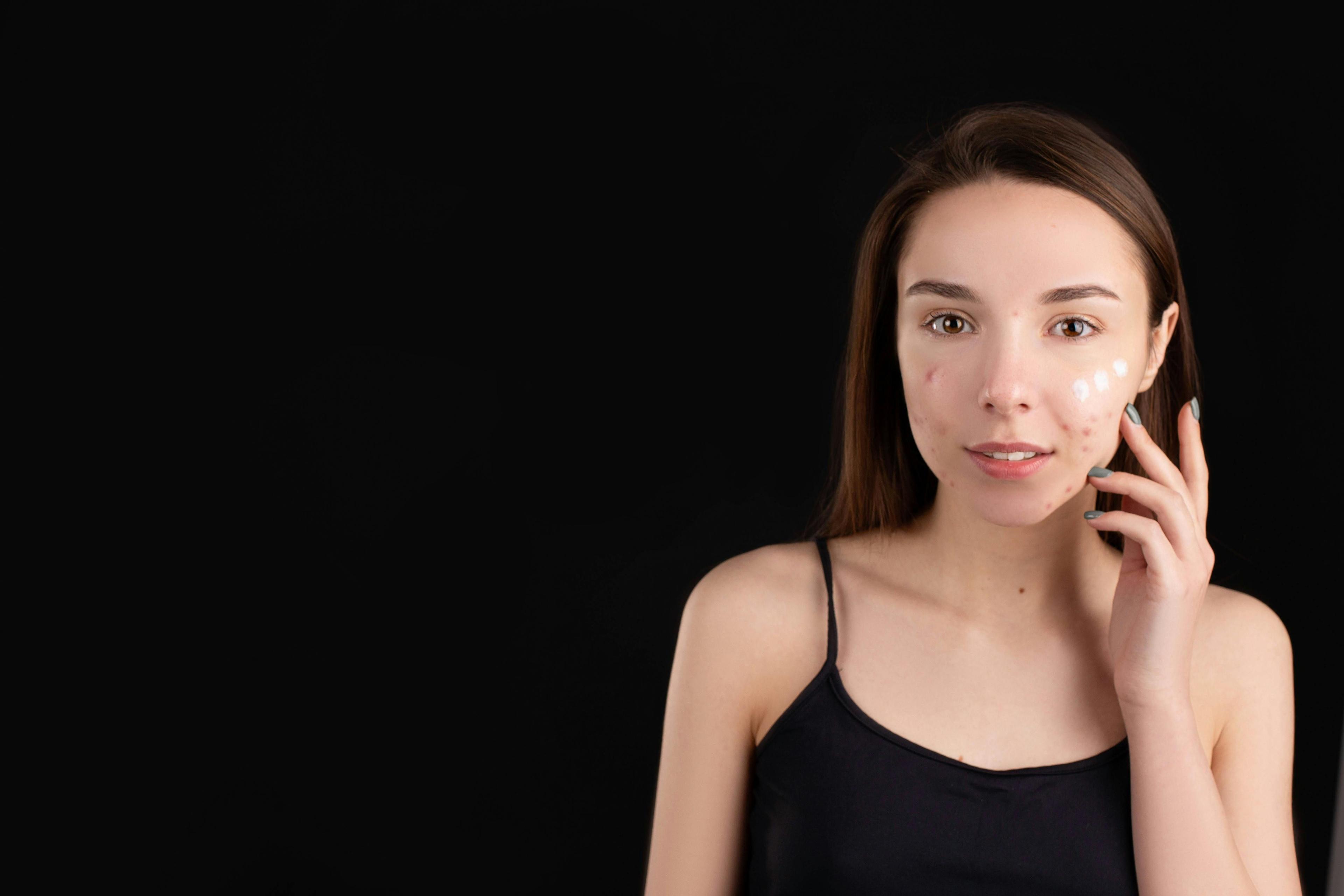
Pimples, also known as zits, are small bumps caused by clogged pores and infected sebaceous glands. They are caused by excess oil, bacteria and dead skin cells trapped in the hair follicles. They are often pus-filled but may also appear red or purple if severe. Other causes of pimple formation are hormonal fluctuations and lifestyle habits. A few types of pimples are blackheads, whiteheads, papules, pustules, cysts, and nodules. They commonly appear on the face, neck, back, shoulders, and chest. Mild pimples can be taken care of using over-the-counter drugs, such as benzoyl peroxide and salicylic acid. Severe pimples should be treated with the medications prescribed by the dermatologist.
Pimples always seem to appear at the worst times, and they are so stubborn that no matter what you try, they do not fade fast. Though they are completely normal, sometimes they can shake one's confidence. There are various reasons why you might see them appearing on your skin, including hormonal changes and clogged pores. In this article, we will understand what pimples are, their symptoms, causes, types, treatment options and the difference between a pimple and an infected pimple.
What Are Pimples?
Pimples are a type of acne that appear on the surface of the skin. They are inflamed spots caused by clogged pores from excessive sebum production, bacteria, dirt, and dead skin cells. Pimples occur on the nose, cheeks, foreheads, chin and around the lips. This generally occurs during the menstrual cycle, when there's a hormonal imbalance, or when you're under excessive stress. Pimples are most common among teenagers and adults in their 20s and 30s.
How Are Pimples Formed?
Pimples usually form when pores are clogged with excess sebum oil and dirt. Excess bacteria and dirt in the pores lead to skin inflammation, redness, and swelling. This trap also causes other types of pimples and acne, such as whiteheads, blackheads, cysts, papules, pustules, and nodules.
What Are the Symptoms of Pimples?
Acne usually appears individually and stays for up to a few days. But some of them appear and remain for a long time and need medical treatment. Here are well-known symptoms of pimples, which can also be called types of acne.
- Papules
- Blackheads
- Whiteheads
- Nodules
- Pustules
- Cysts
They appear on the face, back, shoulder, chest, and mainly other upper body parts.
What Are the Causes of Pimples?
A pimple forms when your pores are clogged with excess sebum and bacteria. However, a few other factors can also trigger acne. Here are some you need to know.
- During or before the menstrual cycle
- Accumulated dead skin cells
- Bacteria or dirt penetrated the hair follicles
- Eating too many dairy products
- Extreme oily skin types are acne-prone skin types
- Certain lifestyle habits and dietary changes
- Hormonal imbalances
- Medicine side effects
Diagnosis, Management, and Treatment of Pimples
Pimples appear individually on your skin, and that's what makes them easy to recognise. However, since there are different types of pimples, your doctor may do certain skin examinations. Here’s how the process works.
Diagnosis of Pimples
Your doctor will also ask about your lifestyle habits, medical history, and family background, as these can also be potential reasons for pimples.
Management & Treatment of Pimples
If you are dealing with regular acne, you can get rid of it by making changes to your routine and eating habits. You can also try active ingredients and over-the-counter medicines. Some of them are mentioned below.
- Azelaic acid
- Benzoyl peroxide
- Salicylic acid
- Retinoids
If you have a mild pimple, you must use salicylic acid and retinoids to reduce the symptoms. They are active ingredients which are extremely helpful in treating mild pimples and acne-related skin problems. To reduce the symptoms of severe pimples, your doctor may prescribe the following medicines or suggest skin therapies such as chemical peel, laser skin resurfacing and microdermabrasion.
When to See a Doctor for Pimples?
Some pimples are mild and fade away after a few days; others are mild at first and then become severe over time. The following are some conditions when you should immediately consult a doctor.
- Your pimple turns into an infected pimple
- Your pimple is severe and painful
- Your pimple is extremely red and bleeds
- Your pimple multiplies instead of disappearing
- Your pimple lasts for more than a week
Home Remedies for Pimples
For pimples, the first instinct is to look for home remedies that effectively fix the condition. Before you get into some skincare hacks for pimples, find out whether you have a mild or severe case. Here are some traditional methods to treat your pimple at home.
1. Tea tree oil
Tea tree oil has antibacterial properties that fight bacterial pimple-causing bacteria and acne, promoting healthy skin. Take a cotton applicator and gently apply it to your pimple.
2. Sugar scrub
Sugar is a natural exfoliant that treats the skin without causing issues. Mix sugar with honey and gently rub it onto the pimple. Leave them for 30 seconds and rinse them off.
3. Green tea
Green tea is an antioxidant that helps reduce sebum production on your skin. Mix Green tea leaves with water, then gently massage the paste onto your pimple. Wait 30 seconds, then rinse it off with water.
4. Ice
Ice is a temporary solution for acne pimples. It slows down the blood flow to your pimple and reduces inflammation and pain. Apply an ice cube for 5 to 10 minutes, covering it with a cloth to avoid ice burn.
The above-mentioned home remedies are best for mild pimples; for severe ones, avoid seeking remedies, as they can worsen the condition. Instead, you should see your doctor immediately.
Difference Between Pimples and Acnes
You may see people calling their acne a pimple and vice versa. This is because many people mistake their symptoms and assume they are the same. Here’s a detailed comparison between them so you can understand which treatment is right for pimples.
| Pimples | Acnes |
|---|---|
| The bump appears as a symptom of an acne condition | The clogged skin pores with sebum oil, bacteria, dead skin and dirt cause it |
| This skin condition involves a specific type of acne on the face | This skin condition involves multiple types of acne that can appear together or individually |
| It usually appears on one or two spots separately | It ranges from mild to severe acne and appears in large body areas |
| It can be managed with regular acne treatment and doesn’t require professional help | It requires proper skincare and medical treatment to manage the condition |
Understanding the difference will help you choose the right treatment and avoid skin problems caused by an incorrect skincare routine or medications.
Difference Between Pimples and Infected Pimples
As with acne and pimples, there is also some confusion about infected pimples. The causes of the two are different, as are their symptoms and treatments. Here’s everything you need to know about pimples and infected pimples.
| Pimples | Infected Pimples |
|---|---|
| Pimples are the symptoms of acne, usually caused by hormonal imbalances or clogged pores | Infected pimples are caused by bacteria and fungi when they enter the pores |
| They are small, inflamed bumps, and may or may not be pus-filled | They are large, inflamed red bumps, often painful |
| They are usually healed in a few days with regular treatment | They usually take a week or two to be entirely healed |
| They are generally a mild type of pimple | They are generally more severe than regular ones |
Clear Ritual’s Perspective on Pimple Formation
At Clear Ritual, we believe acne treatment shouldn’t be just external but also internal. You see acne or pimples; they seem to be caused by dirt and bacteria, and that is the reality. However, beyond these, there are also some internal triggers such as fluctuation in hormones, consumption of excessive dairy and high-carb foods, and medication side effects. Since you can’t use the same treatment for every pimple, you need to know what’s triggering acne and pimples on your skin. Clear Ritual identifies the root cause of a pimple with a quick skin test and provides a personalised kit to treat it. Know the reason for your pimple recurring, and manage it from its source.
Pimples are the most common skin condition people encounter. Some treat it with home remedies, while others take it to a professional. If you have mild pimples that come occasionally, you can treat them at home using a traditional method. But if it's severe, or if they are mild but cause symptoms of severe cases, consult your dermatologist immediately.
Frequently Asked Questions
How to manage pimples?
You can cure your pimple using over-the-counter medicine that involves benzoyl and salicylic acid. Besides this, wash your face with a gentle cleanser and avoid poking or pinching your pimples.
What to ask my doctor when I have a pimple?
Pimple causes differ for every individual. Ask your doctor about the root cause of your pimples, as poor dietary habits, hormone imbalance, and certain lifestyle choices can trigger them.
How does a pimple form on the skin?
A pimple is usually formed by excess sebum production inside your hair follicles, which are also known as skin pores. This leads to skin inflammation and swelling.
How to get rid of pimples fast?
Benzoyl peroxide and salicylic acid-containing products are the fastest way to get rid of pimples. Benzoyl helps kill the bacteria that cause pimples, and salicylic acid helps unclog pores.
Can pimples damage my skin?
Yes. Pimples and acne can damage your skin, leaving behind marks or when they are popped. Severe pimples, such as cysts, can ruin your skin texture to some extent.
Can I squeeze or pop my pimples?
You should not squeeze or pop your pimple, as they can damage your skin and leave stubborn marks that take forever to heal and disappear.
Reference Links
https://en.wikipedia.org/wiki/Pimple
https://my.clevelandclinic.org/health/diseases/22468-pimples
Editorial Standards
Clear Ritual has Strict sourcing guidelines to ensure our content is accurate and current. We rely on peer-reviewed studies, academic research institutions, and medical associations. We strive to use primary sources and refrain from using tertiary references. See a mistake? Learn More about our Editorial Standards.
Related Articles
Best Face Wash for Pimples: What to Look For
Published May 26, 2026
Boils vs Pimples: How to Know When It’s Something More Serious
Published June 6, 2026
Best Ingredients to Treat Pimples (Salicylic Acid, Benzoyl Peroxide, etc.)
Published June 7, 2026
Can Air Conditioner Cause Pimples? How AC Affects Your Skin
Published May 26, 2026



