




Cystic Acne on Jawline: What It Indicates
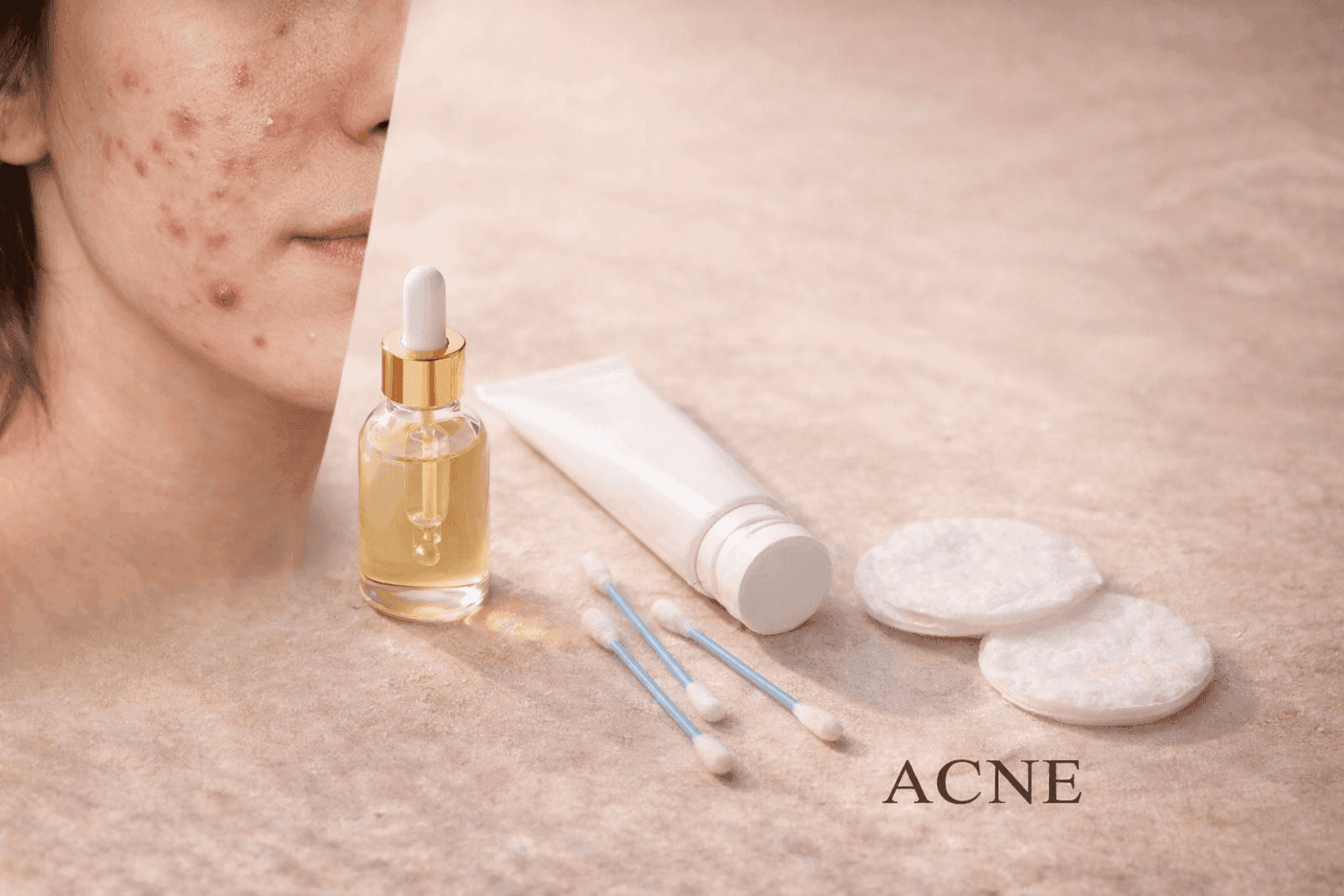
Cystic Acne along the jawline typically signals hormonal fluctuations, particularly involving androgens that stimulate oil glands in this hormone-sensitive zone. This deep, painful inflammation often correlates with menstrual cycles, stress-induced cortisol spikes, or metabolic imbalances affecting sebum production and skin cell turnover beneath the surface.
Key Takeaways:
- Jawline cystic acne usually reflects hormonal activity affecting oil glands
- The lower face contains androgen-sensitive sebaceous glands
- Stress, sleep disruption, and dietary patterns can amplify hormonal triggers
- Deep cysts form when blocked follicles rupture beneath the skin surface
- Professional assessment helps identify underlying patterns
What Makes Jawline Cystic Acne Different
Cystic acne represents the most severe form of inflammatory acne. Unlike surface whiteheads or blackheads, these lesions develop deep within the dermal layer when a hair follicle becomes completely blocked with sebum, dead skin cells, and bacteria. The follicle wall eventually breaks down, spilling its contents into surrounding tissue and triggering an intense immune response.
The jawline location matters significantly. This region contains a high concentration of sebaceous glands with androgen receptors. When hormones like testosterone or its more potent derivative DHT bind to these receptors, they signal glands to produce more sebum. The lower face essentially becomes a hormonal bulletin board, displaying what's happening inside your endocrine system.
Women often notice these painful nodules appearing in a predictable pattern along the chin, jaw, and neck area, particularly in the week before menstruation when progesterone drops and the androgen-to-estrogen ratio shifts. Men may experience jawline breakouts related to stress hormones or metabolic factors affecting androgen metabolism.
The Hormonal Connection Explained
Your skin functions as an endocrine organ, not just a passive barrier. Sebaceous glands respond directly to hormonal signals circulating through your bloodstream. When androgen levels rise or when skin cells become more sensitive to normal androgen levels, several changes occur simultaneously.
First, sebaceous glands enlarge and produce more sebum. This isn't just about oily skin. The sebum composition changes, becoming thicker and more likely to clog pores. Second, the lining of hair follicles starts producing skin cells more rapidly. These cells don't shed properly and accumulate inside the follicle, mixing with the excess sebum.
Third, this oxygen-depleted, nutrient-rich environment allows Cutibacterium acnes bacteria to multiply rapidly. These bacteria release enzymes and inflammatory compounds. When the pressure builds and the follicle wall ruptures, your immune system responds aggressively to what it perceives as a foreign invasion. White blood cells flood the area, creating the painful, swollen nodule characteristic of cystic acne.
The jawline's vulnerability stems from having fewer sebaceous glands than the forehead or nose, but those present are extremely hormone-sensitive. Even modest hormonal shifts can trigger disproportionate responses in this zone.
Common Triggers Beyond Hormones
While hormonal fluctuations drive jawline cystic acne, several lifestyle and environmental factors intensify the inflammatory cascade.
Chronic stress elevates cortisol, which increases insulin resistance and inflammatory signaling throughout the body. This hormonal disruption prompts sebaceous glands to overproduce sebum while simultaneously weakening the skin barrier. The compromised barrier allows irritants to penetrate more easily and increases transepidermal water loss, creating a cycle of inflammation and repair that never fully resolves.
Sleep deprivation compounds this effect. During deep sleep, your body regulates cortisol and growth hormone, both crucial for skin repair and hormonal balance. Consistently sleeping fewer than seven hours disrupts these rhythms, keeping inflammation elevated and preventing proper barrier restoration.
Dietary patterns influence hormone metabolism and inflammatory pathways. High glycemic foods spike insulin, which increases androgen production and makes skin cells more responsive to those androgens. Dairy contains hormones and bioactive molecules that may affect your own hormonal signaling. Some individuals notice clear correlations between dairy consumption and jawline breakouts, though responses vary considerably based on individual metabolism and gut health.
Mechanical friction deserves attention too. Resting your chin on your hand during work, phone pressure against the jaw, or even certain fabric textures rubbing the lower face can traumatize already inflamed follicles. This physical pressure, combined with bacteria transfer and heat accumulation, aggravates existing lesions and triggers new ones.
What Happens Inside the Skin
Understanding the progression helps explain why these lesions feel so different from surface acne. The process begins microscopically, often weeks before you notice anything visible.
Hyperkeratinization starts inside the follicle. Skin cells lining the pore begin reproducing too quickly and stick together rather than shedding normally. This cellular accumulation forms a microscopic plug that traps sebum beneath. As more sebum accumulates, the follicle dilates, creating a microcomedone.
Bacterial proliferation accelerates in this anaerobic environment. C. acnes bacteria ferment the trapped sebum and release inflammatory lipases and proteases. These compounds damage the follicle wall from inside while attracting immune cells.
The critical moment occurs when the follicle wall integrity fails. The contents don't push toward the surface like a regular pimple. Instead, they rupture deeper into the dermis. Your immune system recognizes the bacterial components, cellular debris, and sebum as threats and mounts a vigorous inflammatory response.
Neutrophils arrive first, releasing enzymes that destroy bacteria but also damage surrounding tissue. Macrophages follow, attempting to clean up the debris. This battle creates the painful, inflamed nodule you feel beneath the skin. The inflammation can persist for weeks because the immune response continues long after the initial rupture.
Tissue damage from this deep inflammation leads to scarring risk. Unlike surface acne that affects only the epidermis, cystic lesions damage collagen and elastin fibers in the dermis. The body attempts to repair this damage, but the rushed healing process often produces irregular collagen deposits, creating permanent indentations or raised scars.
The Skin Barrier Factor
Skin barrier function plays an underappreciated role in jawline cystic acne. A compromised barrier allows irritants and bacteria to penetrate more easily while losing moisture and inflammatory mediators that should stay contained.
Over-cleansing strips the lipid matrix between skin cells. When you remove too much of this protective layer, transepidermal water loss increases dramatically. The skin responds by producing more sebum to compensate, but this reactive sebum differs in composition from healthy sebum. It's more inflammatory and more likely to clog pores.
Harsh exfoliants create microscopic tears in the skin surface. While the intention is removing dead cells, aggressive scrubbing or high-concentration acids damage the barrier faster than it can repair. This chronic low-level trauma keeps inflammation elevated and prevents proper follicle function.
The microbiome balance matters too. Your skin hosts beneficial bacteria that compete with pathogenic strains and produce antimicrobial compounds. Disrupting this community with harsh antibacterial products or excessive cleansing allows opportunistic bacteria to dominate. An imbalanced microbiome contributes to inflammation and impaired barrier function.
Early Warning Signs
Jawline cystic acne rarely appears without warning. Most people notice subtle changes before the painful nodules develop.
You might feel tender areas along your jaw before seeing anything visible. This tenderness represents the early inflammatory process occurring deep in the follicle. The area feels sensitive to touch or pressure, sometimes described as a bruised sensation.
Skin texture changes often precede visible lesions. The area becomes slightly rough or bumpy, reflecting the microcomedones forming beneath the surface. This texture change feels different from typical roughness; it's located in specific zones rather than evenly distributed.
Increased oiliness in the lower face signals ramped-up sebaceous activity. This isn't just about looking shiny. The sebum feels thicker and the skin may appear slightly congested even without active breakouts.
Some people notice a pattern correlation. Breakouts consistently appearing at specific cycle points, after certain foods, or following stressful periods provide valuable information about underlying triggers. Tracking these patterns helps identify personal risk factors.
When Professional Assessment Becomes Essential
While occasional blemishes resolve with basic care adjustments, persistent jawline cystic acne requires professional evaluation for several important reasons.
Cystic lesions carry significant scarring risk. Each deep inflammatory episode damages collagen structures. Early intervention reduces this cumulative damage and preserves skin architecture.
Underlying hormonal conditions sometimes manifest through jawline acne. Polycystic ovary syndrome, thyroid dysfunction, or adrenal disorders can present with persistent lower-face breakouts. A dermatologist can coordinate appropriate testing to rule out systemic conditions requiring medical management.
Ineffective self-treatment delays resolution and increases frustration. Topical products cannot adequately penetrate to treat deep cystic inflammation. Professional treatments including certain prescription medications, hormonal management, or procedural interventions target the problem at its source rather than just managing surface symptoms.
Psychological impact matters too. Painful, visible cystic acne affects quality of life, social comfort, and emotional wellbeing. These effects deserve the same attention as physical symptoms.
What Helps First: Non-Medical Foundations
Before considering medical interventions, certain foundational approaches support skin function and may reduce inflammatory triggers.
Gentle cleansing maintains barrier integrity without stripping protective lipids. Using lukewarm water and a mild, non-foaming cleanser removes surface debris and excess sebum without traumatizing skin. Cleansing once or twice daily suffices; more frequent washing triggers reactive sebum production.
Anti-inflammatory dietary patterns emphasize whole foods, omega-3 fatty acids, and colorful vegetables rich in antioxidants. Reducing refined carbohydrates and identifying personal trigger foods helps some individuals. This approach doesn't cure hormonal acne but reduces the inflammatory burden that amplifies breakouts.
Stress management techniques directly affect cortisol patterns. Regular movement, adequate sleep, mindfulness practices, and connection time all influence hormonal balance and inflammatory signaling. These aren't cosmetic recommendations; they're interventions targeting the physiological drivers of hormonal acne.
Sleep prioritization allows proper hormonal regulation and skin repair. Protecting seven to nine hours of quality sleep supports cortisol rhythm normalization, growth hormone release, and cellular repair processes essential for barrier function.
Avoiding pore-clogging hair and skincare products prevents additional follicle congestion. Heavy oils, silicones, and certain emollients can contribute to comedone formation, especially in already-compromised pores. Choosing non-comedogenic formulations reduces this additional burden.
Managing Expectations and Timeline
Jawline cystic acne responds slowly to interventions because the problem develops deep within skin structure. Understanding realistic timelines prevents frustration and premature strategy changes.
Skin cell turnover occurs approximately every 28 days. This means changes you make today won't show visible results for several weeks. Deep cystic lesions may take months to fully resolve even with appropriate treatment because the inflammatory process and subsequent healing occur in stages.
Improvement typically follows a specific pattern. New lesion formation slows first. Existing lesions gradually become less painful, then slowly reduce in size. Surface healing occurs last, often leaving post-inflammatory hyperpigmentation that fades over additional months.
Consistency matters more than intensity. Gentle, sustained approaches that support barrier function and address underlying triggers outperform aggressive treatments that further traumatize already-inflamed skin. Patience during this process proves challenging but essential.
Lifestyle Modifications That Support Skin Health
Beyond topical approaches, certain behavioral modifications address the internal environment affecting skin behavior.
Hydration supports cellular function and helps flush inflammatory mediators. Water intake requirements vary individually, but maintaining adequate hydration ensures cells can perform repair processes efficiently.
Blood sugar balance through balanced meals containing protein, healthy fats, and fiber prevents the insulin spikes that amplify androgen activity. Eating at regular intervals maintains stable energy and hormone patterns.
Limiting alcohol consumption reduces inflammation and supports liver function. Your liver metabolizes hormones including androgens and estrogen. Supporting liver health through moderate alcohol consumption and adequate nutrition helps maintain hormonal balance.
Managing environmental exposures means protecting skin from pollution particles that generate free radicals and trigger inflammatory cascades. While you cannot eliminate environmental exposure, simple strategies like cleansing after being outdoors and using antioxidant-rich skincare provide some protection.
The Inflammation-Hormone Cycle
Jawline cystic acne perpetuates through a self-reinforcing cycle. Hormonal fluctuations trigger excess sebum and cellular changes. This creates inflammation. The inflammation itself signals further hormonal disruption, particularly stress hormone elevation. These stress hormones worsen hormonal imbalance and barrier dysfunction. The cycle continues unless meaningfully interrupted.
Breaking this cycle requires addressing multiple points simultaneously. Reducing inflammatory triggers through diet and stress management, supporting barrier function with appropriate skincare, and potentially addressing hormonal drivers through medical management all contribute to cycle interruption.
This multi-factorial nature explains why single interventions often disappoint. The skin responds to combined approaches that address inflammation, barrier health, hormonal influences, and lifestyle factors together rather than in isolation.
Red Flags Requiring Immediate Attention
Certain presentations indicate the need for prompt professional evaluation rather than continued home management.
Rapidly spreading or worsening lesions suggest aggressive inflammation requiring medical intervention. Cystic acne should improve gradually with appropriate care; sudden worsening indicates the need for treatment adjustment.
Signs of infection including increasing warmth, red streaking, or systemic symptoms like fever mean the inflammation has become more serious. This requires medical assessment to prevent complications.
Significant emotional distress or impact on daily life justifies professional help regardless of acne severity. Skin conditions affecting mental health deserve the same attention as those causing physical symptoms.
Persistent cystic acne despite reasonable home management for three months suggests the need for stronger interventions than over-the-counter approaches can provide.
Understanding Internal Triggers: Clear Ritual's Perspective
Jawline cystic acne rarely stems from a single cause. Most cases involve complex interactions between hormonal fluctuations, inflammatory pathways, barrier dysfunction, stress response, sleep quality, nutritional patterns, microbiome balance, and genetic predisposition. While topical treatments, dietary changes, supplements, and home remedies may provide temporary symptom relief, they often cannot fully resolve the concern without identifying which specific triggers drive your individual pattern. At Clear Ritual, we combine the best of three worlds - Ayurveda, modern dermatology, and advanced skin science - to understand individual triggers through a structured skin assessment. This approach helps identify the particular combination of internal and external factors contributing to persistent breakouts. Understanding your personal trigger profile supports more targeted intervention strategies and helps build long-term skin stability rather than just managing flare-ups as they occur.
Frequently Asked Questions
Why does cystic acne appear specifically on my jawline and not other areas?
The jawline contains sebaceous glands with high concentrations of androgen receptors, making this zone particularly responsive to hormonal fluctuations. Even small changes in hormone levels trigger disproportionate responses in these sensitive glands. The lower face essentially functions as a hormonal barometer, reflecting internal endocrine activity more visibly than less hormone-sensitive areas.
Can stress alone cause jawline cystic acne?
Stress cannot independently create cystic acne but significantly amplifies existing hormonal and inflammatory triggers. Elevated cortisol increases insulin resistance, which boosts androgen production and makes sebaceous glands more responsive. Stress also compromises barrier function and elevates systemic inflammation. In someone already predisposed to hormonal acne, stress often transforms mild breakouts into severe cystic lesions.
How long does a single cystic acne lesion take to heal completely?
Individual cystic lesions typically persist for several weeks to months depending on inflammation severity. The painful, swollen phase may last two to three weeks, followed by gradual reduction in size. Post-inflammatory hyperpigmentation or residual firmness can remain for several additional months. The deep tissue damage requires extended healing time compared to surface blemishes.
Does jawline acne always indicate a hormonal problem?
While hormonal factors drive most jawline cystic acne, not everyone has measurable hormonal abnormalities. Many cases involve normal hormone levels but increased skin sensitivity to those hormones. The sebaceous glands and follicle cells respond more aggressively to typical hormone concentrations. Some patterns do correlate with conditions like PCOS or thyroid dysfunction, which is why persistent cases warrant medical evaluation.
Will dietary changes alone clear jawline cystic acne?
Dietary modifications support overall inflammatory balance and may reduce trigger frequency, but rarely resolve established cystic acne independently. Food affects hormone metabolism, insulin sensitivity, and inflammatory mediators, all relevant to acne development. However, the deep inflammatory process and hormonal sensitivity usually require more comprehensive approaches including appropriate skincare, stress management, and often medical treatment.
Can I use the same acne treatments as my friend if we both have jawline breakouts?
Individual responses to treatments vary significantly based on skin type, barrier status, specific triggers, hormonal patterns, and sensitivity levels. What works effectively for one person may irritate or worsen another's condition. Personalized approaches considering your specific skin characteristics and trigger profile prove more effective than copying someone else's regimen.
Is it better to leave cystic acne alone or try to treat it at home?
Never attempt to squeeze, lance, or aggressively treat cystic lesions at home. These manipulations drive inflammation deeper, increase scarring risk, and can introduce additional bacteria. Gentle care supporting barrier function while addressing underlying triggers represents the appropriate home approach. The deep inflammatory component requires professional treatment for safe, effective resolution.
Why do jawline breakouts seem worse during certain times of the month?
Hormonal fluctuations throughout the menstrual cycle directly affect sebaceous gland activity. Progesterone peaks mid-cycle, which can increase sebum production. The week before menstruation, progesterone drops while the androgen-to-estrogen ratio shifts, triggering increased oil production and inflammation in hormone-sensitive areas. This cyclical pattern explains the predictable timing many women observe with jawline breakouts.
Editorial Standards
Clear Ritual has Strict sourcing guidelines to ensure our content is accurate and current. We rely on peer-reviewed studies, academic research institutions, and medical associations. We strive to use primary sources and refrain from using tertiary references. See a mistake? Learn More about our Editorial Standards.



