




Cystic Acne: Symptoms and Causes, and Treatment
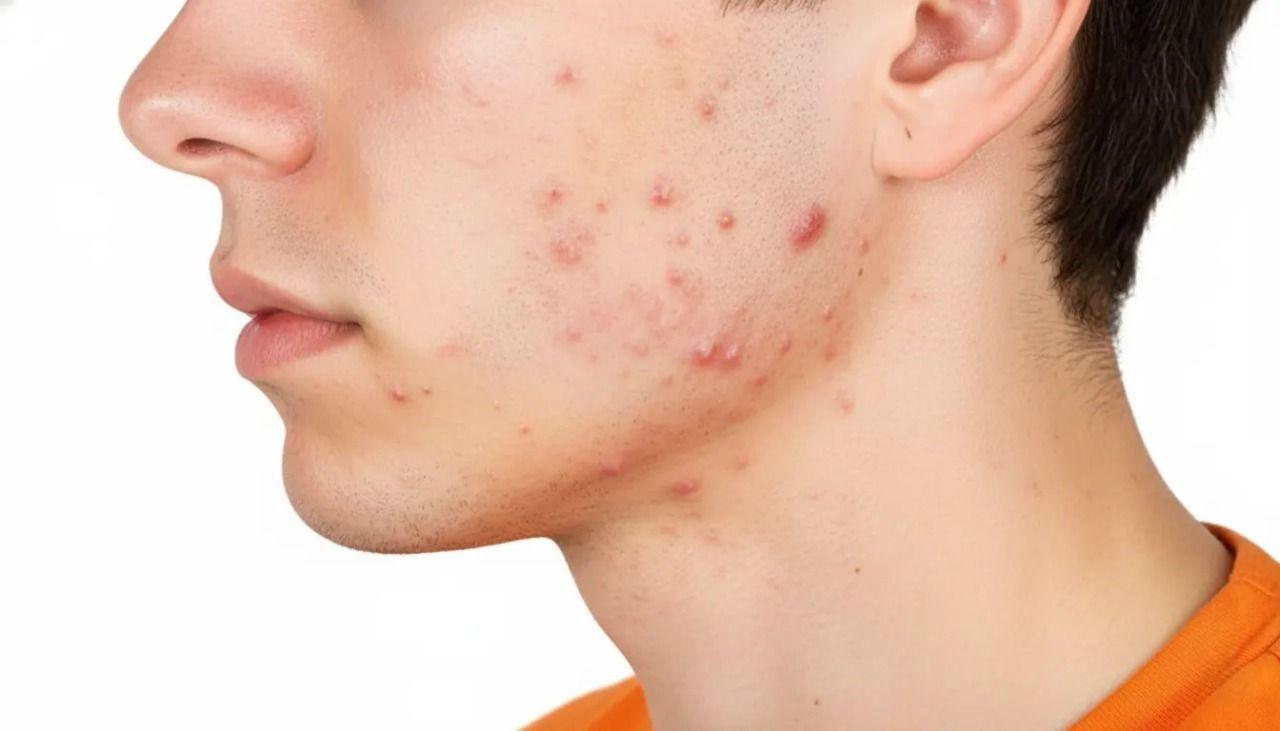
Cystic Acne is one of the most severe forms of acne, marked by deep, painful bumps that develop beneath the skin. It doesn’t just affect your skin; it can also impact your confidence and how you feel about your appearance.
This condition can affect anyone, regardless of age or gender, though it’s especially common among teenagers and adult women. Because the infections form deep within the skin, over-the-counter treatments are rarely effective. That’s why professional care and expert guidance are so important for proper management.
In this guide, we’ll take you through everything you need to know about cystic acne, from its symptoms and causes to how it’s diagnosed and the most effective treatment options available.
What is Cystic Acne?
In medical terms, acne cysts aren’t actually “true cysts.” Instead, they form as deep, pus-filled lesions that develop beneath the skin’s surface. These lesions are larger, swollen, and often have a lumpy texture.
Despite their size, they’re usually soft and tender because they’re filled with fluid, a mix of pus and inflammatory material. When a cyst bursts, the fluid can spread to surrounding areas, potentially triggering more breakouts. This is what makes cystic acne particularly painful and stubborn to heal.
How Cysts Differ from Other Acne Types?
Cysts are essentially an advanced and more severe form of acne. They appear as deep, red, and often painful lumps beneath the skin. While regular Pimples form closer to the surface, cystic acne develops much deeper, making it harder to treat.
Nodules, another severe type of acne, are also deep but feel hard to the touch because they don’t contain fluid. In contrast, acne cysts are softer due to their pus-filled centre. Meanwhile, blackheads and whiteheads are much more superficial, forming right at the pore opening.
The deeper these cysts form, the more pain and skin damage they can cause. This is why cystic acne is often linked to a higher risk of permanent scarring.
Cystic acne can also be especially stubborn, often lasting for several days or even weeks before starting to heal.
Who Gets Cystic Acne?
Now that you know what cystic acne is, let us understand who is more prone to it.
Age Groups & Hormonal Links
Hormonal cystic acne is more common among teenagers who are in their puberty phase. This phase is the time when the body deals with a lot of hormonal flux.
However, they do bother adults as well, especially women. Pregnancy, Polycystic Ovarian Syndrome (PCOS), and menstrual cycles invoke several fluctuations in women’s hormonal levels. As a result, they are more prone to cyst breakouts.
Risk Factors
While majorly, hormonal cystic acne is common, there are other factors too, such as:
-
Genetics: Individuals with a strong family history of cystic acne are more prone to developing this condition.
-
Gender: Males are more prone than females.
-
Medications: Individuals consuming steroids and lithium-based drugs are more prone to this condition.
Where Does Cystic Acne Appear?
They can appear anywhere where there is excessive sebaceous (oil) gland secretion. However, you will notice them quite frequently on:
-
Face
-
Neck and shoulders
-
Upper arms
-
Chest and back
They are also common around the buttocks and on your scalp.
Causes of Cystic Acne
Here are the causes of cystic acne:
Biological Mechanisms
There are several biological factors that play their part in causing hormonal cystic acne:
-
Pore Blockage: Dead skin cells, along with sebum (oil), block your hair follicles and skin pores.
-
Sebum Overproduction: Overactive sebaceous glands produce more oil to clog your pores. Hormones play a major role in this activation.
-
Bacterial Infection: Cutibacterium acnes, the causative agent of this acne type, is an anaerobic (not requiring oxygen) bacterium that builds up in this oily and blocked environment.
-
Exaggerated Immune Response: The immune system of the individual will detect the bacterial presence, resulting in a strong anti-inflammatory response. As a result, you see the cyst.
External Triggers
While primarily, cystic acne is caused by biological mechanisms, below are some of the external triggers:
-
Hormonal changes
-
Stress
-
Poor sleep
-
Friction or pressure
-
Using comedogenic cosmetics (ones that can clog pores)
Symptoms & Complications
Cystic acne can appear with the following symptoms:
Physical Symptoms
Physically, they cause pain, swelling, and tenderness. In case they rupture beneath your skin, they may cause spread to the surrounding tissues and trigger inflammation. This can lead to increased scarring.
Complications
Common risks associated with these acne types include:
-
Scarring: As the inflammation gets deeper, it may destroy the elastin and collagen fibres to form pitted scars.
-
Post-inflammatory Hyperpigmentation (PIH): They appear as dark spots even after the lesions are healed.
-
Secondary Bacterial Infections: With the cyst rupture, bacteria can enter the surrounding skin, increasing its severity.
Are Cysts Contagious?
No, cystic acne isn’t contagious or infectious. You can’t “catch” it from someone else. That’s because the bacteria involved, Cutibacterium acnes, are a natural part of your skin’s microbiome.
While this bacterium plays a role in cyst formation, it’s the blocked pores, excess oil, and inflammation that trigger these painful lesions, not direct person-to-person transmission.
Diagnosis of Cystic Acne
If you’re struggling with cystic acne, it’s best to visit a dermatologist instead of trying to manage it on your own, since this condition usually requires expert care.
A dermatologist will typically start with a physical examination, assessing the appearance, depth, and severity of your acne. To help with consistency, many dermatologists use acne grading scales during diagnosis.
In women with recurring or persistent breakouts, your dermatologist may recommend blood tests or hormonal panels to check for underlying imbalances, such as PCOS.
During this process, the specialist will also differentiate cystic acne from other types of acne to ensure the treatment plan is as effective as possible.
How to Treat Cystic Acne?
Cystic acne isn’t something you can tackle with basic skincare alone; it usually needs a well-rounded treatment plan guided by a dermatologist.
Medical Treatments: Depending on the severity of your acne, your dermatologist may recommend:
-
Oral Isotretinoin (Accutane): Considered the most effective treatment for stubborn or severe cystic acne.
-
Oral Antibiotics: To reduce bacteria and calm inflammation during active flare-ups.
-
Hormonal Therapies: Particularly useful for women dealing with menstrual-related acne or hormonal imbalances like PCOS.
-
Oral Corticosteroids: Short courses to quickly ease severe inflammation and swelling.
In-office Treatments: In-office Treatments include treatments such as:
-
Intralesional Steroid Injections: Rapid relief for large, painful cysts.
-
Manual Drainage or Extraction: For select fluctuant lesions.
-
Laser and Light Therapies: Can be used as an adjunct in addition to all the above.
A cyst may eventually shrink on its own. However, you need professional support to heal them entirely. They can last for weeks or months, and with the longer duration of their stay, you are likely to see more scarring.
Skincare & Lifestyle Tips for Managing Cystic Acne
While professional treatment is key, the right skincare routine and lifestyle habits can make a huge difference in keeping cystic acne under control. Here are some dermatologist-recommended tips:
-
Use a mild cleanser to cleanse your affected area
-
Always consult your dermatologist before going for any topical treatments
-
Prefer to keep your diet a low-glycemic one
-
Follow some meditation and mindfulness techniques to keep a check on your stress levels
These are things you can do alongside your dermatologist’s guidance to better manage your skin. But remember, cystic acne often takes time to improve, and it’s normal to feel discouraged if results aren’t immediate. Living with cystic acne can be emotionally draining; it may affect your confidence, make social situations feel uncomfortable, or even lead to feelings of anxiety.
Be patient with yourself and remind yourself that you’re not alone in this journey. Seeking support from friends, family, or even mental health professionals can make the process feel less isolating and help you focus on both your emotional well-being and your skin’s healing.
When To See a Dermatologist And What Questions Should You Ask?
You should see a dermatologist for cystic acne as soon as you:
-
Witness persistent cysts
-
Your over-the-counter treatments are not working well
-
You see hyperpigmentation
-
You are being negatively impacted by acne
-
Recurrent acne that comes with every menstrual cycle
Below are some of the questions one can ask a dermatologist:
-
What safe and effective skincare routine should I follow for cystic acne?
-
How to prevent further scarring?
-
What should a long-term strategy be to avoid their future outbursts?
FAQs
Q1: How long do cysts last without treatment?
Without proper treatment, acne can last for weeks or even months.
Q2: Can cystic acne be permanently cured?
Yes, there are possibilities that the cystic acne can be cured permanently. Many people have had these experiences earlier. However, it is also important to understand that lifestyle fluctuations and hormonal changes can trigger it again.
Q3: Are acne cysts hereditary?
Yes, acne cysts are hereditary. If either of the parents has dealt with cystic acne, there is a high probability that the child to have it.
Q4: What’s the difference between cysts and nodules?
Nodules develop into firm and hard lumps beneath your skin. Cysts, on the other hand, are much softer due to their pus filling. Yet, both are severe types requiring immediate medical assistance.
Q5: Can natural remedies work for cystic acne?
Cystic acne cannot be corrected using natural remedies. You need to undergo professional treatments; otherwise, they might leave behind their scars permanently.
Final Thoughts
The severity of Cystic acne increases as the infection goes deeper and deeper. It needs prompt professional support from an experienced dermatologist. In-clinic procedures are beneficial and safer than over-the-counter ones. However, you need to manage your emotional well-being too.
If you are keen to know more about your skin health and hygiene and the ways to manage acne more efficiently, connect with our Clear Ritual experts today. You can also take our skin test today to understand your skin better and receive a personalised, dermatologist-approved plan to help you manage cystic acne more effectively.
References:
https://www.healthline.com/health/skin-disorders/types-of-acne-scars
https://www.ncbi.nlm.nih.gov/books/NBK459251/
https://www.healthline.com/health/beauty-skin-care/pitted-acne-scars
Editorial Standards
Clear Ritual has Strict sourcing guidelines to ensure our content is accurate and current. We rely on peer-reviewed studies, academic research institutions, and medical associations. We strive to use primary sources and refrain from using tertiary references. See a mistake? Learn More about our Editorial Standards.



