




Diet Patterns Linked to Cystic Acne
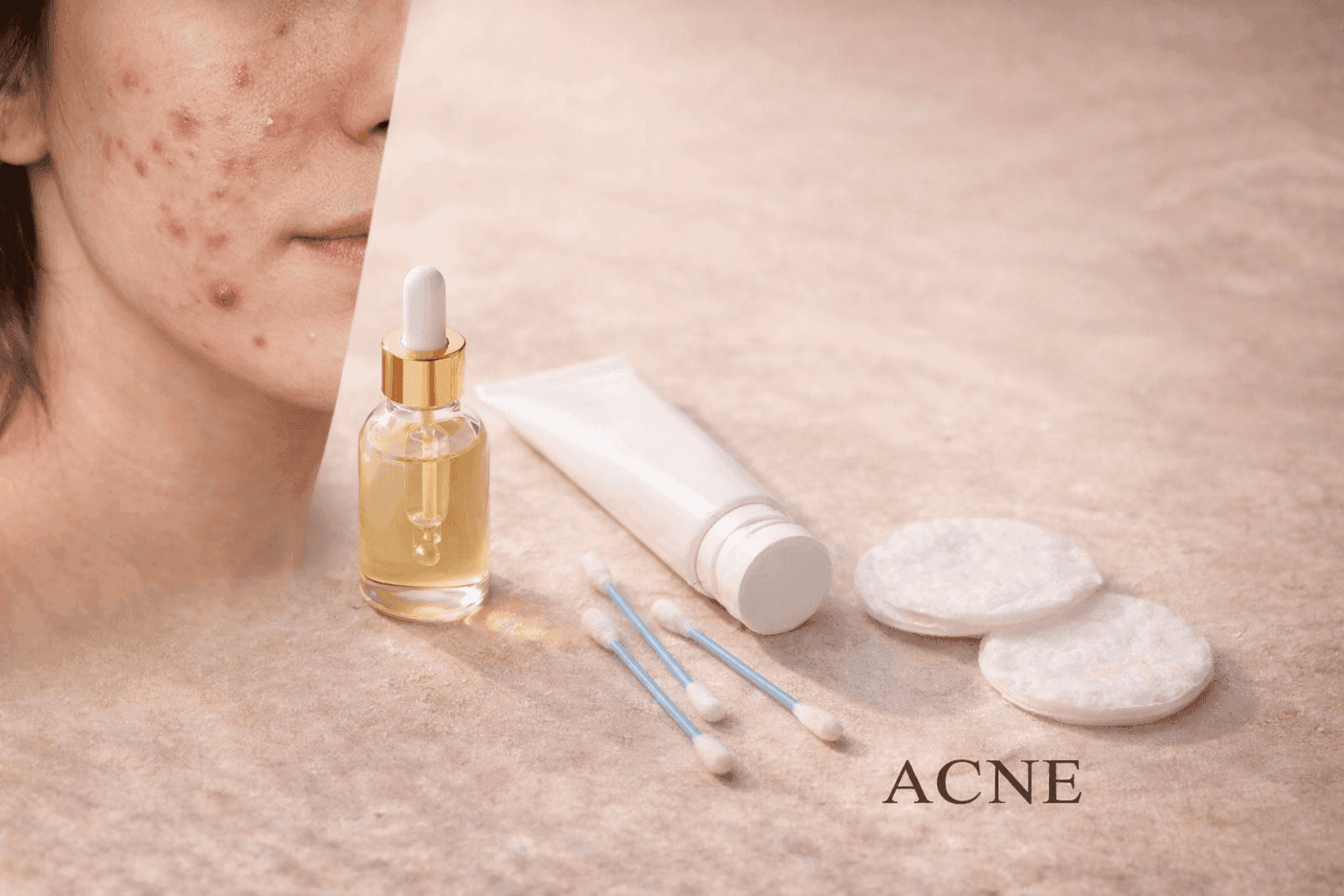
Cystic Acne often worsens with diets high in refined sugars, dairy products, and processed foods because these patterns trigger insulin spikes and inflammatory responses that increase sebum production and worsen skin inflammation. While diet alone doesn't cause cystic acne, certain eating patterns consistently amplify the hormonal and inflammatory processes that drive deep, painful breakouts.
Key Takeaways
- High-glycemic foods trigger insulin and IGF-1 surges that stimulate oil glands and worsen acne severity
- Dairy consumption, especially skim milk, correlates with increased cystic acne in susceptible individuals
- Inflammatory dietary patterns amplify the cytokine response that drives nodular and cystic lesion formation
- Omega-3 fatty acids and anti-inflammatory foods may help reduce acne severity over time
- Individual responses vary significantly based on genetics, hormones, and existing skin barrier health
What Makes Cystic Acne Different
Cystic acne represents the most severe form of acne vulgaris, characterized by deep, painful nodules and cysts that form beneath the skin surface. Unlike superficial whiteheads or blackheads, these lesions develop when inflammation occurs deep within hair follicles, creating pockets of pus, dead skin cells, and bacteria that can't drain normally.
The cysts form when follicles rupture below the skin surface, spilling their contents into surrounding tissue. This triggers an intense inflammatory response as your immune system attempts to contain and eliminate the perceived threat. The result is swollen, tender bumps that can persist for weeks and often leave scarring even after healing.
Understanding this deep inflammatory process helps explain why dietary triggers matter more for cystic acne than for milder forms. The foods you eat directly influence hormone levels, inflammatory markers, and sebum composition - all factors that determine whether a blocked pore becomes a minor blemish or a painful cyst.
The Glycemic Load Connection
High-glycemic foods cause rapid spikes in blood sugar, which triggers a cascade of hormonal responses that worsen cystic acne. When you consume refined carbohydrates, white bread, sugary snacks, or sweetened beverages, your pancreas releases insulin to manage the sudden glucose surge.
Elevated insulin levels stimulate the production of insulin-like growth factor 1 (IGF-1), a hormone that increases sebum production and accelerates skin cell turnover. More sebum means more material to clog pores, while faster cell turnover creates more dead skin cells that can block follicle openings. This combination creates the perfect environment for cystic acne development.
IGF-1 also stimulates androgen production, which further amplifies oil gland activity. Androgens enlarge sebaceous glands and alter sebum composition, making it thicker and more likely to obstruct follicles completely. When follicles become entirely blocked, bacteria multiply rapidly in the oxygen-free environment, intensifying the inflammatory response that characterizes cystic lesions.
Studies tracking dietary patterns show that populations consuming traditional low-glycemic diets report significantly lower acne rates than those eating Western diets high in processed carbohydrates. When individuals switch from high-glycemic to low-glycemic eating patterns, many experience measurable improvements in acne severity within 12 weeks, though individual responses vary considerably.
Dairy Products and Hormonal Amplification
Dairy consumption consistently correlates with increased cystic acne severity in research studies, with skim milk showing the strongest association. The relationship appears tied to naturally occurring hormones and bioactive molecules in milk that influence your body's hormonal environment.
Cow's milk contains precursors to dihydrotestosterone (DHT), a potent androgen that directly stimulates sebaceous glands. Even after pasteurization and processing, these hormone precursors remain active and can amplify your body's androgen activity when consumed regularly. For individuals already prone to hormonal acne, this additional androgenic stimulation often pushes oil production beyond the threshold where cystic breakouts occur.
Milk also contains proteins that stimulate IGF-1 production, creating the same insulin-related cascade described earlier. The whey protein fraction appears particularly problematic, which may explain why skim milk (higher in whey relative to fat) shows stronger acne associations than whole milk in epidemiological studies.
The growth hormones naturally present in dairy exist to support calf development, but when humans consume them regularly, these substances can disrupt the delicate hormonal balance that keeps skin stable. This doesn't mean dairy causes acne in everyone - genetic factors determine individual sensitivity - but for those with hormonal cystic acne, dairy often acts as a significant amplifier.
Inflammatory Dietary Patterns
Beyond specific foods, overall dietary patterns that promote systemic inflammation create conditions where cystic acne thrives. Diets high in omega-6 fatty acids relative to omega-3s, trans fats, and oxidized oils shift your body toward a pro-inflammatory state that affects skin health.
When inflammatory markers like C-reactive protein and various cytokines circulate at elevated levels, your skin becomes more reactive to all acne triggers. The immune response to blocked follicles intensifies, transforming what might have been a minor comedone into a deep, inflamed cyst. Inflammation also impairs skin barrier function, making it harder for your skin to regulate moisture balance and protect against bacterial overgrowth.
Processed foods often contain advanced glycation end-products (AGEs), compounds that form when proteins or fats combine with sugars at high temperatures during cooking or processing. AGEs promote oxidative stress and inflammation throughout your body, including in skin tissue. They also bind to receptors that trigger inflammatory pathways specifically linked to acne development.
Diets lacking in antioxidants and anti-inflammatory compounds leave skin cells vulnerable to oxidative damage from environmental stressors like UV exposure and pollution. This oxidative stress further amplifies the inflammatory cascade within clogged follicles, increasing the likelihood that blockages progress to painful cystic lesions.
Foods That May Reduce Acne Severity
Anti-inflammatory dietary patterns centered on whole foods, vegetables, omega-3 fatty acids, and low-glycemic options may help reduce cystic acne severity over time, though responses vary individually and changes occur gradually rather than immediately.
Fatty fish containing high levels of EPA and DHA omega-3 fatty acids help shift the body toward an anti-inflammatory state. These fatty acids compete with omega-6 fatty acids in inflammatory pathways, reducing the production of pro-inflammatory compounds that worsen acne. Studies show that supplementing with omega-3s or increasing fish consumption correlates with measurable reductions in inflammatory acne lesions over 8–12 weeks.
Colorful vegetables and fruits provide antioxidants that neutralize free radicals and reduce oxidative stress in skin tissue. Compounds like vitamin C, vitamin E, carotenoids, and polyphenols support skin barrier function and may help regulate sebum composition. While no single food will clear cystic acne, consistent consumption of antioxidant-rich foods creates a less inflammatory internal environment.
Zinc-rich foods support immune function and possess anti-inflammatory properties that may benefit acne-prone skin. Zinc also helps regulate androgen activity and plays a role in wound healing - important for recovering from cystic breakouts. Foods like pumpkin seeds, oysters, lean meats, and legumes provide dietary zinc, though some individuals with severe acne benefit from supplementation under professional guidance.
Probiotic-rich foods may influence skin health through the gut-skin axis, though research remains emerging. The gut microbiome affects systemic inflammation, immune function, and potentially hormone metabolism - all factors relevant to cystic acne. Fermented foods like yogurt (for those tolerating dairy), kefir, sauerkraut, and kimchi support diverse gut bacteria populations.
Individual Variation and Tracking
Not everyone with cystic acne responds identically to dietary changes because genetics, hormones, stress levels, sleep quality, and existing skin conditions all interact to determine individual trigger sensitivity.
Some people notice dramatic improvements eliminating dairy, while others see no change. Similarly, reducing sugar benefits many but not all individuals with cystic acne. This variation reflects differences in insulin sensitivity, androgen receptor activity, inflammatory response patterns, and gut microbiome composition - factors largely determined by genetics and life experiences.
Tracking your own responses provides more useful information than general dietary advice. Keeping a simple log that notes what you eat and when breakouts occur helps identify personal patterns. Since cystic lesions take days to develop, you need to look for patterns over weeks rather than expecting immediate cause-and-effect relationships.
Elimination trials where you remove suspected trigger foods for 4–6 weeks, then reintroduce them systematically, can reveal individual sensitivities. This approach requires patience because skin changes happen slowly, but it generates personalized information about which dietary factors actually matter for your specific case.
Remember that diet represents just one factor among many. Hormonal fluctuations related to menstrual cycles, stress-induced cortisol surges, inadequate sleep disrupting hormone regulation, and compromised skin barrier function from harsh products or environmental damage all influence cystic acne severity. Dietary changes work best as part of a comprehensive approach that addresses multiple trigger categories.
The Skin Barrier and Nutrient Status
Your skin barrier's ability to function properly depends partly on nutrient availability, creating another connection between diet and cystic acne outcomes. Essential fatty acids, vitamins A and D, and various minerals all contribute to barrier integrity and immune function within skin tissue.
When your diet lacks sufficient essential fatty acids, the lipid barrier between skin cells becomes compromised. This increases transepidermal water loss, triggers compensatory oil production, and allows irritants and bacteria easier access to deeper skin layers. The resulting barrier dysfunction creates conditions where cystic acne develops more readily and heals more slowly.
Vitamin A and its derivatives regulate skin cell differentiation and turnover. Deficiency leads to abnormal keratinization - the process by which skin cells mature and shed - causing cells to stick together and block follicles more easily. While topical and oral retinoids derived from vitamin A are prescribed for severe acne, adequate dietary intake of vitamin A precursors from colorful vegetables supports normal skin function.
Vitamin D deficiency correlates with increased inflammatory skin conditions including acne. Vitamin D receptors exist throughout skin tissue and influence immune cell behavior, inflammatory responses, and barrier function. Since vitamin D primarily comes from sun exposure rather than diet, dietary intake alone rarely corrects deficiency, but foods like fatty fish, egg yolks, and fortified products contribute to overall status.
When Diet Changes Aren't Enough
Dietary modifications help many people reduce cystic acne severity, but they rarely resolve severe cases completely because multiple factors drive this complex condition simultaneously.
Hormonal imbalances related to polycystic ovary syndrome, adrenal disorders, or other endocrine conditions create internal environments where cystic acne persists regardless of dietary optimization. These situations require medical evaluation and potentially hormonal treatments that address the underlying imbalance rather than just managing symptoms through lifestyle changes.
Genetic factors influence androgen receptor sensitivity, sebaceous gland size, inflammatory response intensity, and skin barrier characteristics - all determinants of cystic acne severity that diet cannot override. If your genetics create strong predisposition toward severe acne, dietary improvements might reduce frequency or intensity but won't eliminate breakouts entirely.
Bacterial colonization patterns and biofilm formation within follicles sometimes require antimicrobial interventions beyond what dietary changes can address. When specific bacterial strains dominate the follicular environment and establish protective biofilms, topical or oral antibiotics may be necessary to reset the microbial balance before other interventions become effective.
Scarring and post-inflammatory changes from previous cystic breakouts won't improve with dietary modifications. These structural skin changes require targeted treatments like chemical peels, laser therapy, or microneedling to address the altered tissue architecture left behind after severe inflammation.
Dietary Patterns Comparison
| Dietary Pattern | Impact on Acne Mechanisms | Evidence Strength | Implementation Difficulty |
|---|---|---|---|
| High-glycemic Western diet | Increases insulin, IGF-1, sebum production | Strong epidemiological data | Low - typical eating pattern |
| Low-glycemic Mediterranean | Reduces insulin spikes, provides antioxidants | Moderate clinical evidence | Moderate - requires planning |
| High dairy consumption | Amplifies androgens, stimulates IGF-1 | Strong correlation studies | Low - common consumption |
| Dairy elimination | May reduce hormonal stimulation | Moderate individual variation | Moderate - requires alternatives |
| Omega-3 enriched | Reduces inflammatory markers | Moderate supplementation studies | Low to moderate - supplementation easy |
| Processed food heavy | Increases AGEs, oxidative stress, inflammation | Strong biological plausibility | Low - convenience eating |
Understanding Internal Triggers: Clear Ritual's Perspective
Cystic acne develops from complex interactions between hormones, sebum production, inflammation, bacterial activity, skin barrier health, stress responses, sleep quality, and genetic predisposition. While dietary changes address important trigger categories, they represent just one piece of a multi-factorial puzzle. Remedies focusing solely on nutrition often provide temporary improvements without identifying the specific combination of internal and external factors driving your individual breakout patterns.
At Clear Ritual, we combine the best of three worlds - Ayurveda, modern dermatology, and advanced skin science - to understand individual triggers through a structured skin assessment. This approach recognizes that two people with similar-appearing cystic acne may have completely different underlying trigger combinations requiring personalized strategies. Understanding your specific pattern - whether hormonal fluctuations, barrier dysfunction, inflammatory tendencies, or microbiome imbalances dominate - helps create targeted approaches that address root causes rather than just managing surface symptoms. Long-term skin stability comes from identifying and addressing the particular triggers most relevant to your unique situation.
Frequently Asked Questions
Can eliminating sugar completely clear cystic acne?
Reducing sugar intake lowers insulin and IGF-1 levels, which decreases sebum production and may reduce acne severity over time. However, sugar elimination alone rarely clears severe cystic acne completely because hormonal factors, genetics, bacterial colonization, and inflammation from other sources continue contributing. Most people experience improvement rather than complete resolution from dietary changes alone.
How long does it take to see results from dietary changes for acne?
Skin cell turnover and sebaceous gland responses change gradually, so noticeable improvements typically require 6–12 weeks of consistent dietary modification. Cystic lesions already forming beneath the skin will continue developing regardless of immediate diet changes. Individual responses vary based on how strongly diet influences your particular hormonal and inflammatory patterns.
Is dairy the most important food to avoid for cystic acne?
Dairy shows strong correlations with acne in research studies, but individual sensitivity varies considerably. Some people experience dramatic improvement eliminating dairy while others notice no change. High-glycemic foods, inflammatory fats, and overall dietary patterns all contribute, making personalized tracking more useful than assuming any single food represents the universal most important trigger.
Can supplements replace dietary changes for acne management?
Supplements like omega-3 fatty acids, zinc, and probiotics may support skin health but work best alongside whole-food dietary improvements rather than replacing them. Whole foods provide fiber, antioxidants, and numerous compounds that work synergistically in ways isolated supplements cannot replicate. Supplements address specific deficiencies but don't counteract the inflammatory and hormonal effects of poor overall dietary patterns.
Do low-glycemic diets help everyone with cystic acne?
Low-glycemic eating reduces insulin and IGF-1 responses that worsen acne, benefiting many people but not universally. Individual insulin sensitivity, androgen levels, and inflammatory baselines vary, determining how much glycemic load affects acne severity. Those with insulin resistance or hormonal imbalances typically respond more noticeably to glycemic control than those whose acne stems primarily from other factors.
Should I avoid all fats if I have oily, acne-prone skin?
Dietary fats don't directly translate to skin oiliness - sebum production responds more to hormones and inflammatory signals than total fat intake. Healthy fats from fish, nuts, seeds, and avocados actually support skin barrier function and provide anti-inflammatory benefits. Trans fats and excessive omega-6 fatty acids from processed foods promote inflammation and should be limited, but eliminating all dietary fats harms skin health.
Can food allergies or sensitivities cause cystic acne?
True food allergies rarely manifest as acne, but food sensitivities may increase systemic inflammation that worsens existing acne tendency. Gluten sensitivity, for example, doesn't cause acne directly but may promote inflammation that amplifies other acne triggers. Identifying and addressing genuine sensitivities through proper testing may help reduce overall inflammatory burden affecting skin.
Will eating more vegetables directly improve cystic acne?
Vegetables provide antioxidants, fiber, and anti-inflammatory compounds that support overall skin health and may reduce acne severity gradually over time. They don't address hormonal imbalances, bacterial overgrowth, or genetic factors directly, so increasing vegetable intake alone rarely resolves severe cystic acne. Vegetables work best as part of comprehensive dietary and lifestyle modifications addressing multiple trigger categories simultaneously.
Editorial Standards
Clear Ritual has Strict sourcing guidelines to ensure our content is accurate and current. We rely on peer-reviewed studies, academic research institutions, and medical associations. We strive to use primary sources and refrain from using tertiary references. See a mistake? Learn More about our Editorial Standards.



