




Is Acne Genetic? Understanding the Role of Your DNA in Breakouts
Introduction to the Genetic Link of Acne
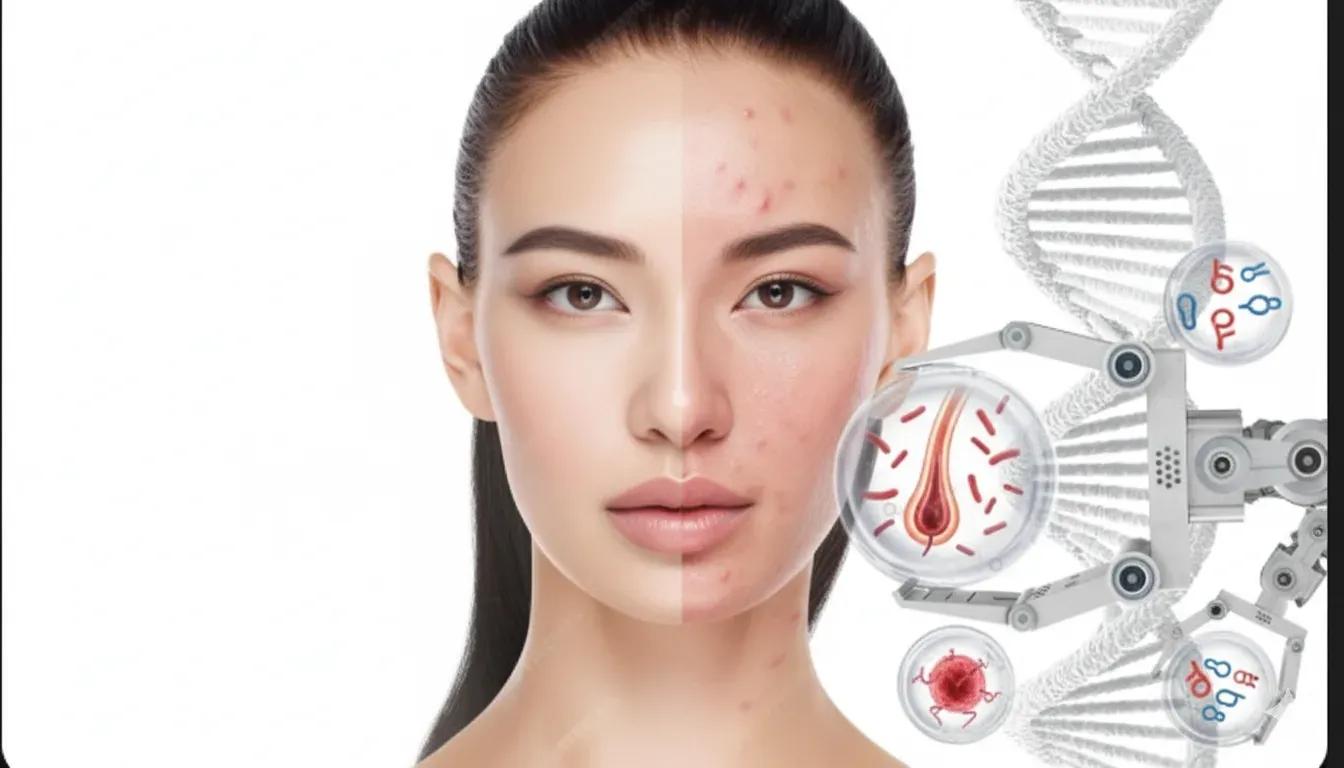
Acne is one of the most common skin conditions worldwide, but its causes remain widely misunderstood. While hormones, diet, and stress are often blamed, genetics also play a major role. Research shows that if your parents or siblings struggled with persistent acne, you may have a higher chance of developing it too.
But does this mean acne is purely genetic? Not exactly. Understanding the role of your DNA in breakouts helps separate fact from myth and empowers you to take better control of your skin health.
Why Genetics Matter in Skin Health
Your genes affect how your skin functions, from oil production to healing speed. This means DNA can influence whether you’re more prone to clogged pores, inflammation, or scarring.
Common Myths About Acne and Heredity
A common misconception is that acne is always “passed down” from parents. While genetics play a role, lifestyle and environment also heavily impact whether you’ll actually experience breakouts.
The Science Behind Genetic Acne
How Genes Influence Sebum Production
Overactive sebaceous glands, which produce too much oil, are often genetically influenced. If your family tends to have oily skin, you might naturally be more prone to breakouts.
The Role of Inflammation and Immune Response
Genetic variations affect how your immune system responds to bacteria and clogged pores. Some people have a stronger inflammatory response, leading to red, swollen Pimples.
Family History and Acne Risk
Studies show that individuals with one or both parents who experienced severe acne are significantly more likely to develop acne themselves, particularly during adolescence.
Environmental Factors vs. Genetics
Diet and Lifestyle Choices
Even with a genetic predisposition, diet plays a huge role. High-glycemic foods, sugary snacks, and dairy can worsen acne by triggering hormonal and insulin responses.
Hormonal Fluctuations and DNA Expression
Your DNA may determine how sensitive your skin is to hormonal changes during puberty, menstrual cycles, or stress.
Skincare Habits and External Triggers
Poor skincare habits, heavy cosmetics, or not washing your face after sweating can worsen acne regardless of your genetic background.
Are Some People More Prone to Acne Because of DNA?
Genetic Variations in Oil Glands
Some people are born with oil glands that are more active or larger than average, which increases the likelihood of clogged pores and acne.
Why Some Skin Types Scar More Easily
Genetics also determine how your skin heals. If your family has a history of acne scars, you may need early treatment to prevent permanent marks.\
Medical Insights into Genetic Acne
What Studies Reveal About Acne Heredity
Twin studies and family history research strongly suggest that acne has a hereditary component. Identical twins often show similar acne severity, while siblings in acne-prone families are at greater risk.
The Future of Genetic Testing for Acne
Scientists are exploring genetic testing to predict acne risk and personalize treatments. While still in early stages, this could revolutionize dermatology in the coming years.
Managing Acne if It Runs in the Family
Lifestyle Adjustments to Reduce Breakouts
Even if acne runs in your family, you can minimize breakouts with a balanced diet, consistent sleep, stress management, and proper skincare.
Medical Treatments That Work Despite Genetics
Topical retinoids, benzoyl peroxide, antibiotics, and oral medications like isotretinoin can successfully treat acne—even if it’s genetically driven.
Preventing Acne Scars with Early Treatment
If your family has a history of scarring, early dermatologist intervention is crucial. Treatments like chemical peels, laser therapy, or microneedling can help reduce long-term damage.
Myths and Misconceptions About Genetic Acne
“If My Parents Had Acne, I Will Too”
Not necessarily. While family history increases risk, lifestyle, diet, and skincare can prevent or lessen breakouts.
“Genetic Acne Can’t Be Treated”
This is false. Modern dermatology offers effective treatments regardless of genetic background.
FAQs on Genetic Acne
1. Is acne 100% genetic? No, genetics increase susceptibility but environment and lifestyle are equally important.
2. If my parents didn’t have acne, can I still get it? Yes. Environmental triggers, hormones, and diet can still cause acne even without family history.
3. Can genetic acne go away naturally? For some, acne improves with age, but for others, it requires treatment.
4. Does oily skin always mean genetic acne? Not always, but oily skin is often inherited and contributes to acne formation.
5. Can genetic acne be prevented? It can’t be fully prevented, but breakouts can be reduced through healthy habits and treatments.
6. Are acne scars genetic too? Partly, yes. Your genetic makeup influences how your skin heals, making some people more prone to scarring.
Conclusion: Genetics Are Just One Piece of the Puzzle
Acne can run in families, but genes aren’t the only factor at play. Your DNA may increase your risk, but lifestyle choices, diet, and skincare routines significantly influence how often and how severely you break out. With proper care and modern treatments, even genetically influenced acne can be managed successfully.
For trusted medical information, visit the American Academy of Dermatology
Editorial Standards
Clear Ritual has Strict sourcing guidelines to ensure our content is accurate and current. We rely on peer-reviewed studies, academic research institutions, and medical associations. We strive to use primary sources and refrain from using tertiary references. See a mistake? Learn More about our Editorial Standards.



