




Environmental Triggers for Acne Prone Skin
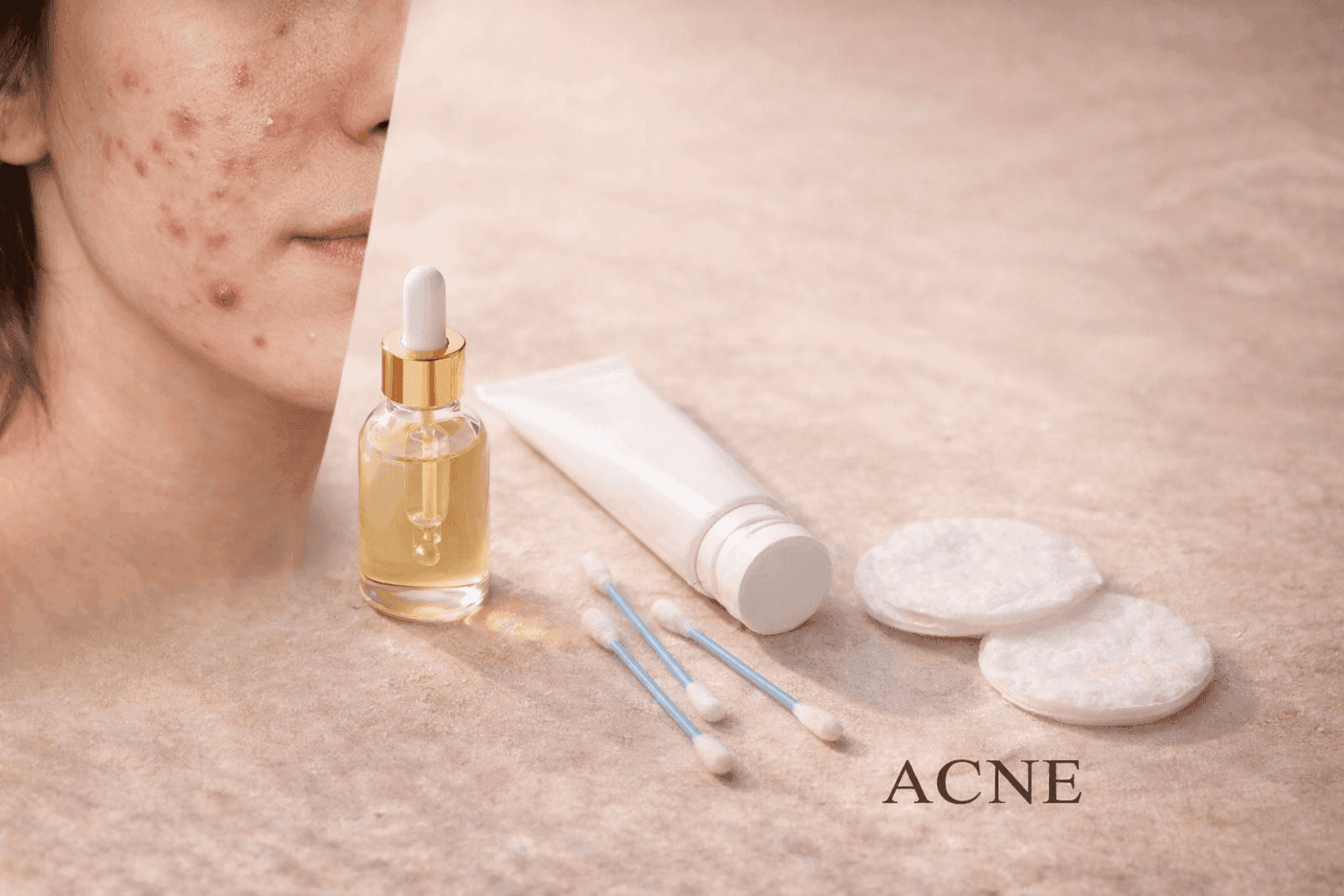
Acne prone skin reacts more intensely to everyday environmental stressors because the follicles are already primed for inflammation and excess oil production. When external triggers like pollution, humidity, or UV exposure interact with this sensitive system, they amplify sebum oxidation, irritate the skin barrier, and worsen breakouts beyond what internal factors alone would cause.
Key Takeaways:
- Environmental factors don't cause acne alone but significantly worsen existing acne prone skin
- Pollution particles penetrate pores and trigger oxidative stress that thickens sebum
- Heat and humidity increase oil production while cold, dry air compromises barrier function
- UV exposure causes inflammation and post-inflammatory hyperpigmentation in acne scars
- Indoor environments with poor air quality or harsh chemicals can irritate reactive skin
- Protective strategies focus on barrier support, gentle cleansing, and minimizing direct exposure
What Makes Skin Acne Prone in the First Place
Acne prone skin has three core characteristics that make it vulnerable. The sebaceous glands produce more oil than necessary, often influenced by hormones like androgens. The follicle lining sheds skin cells faster than they can be cleared, creating sticky plugs. And the skin harbors higher populations of bacteria that thrive in oil-rich, low-oxygen environments. These three factors create a baseline of vulnerability that environmental stressors exploit.
When the environment adds pressure to this already reactive system, inflammation accelerates. The skin cannot regulate itself as efficiently, leading to more frequent and severe breakouts. Understanding which external factors matter most helps you reduce unnecessary flare triggers without obsessing over every variable.
How Pollution Particles Worsen Acne
Urban pollution contains fine particulate matter, volatile organic compounds, and heavy metals that land on skin throughout the day. These microscopic particles are small enough to penetrate into pores, where they mix with sebum and create oxidative stress. Oxidation changes the chemical structure of skin oils, making them thicker and more likely to clog follicles.
Pollution also triggers free radical damage, which activates inflammatory pathways in the skin. For acne prone individuals, this means the immune system responds more aggressively to the bacteria already present in clogged pores. The result is deeper inflammation, more redness, and longer healing times.
Research shows that people living in high-pollution areas experience more inflammatory acne lesions compared to those in cleaner environments, even when controlling for other variables. The skin's natural antioxidant defenses become overwhelmed, and the barrier weakens, allowing irritants easier access.
Temperature and Humidity Effects on Breakouts
Heat increases blood flow to the skin and stimulates sebaceous glands to produce more oil. Humidity prevents sweat from evaporating efficiently, leaving a moist film on the skin surface that mixes with sebum and dead cells. This combination creates an ideal environment for bacterial growth and follicle blockage.
In hot, humid climates or during summer months, acne prone skin often sees a spike in comedones and inflamed pustules. The skin stays damp longer, especially in areas like the forehead, nose, and chin where oil glands are most concentrated. Fabrics that trap heat against the skin, like hats or masks, worsen this effect by creating localized pressure and moisture buildup.
Conversely, cold and dry conditions pose different challenges. Low humidity pulls moisture from the skin barrier, triggering compensatory oil production. The skin becomes simultaneously dehydrated and oily, a confusing state that many people try to fix with harsh cleansing. This strips the barrier further, increasing sensitivity and making existing acne more inflamed.
UV Radiation and Acne Skin Damage
Sunlight initially seems to help acne because UV exposure has mild antibacterial effects and causes temporary drying. But this benefit is misleading and short-lived. UV radiation damages the skin barrier, increases inflammation, and causes the skin to thicken as a protective response. This thickening narrows follicle openings, making it harder for sebum and dead cells to exit naturally.
UV exposure also worsens post-inflammatory hyperpigmentation, the dark marks left behind after breakouts heal. Acne prone skin is already dealing with repeated inflammation cycles, and sun exposure darkens these marks significantly, extending the time it takes for skin tone to even out.
Sunscreen is essential, but choosing the wrong formula can trigger breakouts. Heavy, occlusive sunscreens create a film that traps oil and sweat beneath the surface. Non-comedogenic, lightweight mineral or hybrid formulas provide protection without adding to follicle congestion.
Indoor Environmental Factors
Indoor air quality affects skin more than most people realize. Central heating and air conditioning remove humidity from the air, drying out the skin barrier and prompting increased oil production. Poor ventilation allows dust, mold spores, and chemical residues from cleaning products to settle on skin throughout the day.
Workplaces with exposure to grease, industrial chemicals, or airborne debris can directly irritate acne prone skin. Kitchens, factories, and salons create environments where particles land on the face repeatedly, mixing with natural oils and blocking pores. Even offices with recycled air and synthetic materials release volatile organic compounds that sensitize reactive skin.
Bedding and pillowcases collect oils, dead skin, hair products, and environmental dust. Sleeping on the same surface night after night presses these residues back into facial skin, especially for side and stomach sleepers. Friction from rough fabrics also irritates active breakouts and spreads bacteria across the skin surface.
How Seasonal Changes Influence Acne Patterns
Many people notice their skin behaves differently depending on the season. Spring and summer bring higher humidity, more sweating, and increased outdoor exposure to pollen and pollution. These factors combined often lead to more surface congestion and inflamed papules.
Fall and winter introduce cold air, indoor heating, and lower humidity levels. The barrier becomes compromised, leading to flaking around acne lesions and increased sensitivity to topical products. The skin may feel tight and irritated, yet still produce excess oil in certain zones.
Understanding your personal seasonal patterns helps you adjust routines proactively rather than reacting to flares after they happen. Some people need lighter, water-based products in summer and richer barrier-support formulas in winter, while still maintaining acne-safe ingredients.
Protective Habits That Reduce Environmental Impact
Reducing environmental damage to acne prone skin starts with barrier protection. A compromised barrier lets irritants penetrate more easily and triggers inflammation faster. Using a gentle, non-stripping cleanser morning and night removes pollutants and excess oil without damaging the lipid layer that holds moisture in place.
Double cleansing in the evening removes sunscreen, makeup, and accumulated environmental debris more thoroughly than a single wash. The first cleanse breaks down oil-based residues, and the second cleanse addresses water-based impurities and sweat. This approach prevents buildup without over-scrubbing.
Antioxidants applied topically help neutralize free radical damage from pollution and UV exposure before it triggers inflammation. Ingredients like niacinamide, green tea extract, and vitamin C support the skin's natural defense systems without adding heaviness or irritation.
Changing pillowcases every two to three days limits the reintroduction of oils and bacteria to facial skin. Using breathable, natural fabrics reduces friction and allows moisture to evaporate rather than staying trapped against the skin.
When Environmental Control Is Not Enough
If breakouts persist despite reducing environmental triggers, the issue likely involves deeper internal factors that external changes alone cannot address. Hormonal fluctuations, stress-driven cortisol spikes, dietary sensitivities, or genetic predispositions to inflammation all play significant roles in acne development.
Persistent Cystic Acne, nodules that take weeks to heal, or sudden worsening without clear environmental cause warrant professional evaluation. A dermatologist can assess whether prescription treatments like retinoids, antibiotics, or hormonal therapy are appropriate for your specific pattern.
Environmental awareness is one piece of managing acne prone skin, not the entire solution. It works best when combined with appropriate cleansing, non-comedogenic products, barrier support, and attention to internal health factors like sleep quality and stress management.
Understanding Internal Triggers: Clear Ritual's Perspective
While managing environmental factors helps reduce flare severity, acne prone skin is shaped by multiple internal and external influences working together. Hormones, stress responses, inflammation regulation, barrier integrity, microbiome balance, and genetic tendencies all contribute to how your skin reacts to the world around it.
Surface-level strategies like changing products or avoiding certain environments can provide temporary relief, but they rarely address the full picture of why your skin behaves the way it does. True skin stability comes from understanding your individual trigger patterns and how your internal systems influence breakout cycles. At Clear Ritual, we combine the best of three worlds - Ayurveda, modern dermatology, and advanced skin science - to understand individual triggers through a structured skin test. This approach helps identify which factors, both internal and external, are most relevant to your specific skin behavior, allowing for more targeted and effective long-term care.
Frequently Asked Questions
Can pollution alone cause acne if I don't have acne prone skin?
Pollution increases oxidative stress and inflammation in all skin types, but it does not create acne from scratch. If your follicles and oil production are functioning normally, pollution may cause dullness or sensitivity but not true acne lesions. Acne requires the combination of excess oil, abnormal follicle shedding, and bacterial involvement.
Does wearing a mask all day make acne worse?
Yes, masks create a warm, humid microenvironment that traps moisture, oil, and bacteria against the skin. The friction from mask edges also irritates the barrier and worsens existing inflammation. Washing reusable masks frequently and allowing skin to breathe during safe periods helps minimize this effect.
Is acne worse in cities compared to rural areas?
Studies show higher rates of inflammatory acne in urban environments with greater pollution exposure. The particulate matter, ozone, and industrial chemicals in city air increase oxidative stress and barrier damage. However, individual variation matters more than location alone.
Should I avoid going outside if I have acne prone skin?
No, outdoor exposure is not harmful if you protect your skin appropriately. Use a non-comedogenic sunscreen, cleanse thoroughly after outdoor activities, and focus on barrier support. Avoiding outdoor activity entirely can affect mental health and vitamin D levels, which also influence skin inflammation.
Do air purifiers help reduce acne?
Air purifiers with HEPA filters reduce indoor particulate matter and allergens, which can lower overall skin irritation. While they do not treat acne directly, cleaner indoor air reduces one environmental stressor that contributes to barrier compromise and inflammation.
Can hard water make acne worse?
Hard water contains high levels of calcium and magnesium that can leave a residue on skin, interfering with cleanser effectiveness and irritating the barrier. Some people notice improvement when using filtered or softened water, though this is not the primary cause of acne.
How long does it take to see improvement after reducing environmental triggers?
Skin cell turnover takes approximately 28 days, so noticeable changes typically appear within four to six weeks. Improvement depends on how many other contributing factors remain active. Environmental control alone may not resolve acne if internal triggers dominate.
Is sweating bad for acne prone skin?
Sweating itself does not cause acne, but leaving sweat on the skin for extended periods allows it to mix with oil and bacteria, increasing the risk of clogged pores. Rinsing or cleansing soon after sweating prevents this buildup without stripping the skin.
Editorial Standards
Clear Ritual has Strict sourcing guidelines to ensure our content is accurate and current. We rely on peer-reviewed studies, academic research institutions, and medical associations. We strive to use primary sources and refrain from using tertiary references. See a mistake? Learn More about our Editorial Standards.



