




Genetic Causes Behind Acne Prone Skin
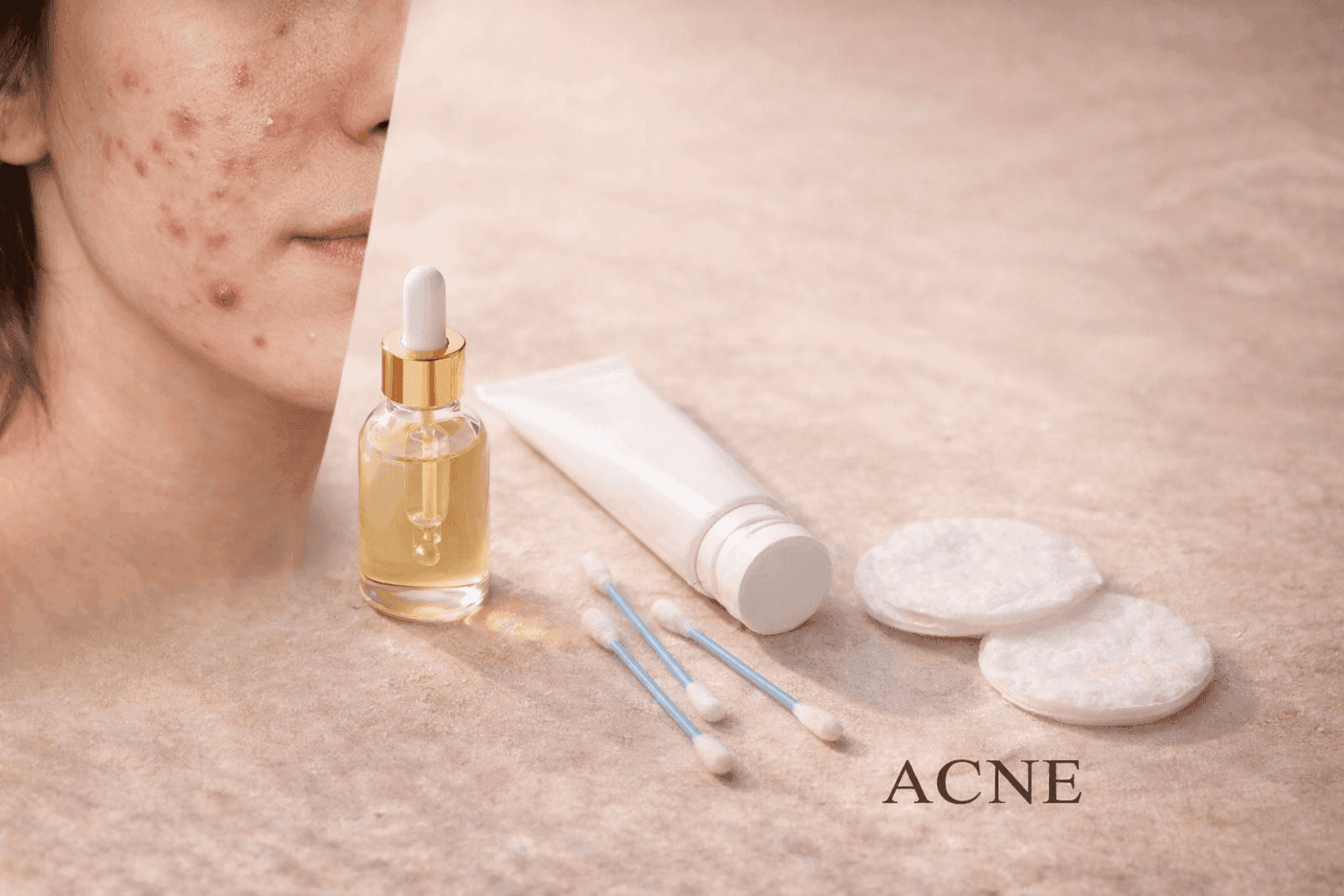
If you've struggled with acne while your sibling has flawless skin, genetics likely play a role. Research shows that up to 80% of acne susceptibility comes from inherited traits that affect oil production, inflammation response, and pore structure, making some people naturally more prone to breakouts regardless of skincare habits.
Key Takeaways:
- Acne has a strong genetic component, with studies showing 80% heritability
- Genes control sebum production, inflammation levels, and how skin sheds dead cells
- Family history of acne increases your likelihood of experiencing similar patterns
- Genetic predisposition doesn't guarantee acne, but it lowers the threshold for triggers
- Understanding your genetic risk helps create realistic expectations and personalized approaches
What Genetics Actually Controls in Your Skin
Your DNA acts like a blueprint for how your skin functions at a cellular level. Specific genes determine the size and activity of your sebaceous glands, which produce sebum. People with genetically larger or more active oil glands produce more sebum, creating an environment where acne bacteria thrive and pores clog more easily.
Genetics also influences how quickly your skin cells turnover. Some people inherit a tendency for skin cells to stick together longer inside pores rather than shedding normally. This creates a plug that traps oil and bacteria, leading to inflammation and breakouts. The process happens beneath the surface long before you see a visible pimple.
Another critical genetic factor involves inflammation pathways. When bacteria or irritation triggers your immune system, genes determine how aggressively your body responds. Some people inherit an overactive inflammatory response that turns minor pore blockages into inflamed cysts, while others with similar blockages develop only mild bumps.
The Science Behind Inherited Acne Patterns
Twin studies provide compelling evidence for genetic influence. Identical twins, who share 100% of their DNA, show remarkably similar acne patterns even when raised in different environments. Fraternal twins, sharing only 50% of genes, show less correlation. This demonstrates that inherited factors outweigh many environmental triggers.
Researchers have identified several gene variations linked to acne susceptibility. Variations in genes controlling androgen receptors affect how sensitive your skin is to hormones that stimulate oil production. Even with normal hormone levels, genetically sensitive receptors can trigger excessive sebum production during puberty, menstrual cycles, or stress periods.
Genes affecting inflammatory molecules like interleukins and tumor necrosis factor also influence acne severity. These molecules coordinate your immune response to bacteria in blocked pores. Genetic variations that amplify inflammation create conditions where minor bacterial presence leads to painful nodules rather than small whiteheads.
The DNA variations affecting vitamin D receptors in skin cells also connect to acne risk. These receptors help regulate skin cell growth and immune function. Genetic differences in receptor function may explain why some people's skin responds differently to sun exposure or vitamin D levels.
Why Family History Matters More Than You Think
If both your parents had acne, you face roughly a 50% higher chance of developing moderate to severe acne compared to someone with no family history. The pattern often mirrors specific family members - you might develop the same type of breakouts, in similar locations, at comparable life stages.
This inheritance doesn't just affect teenage acne. Adult-onset acne, particularly in women, also shows familial clustering. Women whose mothers experienced hormonal acne in their 30s and 40s frequently develop similar patterns, suggesting genetic influences on how skin responds to hormonal fluctuations throughout life.
The age when acne begins also shows genetic patterns. Early-onset acne, starting before age 12, runs strongly in families. Similarly, persistent acne continuing past age 25 has hereditary components. These patterns help dermatologists assess whether acne stems primarily from genetic factors or external triggers.
Severity levels cluster within families too. People with family histories of severe Cystic Acne face higher risks of developing similar presentations. This doesn't mean mild acne can't worsen, but genetic predisposition creates a baseline that environmental factors then modify.
How Genes Interact With Triggers
Genetic predisposition establishes your skin's baseline reactivity, but environmental and lifestyle factors determine whether and how severely acne manifests. Think of genes as setting the stage - they create vulnerability but don't write the complete script.
Someone with strong genetic risk might develop acne from minimal triggers like slight dietary changes or mild stress, while someone without genetic susceptibility might tolerate significant triggers without breaking out. High glycemic foods that spike blood sugar can worsen acne in genetically predisposed individuals by amplifying insulin's effects on oil glands and inflammation pathways their genes already sensitize.
Sleep deprivation increases cortisol, a stress hormone that stimulates oil production. In genetically susceptible skin, this hormonal shift more readily triggers breakouts because their sebaceous glands respond more intensely to hormonal signals. The same sleep disruption might cause minimal skin changes in someone without genetic vulnerability.
Skincare habits interact with genetic factors too. Over-cleansing strips protective oils, and in people with genes promoting aggressive oil production, this triggers rebound sebum production that overwhelms pores. The same washing frequency might not affect someone whose genes program moderate oil production.
Friction from masks, helmets, or phone pressure creates minor trauma that, in genetically inflammation-prone skin, escalates into painful breakouts. Others experience the same friction with minimal reaction because their inflammatory pathways don't amplify the response.
What Genetic Testing Reveals About Acne Risk
Direct-to-consumer genetic tests now screen for variations in genes associated with acne susceptibility. These tests examine single nucleotide polymorphisms - tiny DNA variations - in genes controlling oil production, inflammation, and skin cell turnover.
Tests typically analyze genes like SELL, which affects how inflammatory cells move into skin tissue, or DDB2, which influences how skin responds to UV damage and inflammation. Variations in these genes correlate with increased acne risk in research populations.
However, genetic testing has significant limitations. Acne results from multiple genes working together, not single gene defects. Having risk variants doesn't guarantee acne development, and lacking them doesn't prevent breakouts. Environmental factors remain powerful influences that genetic tests can't predict.
Most dermatologists don't recommend genetic testing for routine acne management because family history provides similar information more affordably. Knowing your parents or siblings had acne offers practical insight without expensive testing. The exception involves research settings or cases with unusual presentations where genetic syndromes need consideration.
The Epigenetics Factor
Beyond fixed DNA sequences, epigenetics describes how environmental factors activate or silence genes without changing underlying code. This helps explain why identical twins with the same DNA can develop different acne severities.
Diet, stress, pollution, and skincare products create chemical modifications that dial gene activity up or down. High sugar intake can activate genes promoting inflammation and oil production in susceptible individuals. Chronic stress modifies genes controlling cortisol receptors, amplifying hormonal effects on skin.
These epigenetic changes sometimes reverse when triggers remove, explaining why acne improves with lifestyle modifications even in genetically predisposed individuals. The genetic vulnerability remains, but environmental management prevents full expression.
Interestingly, some epigenetic modifications pass to offspring, potentially explaining why acne patterns persist across generations beyond pure DNA inheritance. Parental experiences before conception might influence how offspring's acne genes function through these inherited epigenetic marks.
Hormonal Genes and Gender Differences
Genes controlling hormone production and reception create significant gender differences in acne patterns. Women carry XX chromosomes while men have XY, and genes on these sex chromosomes influence androgen sensitivity and hormone metabolism.
Genetic variations in enzymes that convert hormones affect how much active testosterone reaches skin cells. Women with variations creating higher enzyme activity produce more active androgens in their skin even with normal blood hormone levels, triggering jawline and chin breakouts characteristic of hormonal acne.
Genes affecting estrogen receptors help explain why some women's acne fluctuates dramatically with menstrual cycles while others remain stable. Genetic differences in progesterone metabolism influence whether the luteal phase triggers breakouts.
Men generally experience more severe teenage acne partly due to genetic programming that produces higher androgen levels during puberty. However, genetic variations in androgen receptors mean some men with very high testosterone levels have clear skin while others with moderate levels struggle with cystic acne.
Ethnic and Ancestral Patterns
Acne prevalence and presentation vary across ethnic groups, reflecting both genetic differences and environmental factors unique to populations. Research shows Western populations report higher acne rates than some Asian and African communities, though reporting bias and access to dermatology care complicate comparisons.
Genetic variations affecting skin structure differ between populations. People of African descent often carry genetic variants that increase keloid and hyperpigmentation risk following acne inflammation. These genetic differences don't cause more acne but change how skin heals, making post-inflammatory marks more prominent and persistent.
Asian populations show different distributions of sebaceous gland genes, with studies indicating variations that affect oil production patterns. However, environmental factors like diet, pollution, and skincare practices heavily influence these populations, making it difficult to isolate pure genetic effects.
Genetic adaptations to ancestral climates may influence modern acne patterns. Populations from humid tropical regions may carry genes optimized for those conditions that function differently in dry or temperate climates, potentially affecting skin barrier function and acne susceptibility.
Why Genetic Acne Isn't a Life Sentence
Understanding genetic predisposition helps set realistic expectations, but genes don't determine destiny. Genetics loads the gun, but lifestyle and environment pull the trigger. Knowing you carry genetic risk allows proactive management before acne becomes severe.
People with strong genetic susceptibility benefit from earlier intervention and more consistent management. Rather than waiting for severe breakouts, understanding family history justifies preventive approaches like gentle consistent cleansing, avoiding known dietary triggers, and managing stress before it manifests in skin.
Genetic factors also guide treatment selection. Someone with family history of cystic acne might need more aggressive treatment earlier rather than starting with mild topicals. Conversely, understanding that mild genetic risk plus poor habits caused breakouts suggests lifestyle modifications might suffice.
The field of pharmacogenomics studies how genes affect medication responses. Future acne treatment may involve genetic testing to predict which medications work best for your specific genetic profile, avoiding trial-and-error approaches and personalizing treatment from the start.
The Microbiome Connection
Recent research reveals that genetics influences your skin microbiome - the community of bacteria, fungi, and other microorganisms living on skin surfaces. Some people inherit traits that create skin environments favoring beneficial bacteria that protect against acne, while others harbor communities dominated by acne-promoting organisms.
Cutibacterium acnes, the bacteria most associated with acne inflammation, exists in multiple strains. Genetics influences which strains colonize your skin, and some strains trigger more inflammation than others. This explains why some people develop inflammatory acne while others with similar oil production stay clear.
Genetic variations affecting skin pH, antimicrobial peptide production, and sebum composition all influence which microorganisms thrive. Your DNA creates a unique skin ecology that either resists or promotes acne-causing bacterial overgrowth.
Understanding this genetic-microbiome interaction opens possibilities for treatments targeting bacterial communities rather than just killing all bacteria. Future approaches might involve introducing beneficial bacterial strains that outcompete acne-causing ones, particularly helpful for people with genetic microbiome vulnerabilities.
Managing Expectations When Genetics Plays a Role
Recognizing genetic contributions to acne helps reduce self-blame and frustration. Many people with genetic acne follow meticulous skincare routines yet still experience breakouts, leading to feelings of failure. Understanding that genes create a lower threshold for triggers normalizes these experiences.
This knowledge encourages focus on what you can control. While you can't change your DNA, managing sleep, stress, diet, and skincare habits reduces the burden on genetically vulnerable skin. Small consistent habits accumulate into meaningful improvements even when genetics work against you.
Setting realistic timelines matters too. Genetic acne often requires longer treatment durations and ongoing management rather than quick fixes. Expecting permanent clearance after short interventions leads to disappointment, while understanding genetic factors as chronic influences encourages patience and consistency.
Family history also guides when to seek professional help. If parents needed prescription treatment for acne control, recognizing you carry similar genetics justifies earlier dermatologist consultation rather than struggling through countless over-the-counter products that won't address underlying genetic factors.
Understanding Internal Triggers: Clear Ritual's Perspective
While genetics establishes your baseline acne risk, breakouts typically result from complex interactions between inherited factors, hormones, inflammation, stress responses, sleep patterns, dietary influences, and skin barrier function. Topical treatments and home remedies can manage surface symptoms but often provide incomplete relief because they don't address the full spectrum of internal triggers driving your specific acne pattern. At Clear Ritual, we combine the best of three worlds - Ayurveda, modern dermatology, and advanced skin science - to understand individual triggers through a structured skin test. This approach recognizes that two people with similar genetic backgrounds may need entirely different management strategies based on their unique trigger combinations, lifestyle factors, and inflammatory patterns.
Frequently Asked Questions
Can you develop acne without family history?
Yes, approximately 20% of acne cases occur without clear genetic predisposition. Environmental factors like diet, stress, skincare products, medications, and hormonal changes can trigger acne even without family history. However, most moderate to severe acne has some genetic component, even if family members had milder presentations or breakouts weren't discussed openly.
Does acne skip generations genetically?
Acne doesn't truly skip generations, but expression patterns vary. You might inherit acne genes from a grandparent while your parent didn't develop obvious breakouts. Genes require specific environmental conditions and hormonal states to manifest, so someone carrying risk genes might never express them if they avoid triggers. Multiple genes contribute to acne, and you might inherit a different combination than your parents did.
If my parents had acne, will mine be the same severity?
Not necessarily. While you inherit genetic susceptibility, severity depends on which specific genetic variants you received and your environmental exposures. You might inherit your father's inflammation genes but not your mother's excessive oil production genes, creating different acne patterns. Modern lifestyles, diets, and stress levels differ from previous generations, influencing how genetic predisposition manifests.
Can genetic acne be cured permanently?
Genetic acne represents ongoing susceptibility rather than a condition requiring cure. Management controls breakouts, but genetic factors remain throughout life, though they often improve after hormonal stabilization in your 20s or 30s. Some people maintain clear skin with minimal ongoing management, while others with stronger genetic loading require consistent long-term approaches to prevent recurrence.
Do brothers and sisters get the same type of acne?
Siblings share approximately 50% of their DNA, so they often develop similar acne patterns but not identical presentations. Hormonal differences, especially between brothers and sisters, influence severity and location. Environmental factors like different diets, stress levels, skincare habits, and lifestyle choices create variations even among siblings with similar genetic backgrounds.
Does genetic acne respond differently to treatments?
Genetic acne typically requires more consistent, long-term management compared to environmentally triggered breakouts. People with strong genetic predisposition may need combination approaches addressing multiple pathways - oil production, inflammation, and bacteria - rather than single treatments. However, genetic acne responds to appropriate treatments; it just requires patience and sustained effort rather than expecting permanent results from short interventions.
Can lifestyle changes overcome genetic acne predisposition?
Lifestyle modifications significantly impact genetically predisposed acne by reducing trigger burden on vulnerable skin. Stress management, sleep consistency, dietary adjustments, and appropriate skincare lower inflammation and oil production even when genes create baseline vulnerability. While lifestyle changes alone may not eliminate severe genetic acne, they reduce frequency and severity, often making the difference between mild manageable breakouts and severe inflammatory acne.
Is there a specific age when genetic acne stops?
Genetic acne doesn't stop at a specific age, but patterns change as hormones stabilize. Many people experience improvement in their mid-20s as hormonal fluctuations decrease. However, those with strong genetic predisposition may continue experiencing breakouts into their 40s and 50s, particularly around hormonal events like pregnancy or perimenopause. The genetic vulnerability persists, but expression often becomes less severe and more manageable with age.
Editorial Standards
Clear Ritual has Strict sourcing guidelines to ensure our content is accurate and current. We rely on peer-reviewed studies, academic research institutions, and medical associations. We strive to use primary sources and refrain from using tertiary references. See a mistake? Learn More about our Editorial Standards.



