




Genetic Factors Behind Cystic Acne
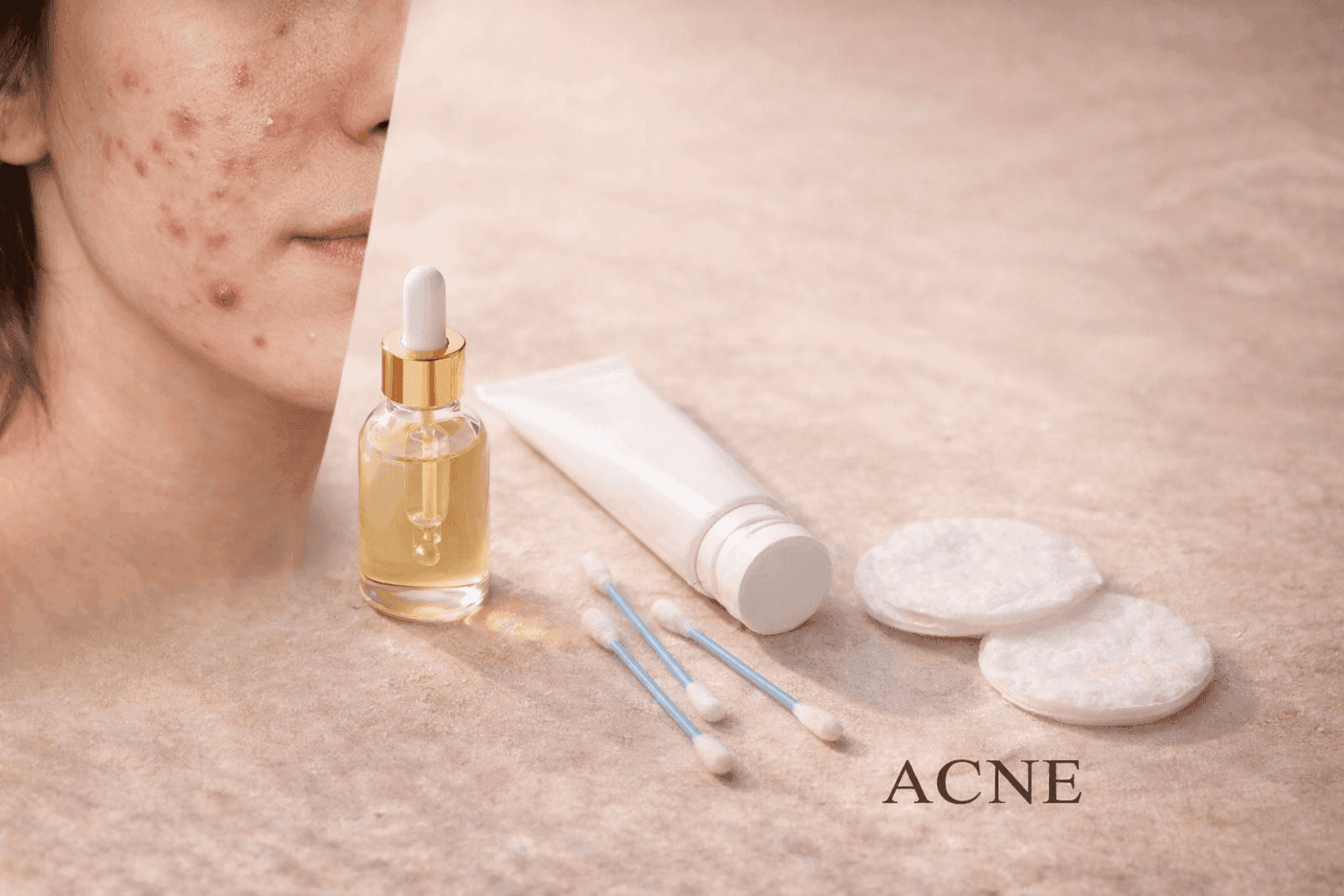
If you've struggled with deep, painful bumps under the skin that won't respond to typical acne treatments, your genes may be playing a larger role than you think. Cystic Acne often runs in families because inherited traits influence how your sebaceous glands produce oil, how intensely your skin responds to inflammation, and how your body metabolizes hormones that trigger breakouts.
Key Takeaways:
- Genetic variations affect sebum production, inflammation intensity, and hormone sensitivity
- Having a parent with severe acne increases your risk significantly
- Genes influence multiple pathways including oil gland activity, inflammatory response, and skin cell turnover
- Understanding your genetic predisposition helps explain why some treatments work better than others
- Environmental triggers interact with genetic factors to determine severity
What Makes Cystic Acne Different
Cystic acne represents the most severe form of acne vulgaris. Unlike surface whiteheads or blackheads, cystic lesions develop deep within the dermis layer. These painful, inflamed nodules form when a combination of excess sebum, dead skin cells, and bacteria become trapped beneath the skin surface, triggering an intense immune response.
The process begins when hair follicles become blocked. Sebaceous glands attached to these follicles continue producing oil that cannot escape. Pressure builds within the follicle wall until it ruptures, spilling contents into surrounding tissue. Your immune system recognizes this rupture as tissue damage and floods the area with inflammatory cells, creating the characteristic swollen, red, painful cyst.
This inflammatory cascade happens to varying degrees in everyone with acne. What sets cystic acne apart is the intensity and frequency of these deep ruptures, and that intensity is strongly influenced by your genetic blueprint.
The Family Connection
Research consistently shows that acne runs in families. If both your parents experienced severe acne during adolescence or adulthood, your likelihood of developing cystic acne increases substantially. Studies indicate that genetic factors contribute approximately 80 percent to acne susceptibility.
This doesn't mean your parents directly "gave" you acne. Rather, you inherited specific gene variations that create conditions favorable for cystic breakouts. These variations affect multiple biological processes simultaneously, which explains why cystic acne feels so stubborn and why surface treatments often fall short.
Twin studies provide compelling evidence. Identical twins, who share virtually the same genetic code, show much higher concordance for acne severity compared to fraternal twins. When one identical twin develops cystic acne, the other twin has a significantly elevated risk, even when living in different environments with different skincare routines.
Genetic Pathways That Influence Cystic Acne
Sebaceous Gland Activity
Your genes directly influence how large your sebaceous glands grow and how much sebum they produce. People with genetic predisposition to cystic acne often have larger, more active oil glands. These glands respond more aggressively to hormonal signals, particularly androgens like testosterone and dihydrotestosterone (DHT).
Even normal androgen levels can trigger excessive oil production when your genetic makeup creates heightened gland sensitivity. This explains why some individuals develop severe cystic acne despite having hormone levels within typical ranges. The glands themselves are simply programmed to overreact.
Sebum composition also varies based on genetics. Some people produce sebum with different fatty acid ratios that create more favorable conditions for bacterial growth and inflammation. Thicker, stickier sebum is more likely to block pores completely rather than flowing to the skin surface.
Inflammatory Response Genes
Inflammation drives the pain, redness, and tissue damage characteristic of cystic acne. Your genetic code determines how intensely your immune system responds when follicle contents spill into surrounding tissue.
Certain gene variations increase production of pro-inflammatory signaling molecules called cytokines. When follicle rupture occurs, people with these variants experience more aggressive immune responses. More inflammatory cells rush to the site, releasing more tissue-damaging enzymes and creating larger, more painful cysts that take longer to heal.
Some individuals also have genetic differences affecting anti-inflammatory pathways. When your body's natural inflammation-resolution mechanisms work less efficiently, inflammatory responses persist longer, extending healing time and increasing scarring risk.
Hormone Metabolism
While hormones themselves may measure normally in blood tests, how your body processes and responds to those hormones depends heavily on genetics. Gene variations affect enzymes that convert testosterone to DHT, the most potent androgen for stimulating sebaceous glands.
If you carry variants that increase this conversion activity, even modest testosterone levels generate more DHT at the skin level. Your sebaceous glands receive stronger stimulation, producing more oil and enlarging more than someone without these variants.
Genetics also influence hormone receptor sensitivity. Androgen receptors on sebaceous gland cells vary in their responsiveness based on genetic factors. Some receptors bind hormones more tightly or trigger stronger downstream effects, amplifying the acne-promoting signals.
Skin Cell Turnover and Keratinization
Normal skin cells lining hair follicles shed regularly, preventing blockages. Genetic factors influence this shedding process, technically called keratinization. Certain gene variants cause skin cells to stick together more tenaciously and shed less efficiently.
These sticky cells accumulate inside follicles, mixing with sebum to form dense plugs. The plugs seal off follicle openings, setting the stage for bacterial overgrowth and eventual rupture. People with genetic predisposition to abnormal keratinization develop comedones more readily, and these comedones more frequently progress to inflammatory cysts.
Gene-Environment Interactions
Genetics load the gun, but environmental factors pull the trigger. Even with high genetic susceptibility, cystic acne severity fluctuates based on lifestyle, stress levels, dietary patterns, and skincare habits.
High-glycemic foods cause rapid blood sugar spikes, which trigger insulin release. Insulin amplifies androgen production and increases insulin-like growth factor 1 (IGF-1), both of which stimulate sebaceous glands. If you carry genetic variants that already predispose you to overactive oil production, dietary choices that spike insulin can dramatically worsen breakouts.
Chronic stress elevates cortisol, which influences multiple acne pathways. Cortisol increases oil production, promotes inflammation, and can worsen insulin resistance. When genetic factors already create vulnerability, stress becomes a powerful amplifier rather than just a minor contributor.
Sleep deprivation affects hormone regulation and inflammatory processes. Your body performs crucial repair and hormone-balancing activities during deep sleep. Consistently poor sleep disrupts these processes, and when combined with genetic predisposition, can shift mild acne into more severe, cystic presentations.
Certain skincare products, particularly heavy moisturizers and makeup that occludes pores, trap sebum and bacteria inside follicles. While these products don't cause acne in everyone, people with genetic tendencies toward excessive sebum production and inefficient cell shedding are more vulnerable to product-related breakouts.
Specific Genes Associated With Acne
| Gene | Primary Function | Impact on Acne |
|---|---|---|
| CYP1A1 | Hormone metabolism | Affects androgen processing and sebum stimulation |
| TNF-alpha | Inflammation regulation | Influences intensity of inflammatory response |
| IL-1A | Immune signaling | Affects inflammatory cascade initiation |
| TLR2 | Bacterial recognition | Determines immune response to acne bacteria |
| FGFR2 | Cell growth signaling | Influences sebaceous gland development |
Research continues identifying additional genetic variants. Most cases of cystic acne involve multiple genes working together rather than a single genetic defect. This polygenic nature means you might inherit some risk variants from one parent and different variants from the other parent, creating a unique genetic profile that determines your specific acne pattern.
Why Some Treatments Work Better Than Others
Understanding genetic factors helps explain treatment response variability. Topical treatments work primarily at the skin surface, addressing bacteria and helping unclog pores. When your cystic acne stems from genetic factors affecting deep sebaceous gland activity or intense inflammatory responses, surface treatments provide limited benefit.
Hormonal approaches that reduce androgen activity or block androgen receptors often work well for people whose genetics create hormone sensitivity. These treatments address the root stimulation of oil glands rather than just managing surface symptoms.
For individuals with genetic variants causing excessive inflammation, treatments that calm immune responses may prove more effective than approaches focused solely on killing bacteria or reducing oil.
This genetic variability means finding effective treatment often requires a personalized approach rather than a one-size-fits-all protocol. What works remarkably well for one person may disappoint another, not due to improper use, but because the underlying genetic drivers differ.
What You Can Control
While you cannot change your genetic code, you can modify how those genes express themselves. Gene expression means whether specific genes actively produce their effects or remain relatively quiet.
Lifestyle factors influence gene expression. Chronic inflammation from poor diet, inadequate sleep, or persistent stress can activate genes that worsen acne. Conversely, anti-inflammatory dietary patterns, stress management, and consistent sleep schedules can help quiet these same genes.
Maintaining stable blood sugar reduces insulin spikes that amplify androgen effects. Even with genetic sensitivity to androgens, minimizing additional hormonal stimulation helps keep oil production more manageable.
Protecting your skin barrier prevents additional inflammation that can worsen genetically-driven responses. Over-washing strips protective lipids, increasing transepidermal water loss and triggering compensatory oil production. Harsh scrubbing creates micro-injuries that add to the inflammatory burden your genetics already create.
Managing stress through consistent practices reduces cortisol's impact on oil production and inflammation. While stress alone doesn't cause cystic acne, it significantly worsens genetically-driven tendencies.
When Genetics Indicate Professional Care
Certain patterns suggest your cystic acne has strong genetic components that require dermatological intervention rather than over-the-counter approaches:
Family history of severe acne, especially if parents or siblings required prescription treatment, indicates genetic factors playing a dominant role. Surface treatments will likely provide inadequate results.
Early onset of severe acne, particularly cystic lesions appearing in early adolescence, often reflects strong genetic predisposition. The earlier severe acne begins, the more likely genetic factors are primary drivers.
Treatment resistance where multiple over-the-counter approaches fail to produce meaningful improvement suggests underlying genetic factors need medical management.
Widespread distribution across face, chest, and back indicates systemic factors rather than localized skin issues. Genetic influences affecting hormone metabolism and oil gland sensitivity create this widespread pattern.
Scarring tendency where even relatively small cysts leave permanent marks suggests genetic factors affecting wound healing and collagen remodeling need professional assessment.
The Emotional Impact of Genetic Predisposition
Learning that genetics contribute to your cystic acne can feel discouraging, as though you're fighting an unwinnable battle. This perspective misses an important point: understanding genetic factors validates your experience and explains why simple solutions haven't worked.
Your cystic acne isn't a result of poor hygiene, laziness, or inadequate effort. Genetic factors create real biological differences in how your skin functions. This knowledge can reduce self-blame and redirect energy toward appropriate interventions rather than repeated attempts with approaches unlikely to address your specific drivers.
Genetics also helps set realistic expectations. When genetic factors predominate, expecting surface treatments to completely clear severe cystic acne sets you up for disappointment. Appropriate expectations allow you to recognize meaningful improvement even when complete clearance requires more comprehensive approaches.
Understanding Internal Triggers: Clear Ritual's Perspective
While genetics establish your baseline susceptibility, cystic acne typically results from multiple overlapping factors including hormone fluctuations, inflammatory responses, oil production patterns, stress levels, dietary influences, sleep quality, and microbiome balance. Surface treatments and single-ingredient approaches often provide temporary relief because they address only one aspect of this complex picture without identifying which specific triggers matter most for your individual skin.
At Clear Ritual, we combine the best of three worlds - Ayurveda, modern dermatology, and advanced skin science - to understand individual triggers through a structured skin test. This comprehensive assessment helps identify which combination of factors contributes most significantly to your cystic acne pattern. Understanding your personal trigger profile, including how genetic predispositions interact with lifestyle factors, supports more targeted approaches rather than trial-and-error experimentation. Long-term skin stability comes from addressing the multiple pathways that contribute to your specific presentation.
Frequently Asked Questions
Can I develop cystic acne if my parents never had acne?
Yes, though it's less common. Acne-related genes can skip generations or combine from both parents in ways that create vulnerability neither parent individually experienced. New genetic mutations, though rare, can also occur. Additionally, your parents may have carried genes that didn't fully express due to different environmental factors during their youth.
Does having the acne gene mean I'll definitely get cystic acne?
No. Genetic predisposition increases likelihood but doesn't guarantee development. Environmental factors, lifestyle choices, and random chance all influence whether susceptibility genes translate into active cystic acne. Some people carry risk variants but never develop significant acne, while others with fewer genetic risk factors experience severe breakouts.
Will my children inherit my cystic acne?
They have increased risk but not certainty. Each child inherits a random combination of your genes and your partner's genes. If both parents have acne histories, children face higher likelihood. However, genetic inheritance involves chance - some children may inherit many acne-risk variants while siblings inherit few.
Can genetic testing predict my acne risk?
Current genetic tests can identify some variants associated with acne, but they cannot predict severity or certainty. Acne involves too many genes with complex interactions for simple prediction. Testing may indicate elevated risk but cannot determine whether you'll actually develop cystic acne or how severe it might become.
Do certain ethnicities have higher genetic risk for cystic acne?
Acne affects all ethnicities, though some research suggests variation in prevalence and severity patterns. These differences likely reflect both genetic factors and environmental influences including dietary patterns, climate, and skincare practices. Individual genetic variation within any ethnicity typically exceeds average differences between ethnicities.
If my acne is genetic, is treatment pointless?
Absolutely not. Genetic predisposition means you're more vulnerable, but treatment can significantly improve outcomes. Many effective treatments work by counteracting genetic tendencies - reducing oil production, calming inflammation, or modifying hormone effects. Understanding genetic factors helps target the most relevant treatment pathways.
Can lifestyle changes overcome genetic predisposition?
Lifestyle modifications help manage expression of genetic tendencies but rarely completely override strong genetic factors. Anti-inflammatory diets, stress management, quality sleep, and appropriate skincare can substantially reduce severity. However, when genetic factors are pronounced, lifestyle changes work best combined with targeted treatments.
Does stress cause cystic acne or just worsen genetic tendencies?
Stress primarily amplifies existing vulnerabilities rather than creating cystic acne independently. If you lack genetic predisposition, stress might cause minor breakouts but rarely triggers true cystic acne. When genetic factors create vulnerability, stress becomes a powerful trigger that shifts mild tendencies into active, severe breakouts.
Editorial Standards
Clear Ritual has Strict sourcing guidelines to ensure our content is accurate and current. We rely on peer-reviewed studies, academic research institutions, and medical associations. We strive to use primary sources and refrain from using tertiary references. See a mistake? Learn More about our Editorial Standards.



