




Hormonal Causes of Cystic Acne
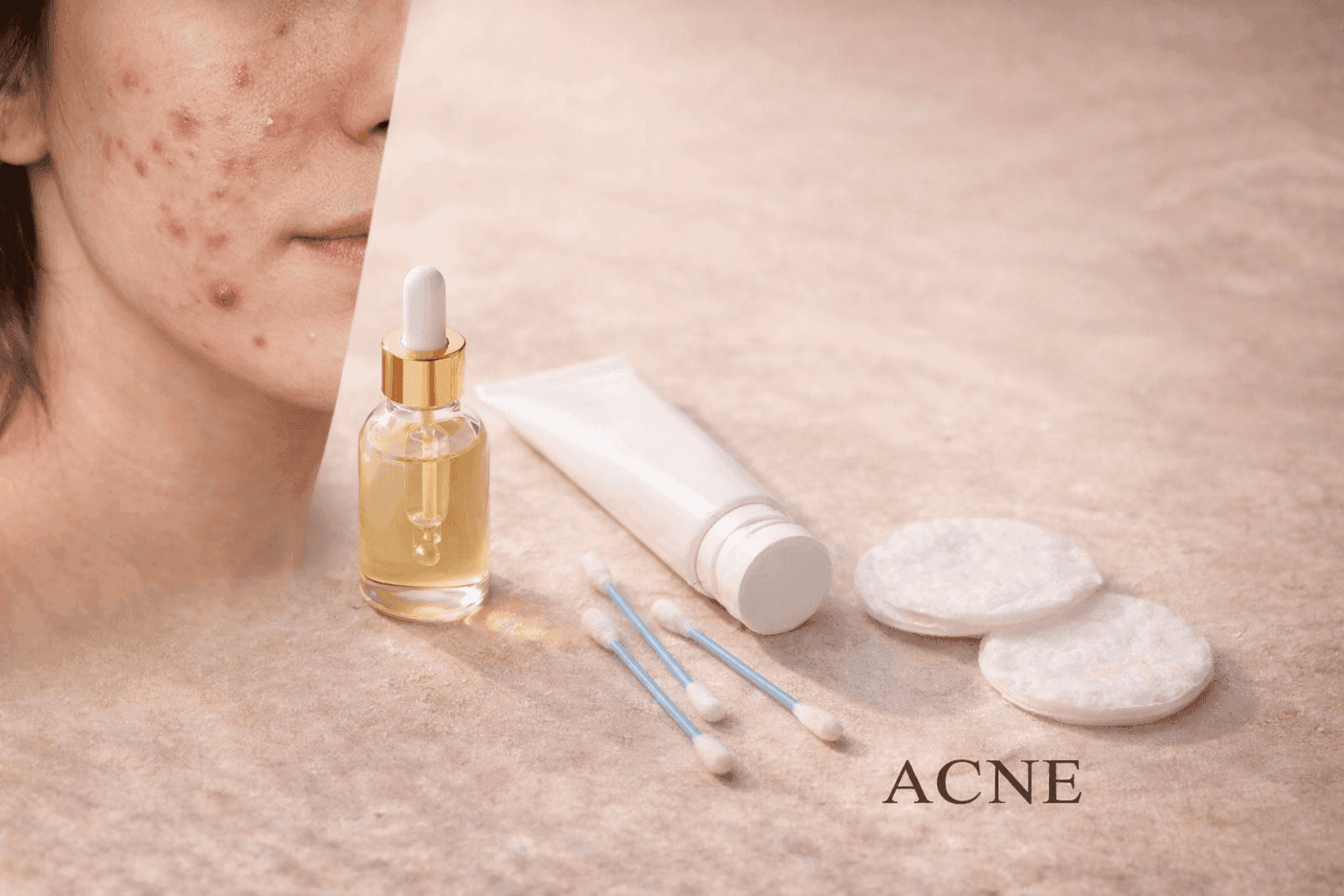
Cystic Acne develops when hormonal fluctuations trigger excess sebum production, which combines with dead skin cells to clog pores deeply. Inflammation then occurs as the immune system responds to trapped bacteria, forming painful, swollen cysts beneath the skin's surface that don't respond to typical surface treatments.
Key Takeaways:
- Androgens stimulate oil glands to produce more sebum, creating an environment for deep cystic breakouts
- Hormonal imbalances during puberty, menstrual cycles, pregnancy, and PCOS commonly trigger cystic acne
- Stress hormones like cortisol can worsen inflammation and oil production
- Cystic acne affects deeper skin layers than regular acne, making it more painful and prone to scarring
- Understanding your specific hormonal triggers helps target the root cause rather than just surface symptoms
What Makes Cystic Acne Different
Cystic acne represents the most severe form of acne. Unlike whiteheads or blackheads that form near the skin's surface, cystic acne develops deep within the dermis. These lesions appear as large, red, painful bumps filled with pus that can persist for weeks or months.
The difference lies in what happens beneath the surface. When a pore becomes completely blocked deep in the skin, the follicle wall ruptures. This rupture spills bacteria, oil, and cellular debris into the surrounding dermal tissue. Your immune system recognizes this as a threat and sends white blood cells to fight the infection, creating the painful, inflamed cyst you feel beneath your skin.
Surface treatments rarely penetrate deep enough to address cystic acne because the inflammation exists far below where creams and washes can reach. This explains why someone might have a consistent skincare routine yet still experience severe breakouts.
The Hormone-Skin Connection
Hormones act as chemical messengers throughout your body, including your skin. Several hormones directly influence sebaceous gland activity, pore behavior, and inflammatory responses.
Androgens and Sebum Production
Androgens are often called male hormones, but everyone produces them regardless of gender. Testosterone and its derivatives like dihydrotestosterone (DHT) bind to receptors in sebaceous glands. This binding signals the glands to enlarge and produce more sebum.
During puberty, androgen levels surge, which explains why acne commonly begins during teenage years. But androgens continue influencing skin throughout life. Some people have sebaceous glands that are simply more sensitive to normal androgen levels, producing excessive oil even when hormone levels fall within typical ranges.
This excess sebum mixes with dead skin cells that naturally shed inside pores. Together they form a plug that blocks the follicle opening. Without oxygen reaching the deeper parts of the follicle, bacteria like Cutibacterium acnes multiply rapidly. These bacteria trigger inflammation, and when this occurs deep in the skin, cystic acne forms.
Estrogen's Protective Role
Estrogen generally has an opposite effect to androgens. It can reduce sebum production and help maintain skin thickness. When estrogen levels are relatively high, many people notice clearer skin.
This explains why some people notice their skin improves during certain phases of their menstrual cycle. During the first half of the cycle, estrogen rises and often suppresses acne formation. As estrogen drops and progesterone rises in the second half, particularly in the week before menstruation, breakouts frequently worsen.
Progesterone and Skin Swelling
Progesterone increases during the luteal phase of the menstrual cycle. This hormone causes slight swelling in the skin and can make pores compress, trapping sebum and bacteria inside. It also increases body temperature slightly, which can stimulate sebaceous glands to produce more oil.
The combination of compressed pores and increased oil production creates ideal conditions for cystic acne to develop in the days leading up to menstruation.
Common Hormonal Triggers
Menstrual Cycle Fluctuations
Many people notice a predictable pattern where cystic acne appears around the same time each month. This cyclical acne typically emerges along the jawline, chin, and lower cheeks in the week before menstruation begins.
The hormonal shift during this time involves dropping estrogen and rising androgens relative to each other. Even though absolute androgen levels might not increase dramatically, the ratio change is enough to stimulate oil glands and trigger inflammation in susceptible individuals.
Polycystic Ovary Syndrome
PCOS affects how the body produces and processes hormones. People with PCOS often have elevated androgen levels, which directly correlates with persistent cystic acne, particularly along the jawline and chin.
Beyond androgens, PCOS frequently involves insulin resistance. High insulin levels can increase androgen production and make sebaceous glands more sensitive to these hormones. This creates a cycle where both hormonal imbalance and metabolic factors contribute to severe acne.
Pregnancy and Postpartum Changes
Pregnancy causes dramatic hormonal fluctuations. Some people experience clear skin during pregnancy as estrogen levels rise significantly. Others develop severe cystic acne, particularly during the first trimester when hormones shift rapidly.
After giving birth, hormone levels drop suddenly. This abrupt change can trigger postpartum acne that persists for months as the body recalibrates. Breastfeeding introduces additional hormonal variations that can either improve or worsen acne depending on individual hormone sensitivity.
Perimenopause and Menopause
As estrogen levels decline during perimenopause, the androgen-to-estrogen ratio shifts. Even though absolute androgen levels might not increase, their effects become more pronounced without estrogen's balancing influence.
This hormonal transition can cause adult-onset cystic acne in people who never experienced severe acne earlier in life. The acne often appears along the lower face and jawline, resembling the pattern seen with menstrual cycle acne.
Stress and Cortisol
Chronic stress elevates cortisol, your body's primary stress hormone. Cortisol stimulates sebaceous glands directly and can increase androgen production. It also triggers inflammatory pathways throughout the body, including in the skin.
Sleep deprivation compounds this effect. Poor sleep quality increases cortisol and disrupts other hormones that regulate skin cell turnover and barrier function. The combination creates an environment where cystic acne develops more easily and heals more slowly.
How Diet Influences Hormonal Acne
Certain foods affect hormones in ways that can worsen cystic acne, though individual responses vary significantly.
High Glycemic Foods
Foods that rapidly increase blood sugar cause insulin levels to spike. High insulin stimulates androgen production and makes sebaceous glands more responsive to these hormones. It also increases levels of insulin-like growth factor 1 (IGF-1), which promotes cell proliferation in sebaceous glands and can worsen acne.
Refined carbohydrates, sugary beverages, and processed foods with high glycemic loads can create these insulin spikes. For some people, reducing these foods noticeably improves cystic acne over several weeks.
Dairy Products
Dairy contains hormones naturally present in milk from pregnant cows, including progesterone and precursors to androgens. Dairy also stimulates IGF-1 production. Both mechanisms can contribute to increased sebum production and acne formation.
The relationship between dairy and acne varies individually. Some people notice significant improvement when eliminating dairy, while others see no change. The connection appears strongest with skim milk, possibly because removing fat concentrates the hormone and protein content.
Inflammatory Foods
Diets high in omega-6 fatty acids and low in omega-3s can promote systemic inflammation. Trans fats found in fried and processed foods trigger inflammatory pathways that can worsen acne severity.
Since cystic acne fundamentally involves inflammation, reducing inflammatory triggers throughout the body may help moderate breakouts for some individuals.
Internal Mechanisms Beyond Hormones
| Factor | How It Affects Skin | Connection to Cystic Acne |
|---|---|---|
| Gut Health | Influences systemic inflammation and hormone metabolism | Dysbiosis can increase inflammatory markers that worsen acne |
| Liver Function | Processes and eliminates excess hormones | Impaired detoxification may allow hormone accumulation |
| Microbiome Imbalance | Disrupts skin's protective bacterial community | Allows acne-causing bacteria to proliferate unchecked |
| Chronic Inflammation | Keeps immune system activated | Makes skin more reactive to triggers and slower to heal |
Lifestyle Factors That Amplify Hormonal Effects
Sleep Deprivation
Inadequate sleep disrupts multiple hormones simultaneously. Growth hormone, which helps repair skin, releases primarily during deep sleep. Without sufficient deep sleep, skin healing slows and inflammation persists longer.
Sleep loss also increases cortisol and insulin resistance, both of which worsen hormonal acne. Most people need seven to nine hours of quality sleep to maintain optimal hormone balance.
Over-Cleansing and Barrier Damage
When cystic acne appears, the natural response is often aggressive cleansing. However, over-washing strips the skin's protective lipid barrier. This triggers a compensatory response where sebaceous glands produce even more oil to replace what was removed.
Harsh cleansers also disrupt the skin microbiome, eliminating beneficial bacteria that normally keep acne-causing bacteria in check. The damaged barrier becomes more susceptible to inflammation, creating a cycle that perpetuates cystic acne.
Cosmetic and Hair Product Occlusion
Heavy makeup, thick moisturizers, or hair products that contact the skin can physically block pores. When combined with hormonally-driven excess sebum production, this occlusion increases the likelihood of deep comedones forming that can progress to cystic acne.
Products containing comedogenic ingredients like certain oils, silicones, or waxes pose particular risks for people already prone to hormonal acne.
Recognizing Hormonal Patterns
Certain characteristics suggest your cystic acne has hormonal roots:
Location patterns: Breakouts concentrated along the jawline, chin, and lower cheeks typically indicate hormonal influence. This distribution follows androgen receptor density in facial skin.
Timing: Acne that predictably worsens before menstruation or correlates with specific cycle phases points to hormonal fluctuation as a trigger.
Deep, painful cysts: Unlike surface pustules, hormonally-driven acne tends to form large, tender nodules deep beneath the skin that persist for weeks.
Adult onset: Developing severe acne for the first time in your twenties, thirties, or forties often has hormonal causes, particularly if it coincides with life changes like stopping hormonal contraceptives or approaching perimenopause.
Resistance to topical treatments: When consistently applied topical treatments produce minimal improvement, the acne likely has internal hormonal drivers that surface products cannot address.
What Helps Address the Foundation
Identifying Your Specific Triggers
Hormonal acne rarely has a single cause. Most cases involve multiple overlapping factors: hormone sensitivity, insulin response, stress levels, sleep quality, dietary triggers, and genetic predisposition.
Keeping a detailed log that tracks breakouts alongside menstrual cycle phases, stress levels, sleep hours, and dietary patterns can reveal individual trigger combinations. This information helps identify which factors most significantly affect your skin.
Supporting Overall Hormone Balance
Small consistent habits can help moderate hormonal fluctuations:
Regular physical activity improves insulin sensitivity and can help balance androgens. Exercise also reduces stress and improves sleep quality, indirectly benefiting skin.
Stress management through practices like meditation, breathing exercises, or time in nature lowers cortisol levels. Since chronic stress amplifies hormonal acne, reducing stress often noticeably improves skin.
Maintaining stable blood sugar by eating balanced meals with protein, fiber, and healthy fats prevents insulin spikes that stimulate androgen production.
Gentle, Barrier-Supporting Skincare
Rather than aggressive acne-fighting products, focus on maintaining skin barrier integrity. A compromised barrier increases inflammation and makes skin more reactive to hormonal fluctuations.
Use gentle cleansers that don't strip natural oils. Avoid physical scrubs and excessive exfoliation, which damage the barrier and worsen inflammation. Choose non-comedogenic moisturizers that support barrier function without blocking pores.
When to Seek Professional Guidance
Cystic acne deserves professional evaluation because it can cause permanent scarring and significantly impact quality of life. Consider consulting a dermatologist if you experience:
- Painful cysts that persist for weeks or recur in the same locations
- Acne that leaves dark marks or scars
- Breakouts that don't improve with over-the-counter treatments after three months
- Sudden onset of severe acne in adulthood
- Acne accompanied by other symptoms like irregular periods, excessive hair growth, or unexplained weight changes
These signs may indicate underlying hormonal conditions that benefit from medical evaluation and treatment.
Dermatologists can assess whether hormonal testing is appropriate and discuss treatment options that address both surface symptoms and internal hormone balance. For some people, treatments that regulate hormones produce the most significant long-term improvement.
Understanding Internal Triggers: Clear Ritual's Perspective
Cystic acne rarely stems from a single cause. It develops from complex interactions between hormones, sebum production, inflammation, skin barrier function, stress responses, sleep quality, nutrition, gut health, and genetic factors. While topical treatments, dietary changes, and supplements may provide temporary relief, they often don't fully resolve the condition because they don't address your specific combination of triggers.
At Clear Ritual, we combine the best of three worlds - Ayurveda, modern dermatology, and advanced skin science - to understand individual triggers through a structured skin test. This approach recognizes that what works for one person may not work for another because everyone's trigger combination differs. Understanding which internal and external factors most significantly affect your skin allows for more targeted, effective approaches rather than trial and error with generic solutions. Long-term skin stability comes from identifying and addressing your particular pattern of triggers.
Frequently Asked Questions
Can hormonal cystic acne go away on its own?
Hormonal cystic acne may improve when the triggering hormone fluctuation resolves, such as after puberty or pregnancy. However, it typically recurs if underlying hormone sensitivity or imbalance persists. Without addressing root triggers, cystic acne often continues cyclically rather than resolving permanently.
Why does cystic acne appear on my jawline specifically?
The jawline and lower face have higher concentrations of androgen receptors in sebaceous glands. These areas respond more intensely to hormonal fluctuations, particularly androgens. This explains why hormonal acne characteristically appears along the jaw, chin, and lower cheeks rather than the forehead.
How long does it take to see improvement in hormonal acne?
Skin cell turnover takes approximately 28 days, meaning visible changes typically require at least one full cycle. When addressing hormonal triggers through lifestyle changes or treatments, most people notice gradual improvement over two to three months. Deep cystic lesions may take longer to fully resolve.
Can stress alone cause cystic acne?
Stress doesn't directly cause cystic acne but significantly amplifies existing tendencies. Chronic stress elevates cortisol, which increases oil production and inflammation. In people already predisposed to acne due to hormone sensitivity or other factors, stress often triggers or worsens breakouts.
Is hormonal acne different in men and women?
The mechanisms are similar - androgen sensitivity drives excess sebum production in both. However, women experience more cyclical patterns due to menstrual hormone fluctuations. Men typically have consistently higher androgen levels, which can result in more persistent rather than cyclical acne. Women are also more likely to experience adult-onset hormonal acne.
Does drinking more water help hormonal cystic acne?
Adequate hydration supports overall skin function and helps the body eliminate metabolic waste products. However, drinking water alone won't resolve hormonal acne because it doesn't address the underlying hormone-sebum-inflammation cycle. Hydration is beneficial for general skin health but not a standalone solution for cystic acne.
Can birth control make cystic acne worse initially?
Some hormonal contraceptives can trigger temporary breakouts during the first few months as your body adjusts to new hormone levels. Certain types containing androgenic progestins may worsen acne in sensitive individuals. Others that reduce androgens typically improve acne after an adjustment period of two to three months.
Will eliminating dairy completely clear hormonal acne?
Individual responses vary significantly. Some people notice substantial improvement within weeks of eliminating dairy, while others see no change. Dairy is one potential trigger among many. If dairy contributes to your specific trigger combination, removing it helps but may not completely resolve acne if other factors remain unaddressed.
Editorial Standards
Clear Ritual has Strict sourcing guidelines to ensure our content is accurate and current. We rely on peer-reviewed studies, academic research institutions, and medical associations. We strive to use primary sources and refrain from using tertiary references. See a mistake? Learn More about our Editorial Standards.



